
7 foods to lower your risk of oral cancer—what you should be eating now
Experts say eating citrus fruits, garlic, berries, green tea, and cruciferous veggies can lower your risk of oral cancer by boosting immunity and fighting cell damage.
- Oct 7, 2025,
- Updated Oct 7, 2025 4:11 PM IST
- 1/9
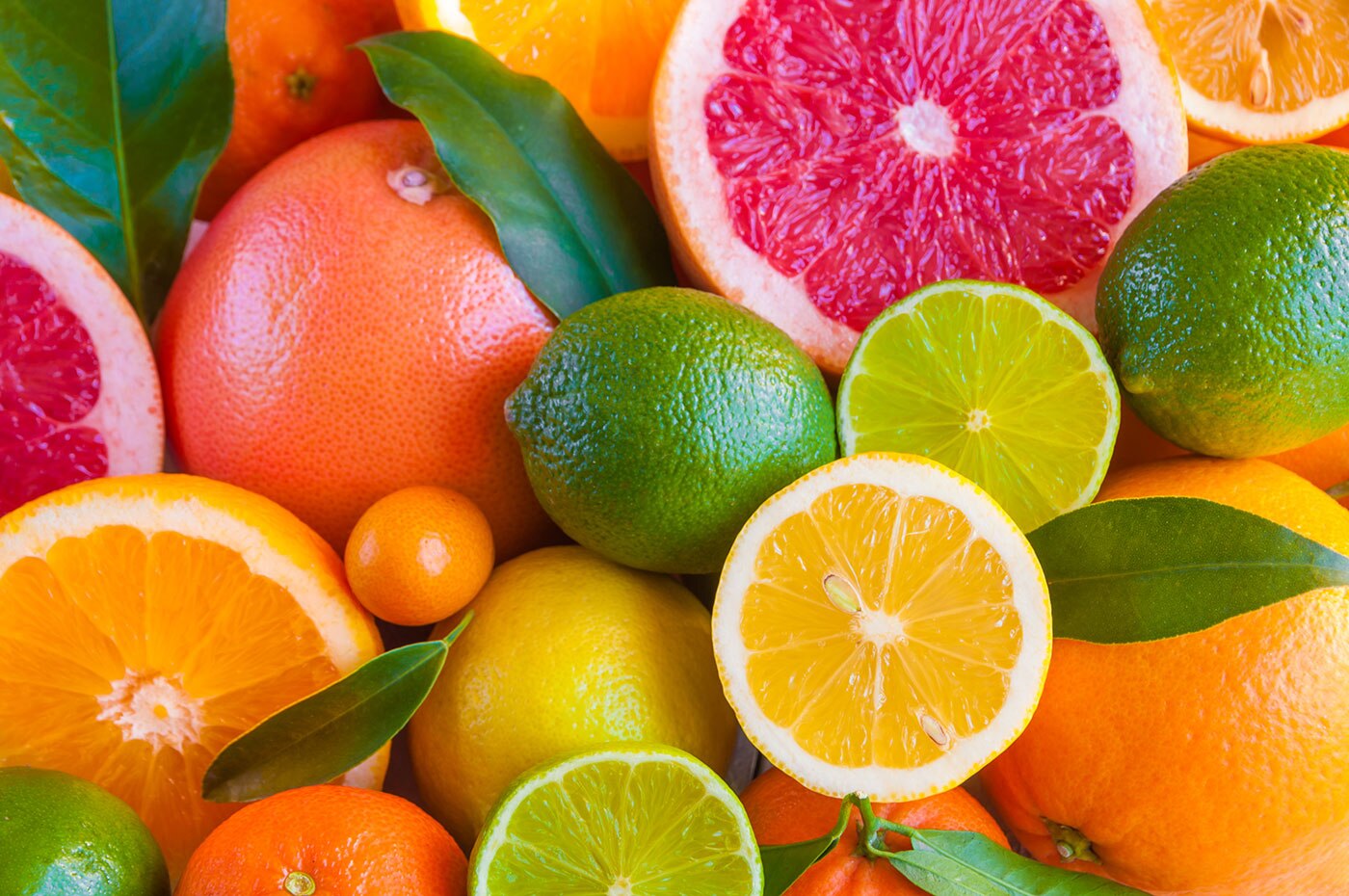
Citrus fruits like oranges and grapefruits are rich in naringenin and vitamin C, which help reduce the risk of oral cancer by supporting immune function and slowing cancer cell growth.
- 2/9
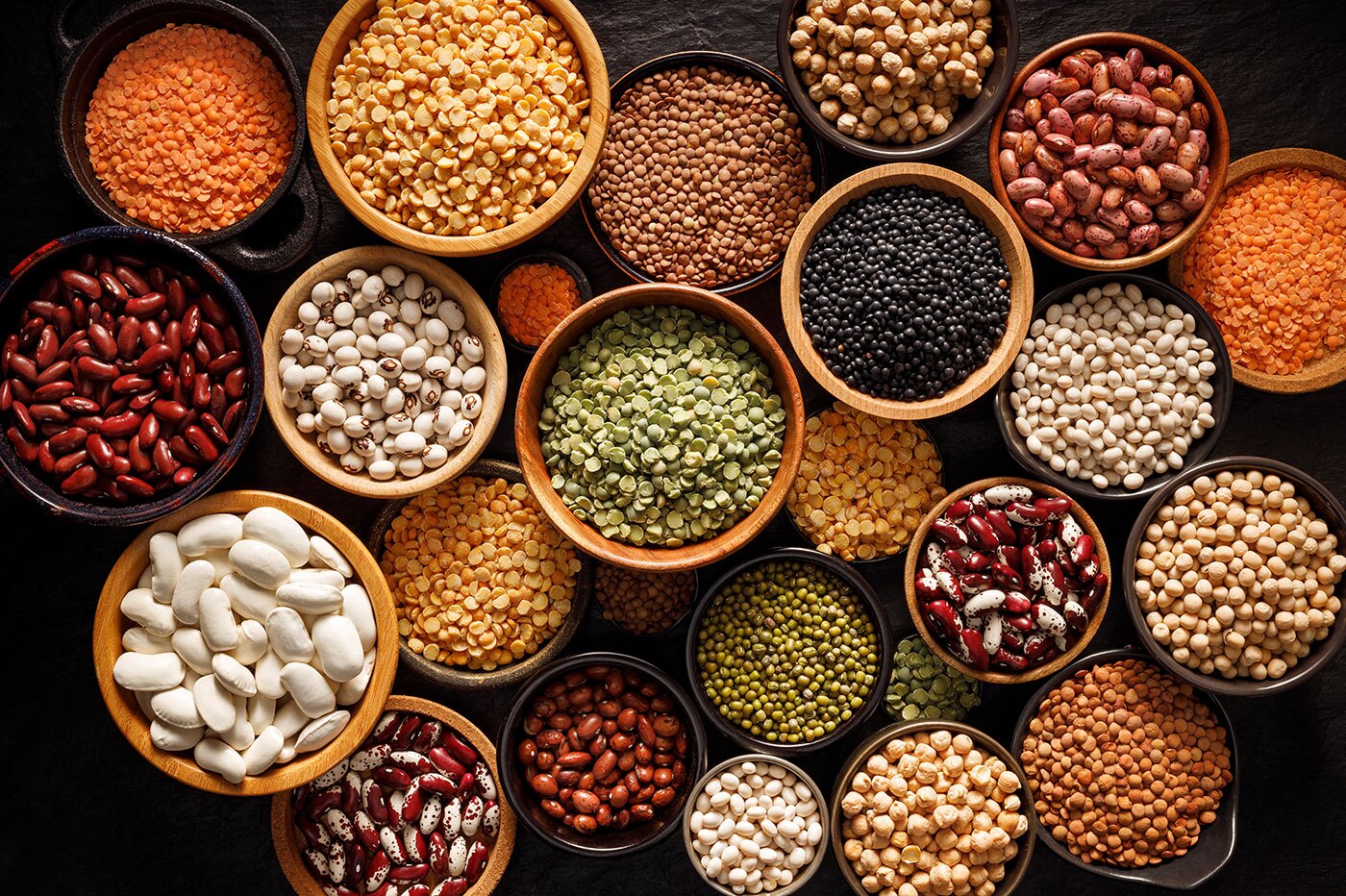
Beans and lentils are packed with folate and fiber, which help repair cells and maintain a healthy gut—both critical for reducing cancer risk, including oral cancer.
- 3/9
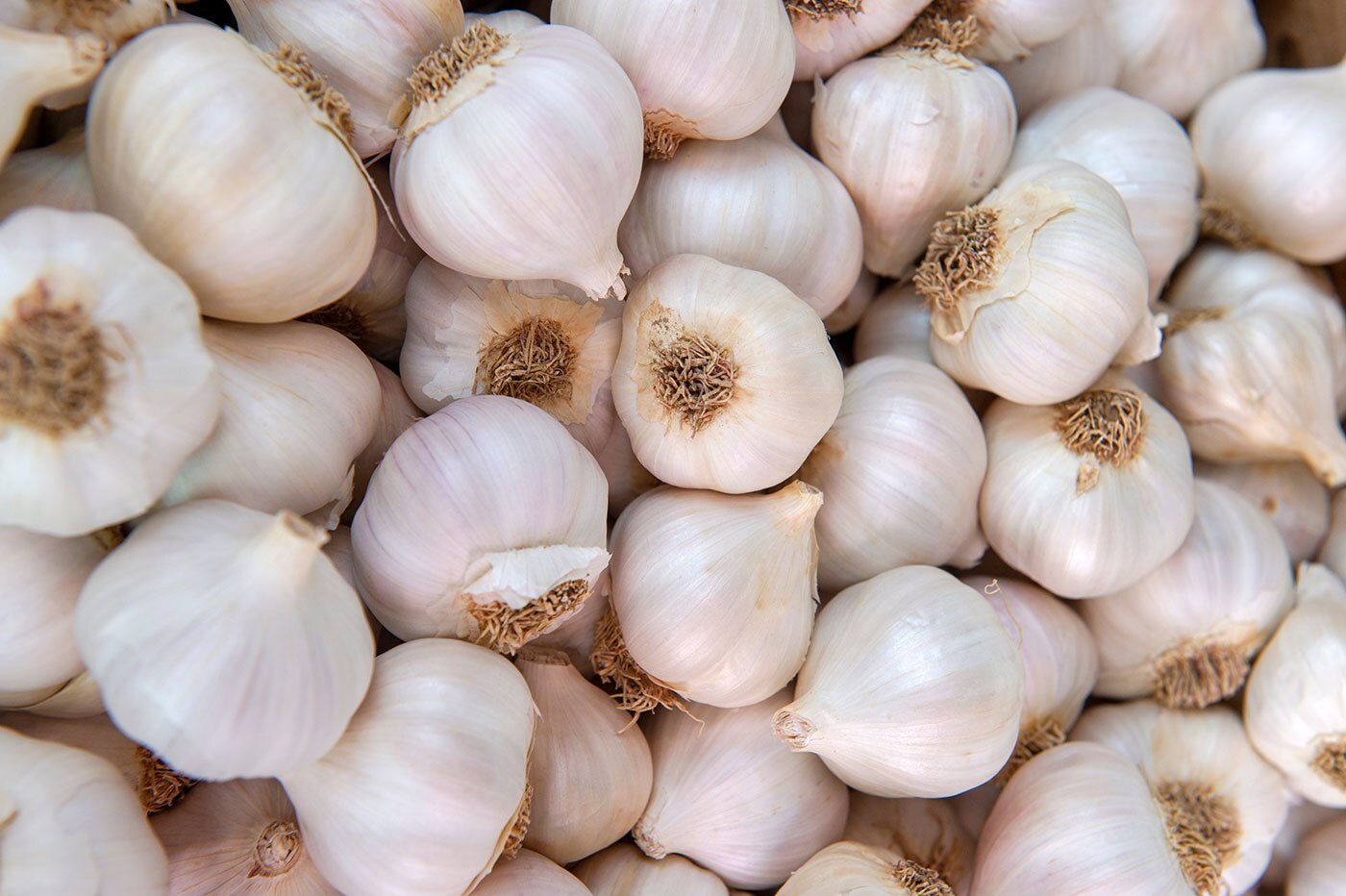
Garlic contains allicin, a sulfur compound known for its cancer-fighting properties. Crushing or chopping garlic before cooking boosts its protective benefits for oral health.
- 4/9
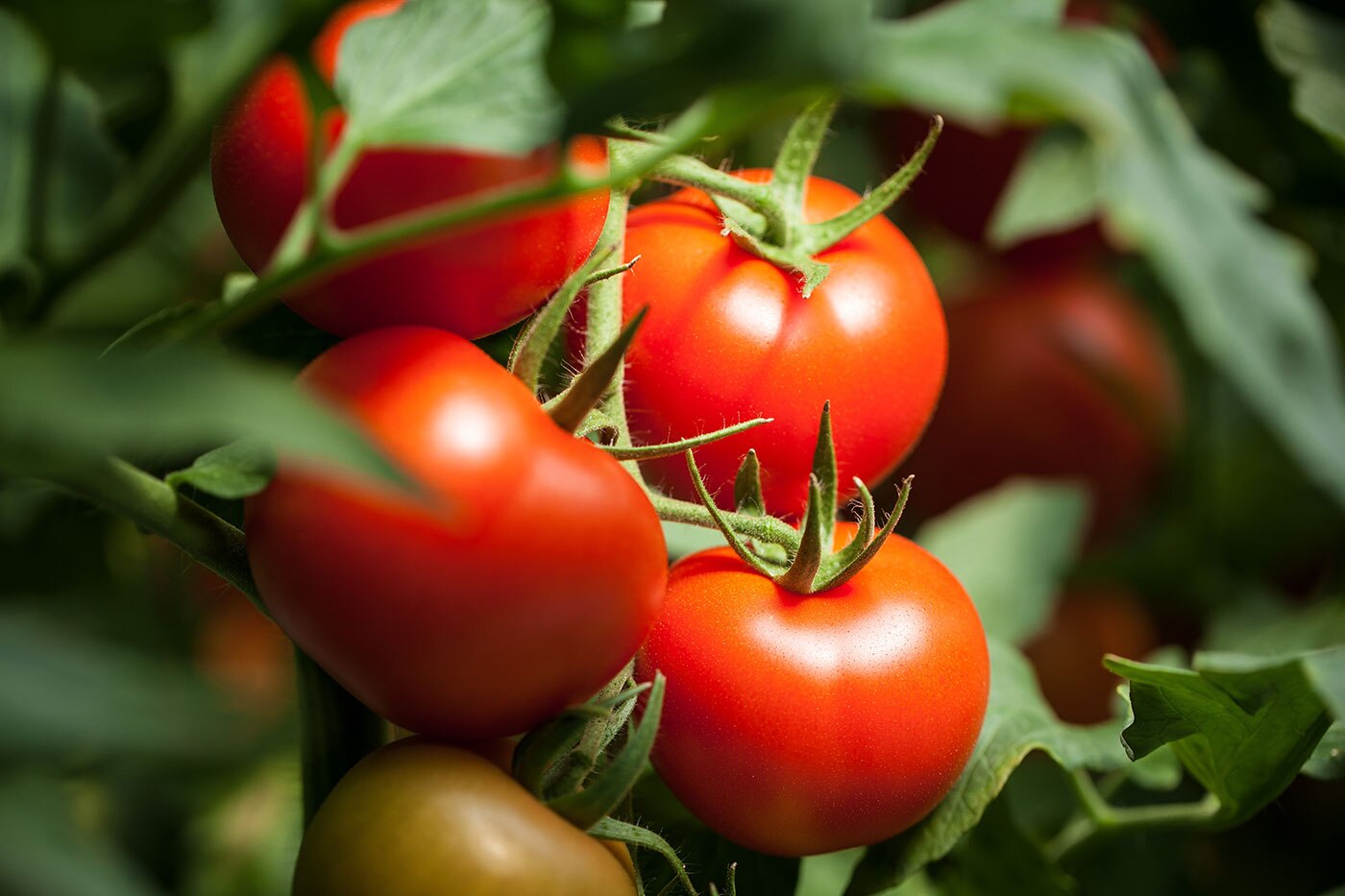
Tomatoes, rich in lycopene and vitamin C, provide antioxidants that may protect against oral cancer, especially when cooked with healthy fats like olive oil.
- 5/9
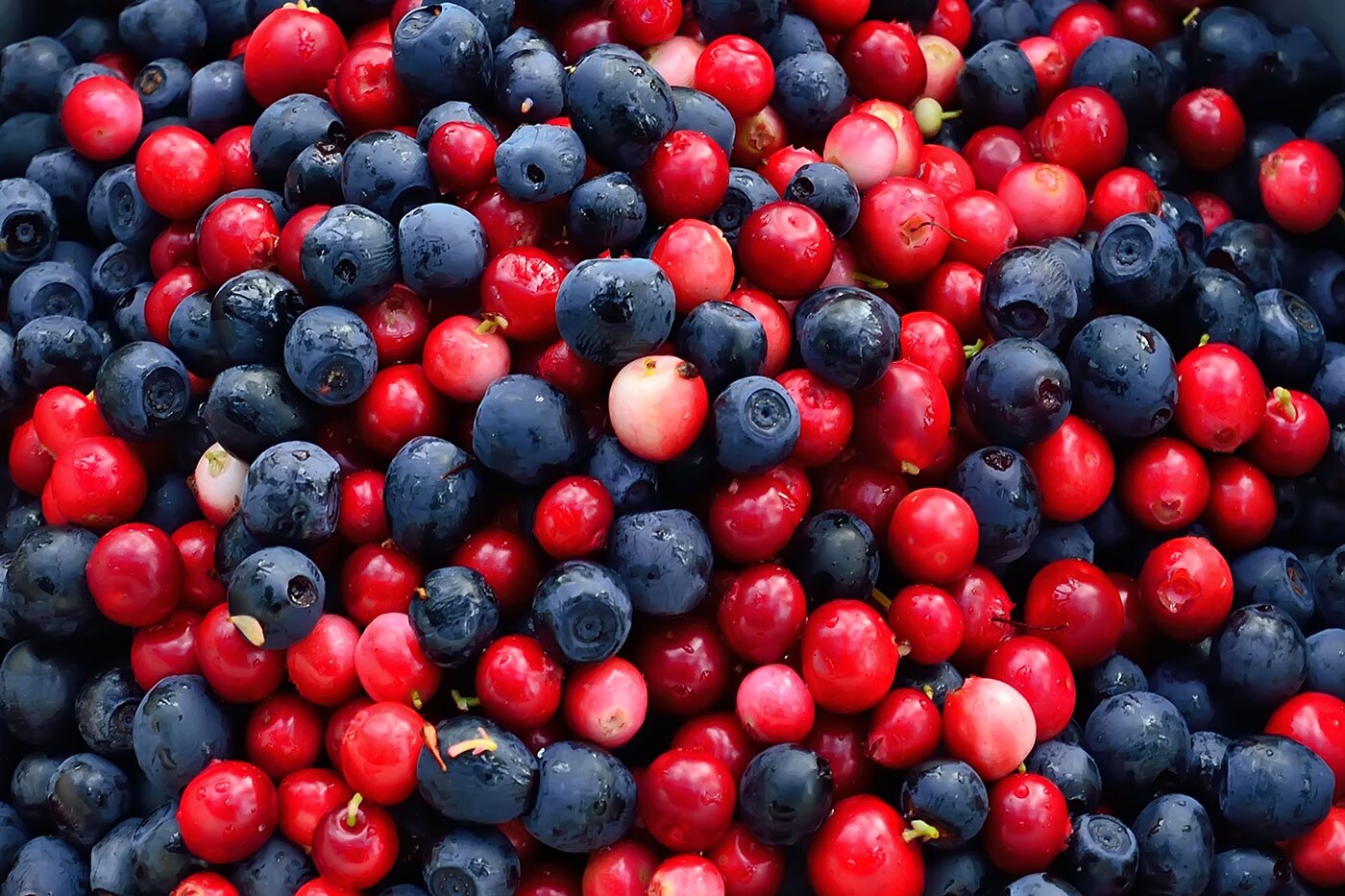
Berries, particularly cranberries and blueberries, are rich in polyphenols and fiber. These compounds neutralize free radicals and reduce DNA damage that can lead to oral cancer.

- 6/9
Drinking green tea regularly is shown to lower oxidative stress and inflammation—key contributors to oral cancer development—thanks to its high concentration of catechins like EGCG.
- 7/9
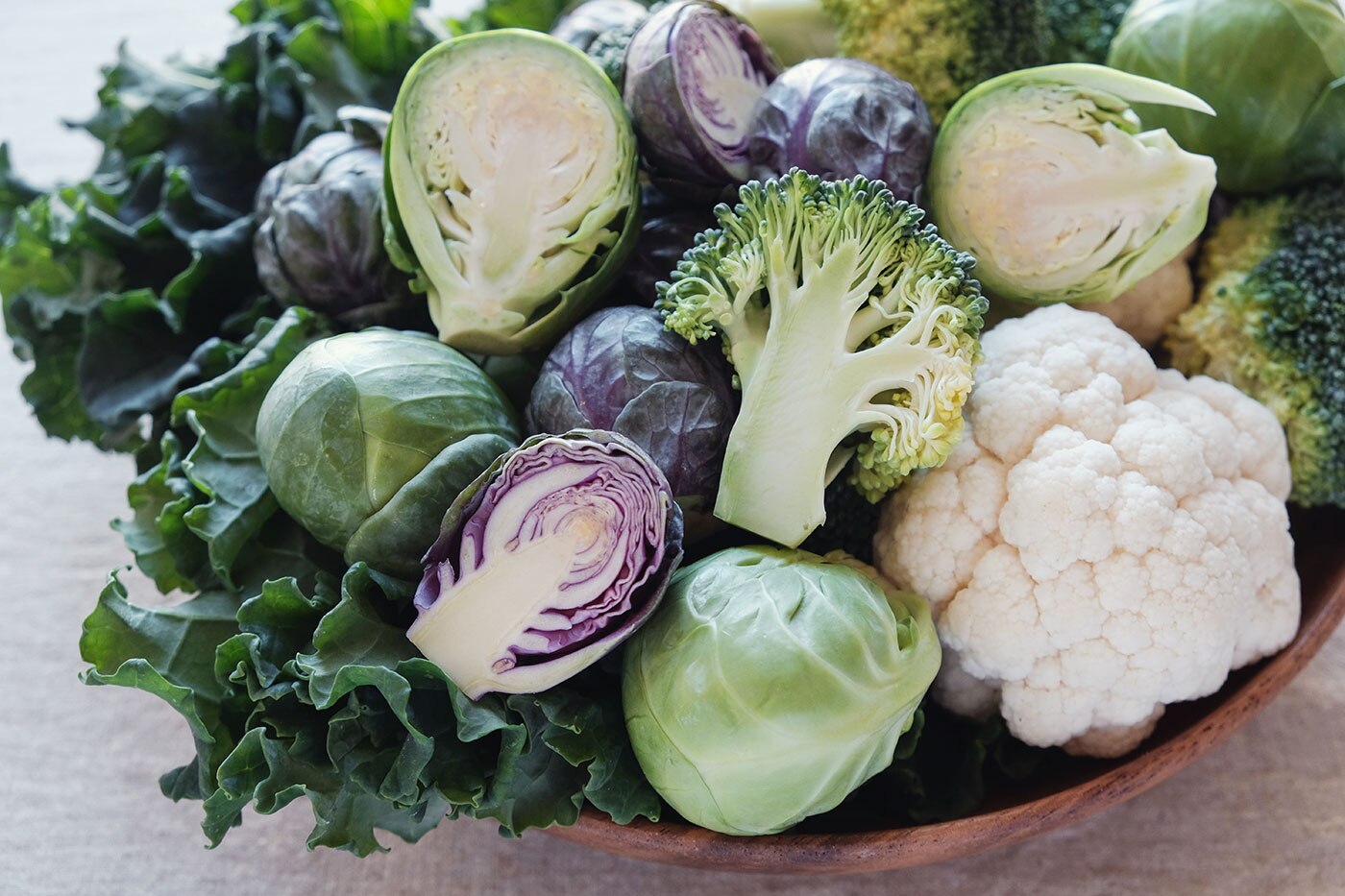
Cruciferous vegetables like broccoli and kale are loaded with sulforaphane, an antioxidant that protects DNA, reduces inflammation, and may even prevent cancerous cells from growing.

- 8/9
A diet rich in these seven foods—citrus, legumes, garlic, tomatoes, berries, green tea, and cruciferous veggies—can significantly lower the risk of oral cancer while improving overall health.
- 9/9
Nutrition is a key factor in preventing oral cancer, and experts agree that these foods offer one of the best lines of defense against this potentially deadly disease.