
7 shocking airplane secrets every passenger should know before boarding
Discover 7 shocking airplane secrets every passenger should know — from lightning strikes and black boxes to hidden safety features, cockpit rules and surprising facts about in-flight travel.
- Jul 16, 2026,
- Updated Jul 16, 2026 3:49 PM IST
- 1/7
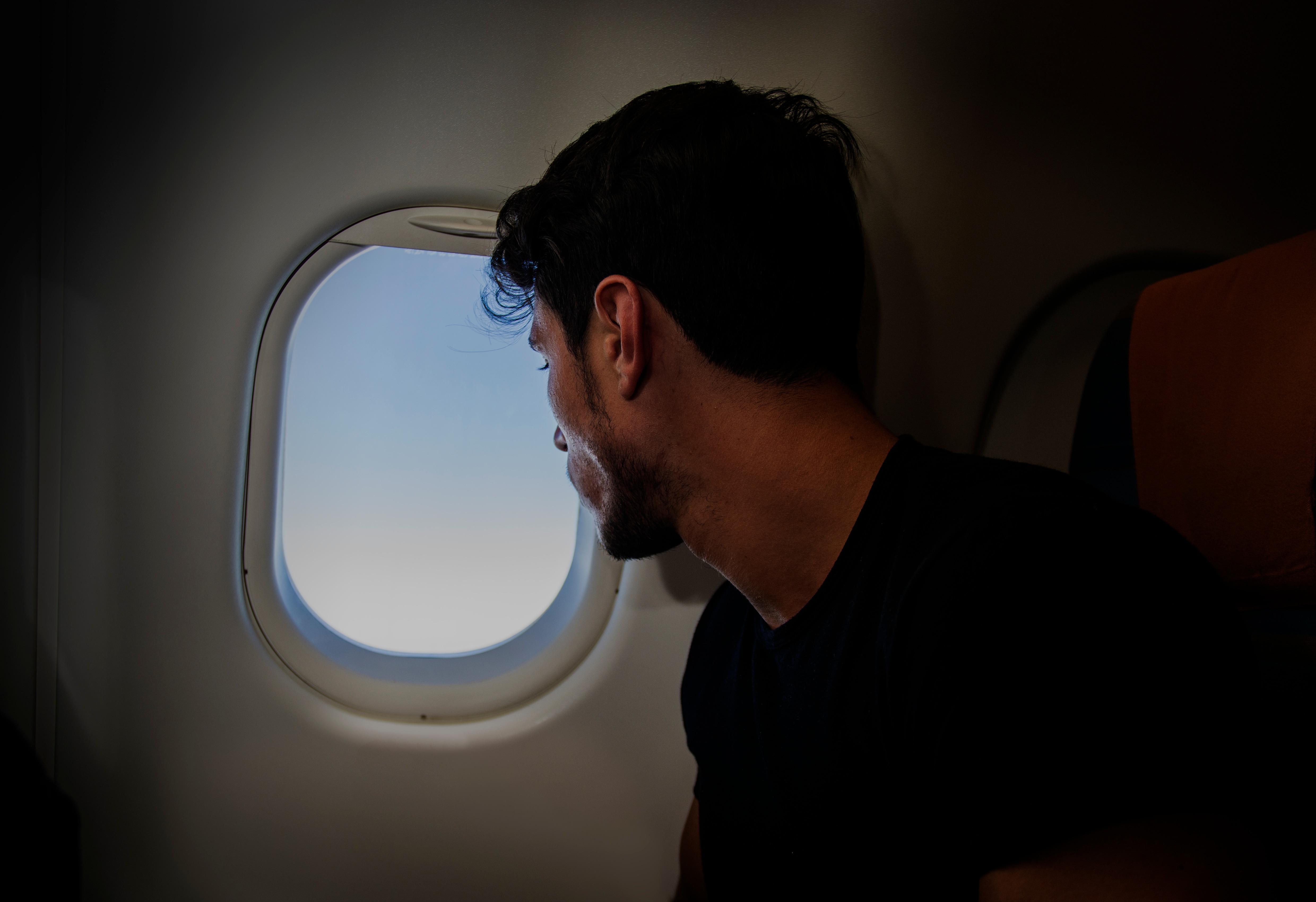
Cabin Secrets
During landings, cabin lights dim and window shades rise to prepare passengers’ eyes for emergencies. Small adjustments can make evacuations safer in the rare event of a critical incident.
- 2/7
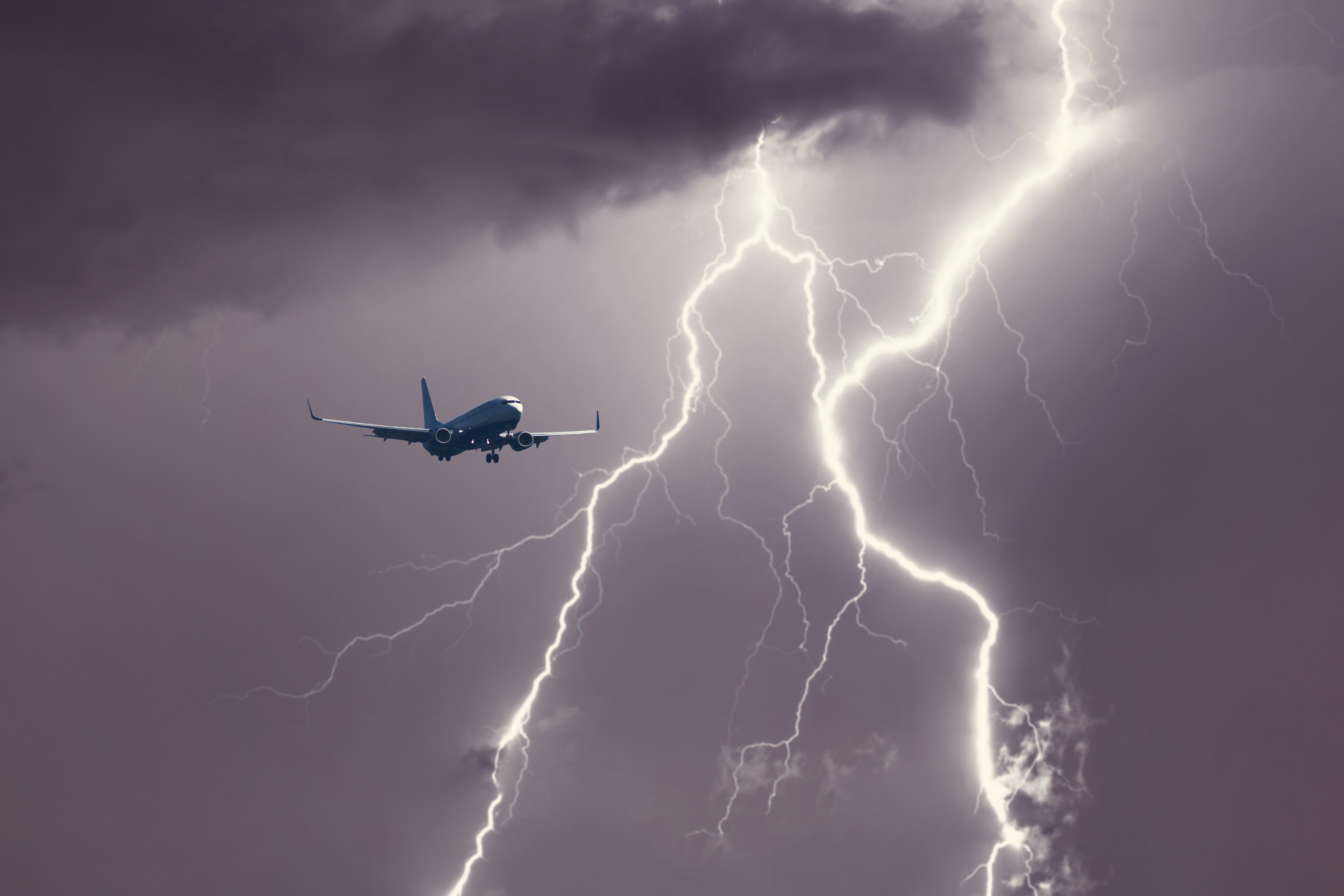
Lightning Strikes
Airplanes are designed to endure lightning, with every aircraft hit roughly once per year or every 3,000 flight hours. Pilots and engineers ensure electrical systems remain unaffected during strikes.
- 3/7
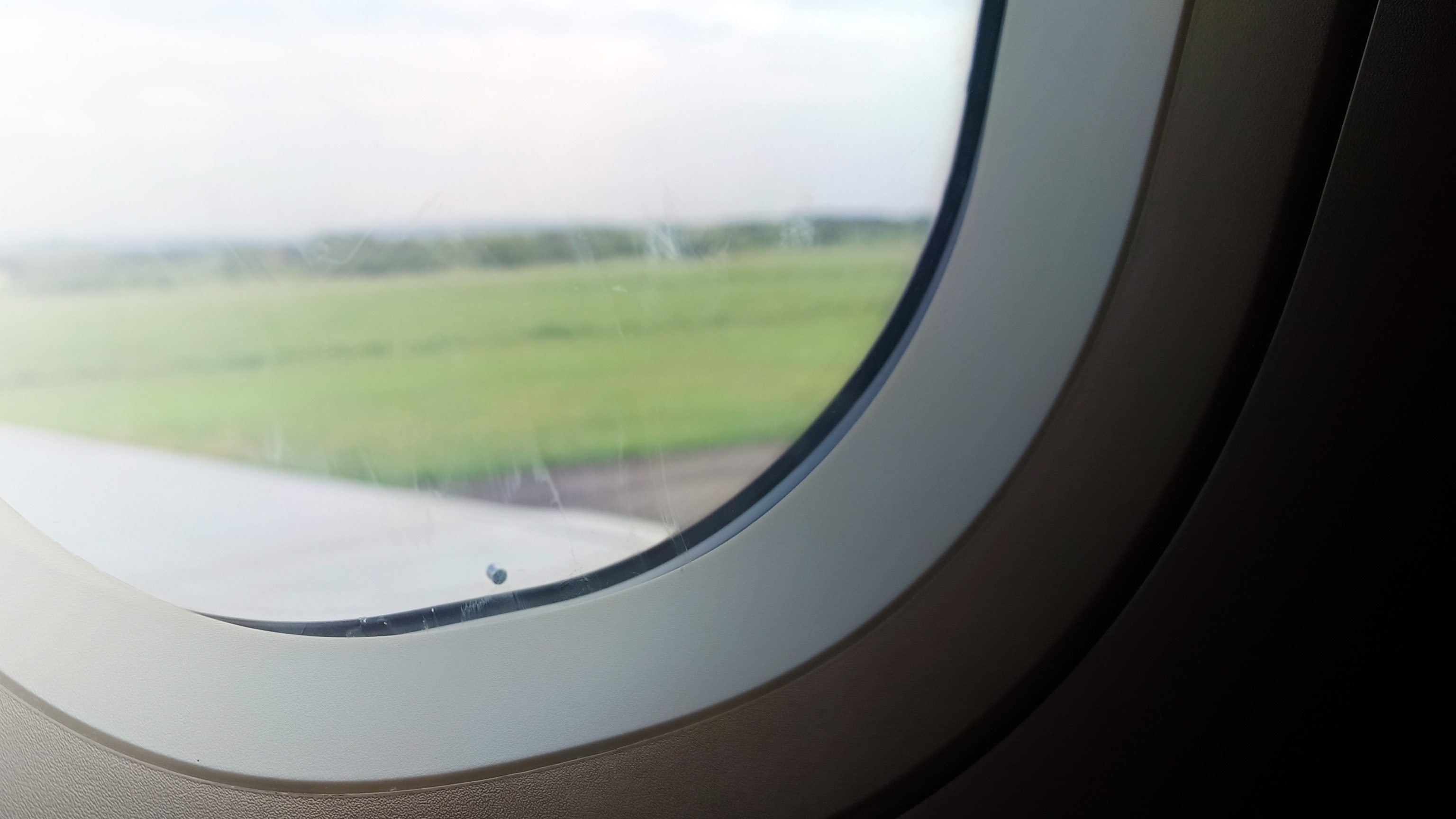
Pressure Holes
The tiny bleed hole in airplane windows regulates pressure between the panes, preventing cracks or structural stress. This hidden design element is crucial for safe high-altitude flights.
- 4/7
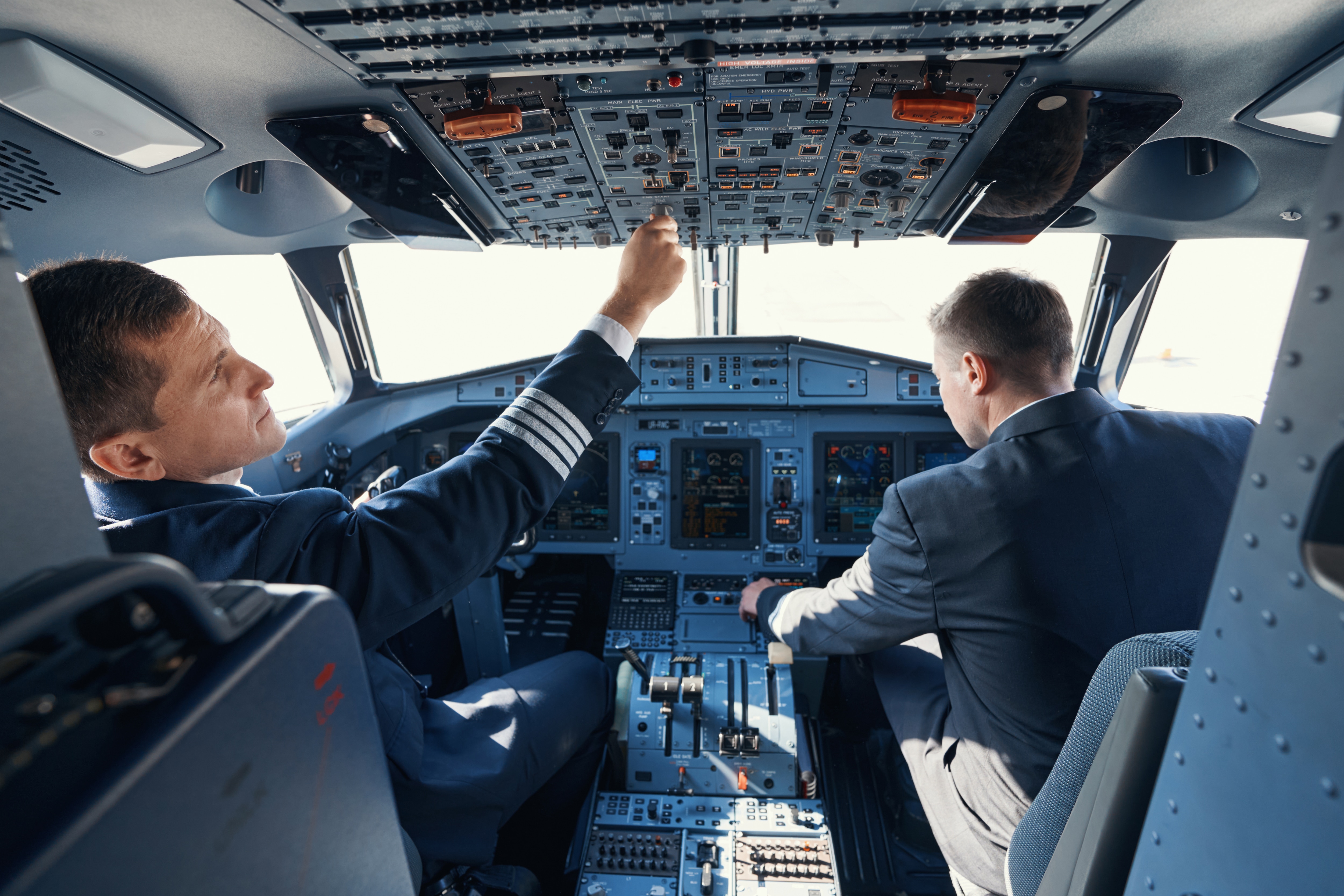
Dual Meals
To avoid simultaneous food poisoning, pilots and co-pilots eat different meals. A 1982 incident inspired this precaution, highlighting how safety extends even to in-flight dining.
- 5/7
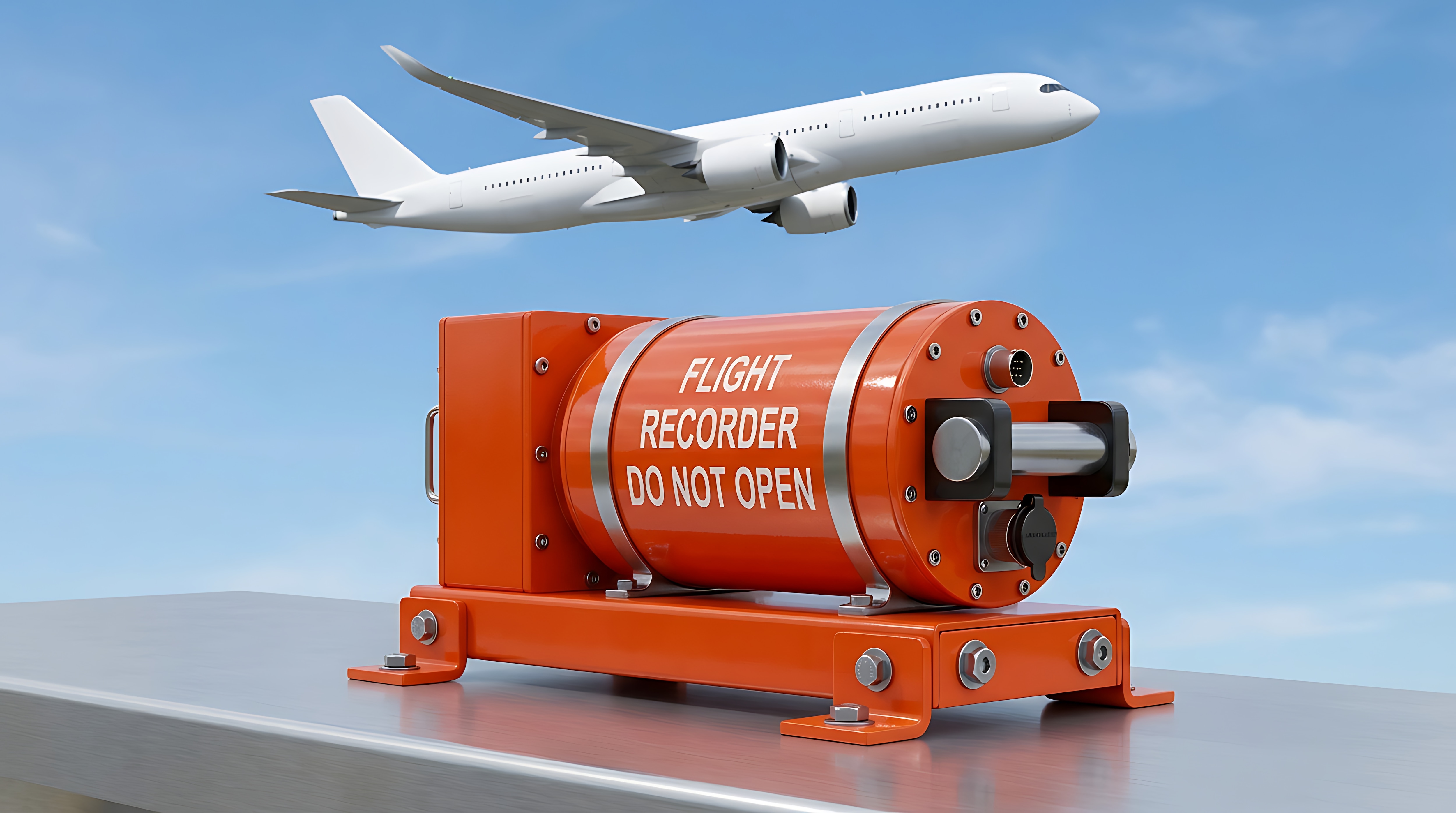
Black Box Reveal
Airplane black boxes aren’t black—they’re bright orange, heat-resistant, and hold critical flight data. This ensures they can be quickly located after crashes, aiding investigations worldwide.
- 6/7
Chicken Guns
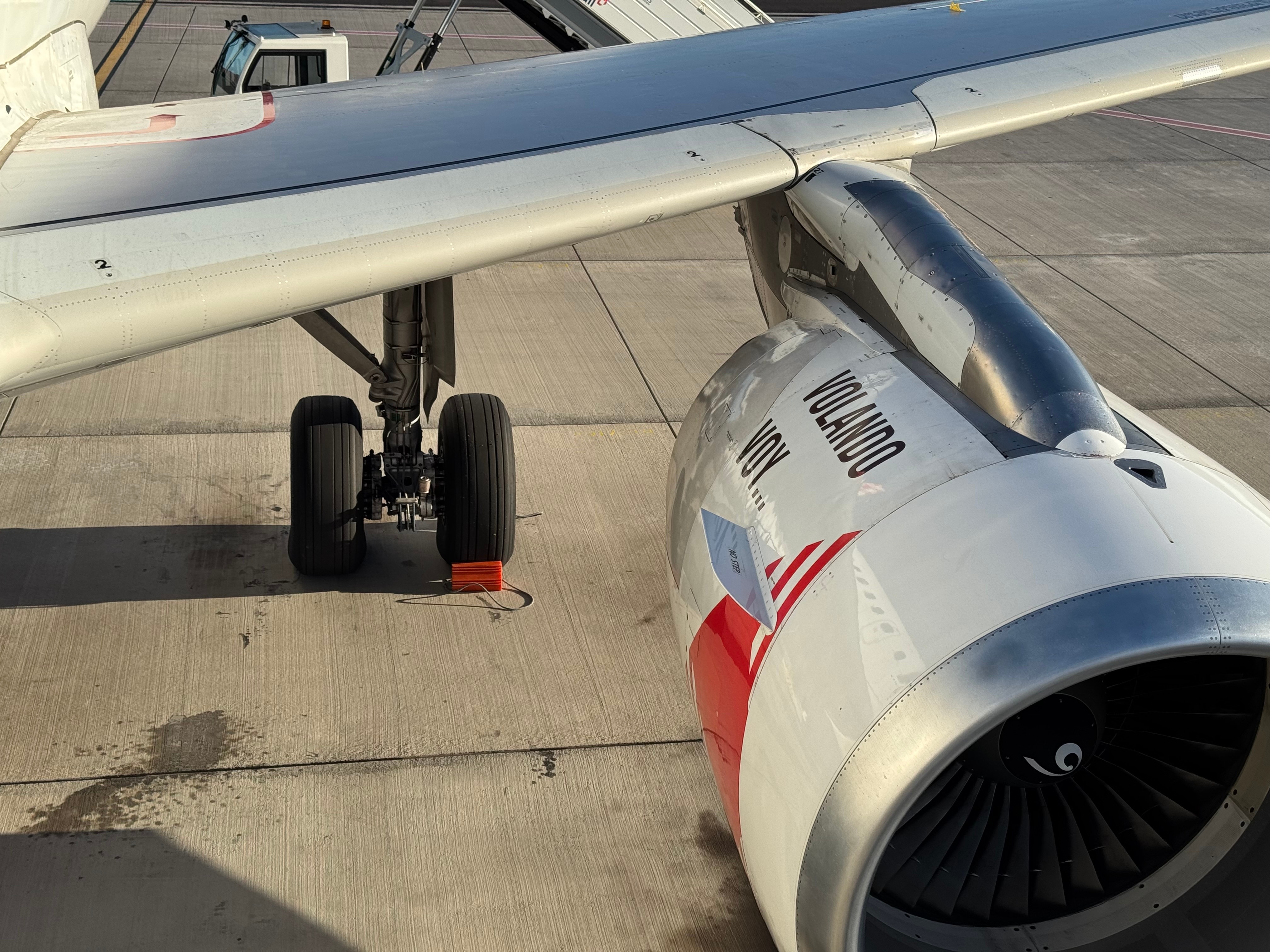
During safety testing, planes are fired upon with dead chickens at high speeds to simulate bird strikes. This shocking test ensures that engines and windshields can withstand real-world collisions.
- 7/7
Airborne Taste
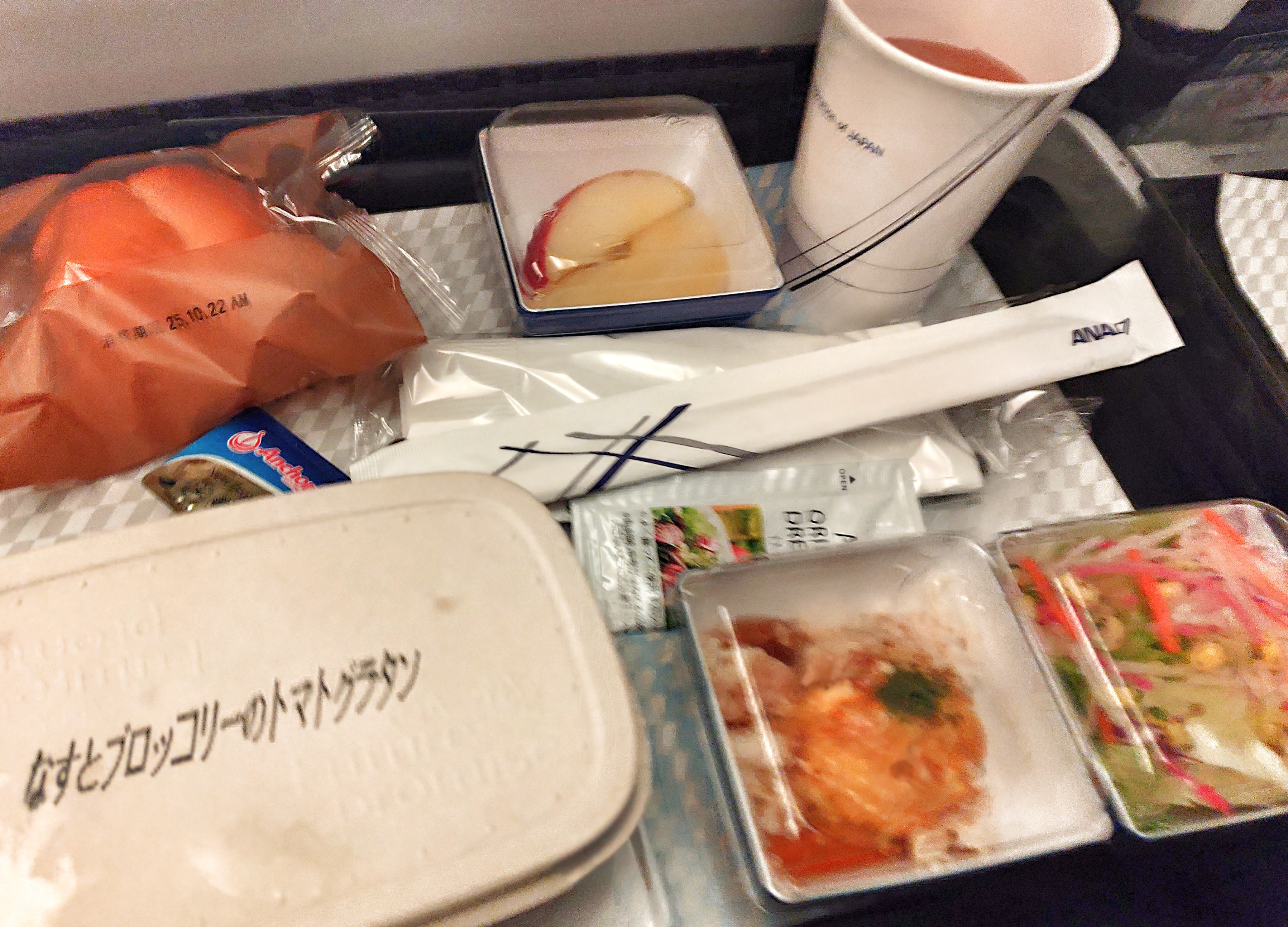
Cabin altitude and dry air affect taste buds: sweet flavors diminish while salty ones heighten. Studies like Cornell University’s 2015 research show why airplane food often tastes bland or unusual.