
Ancient ice, modern warning: scientists decode Earth’s oldest climate record
U.S. scientists have discovered 6-million-year-old ice in Antarctica, containing the oldest trapped air ever found — offering rare insights into how a warmer Earth once behaved.
- Oct 31, 2025,
- Updated Oct 31, 2025 11:55 AM IST
- 1/9
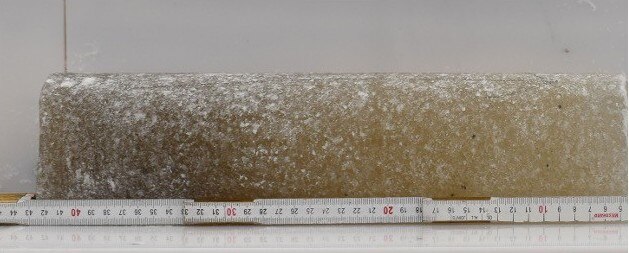
Six million years locked in ice — a discovery in Antarctica’s Allan Hills reveals not just ancient glaciers but the frozen breath of a much warmer Earth, preserved in microscopic air bubbles.
- 2/9
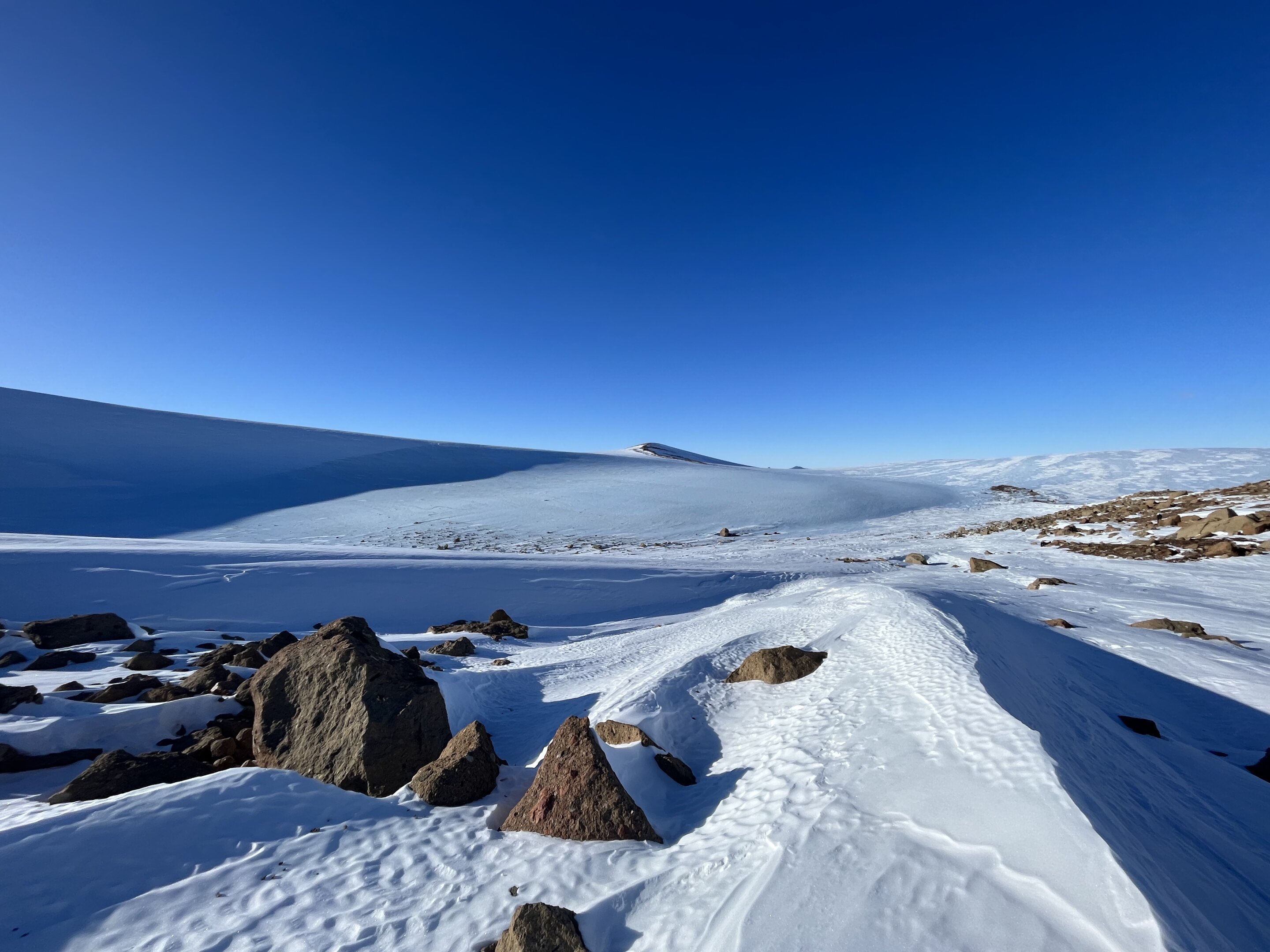
These timeworn ice cores are more than frozen water — they’re atmospheric archives holding the fingerprints of ancient greenhouse gases, offering a chilling contrast to today’s warming world. (Credit: Julia Marks Peterson, COLDEX)
- 3/9
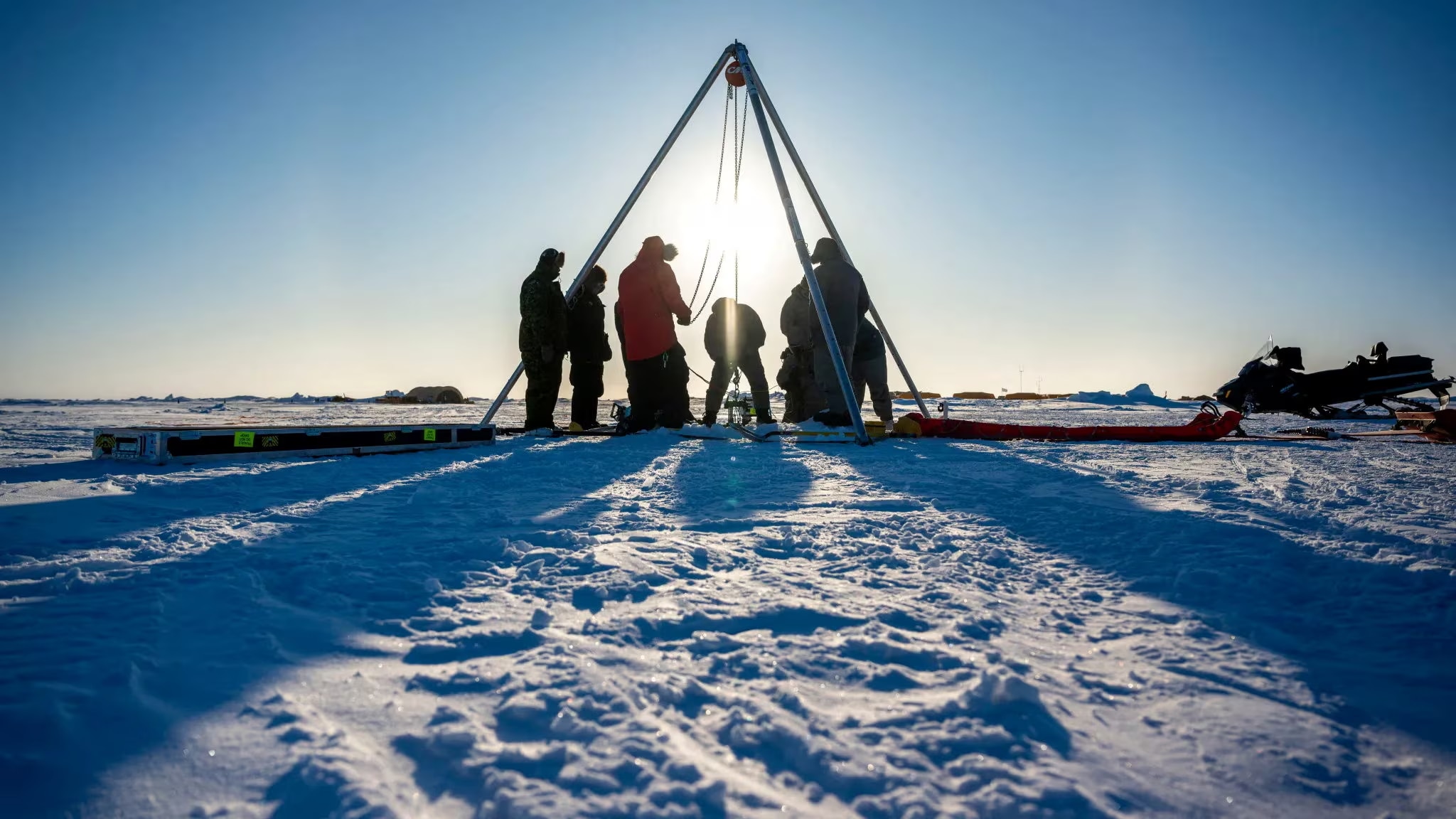
Tiny air bubbles trapped inside the ice carry whispers of Earth’s past climate, letting scientists breathe in what the atmosphere was like when sea levels towered higher and forests spread across the poles.
- 4/9
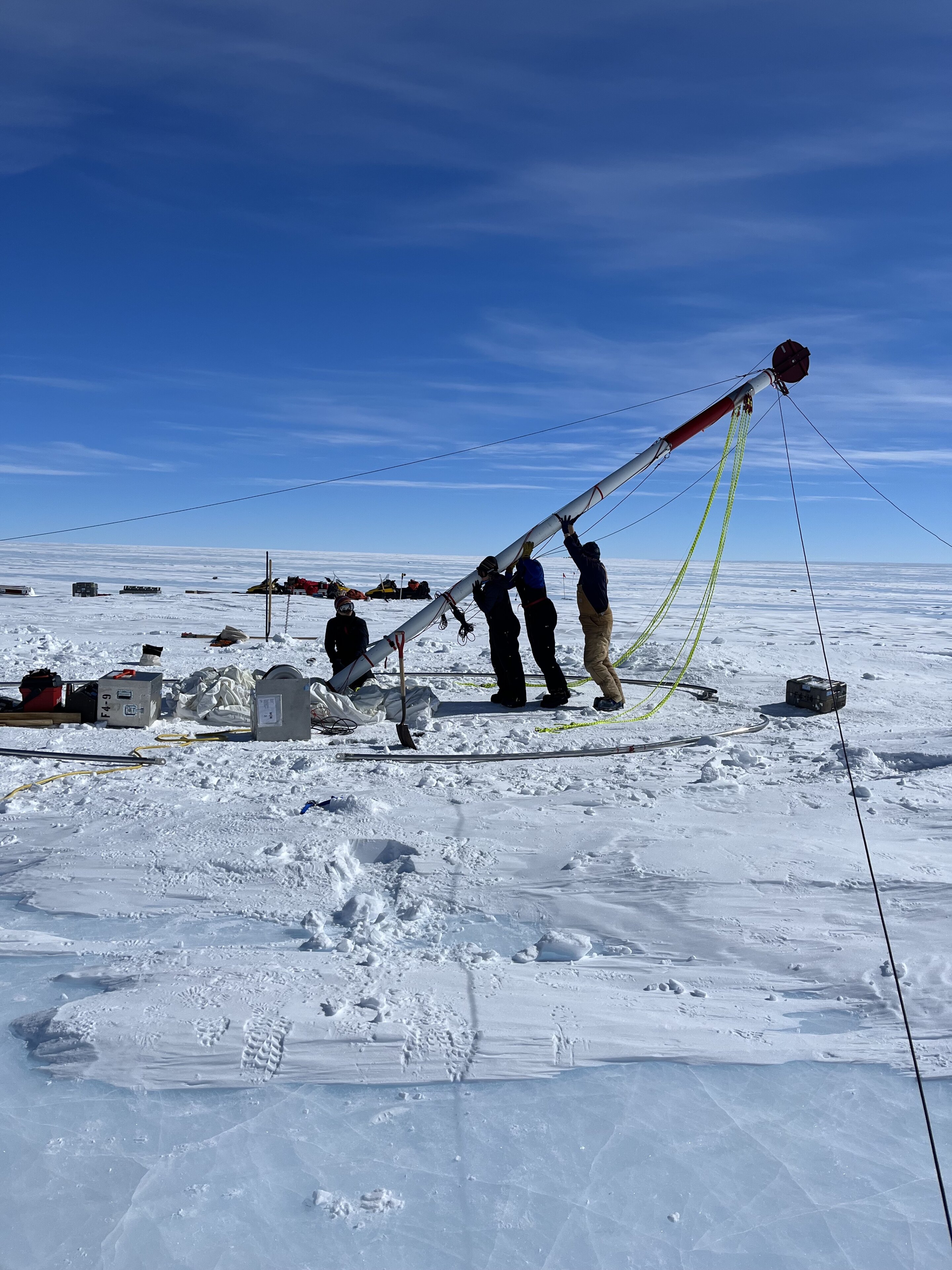
Led by Sarah Shackleton and John Higgins, the COLDEX team struck geological gold — ice twice as old as expected, found mere hundreds of meters below the surface in one of Earth’s harshest places. (Credit: Julia Marks Peterson, COLDEX)
- 5/9
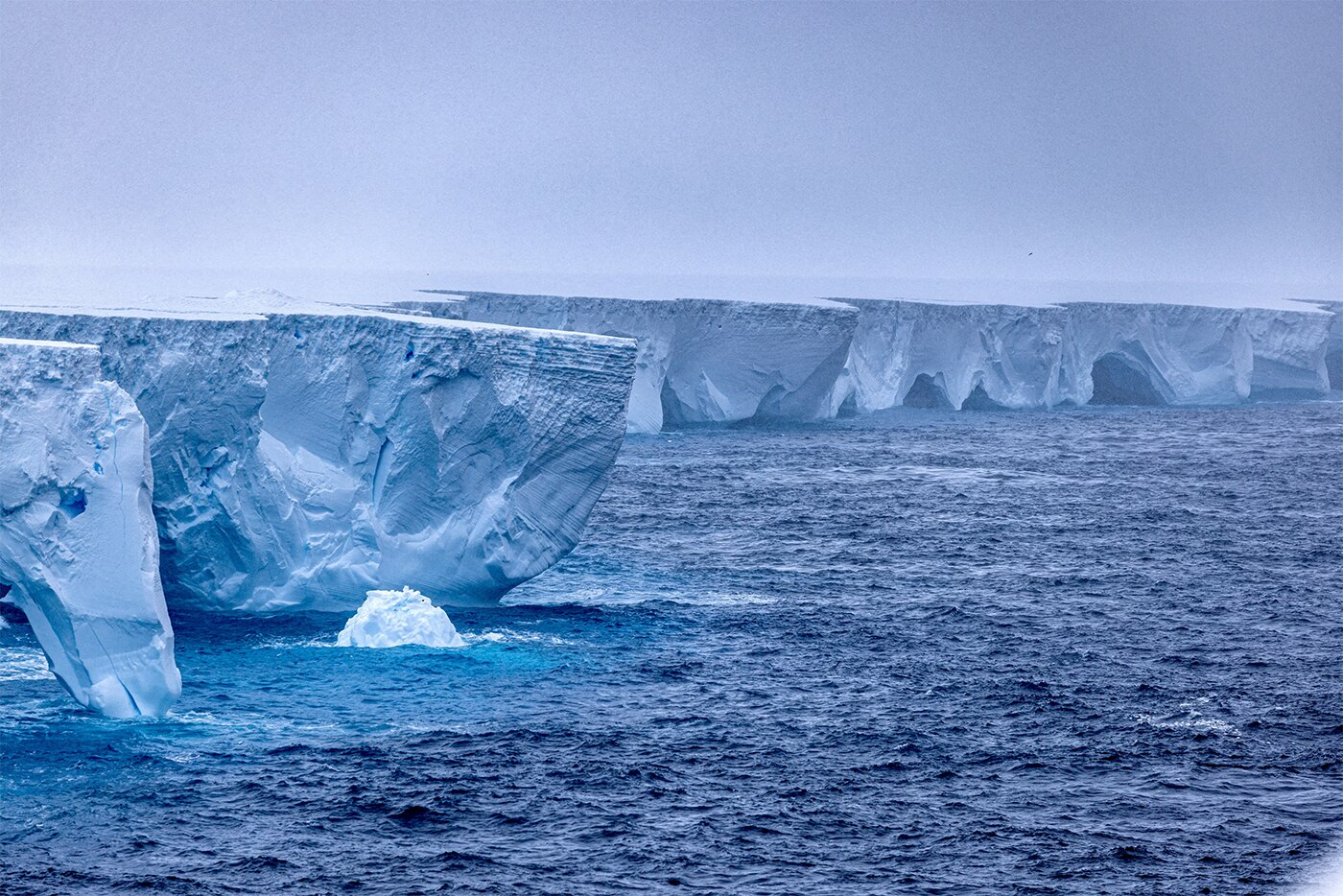
Blistering winds, bone-cracking cold, and strange topography combined to freeze time itself — scientists believe this perfect storm preserved ancient ice so close to the surface for millions of years. (Representative pic)
- 6/9
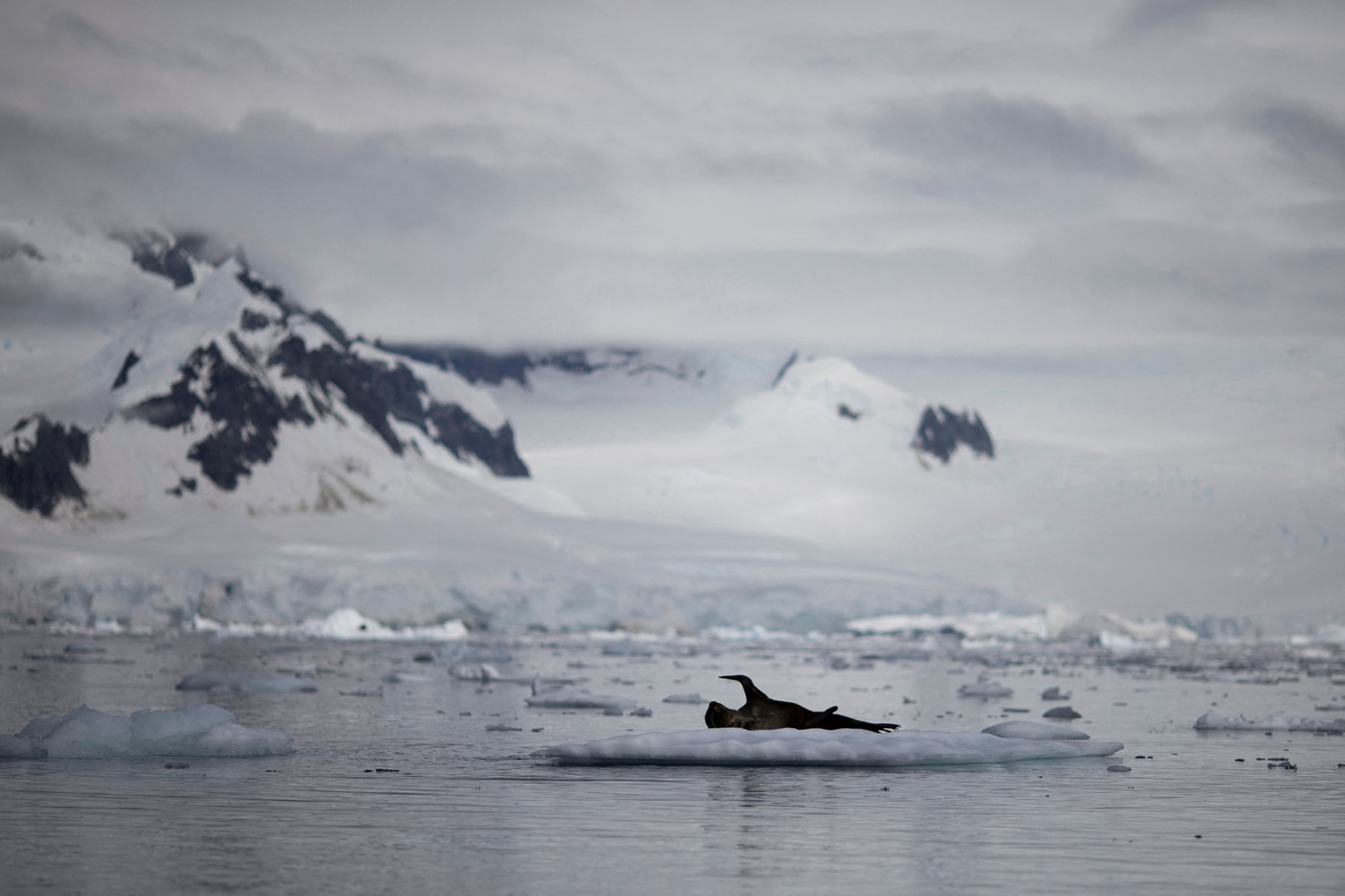
The ice tells a 12°C cooling story — a slow planetary shift from a lush, temperate Antarctica to the frozen desert we know today, written in the isotopic codes of ancient oxygen molecules. (Representative pic)
- 7/9
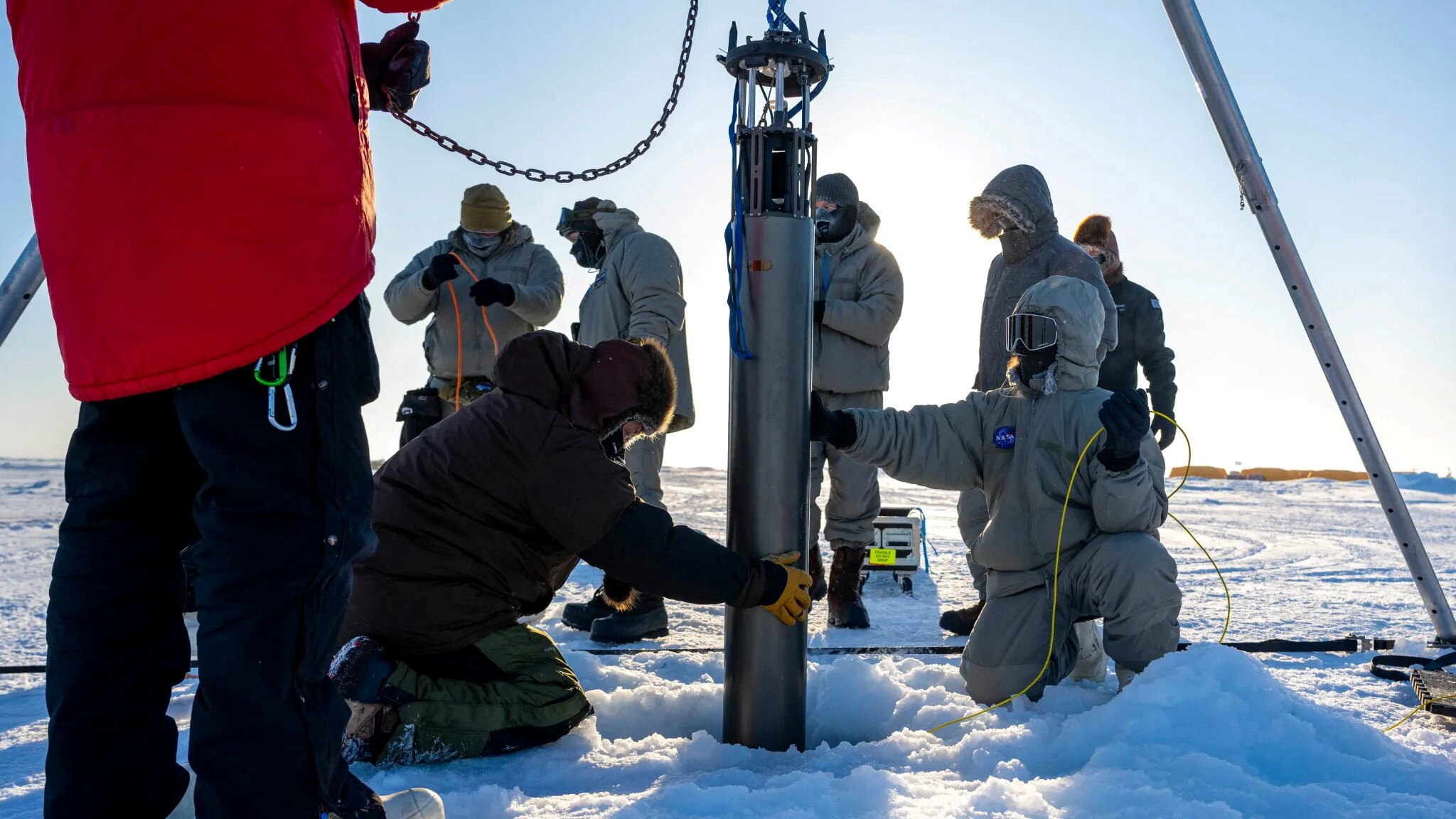
By measuring argon isotopes inside the trapped air, scientists directly dated the ice — no geological guesswork, just pure physics revealing Earth’s oldest breath, untouched for eons. (Representative pic)
- 8/9
COLDEX’s discovery leapfrogs global rivals in the quest for Earth’s oldest ice, pushing past Europe’s 1.2-million-year record and setting a new benchmark for paleoclimate research.

- 9/9
These “climate snapshots” could help decode Earth’s past and forecast its future — revealing how natural warming once shaped the planet, and what that means for humanity’s modern heatwave.