
Beyond Hormuz: The global oil routes that power the world economy
From the Strait of Hormuz to the Malacca Strait, a few narrow waterways move a huge share of the world’s oil. These maritime chokepoints keep global energy supply flowing.
- Mar 9, 2026,
- Updated Mar 9, 2026 4:12 PM IST
- 1/9
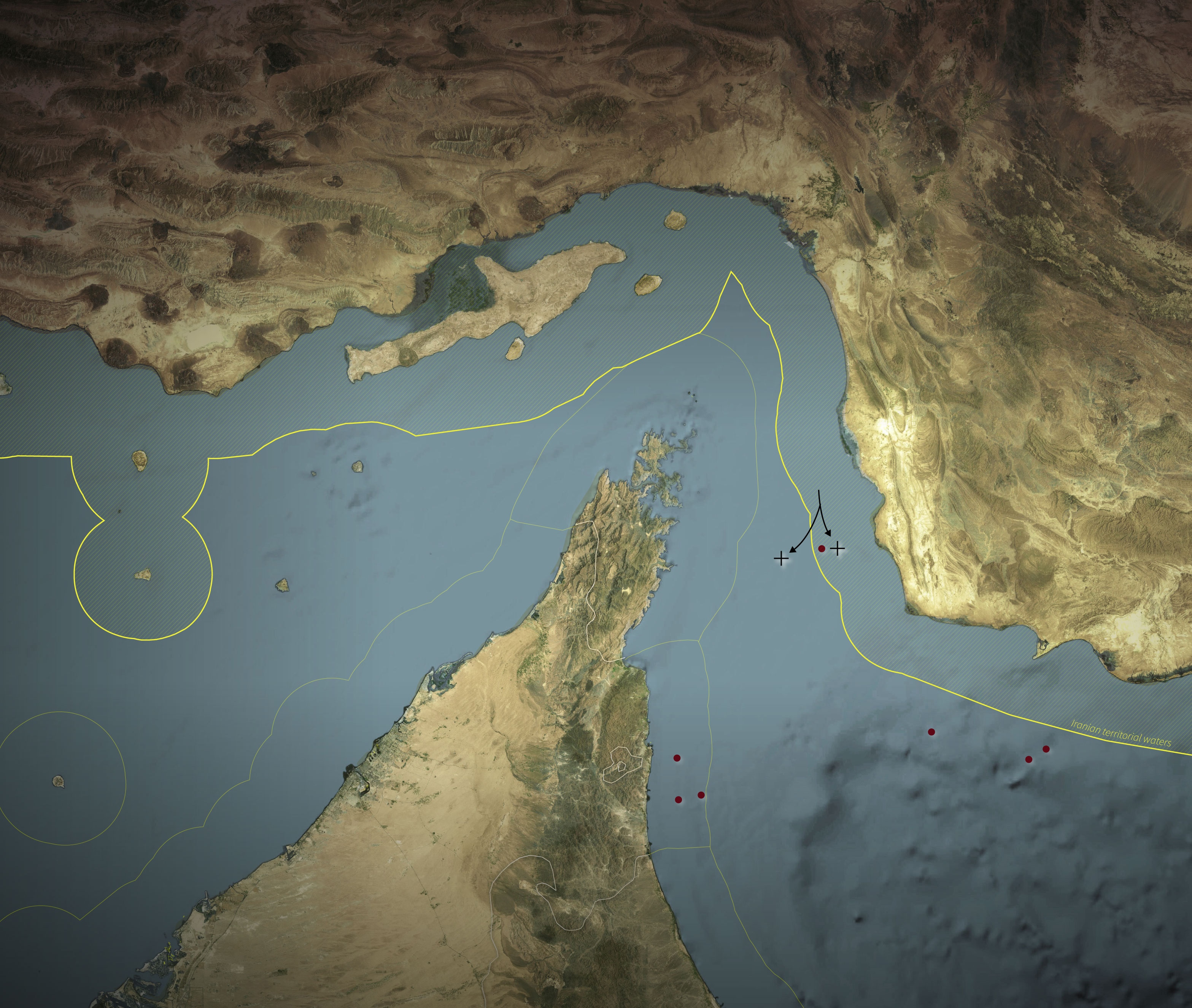
The ongoing Iran–Israel conflict has placed one of the world’s most critical energy corridors — the Strait of Hormuz — under intense global scrutiny. Nearly 20% of the world’s oil supply passes through this narrow waterway, according to the U.S. Energy Information Administration (EIA). Even the possibility of disruption has already pushed crude prices higher and rattled energy markets.
- 2/9
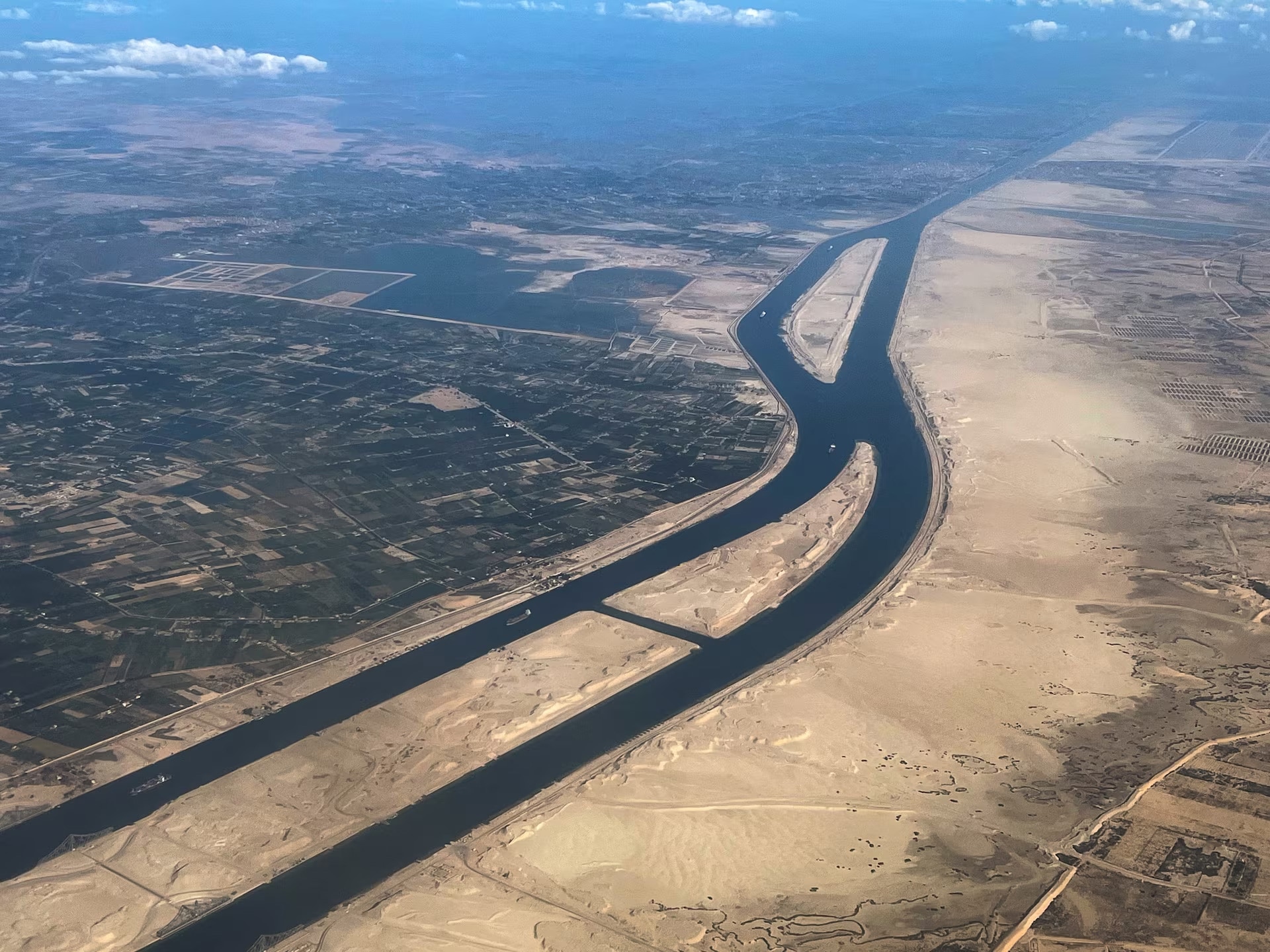
Cutting through Egypt, the Suez Canal is one of the most critical maritime shortcuts on Earth. It links the Mediterranean Sea to the Red Sea, allowing tankers to avoid the long journey around Africa. According to the Suez Canal Authority, about 12% of global trade passes through it, making it vital for oil shipments between Europe and Asia.
- 3/9
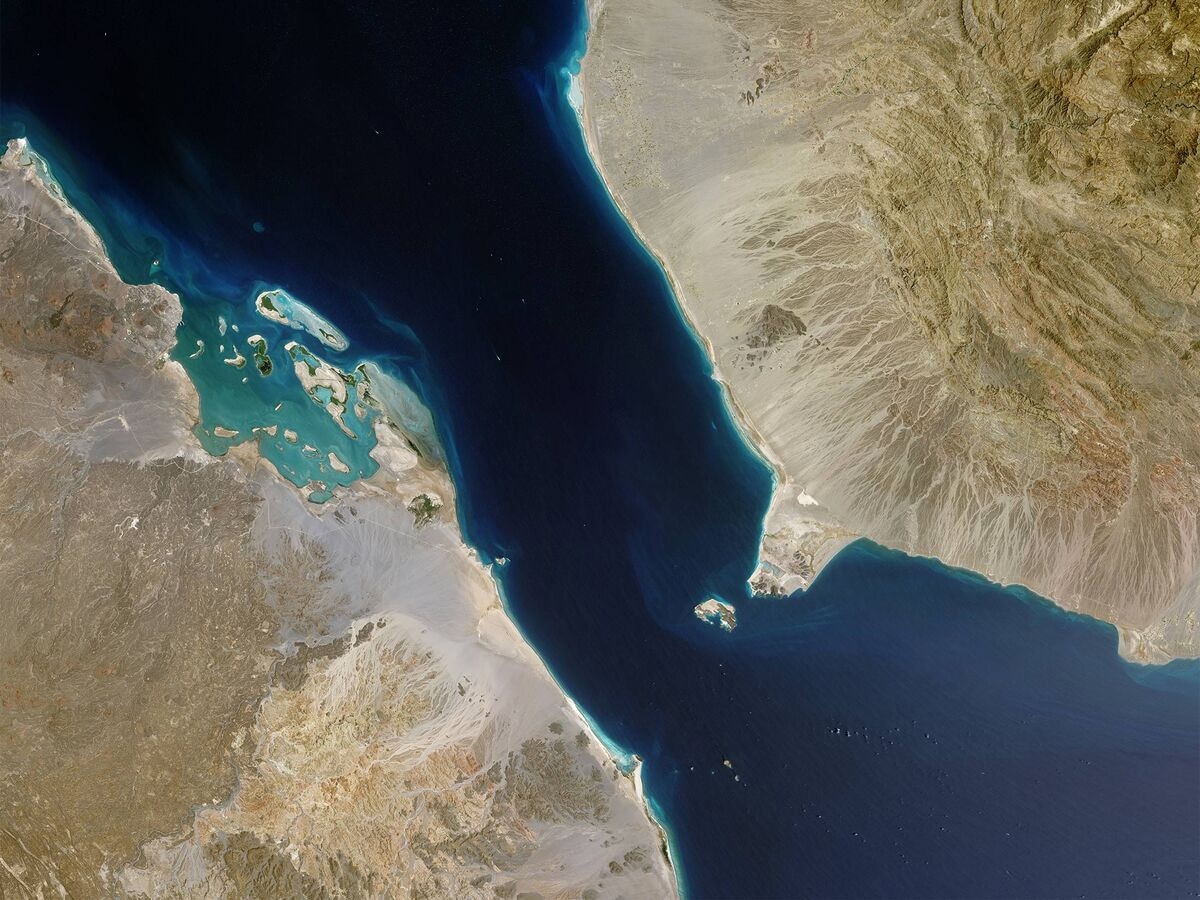
At the southern entrance of the Red Sea lies the Bab-el-Mandeb Strait, a narrow gateway connecting the Middle East to global markets. Around 6 million barrels of oil per day transit this passage, according to EIA estimates. Any instability in this region could quickly disrupt shipping lanes between Europe and Asia.
- 4/9
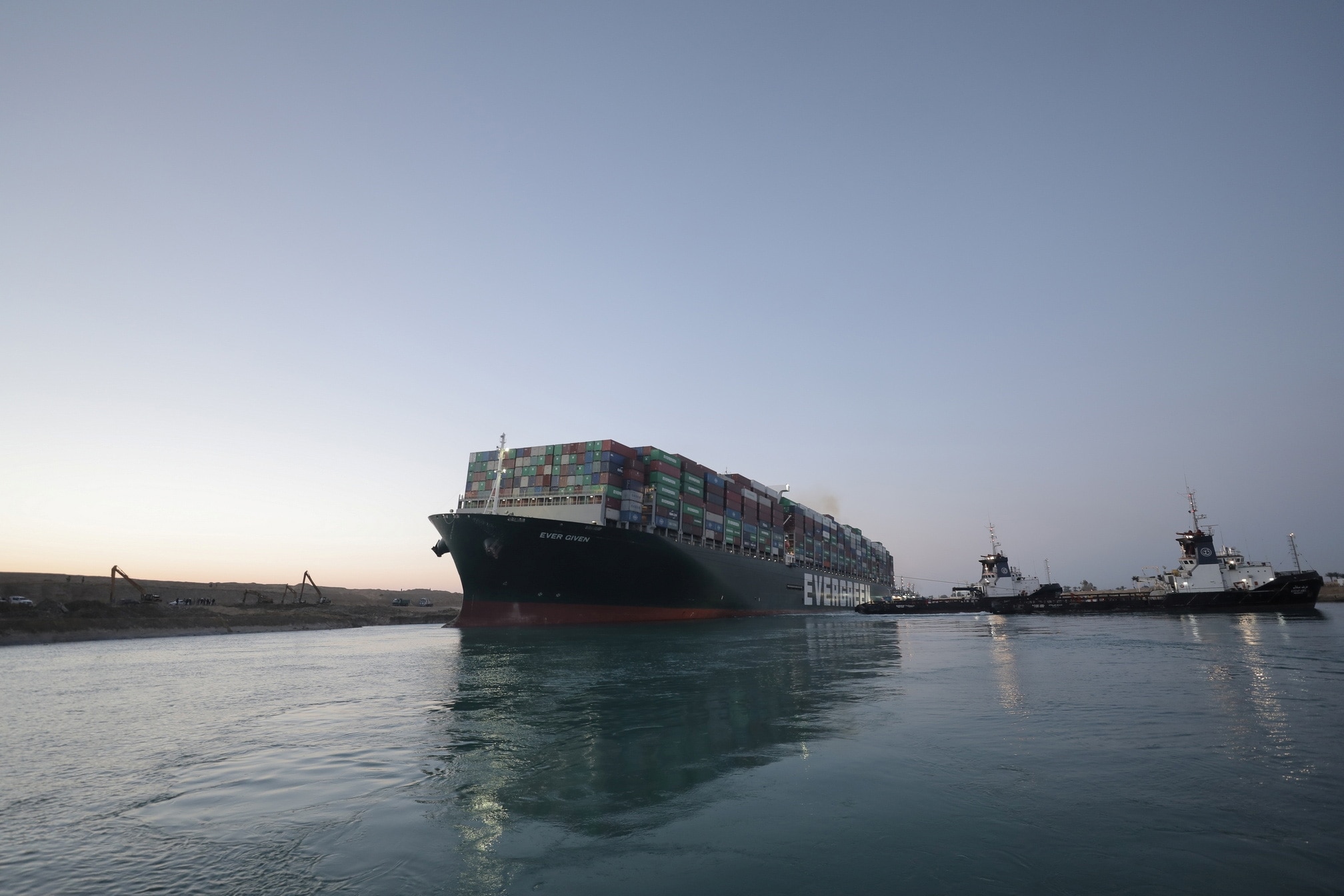
The Strait of Malacca, stretching between Malaysia, Indonesia and Singapore, is the main oil highway linking the Middle East with East Asia. According to international shipping data, over 16 million barrels of oil move through this route daily, supplying major economies like China, Japan and South Korea.
- 5/9
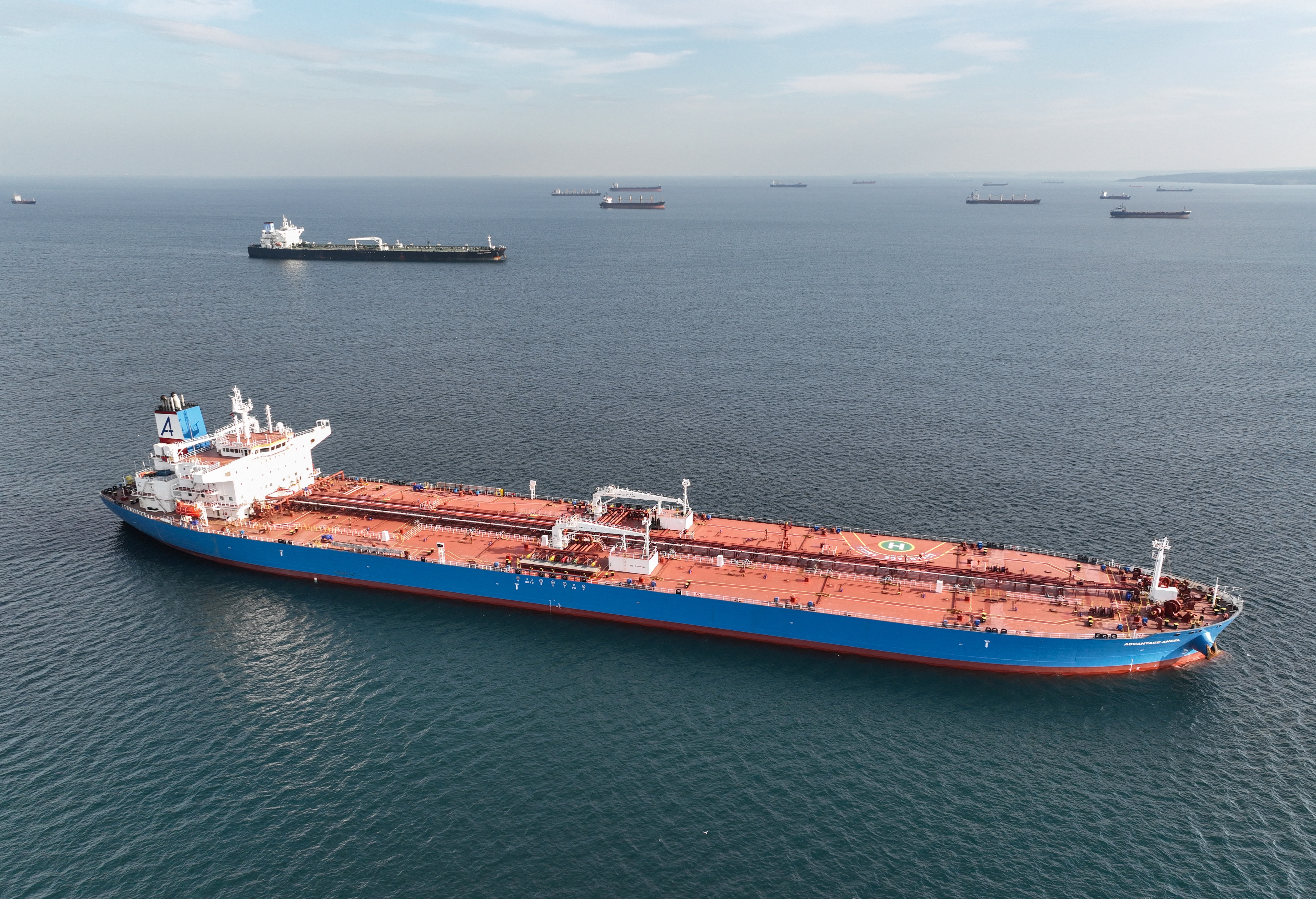
These maritime corridors function like arteries in the global economy. Oil tankers carry energy across continents through these narrow waterways. If even one route is blocked, shipping costs surge and fuel prices around the world can spike within days.
- 6/9
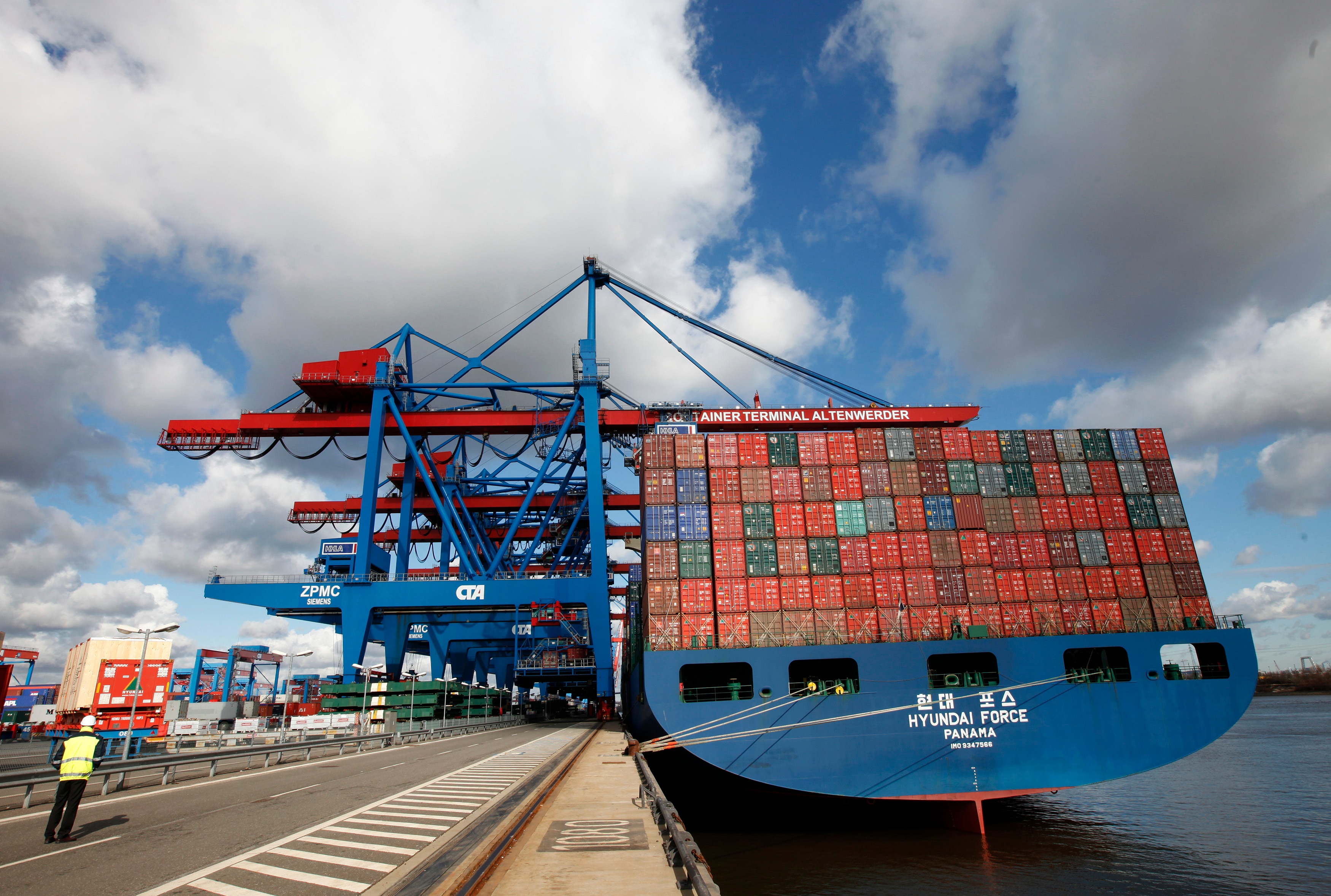
The global economy relies heavily on uninterrupted maritime trade. According to the United Nations Conference on Trade and Development (UNCTAD), around 80% of global trade by volume travels by sea, making strategic shipping chokepoints vital to economic stability.
- 7/9
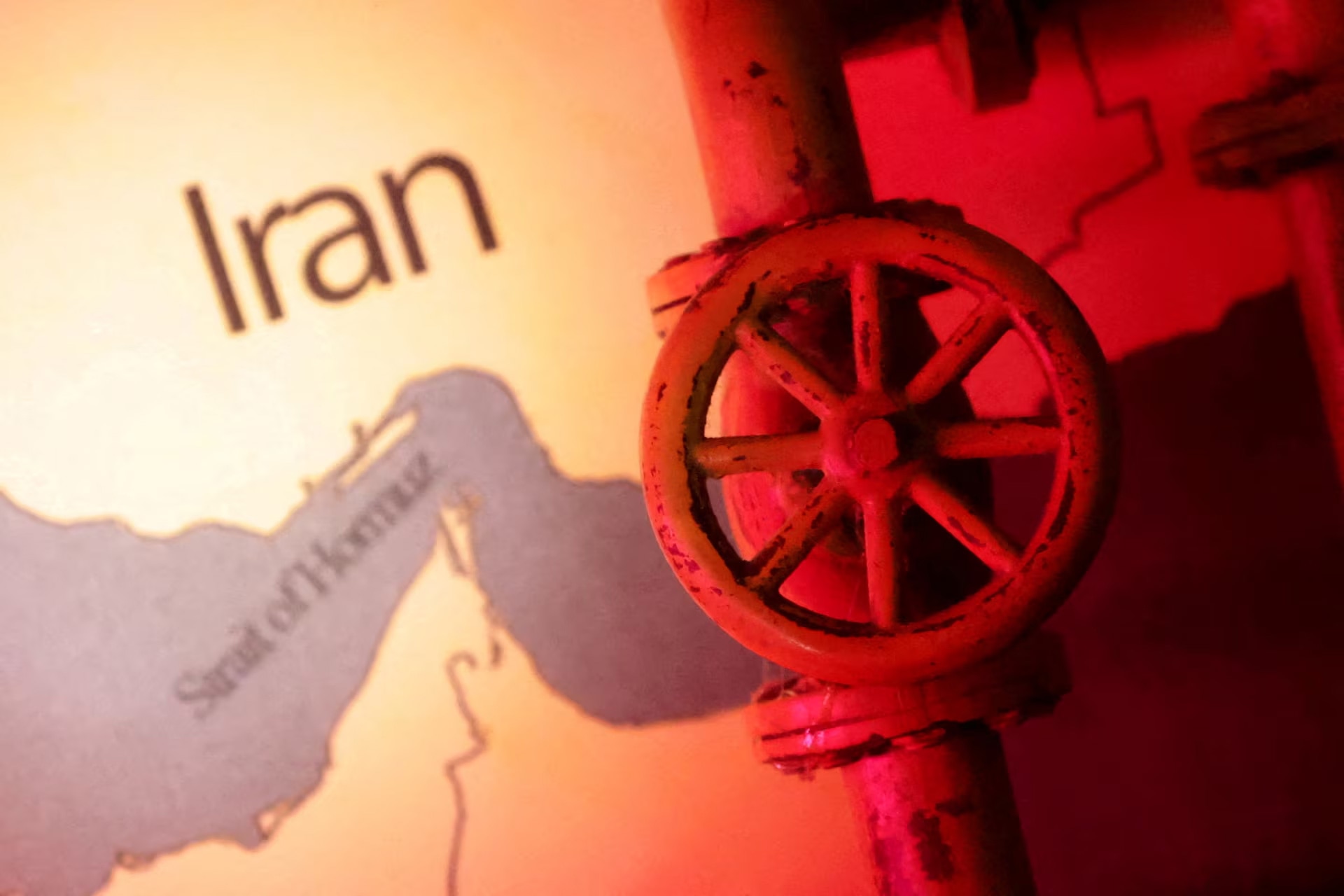
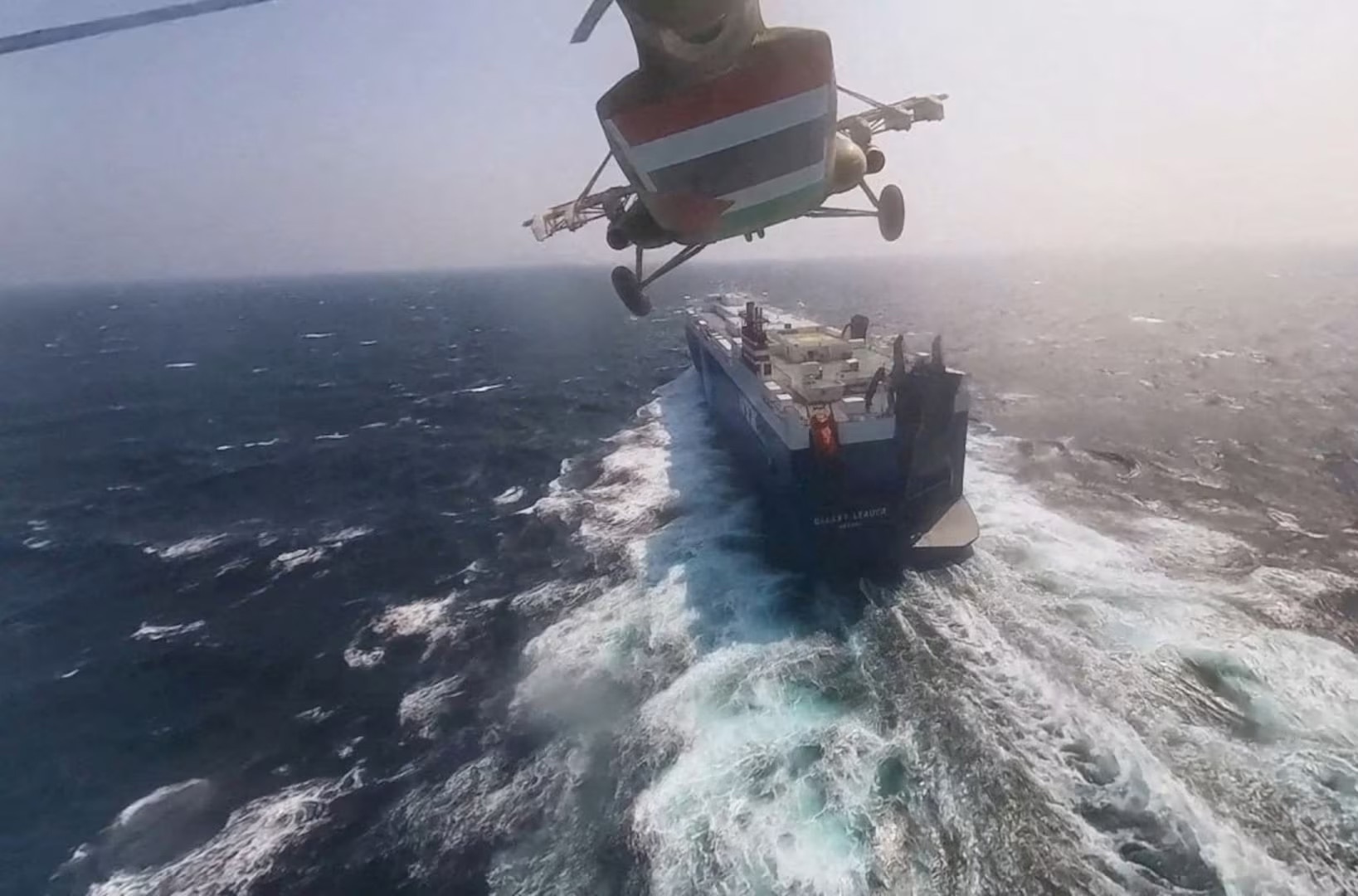
Political tensions, piracy, naval blockades and accidents can instantly threaten these routes. Past incidents in the Strait of Hormuz and Red Sea demonstrate how quickly oil tankers can become targets during geopolitical conflicts.
- 8/9
Energy analysts warn that disruptions in any of these oil corridors could trigger immediate price volatility. Even rumors of blockades or military tension often push global crude prices higher as markets react to potential supply shortages.
- 9/9
Control over maritime chokepoints has shaped geopolitics for decades. Nations invest heavily in naval power to secure these routes, knowing that safeguarding energy supply lines is essential to economic and national security.