
Big money cricket: The costliest buys that shaped IPL 2026
IPL 2026 rewrote auction economics as teams splurged on versatility, pace and potential, with Cameron Green headlining a list that signals a bold new valuation era.
- Dec 17, 2025,
- Updated Dec 17, 2025 6:06 PM IST
- 1/9
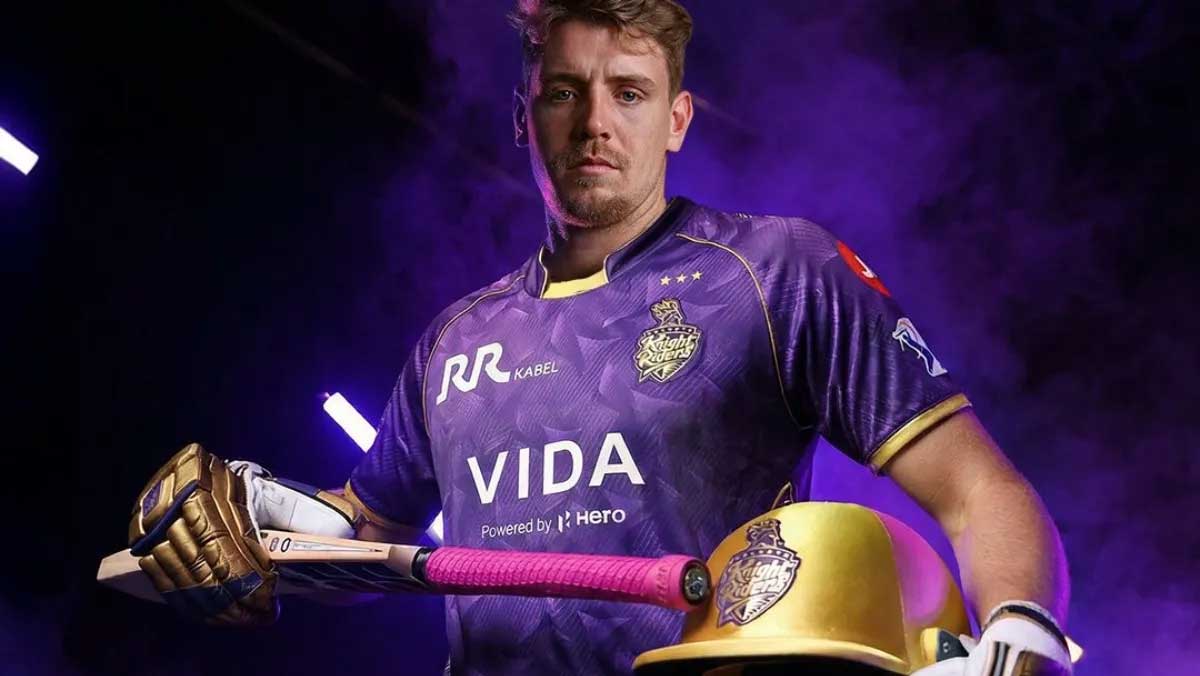
Cameron Green’s ₹25.2 crore move to KKR wasn’t just the auction’s biggest cheque—it was a declaration. Franchises chased versatility over flash, betting that Green’s dual skillset could anchor multiple match situations in a season increasingly defined by flexibility.
- 2/9
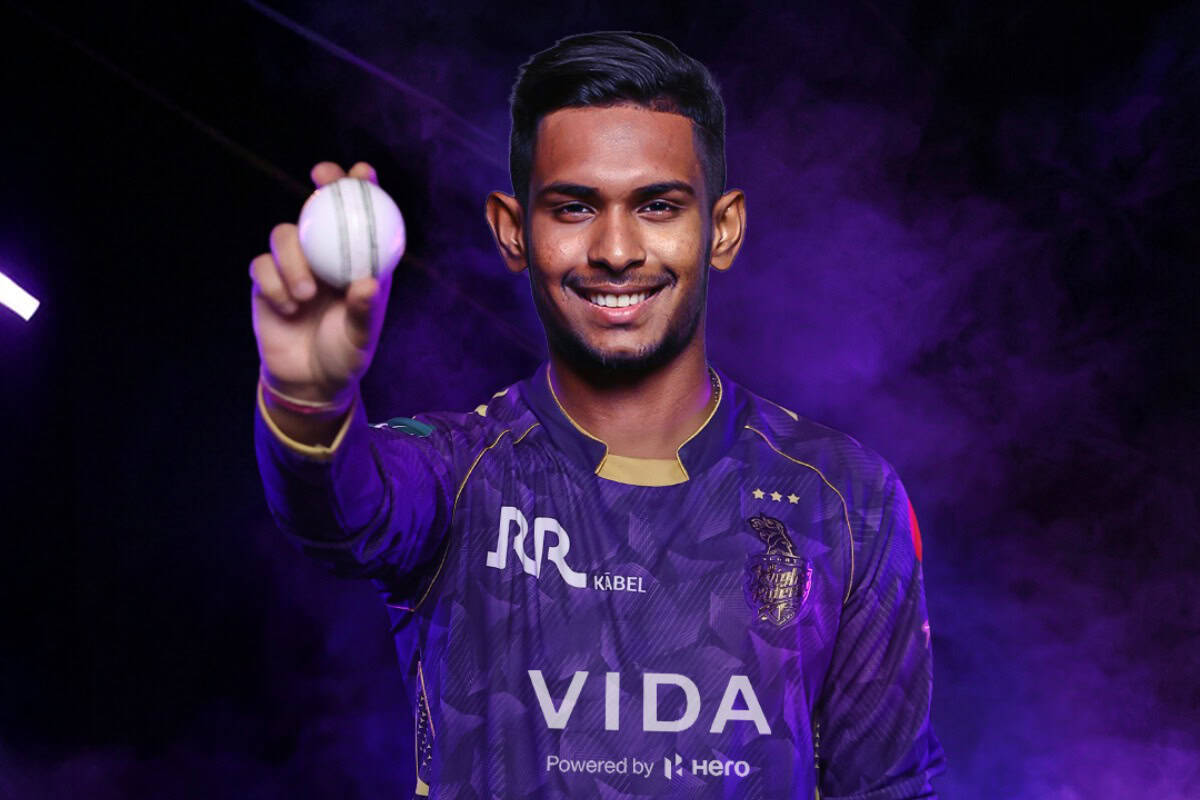
At ₹18 crore, Matheesha Pathirana proved that raw pace plus mystery still breaks banks. Analysts note franchises are paying not for current stats but for future-proof bowlers who can survive flat pitches, impact-player rules and unforgiving death overs.

- 3/9
CSK doubling down with ₹14.2 crore buys for Prashant Veer and Kartik Sharma shows belief over buzz. Insiders say Chennai’s data-led scouting prioritised temperament and adaptability—qualities harder to spot on highlight reels but vital in long tournaments.
- 4/9
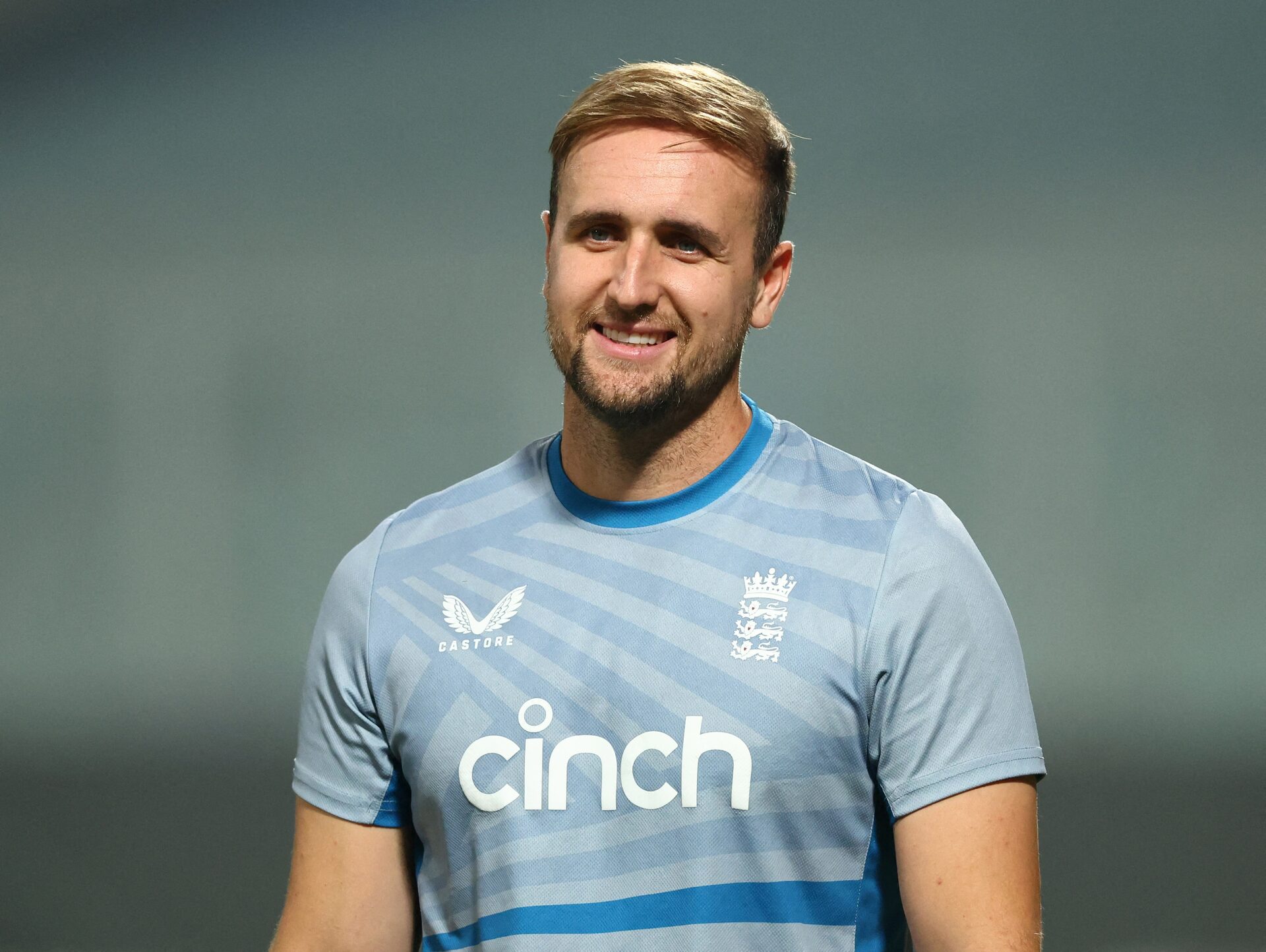
Liam Livingstone’s ₹13 crore price tag reflects T20’s appetite for chaos. His ability to flip games in six balls keeps franchises hooked, even as analysts warn inconsistency remains the tax teams willingly pay for match-winning volatility.

- 5/9
Mustafizur Rahman’s ₹9.2 crore sale to KKR signals renewed trust in cutters over pace. As batting strike rates soar, experts suggest variation—not speed—is the new currency, making the Bangladeshi left-armer suddenly priceless again.

- 6/9
Josh Inglis’ ₹8.6 crore move to Lucknow Super Giants quietly signalled a strategic shift at the IPL 2026 auction. Teams weren’t just buying a wicketkeeper—they were investing in adaptability. Inglis’ ability to float across the batting order, keep cleanly under pressure, and attack spin makes him a plug-and-play asset in a format where flexibility often decides tight games.
- 7/9
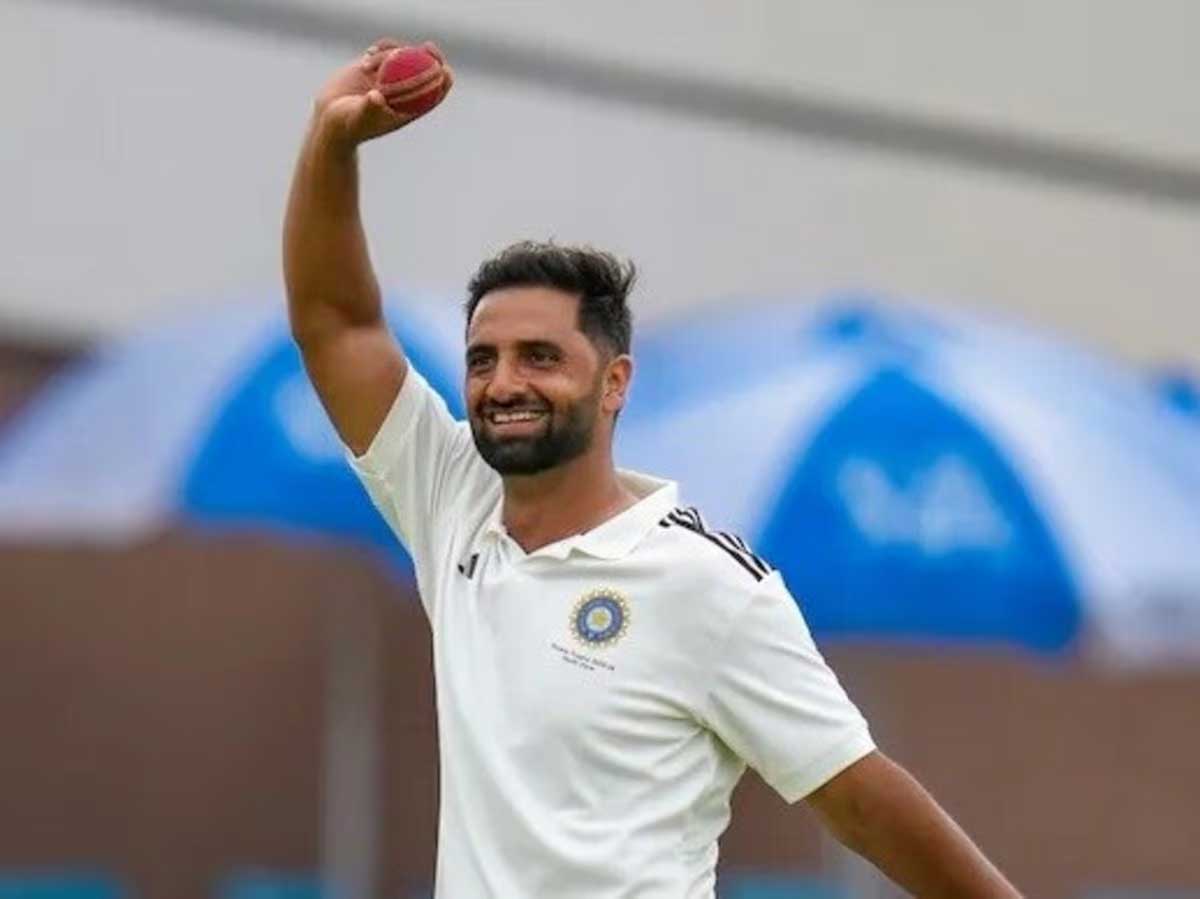
Aqib Dar’s ₹8.4 crore jump stunned many, but scouts argue Delhi Capitals bought trajectory, not reputation. Auction rooms increasingly reward upward curves, where potential growth outweighs past numbers or marquee recognition.
- 8/9
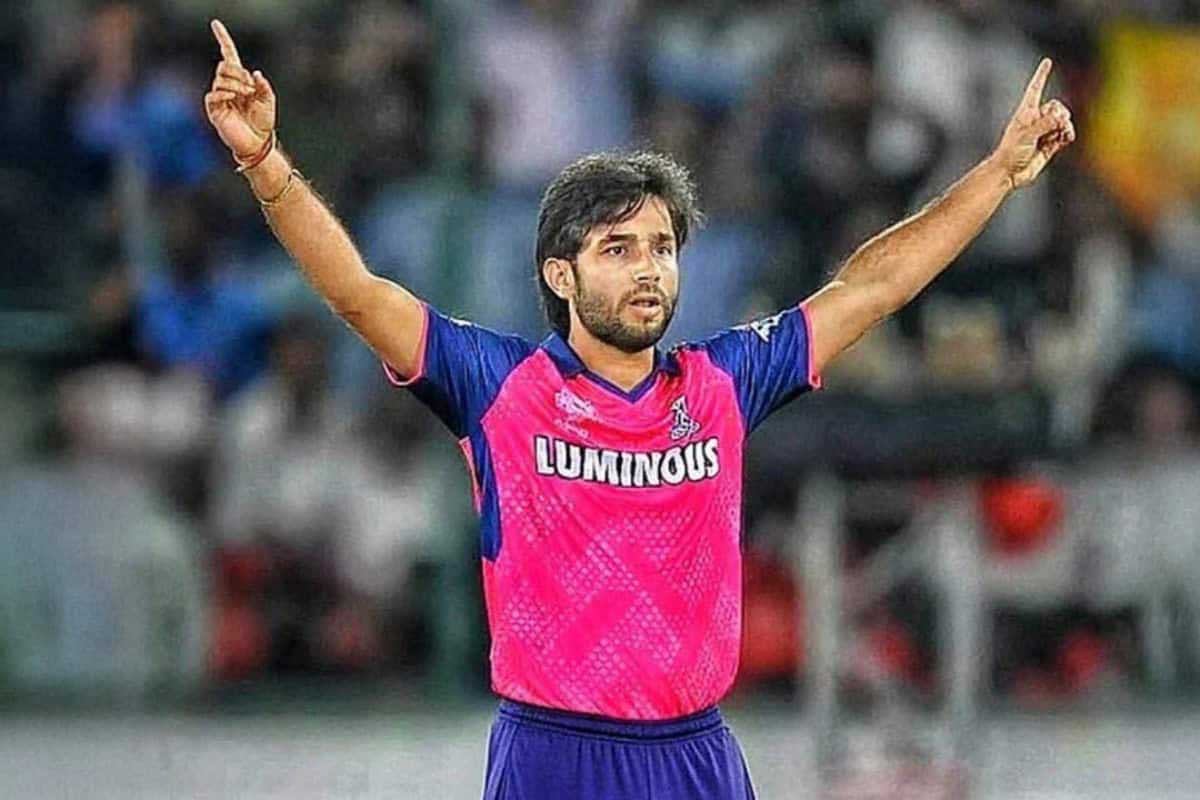
Ravi Bishnoi at ₹7.2 crore may look modest, but leg-spin scarcity inflates value quietly. With impact subs shortening games, wicket-taking spinners who attack rather than contain are being priced as strategic necessities.
- 9/9
From ₹7 crore to ₹25 crore, IPL 2026 exposed auction psychology at work—panic bidding, fear of missing out, and the premium of timing. Economists liken it to high-speed markets where perception often moves faster than performance.