
Blue, red or white — Indian Railways' train colours are actually telling you something important
Blue ICF coaches mean express trains, red LHB means safer and faster, white Vande Bharat means premium travel. Here's what Indian train colours actually tell you about your journey.
- Jul 15, 2026,
- Updated Jul 15, 2026 3:21 PM IST
- 1/6
Step onto any busy Indian railway platform and you will notice trains in distinct shades — deep blue, rich red and sleek white. These are not just design choices. Each colour offers subtle clues about the train, the journey and how modern the experience will be.
- 2/6
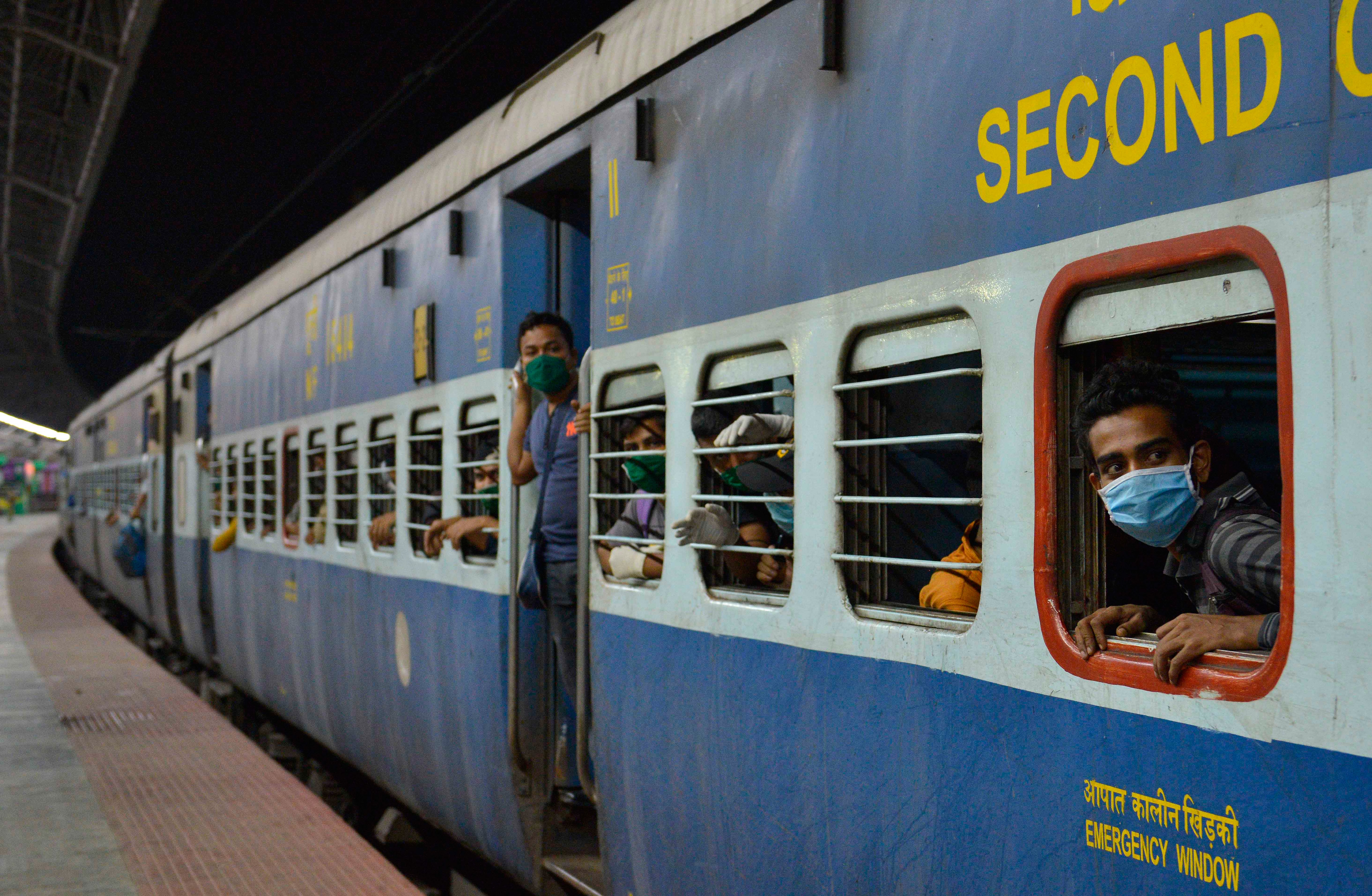
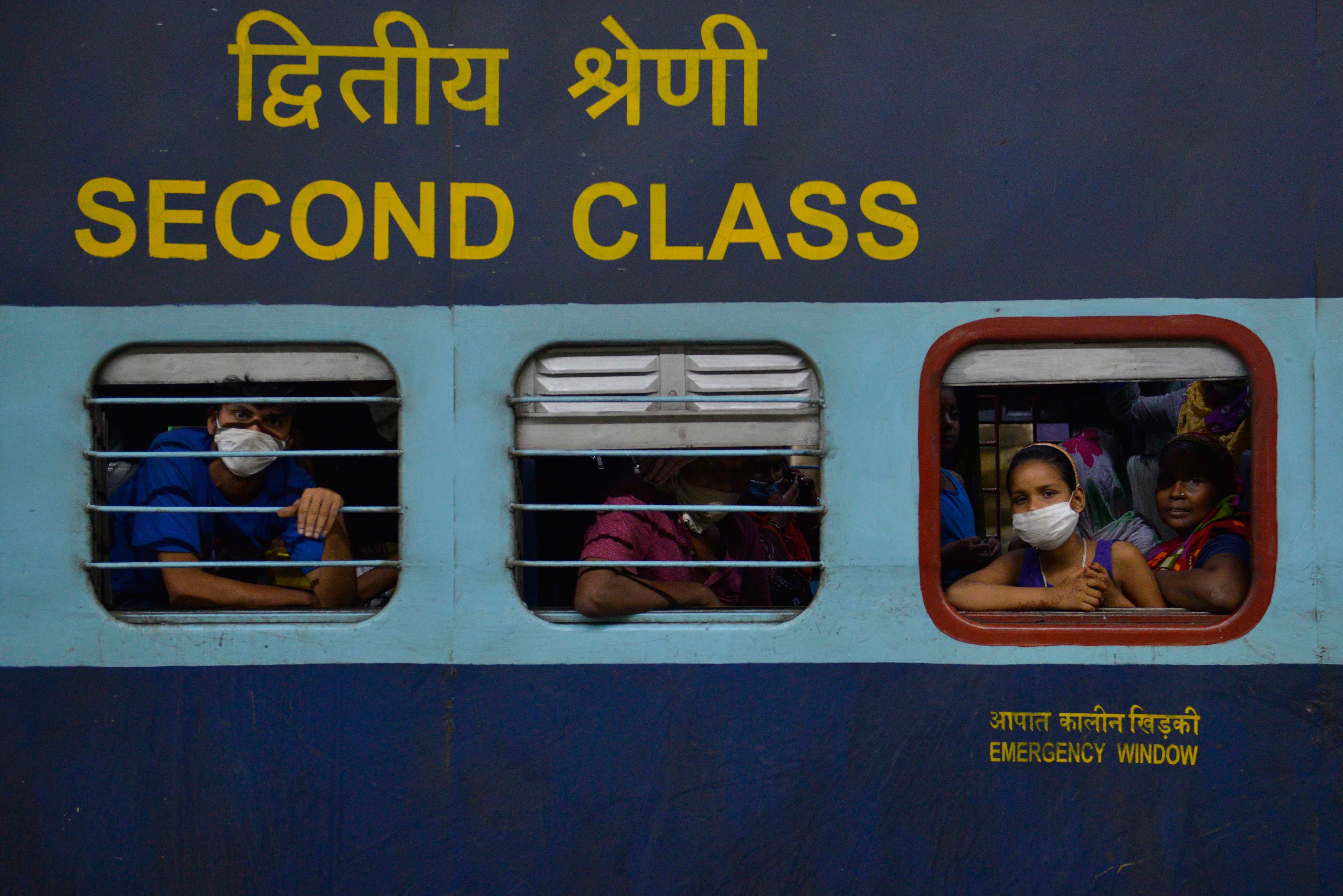
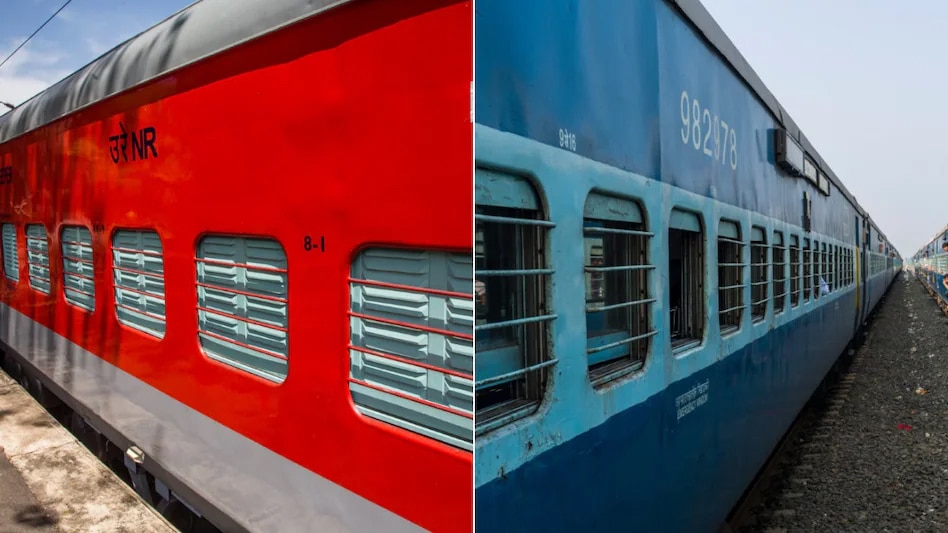
The most common trains across India are blue. These are the older generation Integral Coach Factory (ICF) coaches that have formed the backbone of long-distance travel for decades. A blue train is likely a mail or express service — dependable, budget-friendly and familiar.
- 3/6
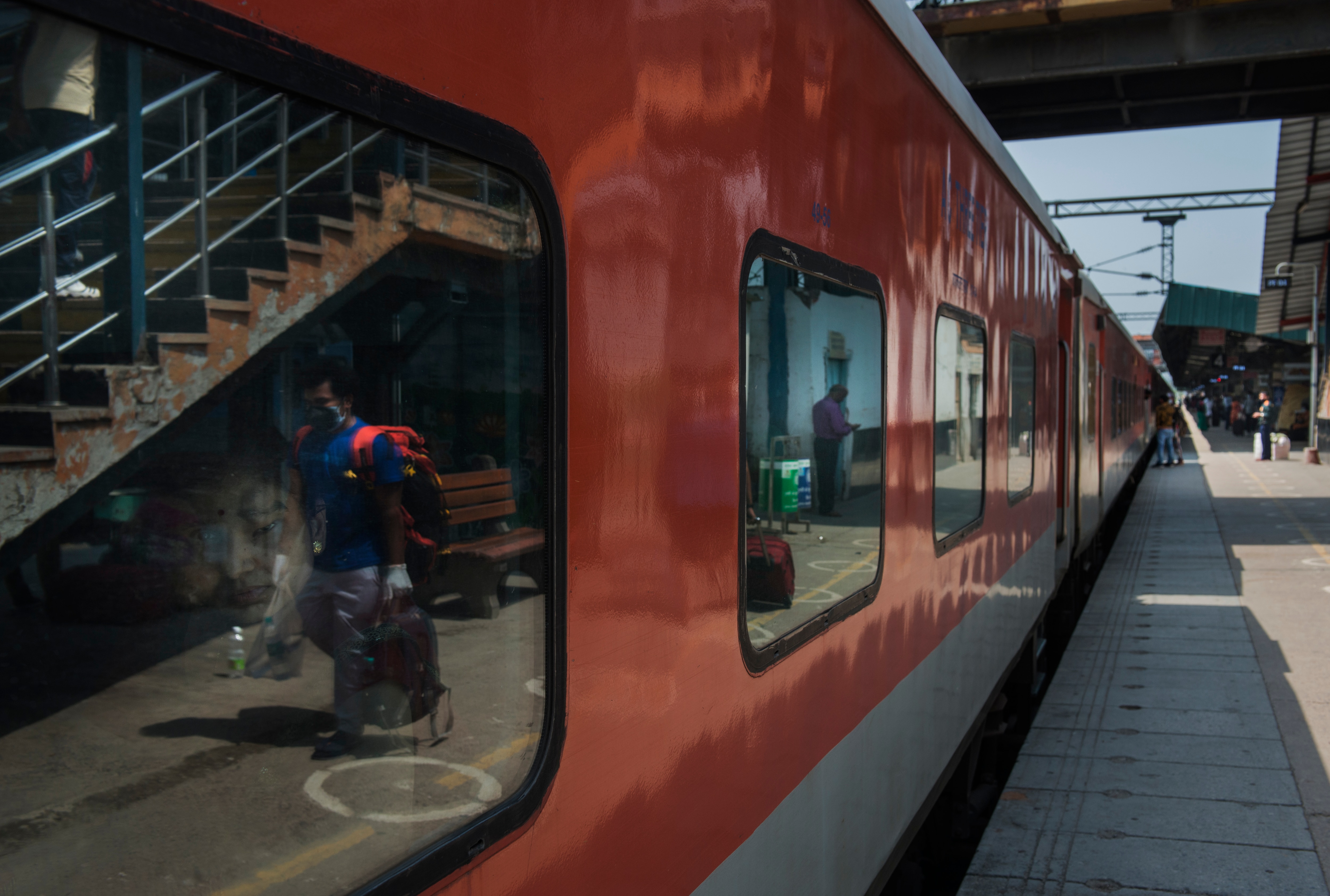
Red or maroon coaches are LHB (Linke-Hofmann-Busch) coaches, introduced to improve safety and comfort. They are designed for higher speeds, offer a smoother ride and are built with better safety features. Many superfast and premium trains now run exclusively on red LHB coaches.
- 4/6
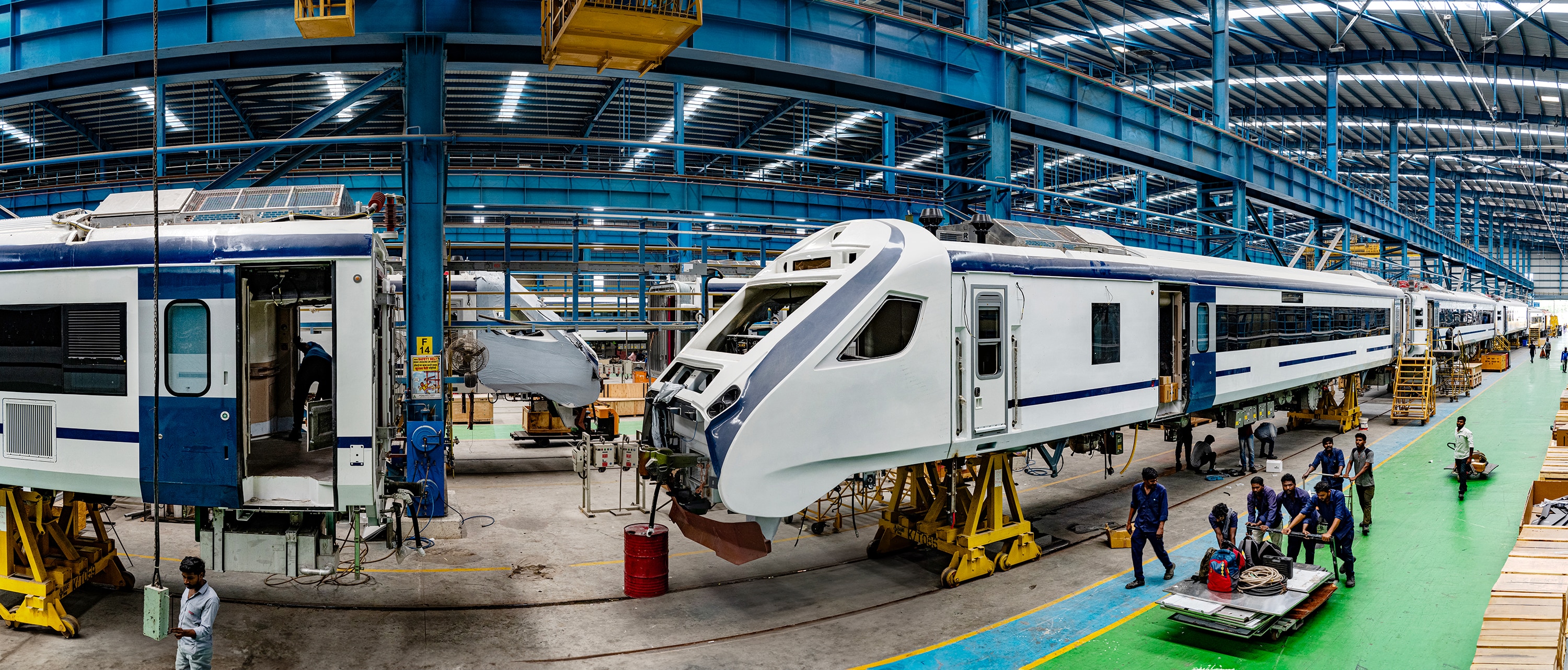
White trains represent a new era. The Vande Bharat Express is the best example — designed as a trainset where the engine and coaches form a single integrated unit. For passengers, white trains mean speed, comfort and a premium travel experience unlike traditional rail.
- 5/6
A red train is not always faster than a blue one, and vice versa. Colours offer a quick visual guide but not the complete picture. Always check the type of train — Express, Superfast or Rajdhani — your coach class, and the ticket details for a full understanding of your journey.
- 6/6
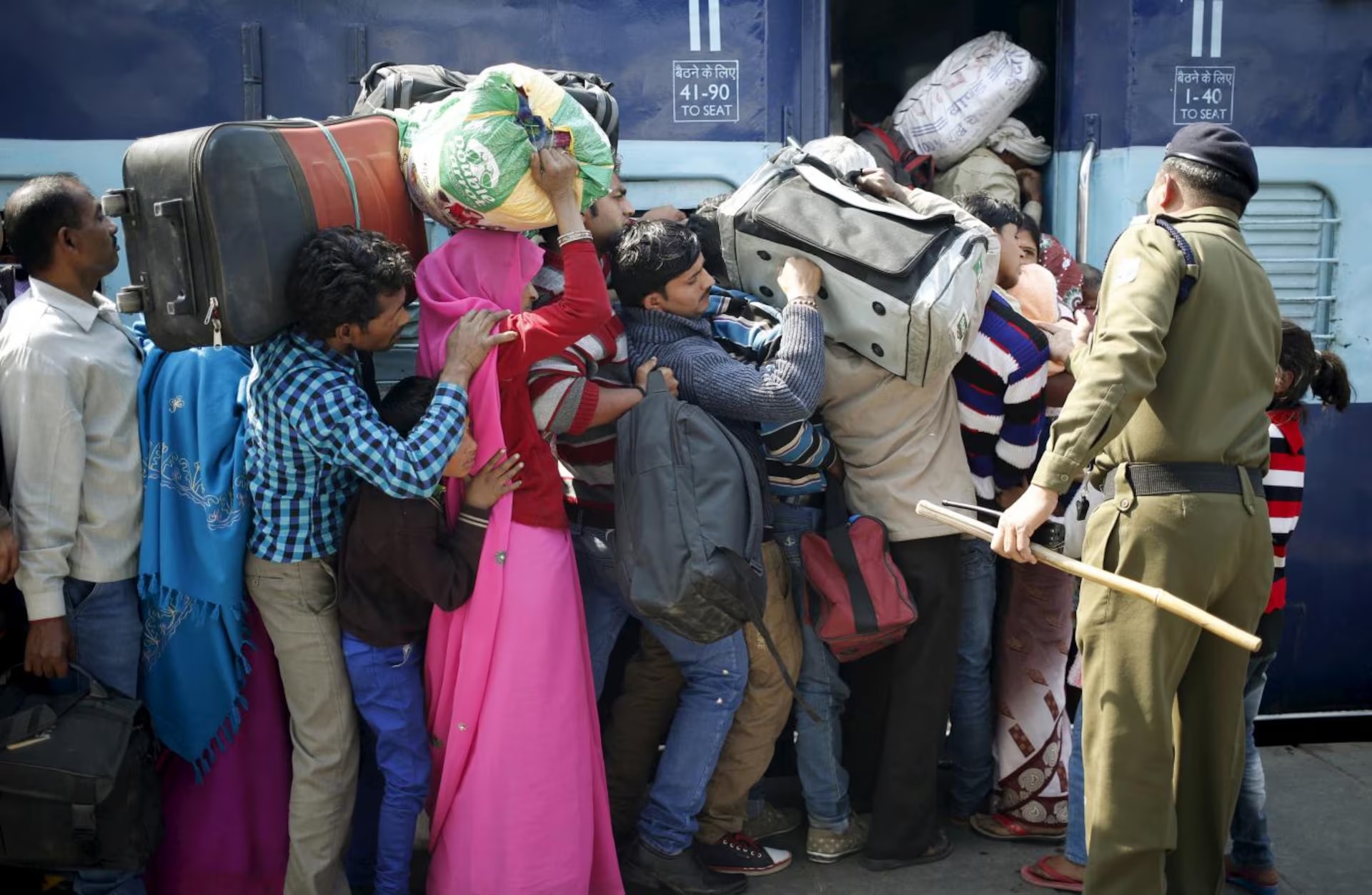
In crowded stations, colour cues can be surprisingly helpful — letting you instantly identify whether your train is older or newer at a glance. More than anything, these colours add to the charm of travelling across one of the world's largest railway networks.