
Can the Iran–Israel conflict push the world toward recession?
Could the Iran–Israel war trigger a global recession? Rising oil prices, shipping risks and market volatility are raising concerns about economic slowdown across major global economies.
- Mar 6, 2026,
- Updated Mar 6, 2026 3:22 PM IST

- 1/9
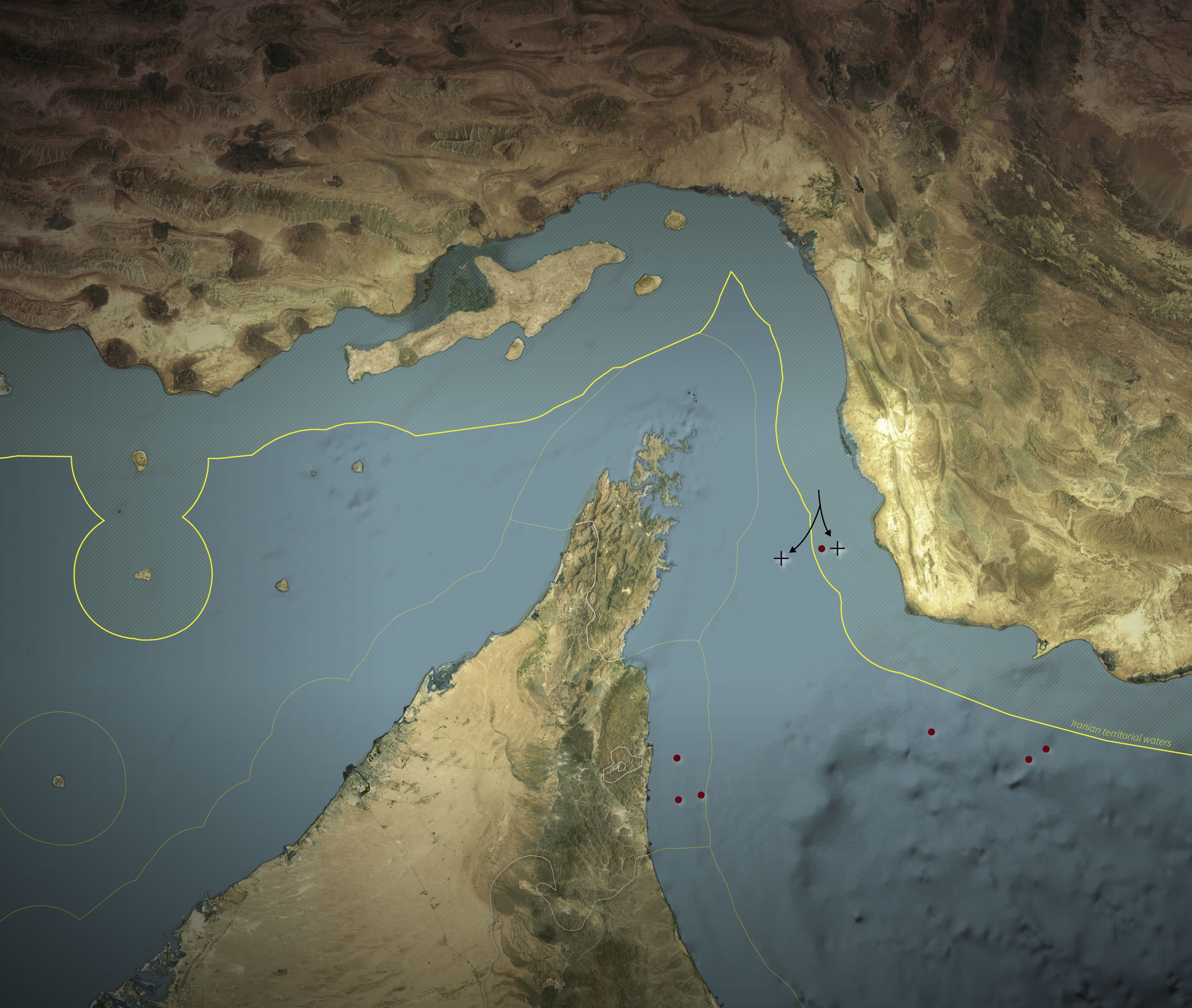
Energy markets are the first battlefield of any West Asia crisis. Nearly 20% of the world’s oil moves through the Strait of Hormuz, according to the U.S. Energy Information Administration. If conflict disrupts that flow, crude prices could surge fast, sending shockwaves through global economies.
- 2/9
The narrow Strait of Hormuz has long been considered the world’s most dangerous economic chokepoint. Analysts warn that even threats against tankers can raise shipping costs and insurance rates overnight, tightening global oil supply before a single barrel stops moving.
- 3/9
Rising oil prices rarely stay limited to petrol pumps. Higher energy costs ripple through transportation, food production and manufacturing. Economists say sustained oil spikes can reignite inflation pressures that central banks worldwide have been struggling to control.

- 4/9
Financial markets react quickly to geopolitical shocks. During major conflict escalations, global stock indexes often drop as investors rush toward safer assets like gold and government bonds. Volatility becomes the new normal when war headlines dominate trading floors.
- 5/9
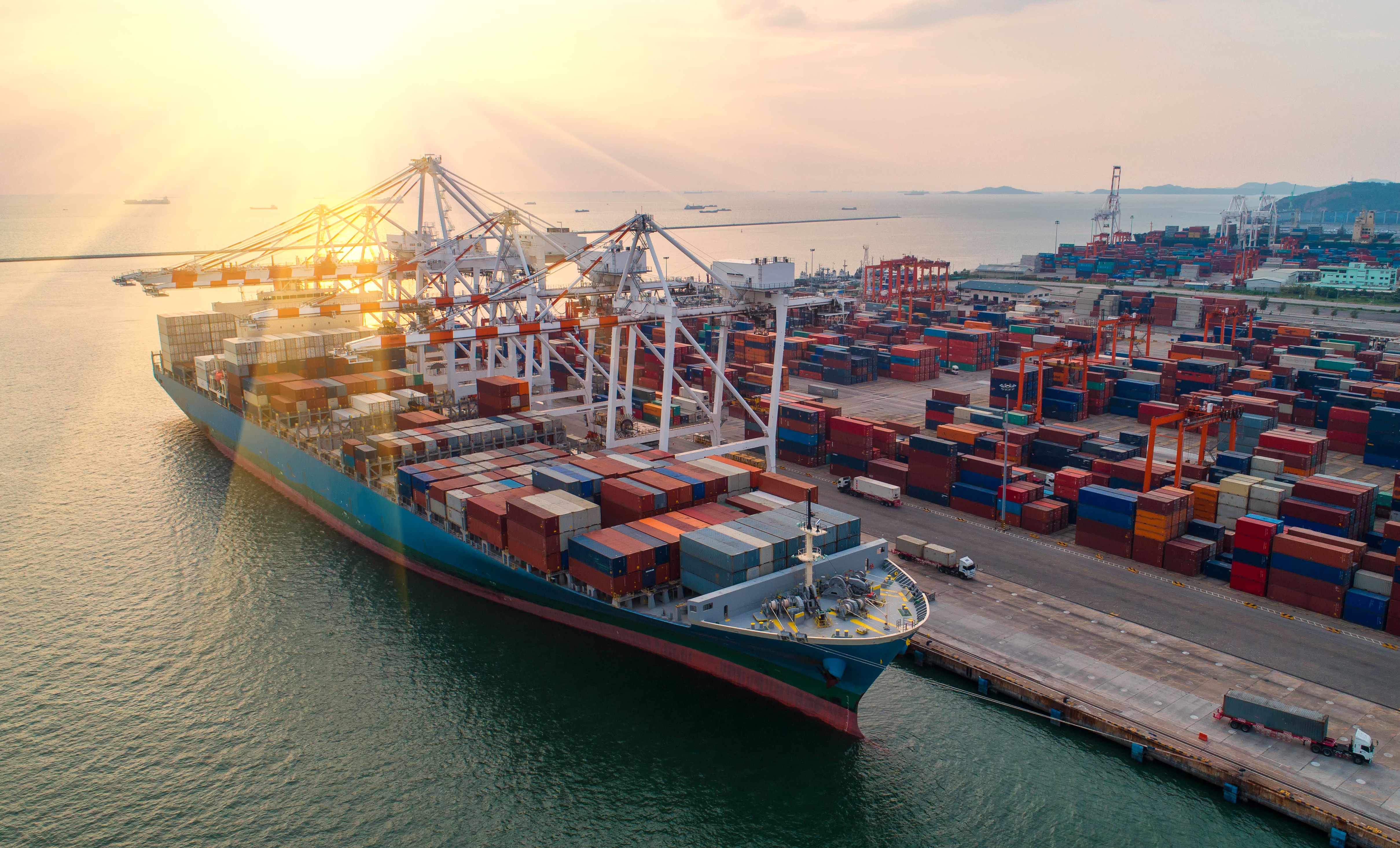
If military threats intensify in the Gulf, shipping companies may reroute vessels or pause operations entirely. Tankers stuck outside conflict zones could disrupt global energy deliveries and supply chains that power industries across Asia, Europe and North America.

- 6/9
Asia stands at the front line of any oil disruption. Countries like China, India and Japan import large volumes of Gulf crude. Energy analysts warn that prolonged instability in Middle East supply routes could hit Asian manufacturing and global exports.
- 7/9
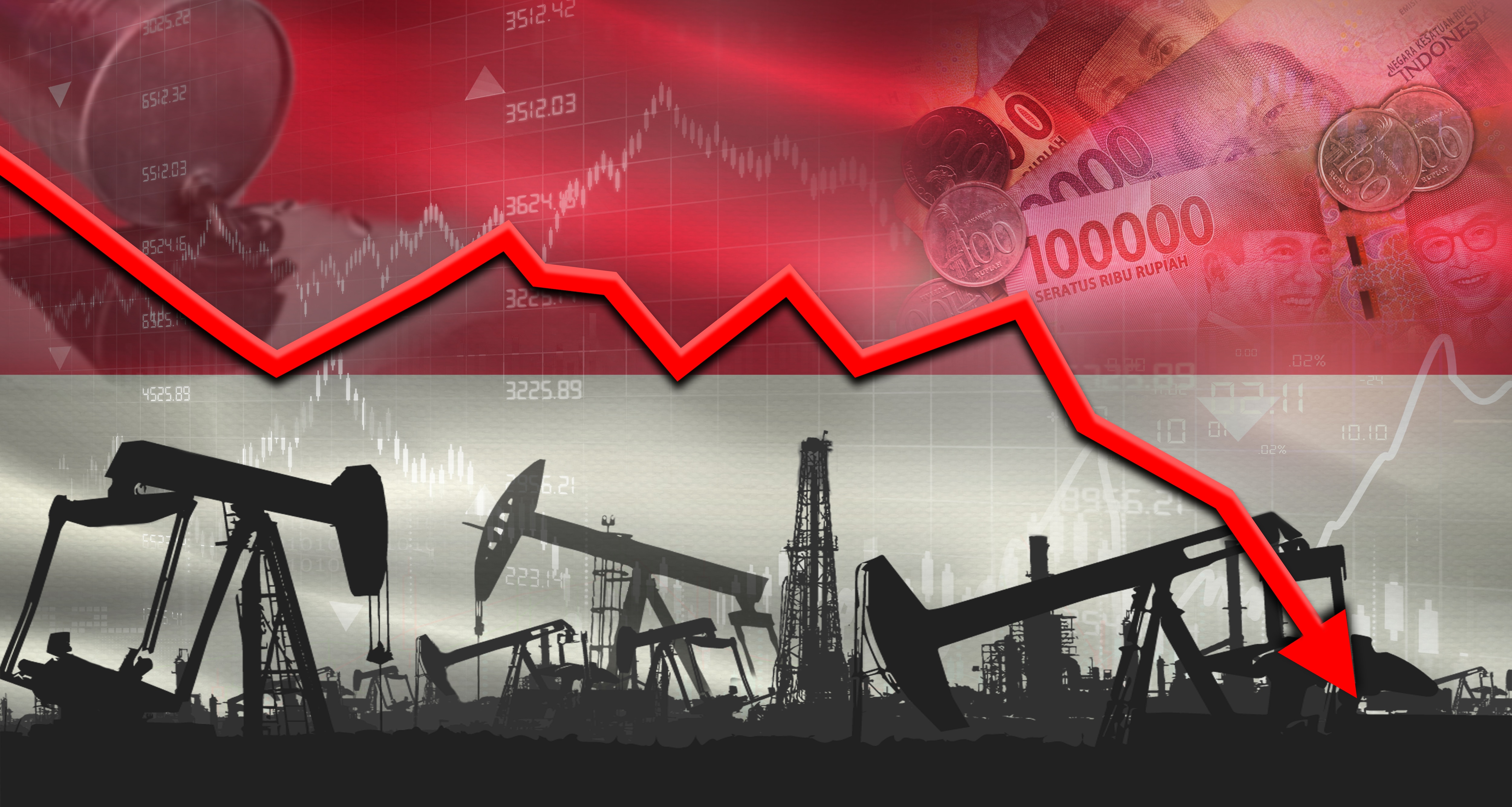
War rarely scares consumers first — it scares investors. When geopolitical uncertainty rises, businesses delay expansion plans and investment slows. Economists often see this hesitation as an early warning sign of broader economic slowdown.
- 8/9
History shows how quickly war shocks spread through the global economy. The 1973 oil crisis and the Gulf War both triggered economic disruptions worldwide. Experts say today’s highly interconnected markets could amplify similar shocks even faster.

- 9/9
Most economists agree that a short conflict would likely cause only temporary volatility. But if the war expands or oil supply is severely disrupted, the combination of high inflation, slowing growth and market instability could push the world closer to recession territory.