
China just did what Bill Gates predicted: AI doctors outperformed humans in 2025
Alibaba’s Damo Panda AI outperformed doctors in diagnosing cancer, marking a seismic shift in medicine as regulators race to keep up and humans rethink their role in healthcare.
- Nov 20, 2025,
- Updated Nov 20, 2025 2:00 PM IST

- 1/9
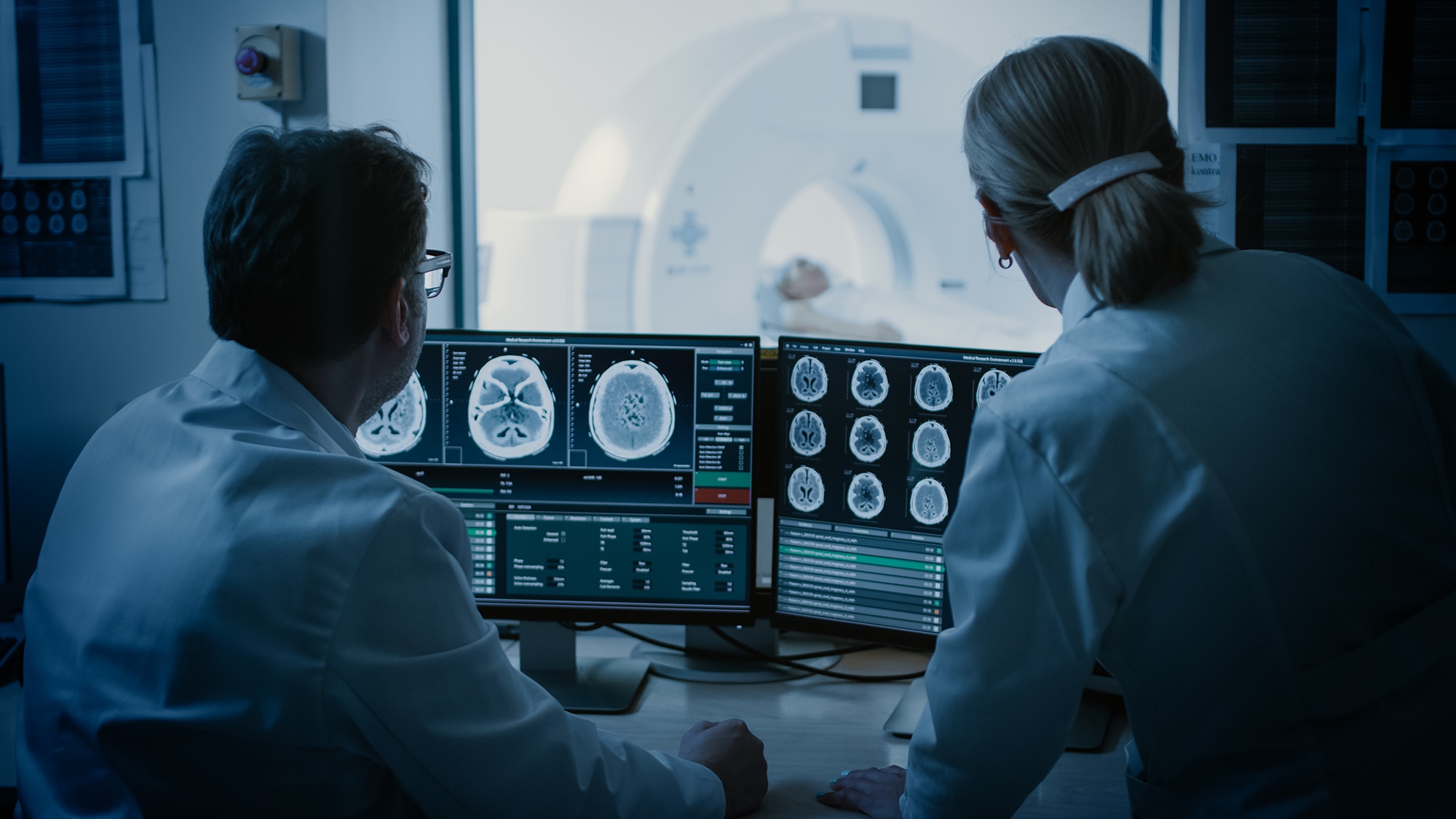
China’s Damo Panda AI has shaken medicine’s foundations, outperforming doctors by 34.1% in cancer detection. Once a sci-fi fantasy, “machine physicians” are now a statistical reality rewriting clinical trust.
- 2/9
At Ningbo University Hospital, a machine found 31 medical errors human doctors missed. The results weren’t theoretical—real lives were on the line. AI didn’t just assist; it saved what human oversight lost.
- 3/9
Instead of stalling AI’s entry, the U.S. FDA accelerated it—granting Alibaba’s Damo Panda “breakthrough” status. Critics call it reckless. Supporters call it the dawn of tech-driven triage.
- 4/9
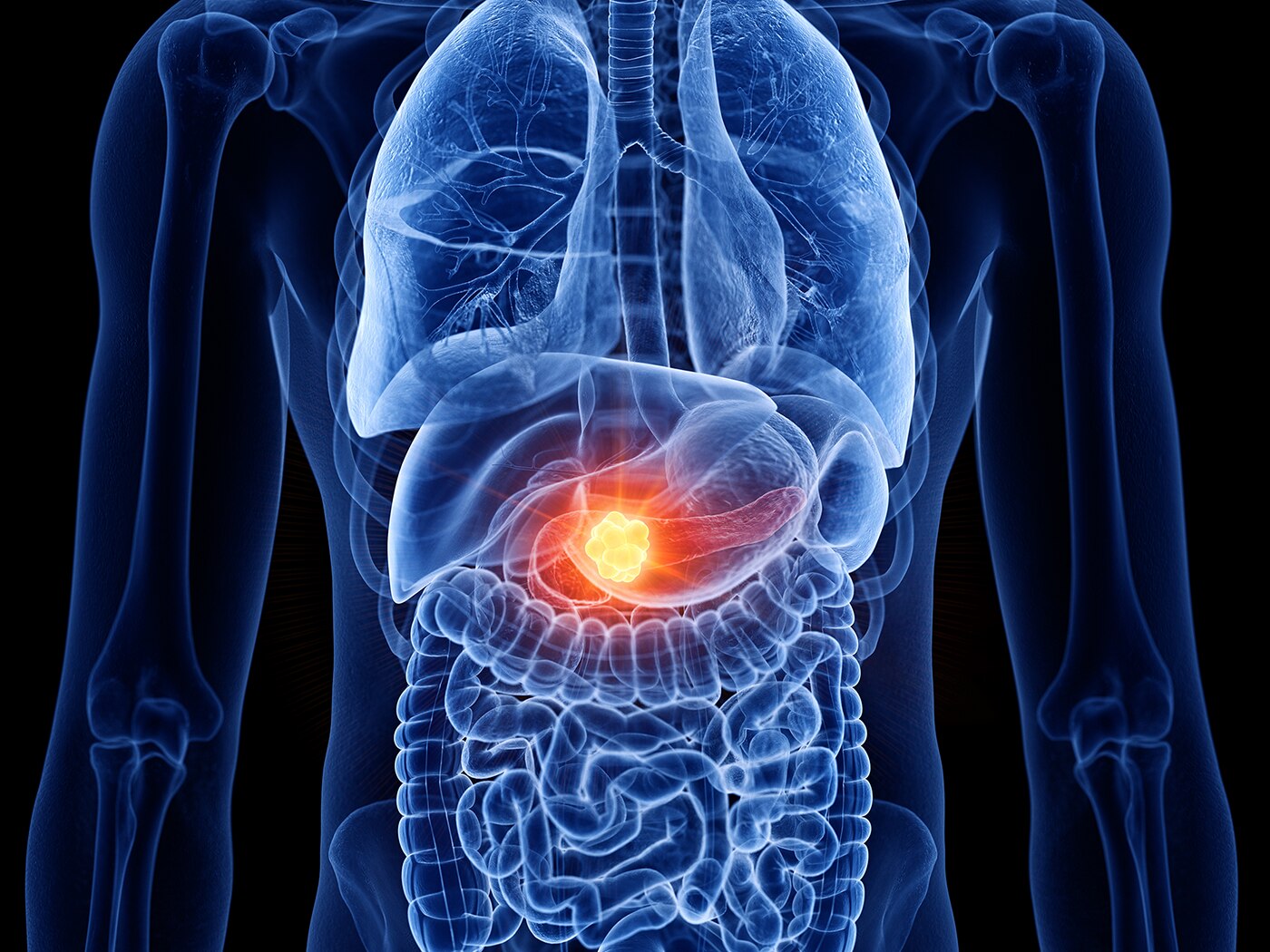
Pancreatic cancer kills silently, with 80% caught too late. Now, AI sees what radiologists can’t. In a disease with under 10% survival rates, algorithms might finally tip the scales of fate.
- 5/9
AI isn’t replacing doctors—yet. But it’s exposing blind spots they didn’t know existed. The line between human intuition and machine precision is blurring faster than regulators can react.
- 6/9
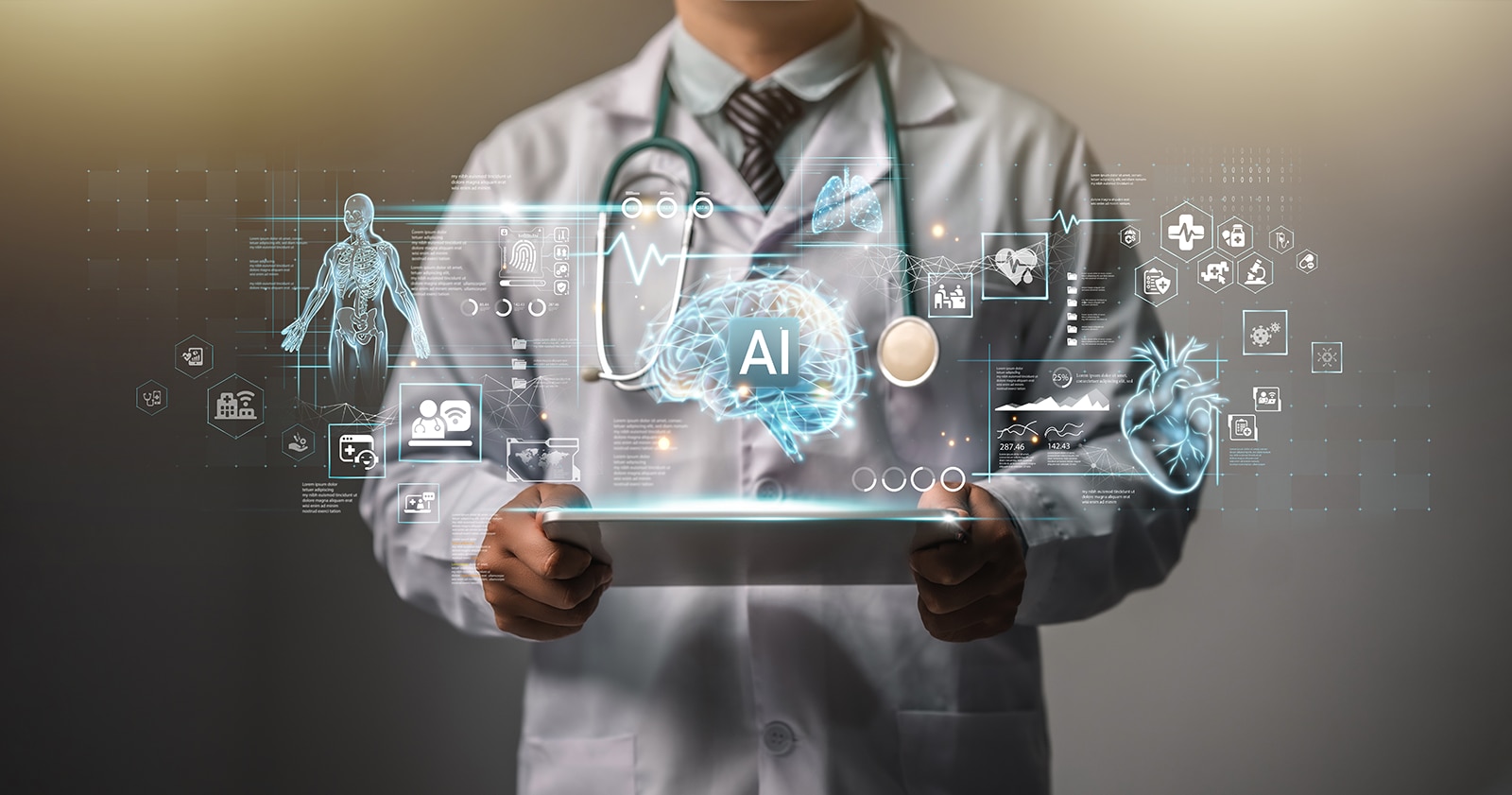
Behind China’s medical AI surge lies a geopolitical edge. Looser testing laws and massive patient datasets fuel progress Western labs can’t legally match. In healthcare, regulation is the new arms race.
- 7/9
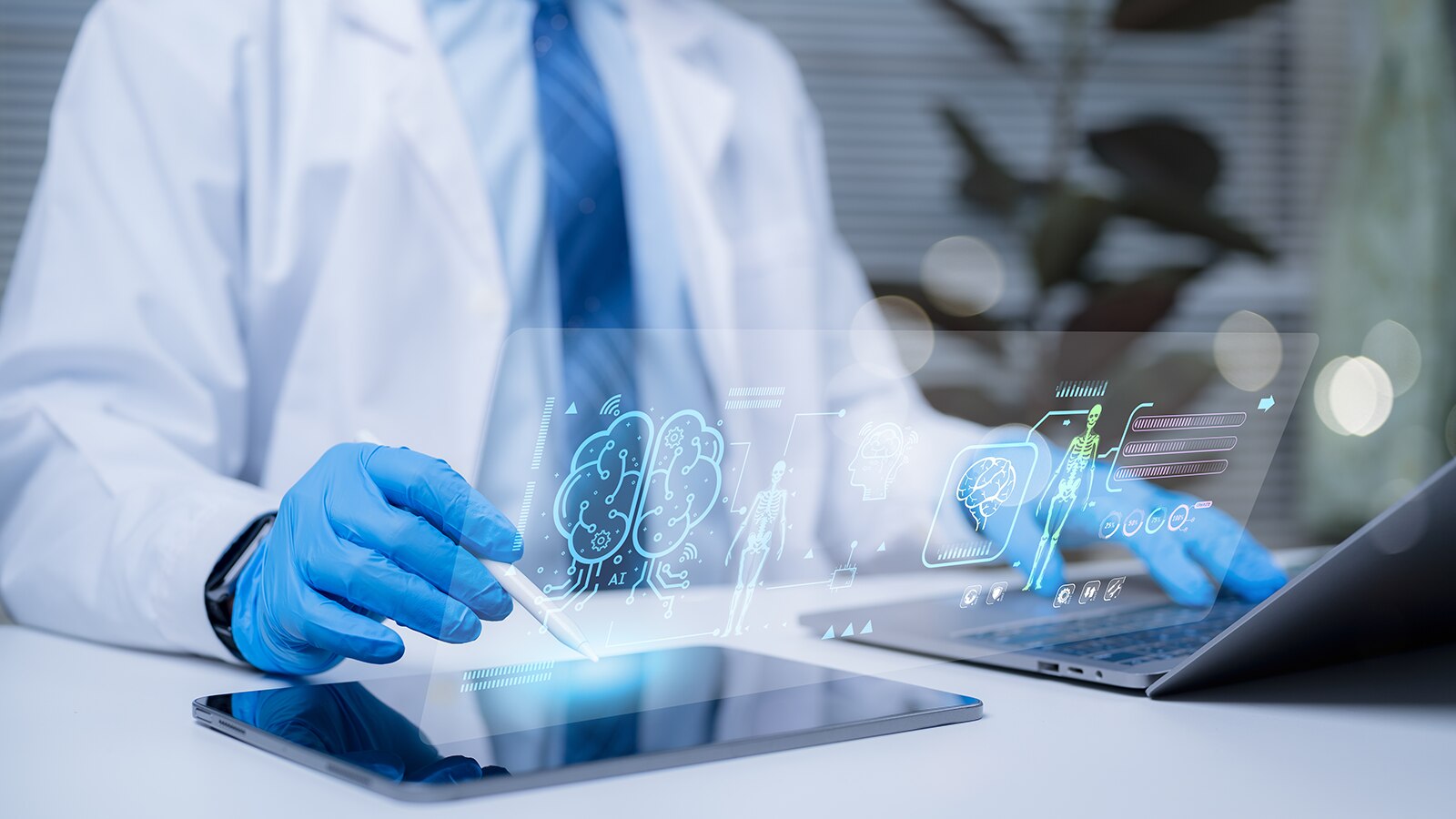
The winners in AI won’t be those with deep pockets but those with deep systems—hospitals that integrate, train, and adapt. Efficiency, not money, decides who thrives in the machine age.
- 8/9
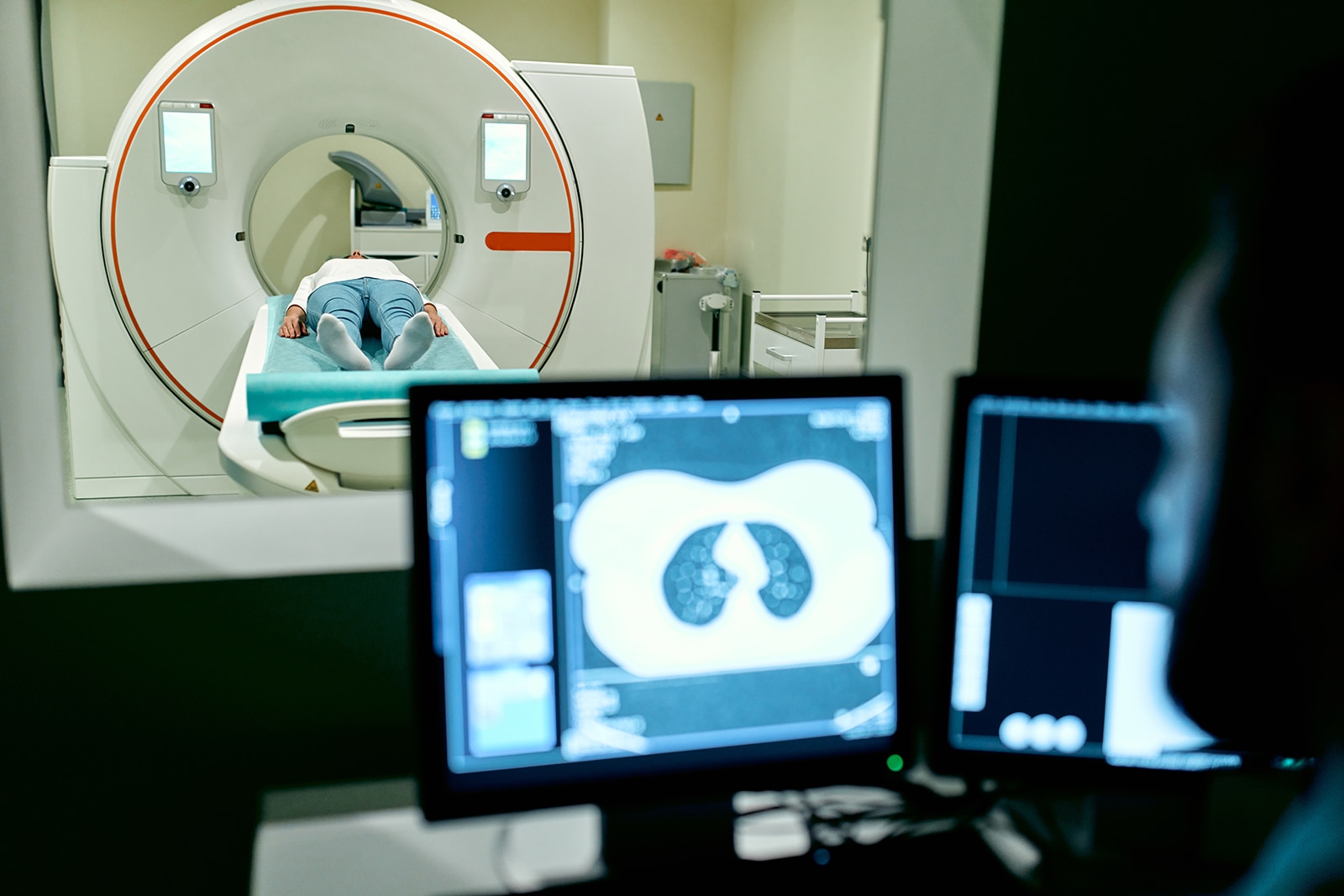
AI systems can catch what humans miss—but they can’t comfort a dying patient. The future of medicine may depend less on who’s smarter and more on who remembers empathy amid automation.
- 9/9
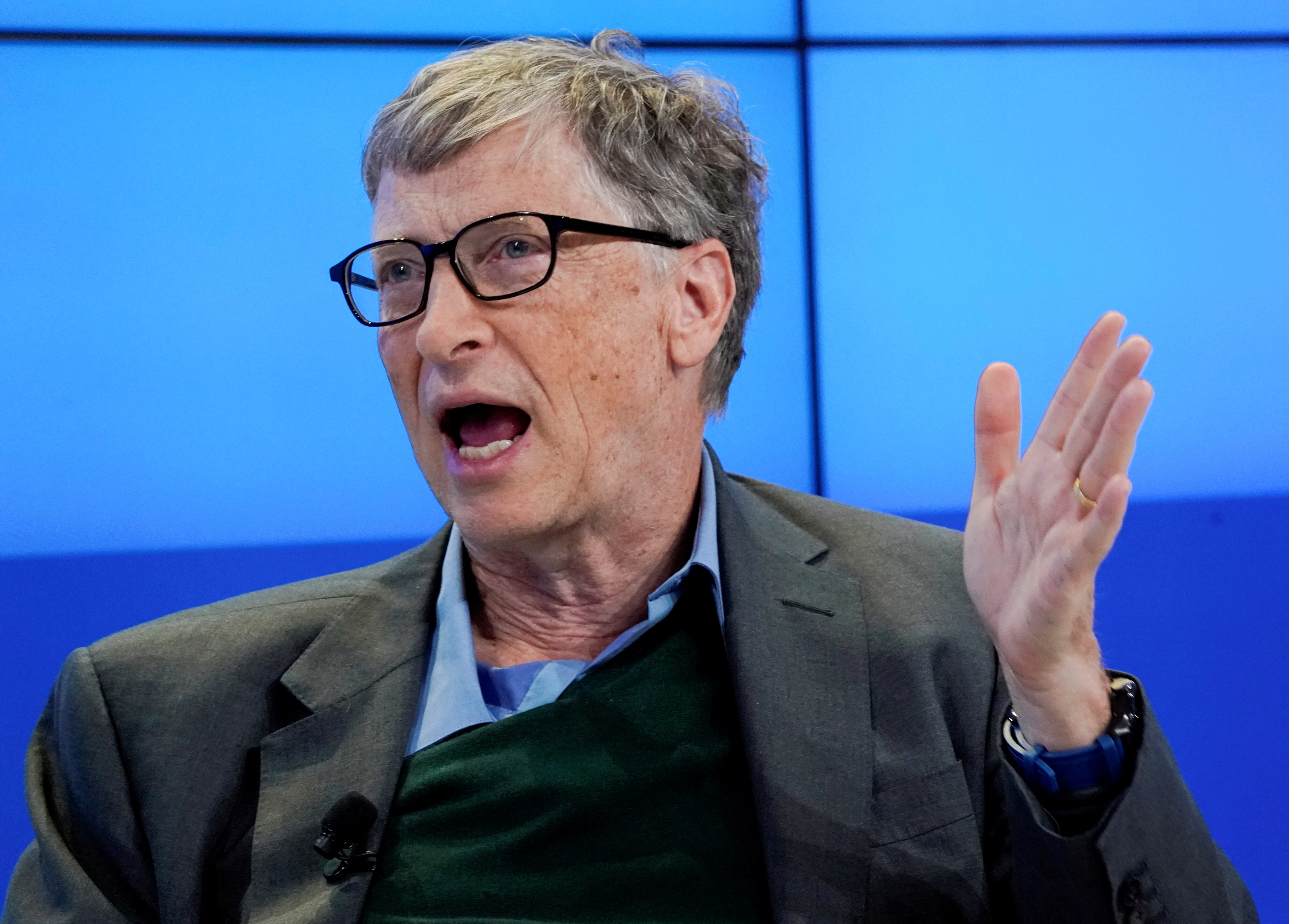
Bill Gates once predicted an era where expert advice would be free. In 2025, China proved him right. As AI democratizes diagnosis, medicine might become both cheaper—and more controversial—than ever before.