
Colder than Shimla: How Delhi slipped into its sharpest winter freeze
Delhi records its coldest morning at 3°C, colder than Shimla, as Gurugram dips below zero. IMD issues orange alert, warning that extreme winter conditions may persist.
- Jan 14, 2026,
- Updated Jan 14, 2026 4:19 PM IST
- 1/9
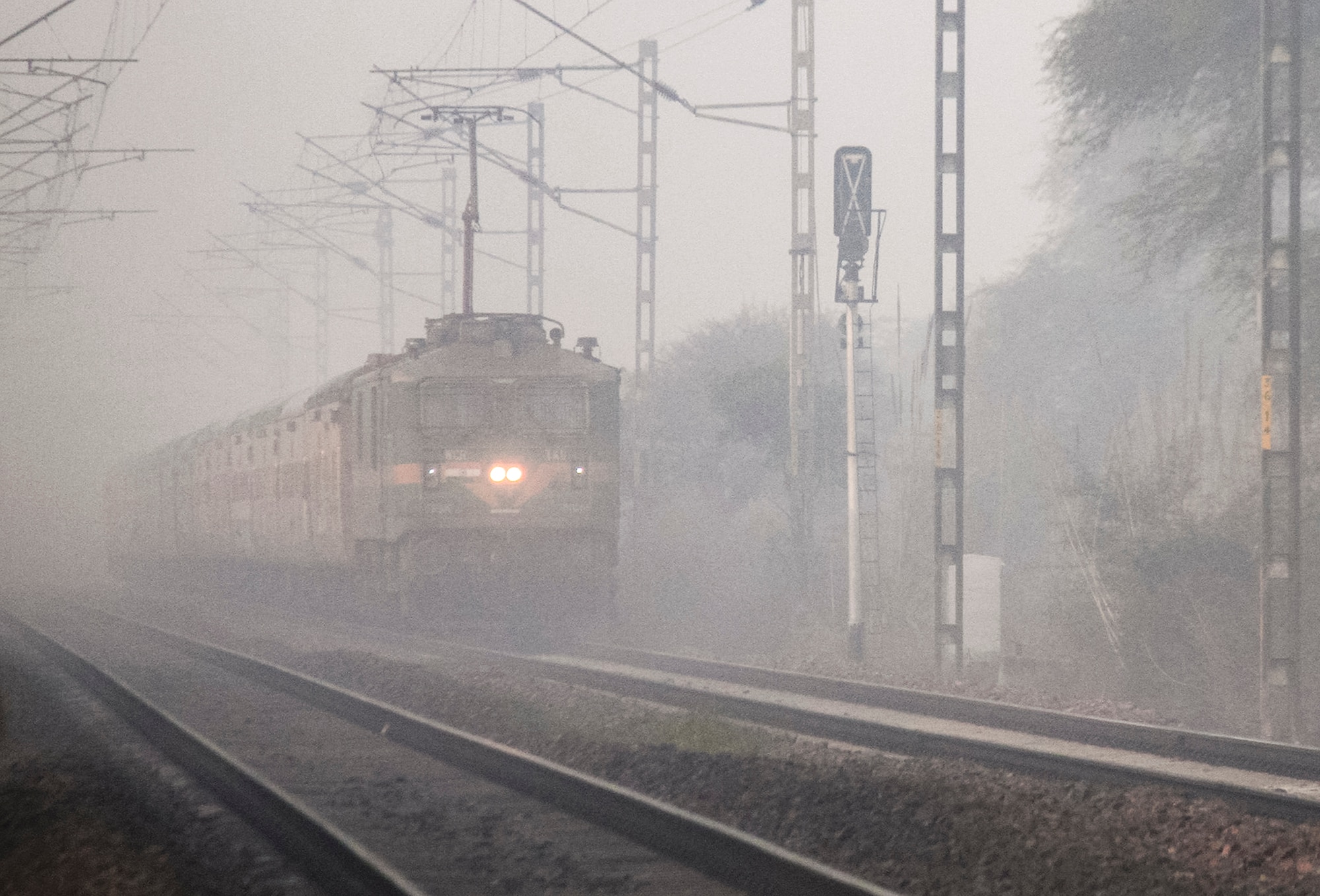
Delhi wakes up to its coldest morning of the season at 3°C, a number that redefines what “north Indian winter” feels like. Meteorologists say this isn’t just a cold spell—it’s a structural chill driven by persistent northerly winds and dry air.
- 2/9
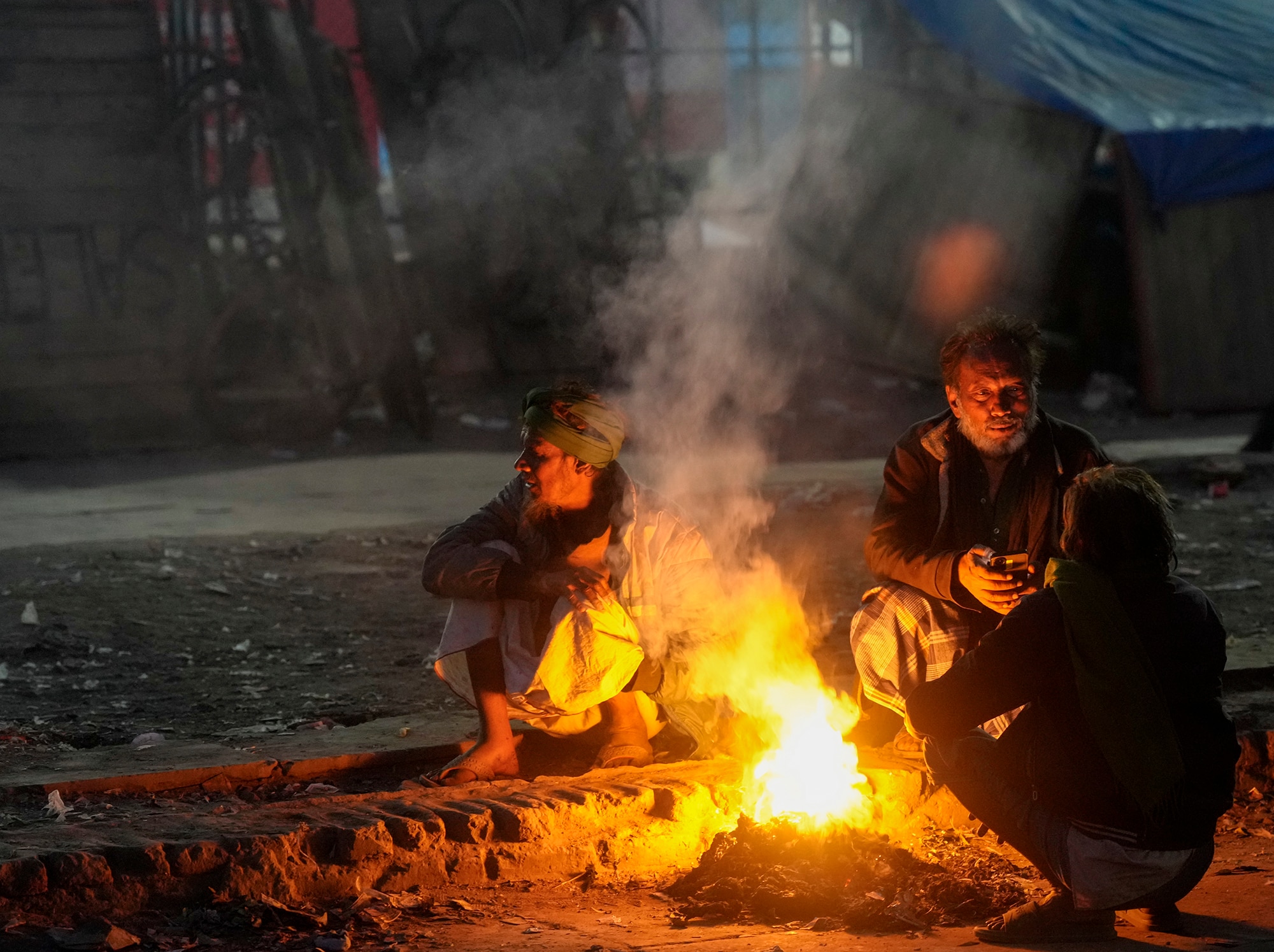
In a climatic twist, Delhi turns colder than Shimla. While the hill town enjoys relatively mild lows near 9°C, the plains plunge harder—exposing how altitude no longer guarantees colder weather during extreme winter patterns.
- 3/9
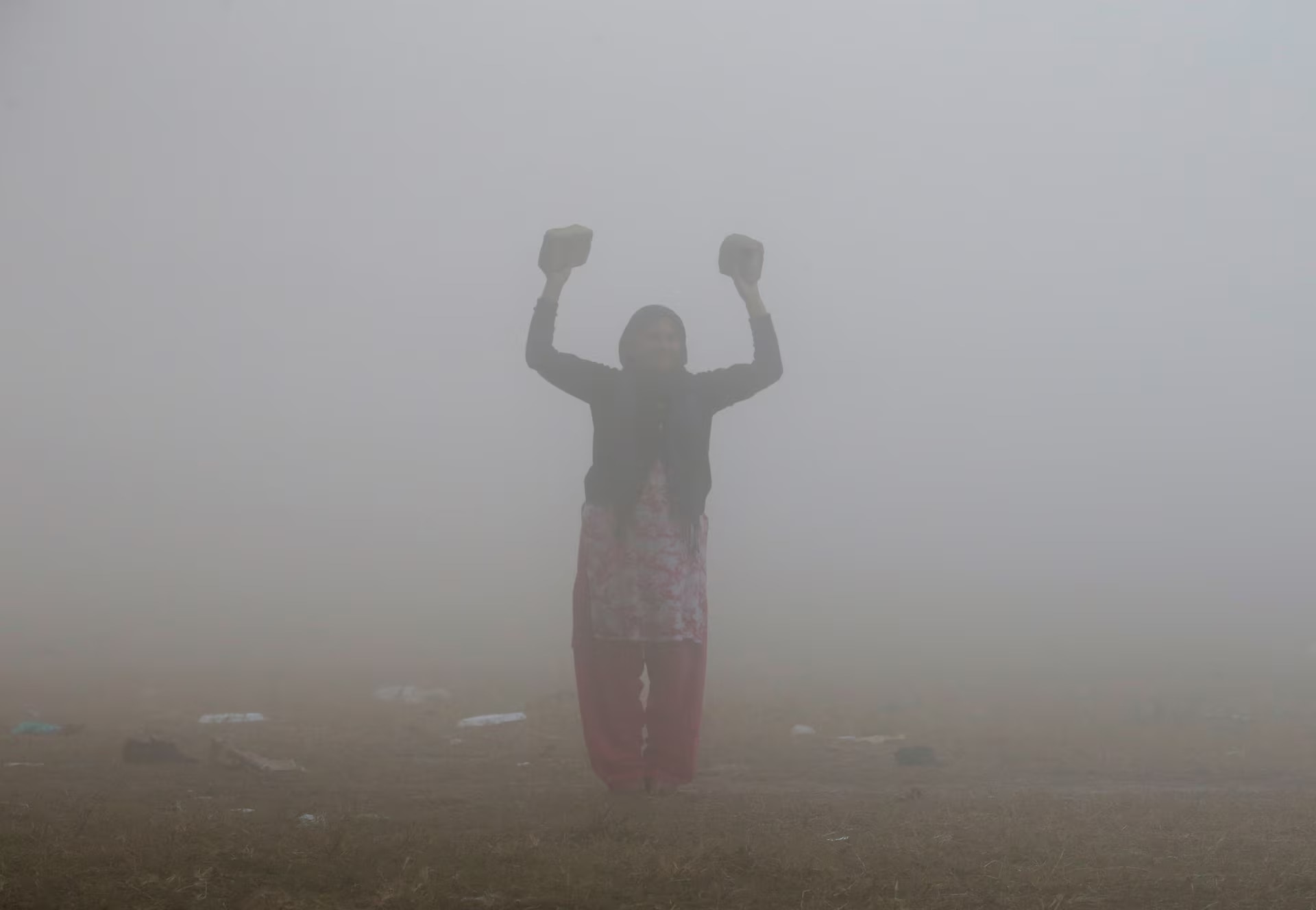
Gurugram’s outskirts dip below zero for the second straight day, touching –0.9°C in pockets. Weather experts call it rare but not unprecedented, warning urban heat islands can’t always shield NCR from Arctic-like airflows.
- 4/9
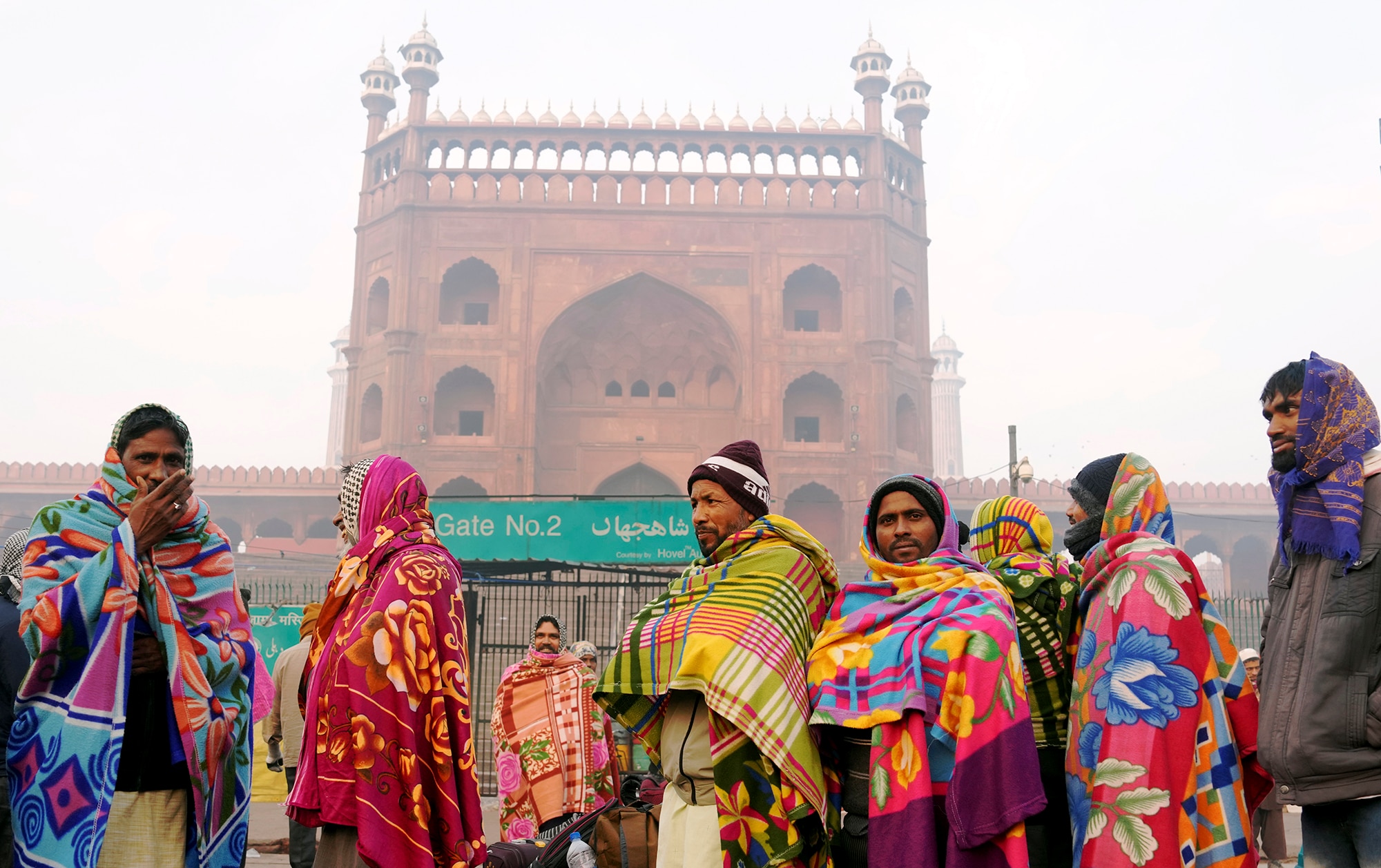
The India Meteorological Department raises an orange alert across Delhi-NCR, signalling conditions severe enough to disrupt daily life. Cold wave warnings aren’t just advisory—they reflect health and mobility risks for millions.
- 5/9
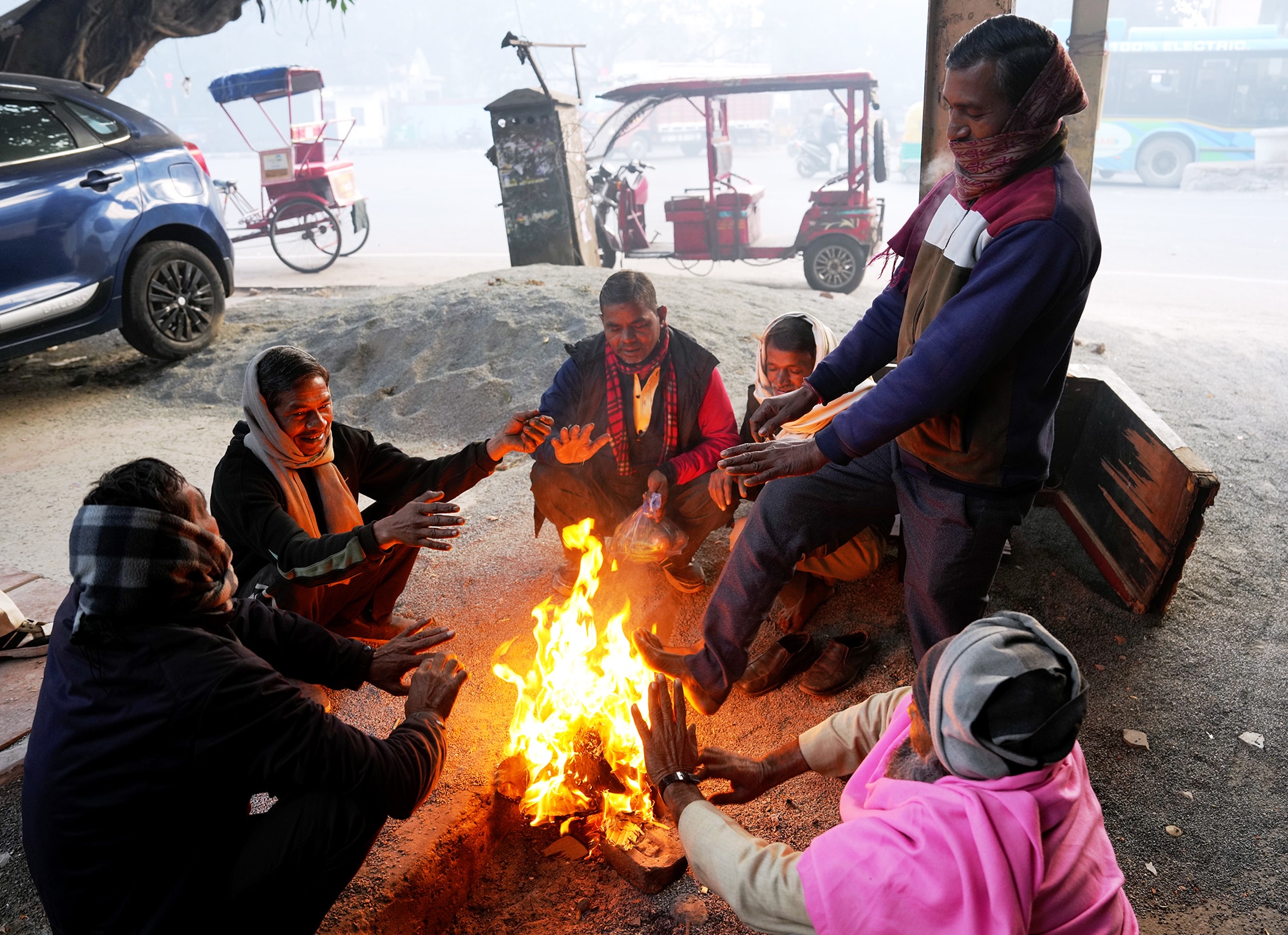
Icy northerly winds act like an invisible blade, slicing through the city and intensifying the cold. IMD scientists say wind chill, not just temperature, is what’s making mornings feel far colder than the numbers suggest.
- 6/9
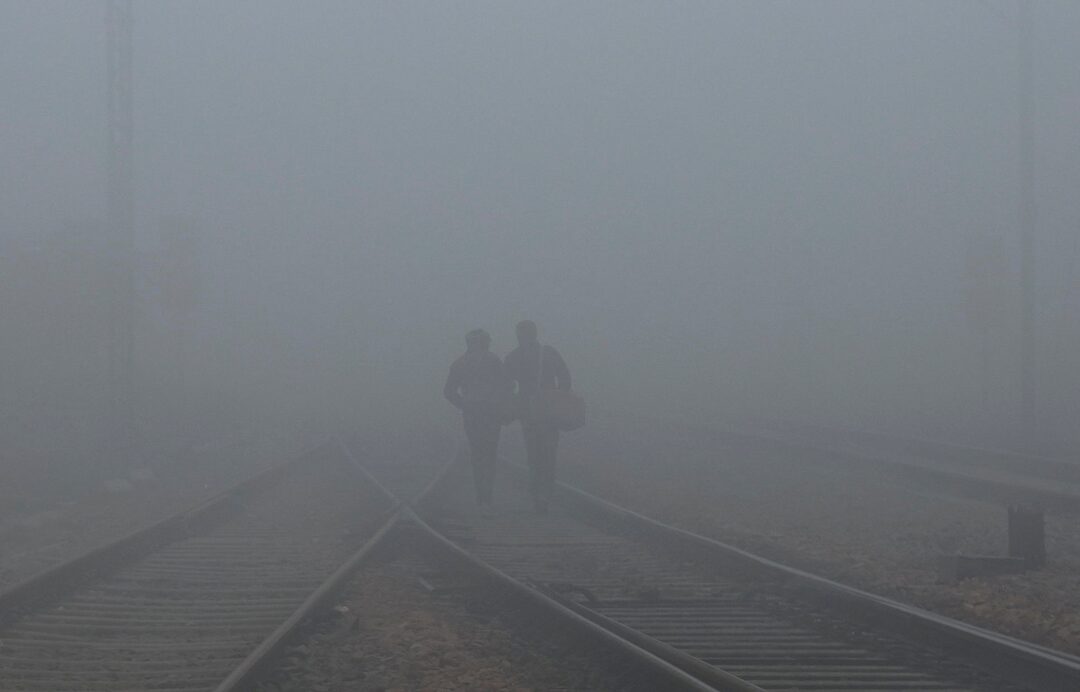
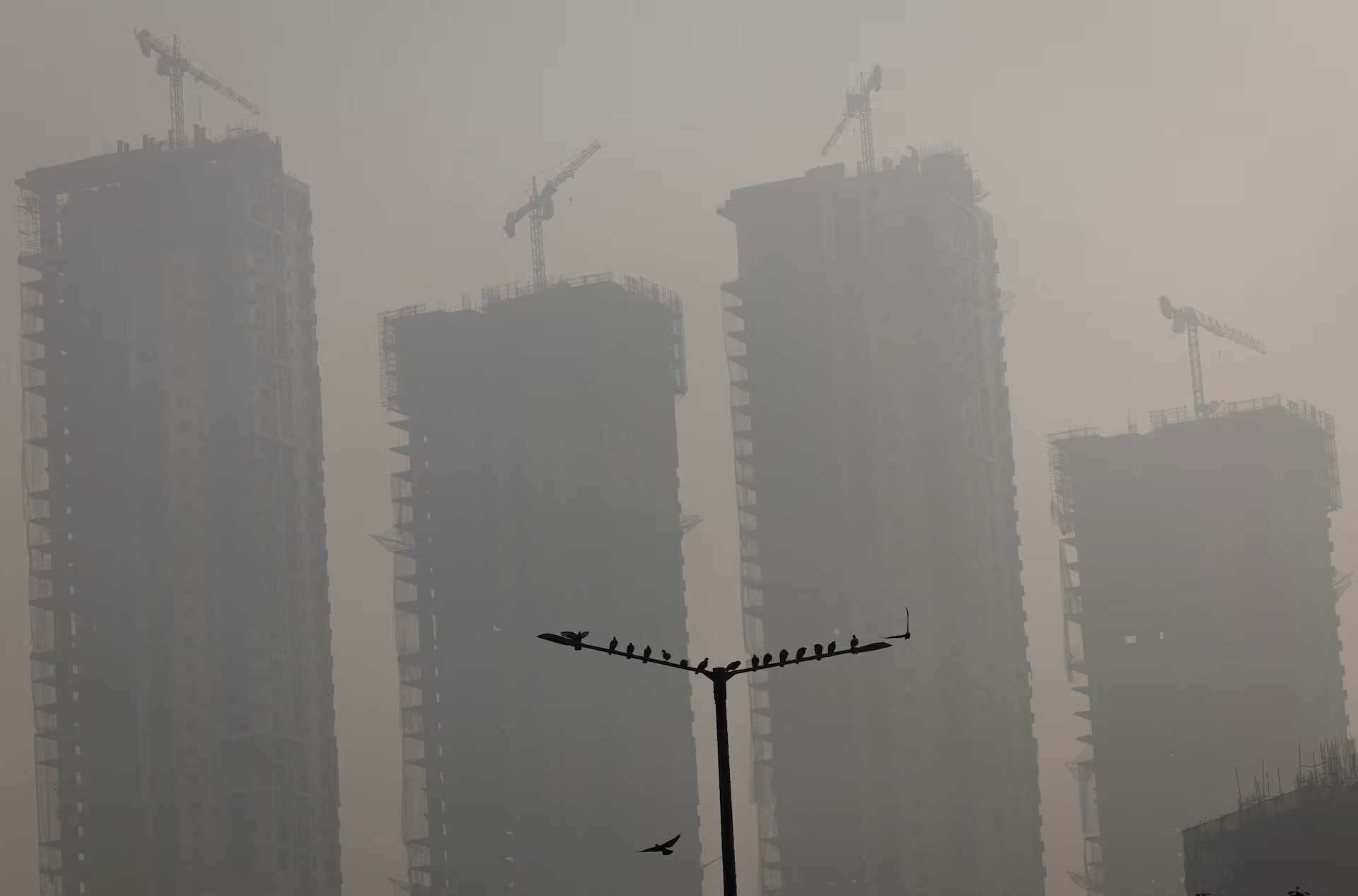
Dense fog creeps across north India—from Uttar Pradesh to Punjab—shrinking visibility and slowing transport. Aviation and rail networks brace for delays as moisture traps cold air close to the ground.
- 7/9
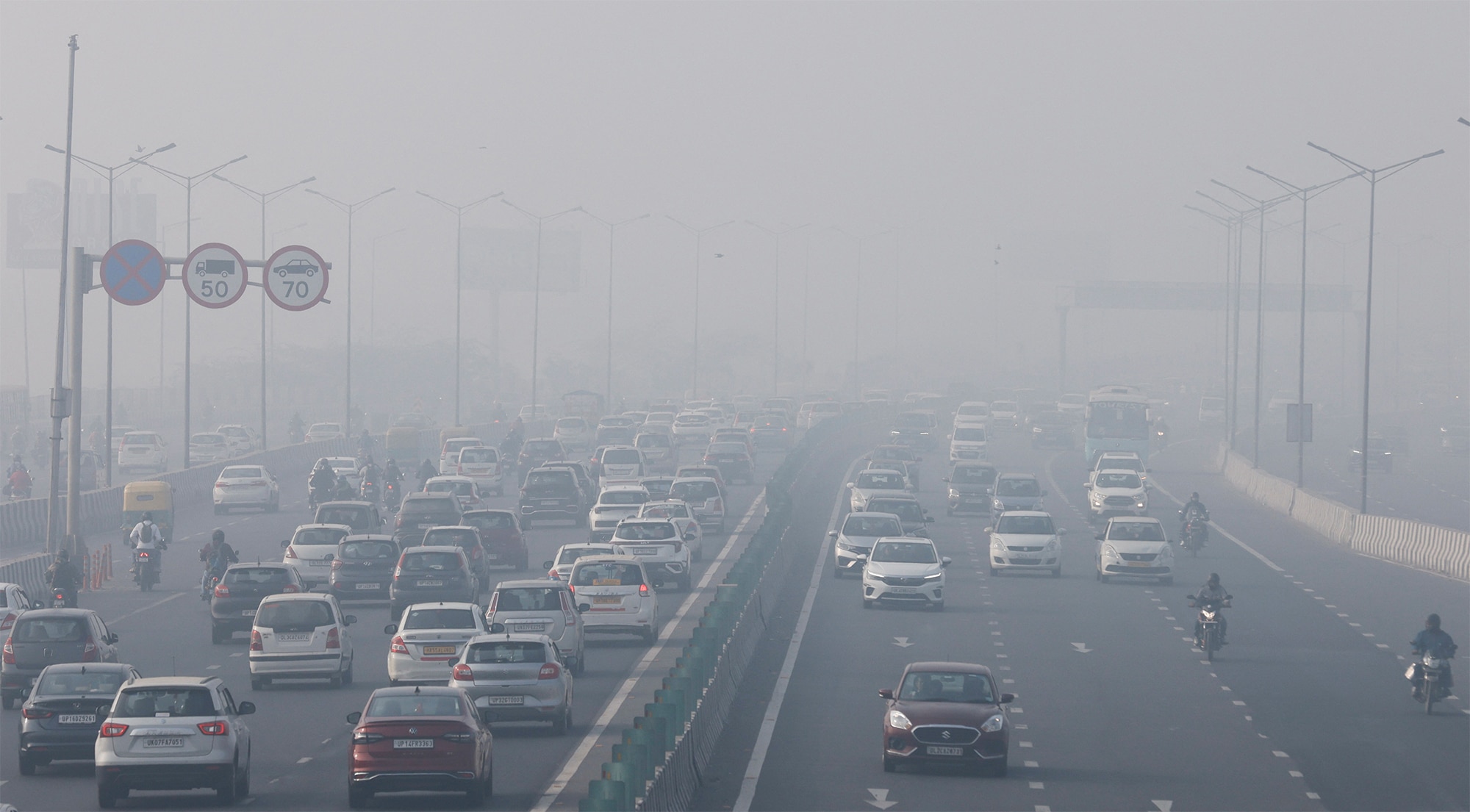
Relief may arrive via a western disturbance around January 15. As wind patterns change, humidity rises and the sharp chill softens—showing how distant Himalayan systems quietly control Delhi’s winters.
- 8/9
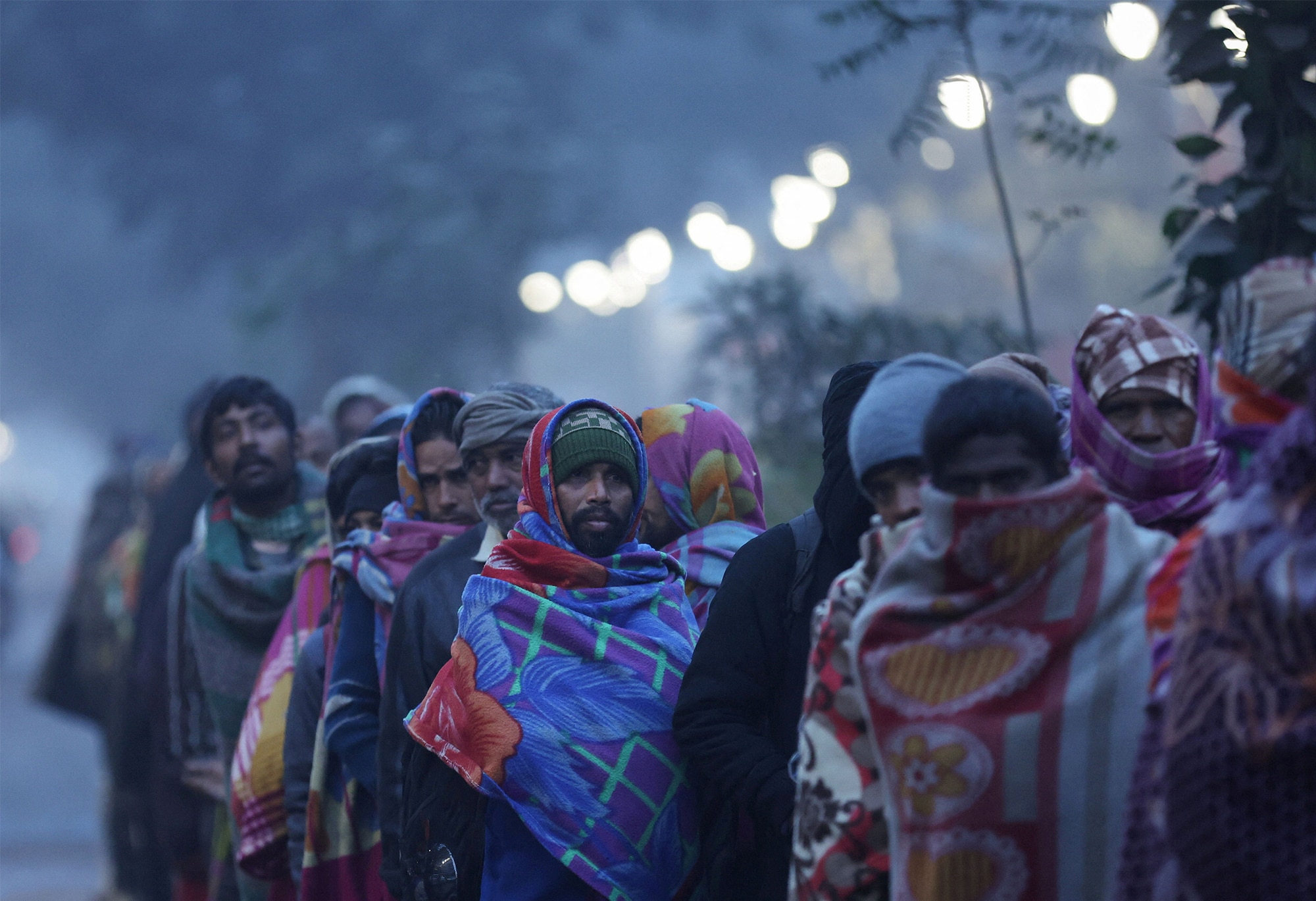
Forecasts hint at light winter rain between January 18–21. While rain often worsens cold initially, climatologists say it can break prolonged cold waves by resetting surface temperatures.
- 9/9
This cold snap exposes how megacities like Delhi remain vulnerable to climate volatility. Experts warn that extreme winter events—once rare—are becoming more frequent under shifting global weather dynamics.