
Crude impact: The stock markets most sensitive to oil prices
Oil prices play a critical role in global financial markets. From Wall Street to Indian and Asian exchanges, crude oil shocks can influence inflation, investor sentiment and stock market performance.
- Mar 10, 2026,
- Updated Mar 10, 2026 3:55 PM IST
- 1/9
When crude prices spike, global markets rarely stay calm. Oil is deeply tied to transport, manufacturing and inflation, meaning sudden price jumps can rattle equities worldwide. Analysts from the International Energy Agency note that geopolitical tensions affecting oil supply often trigger immediate reactions in stock markets.

- 2/9
The United States stock market often reacts quickly to oil volatility. While the country is a major oil producer, energy prices still influence inflation expectations, consumer spending and Federal Reserve policy. Oil rallies frequently push energy stocks higher while pressuring airline, logistics and manufacturing sectors.
- 3/9
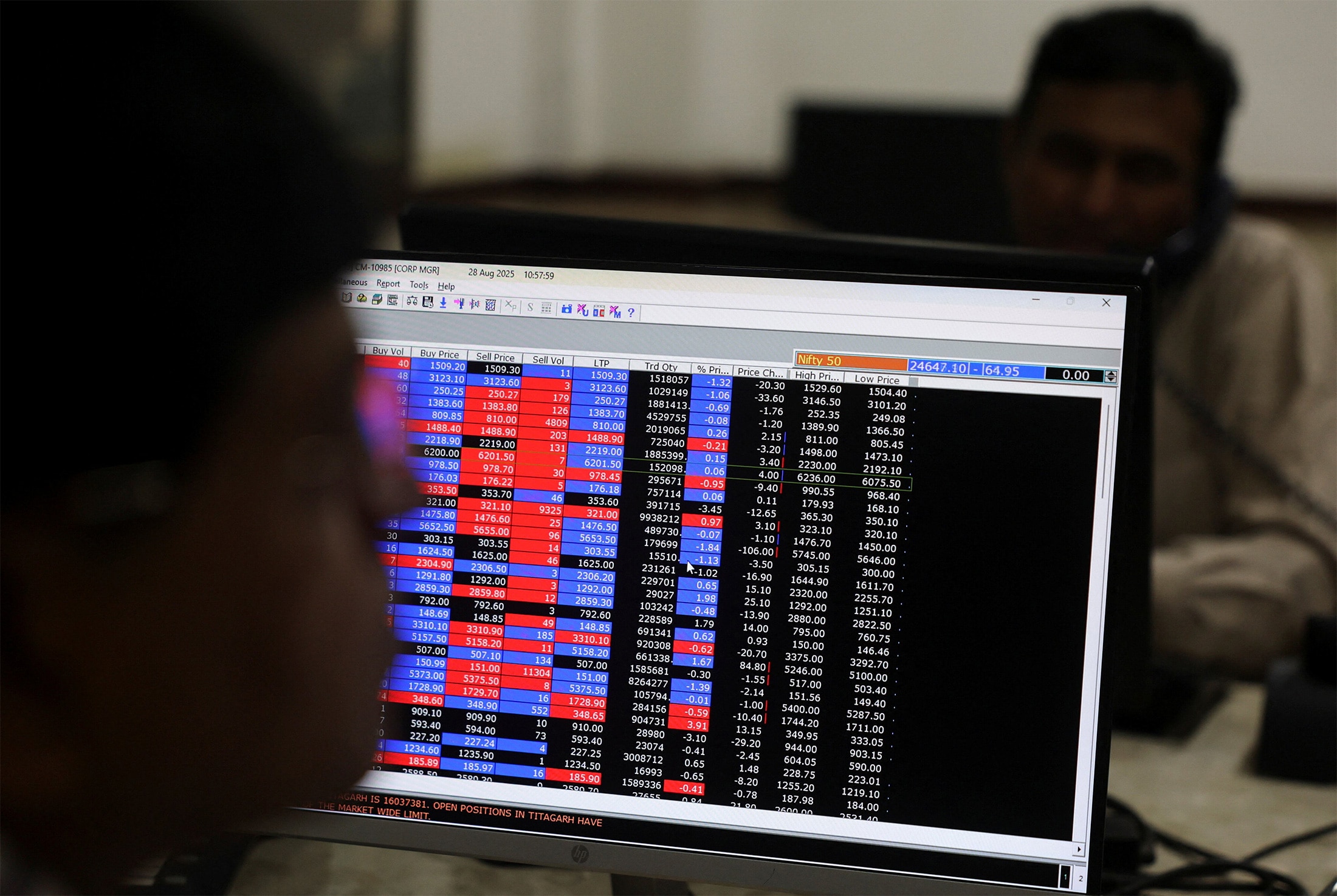
India’s markets are particularly sensitive because the country imports nearly 85% of its crude oil needs. According to government energy data, higher oil prices increase import bills, widen the current account deficit and raise inflation risks—factors that often weigh heavily on benchmark indices like the Sensex and Nifty.

- 4/9
European markets often feel the heat when energy prices surge. The region relies heavily on imported oil and gas, making energy shocks a major economic risk. Rising crude prices can increase production costs for industries and squeeze household spending across the Eurozone.
- 5/9
Not every sector loses when oil prices rise. Energy companies, oil producers and drilling firms often see their stocks rally during price spikes. Major global oil companies tend to benefit from higher crude prices, creating sharp sectoral shifts inside stock markets.

- 6/9
Across Asia, economies such as Japan and South Korea are also major energy importers. When oil prices climb, manufacturing costs rise and trade balances can worsen. Financial analysts say Asian equity markets often react quickly to energy market volatility.

- 7/9
Oil prices are closely tied to inflation. Higher crude costs increase fuel, transport and production expenses, which can eventually push central banks to raise interest rates. Financial institutions often track oil movements as an early signal of broader economic pressure.

- 8/9
Global investors often react swiftly to geopolitical developments that threaten oil supply. Even rumors of disruptions in major oil shipping routes can trigger sudden sell-offs or market volatility as traders rush to reassess economic risk.
- 9/9
Oil shocks rarely stay isolated. They ripple through currencies, bond markets and equities simultaneously. Economists say energy markets often act as a leading indicator of global economic stress, making crude oil prices one of the most closely watched numbers on Wall Street.