
Did you know? 12 astronauts walked on the Moon during Apollo missions
NASA’s Apollo programme (1961–1972) took humans to the Moon with 6 successful landings, 12 moonwalkers, and one near disaster, shaping the future of space exploration.
- Apr 2, 2026,
- Updated Apr 2, 2026 5:37 PM IST

- 1/15
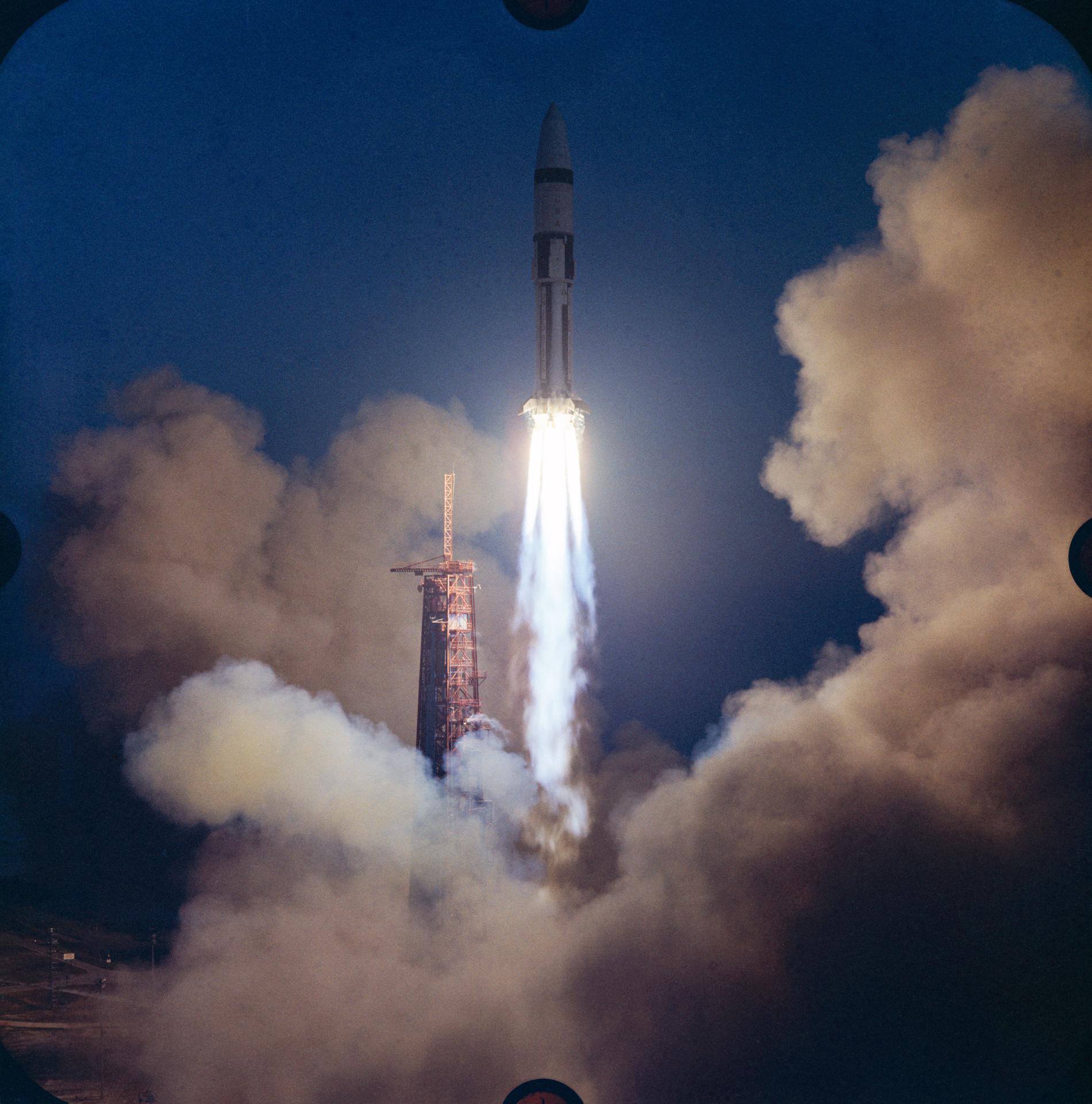
In 1961, at the height of the Cold War, the U.S. made a bold promise: land a man on the Moon before the decade ends. The Apollo programme wasn’t just science—it was geopolitics, ambition, and a race against the Soviet Union.
- 2/15
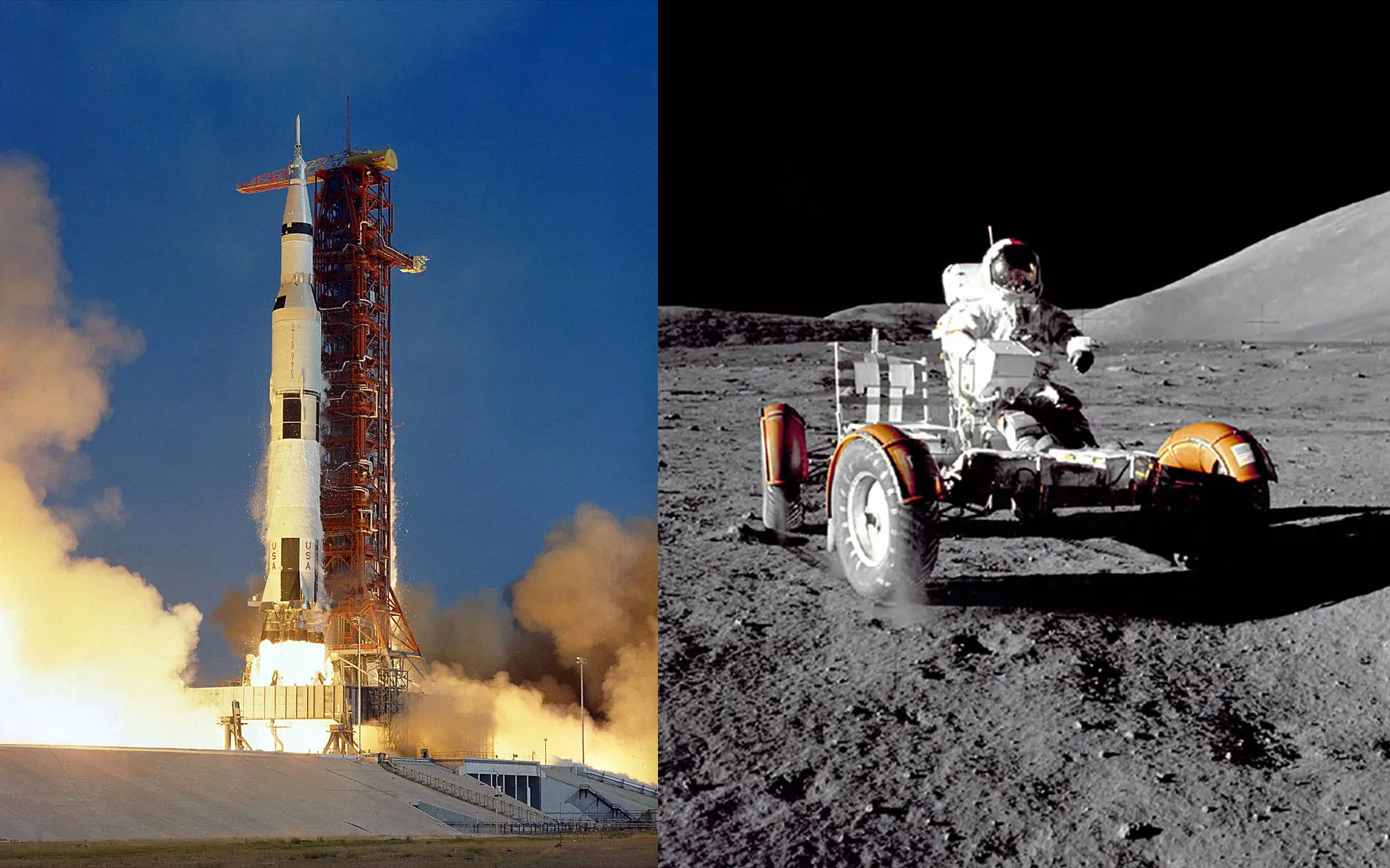
The Apollo programme was NASA’s human spaceflight initiative designed to land astronauts on the Moon and return them safely. It became the most complex engineering project ever attempted, involving over 400,000 people.
- 3/15
Apollo officially ran from 1961 to 1972, a little over a decade that reshaped space exploration. Within this short window, NASA went from zero human spaceflight experience to walking on another world.
- 4/15
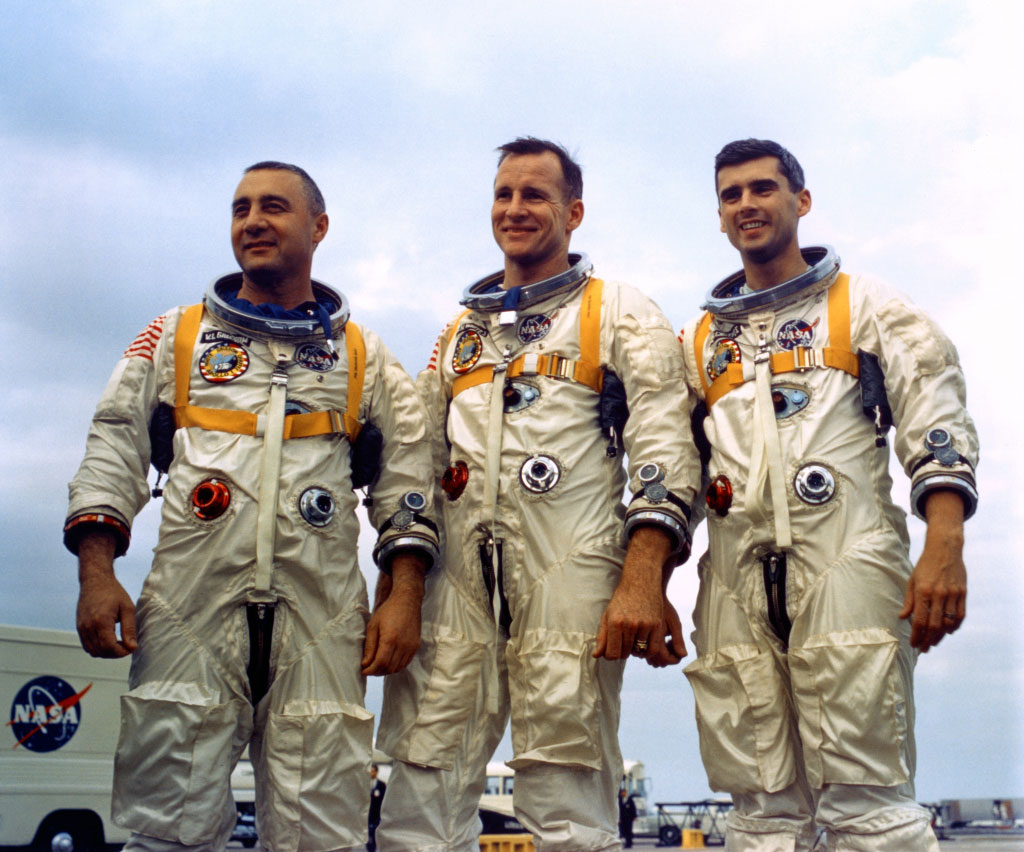
Apollo’s journey began with loss. In 1967, Apollo 1 caught fire during a ground test, killing three astronauts. Investigations revealed cabin design flaws, forcing NASA to redesign spacecraft safety systems entirely.
- 5/15
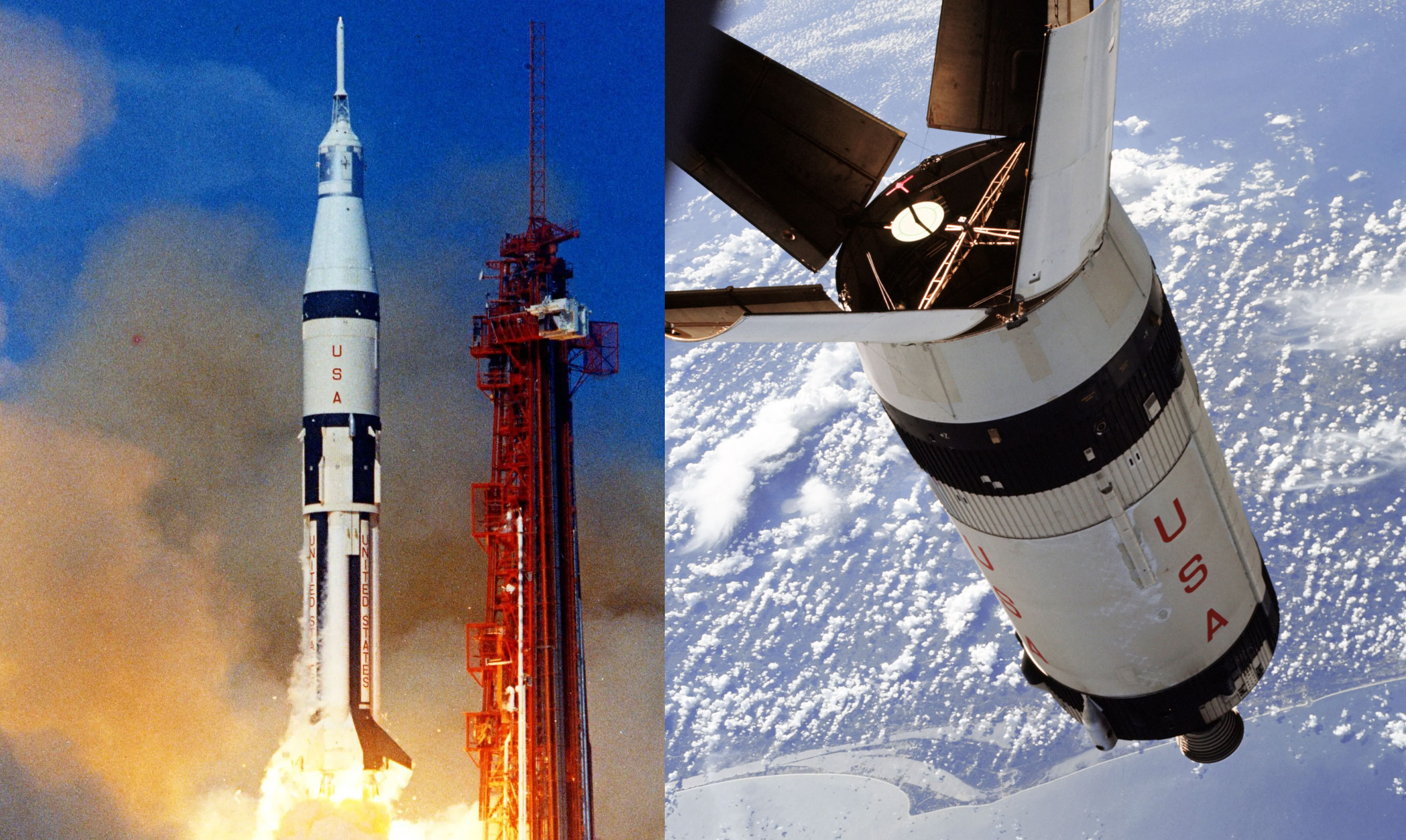
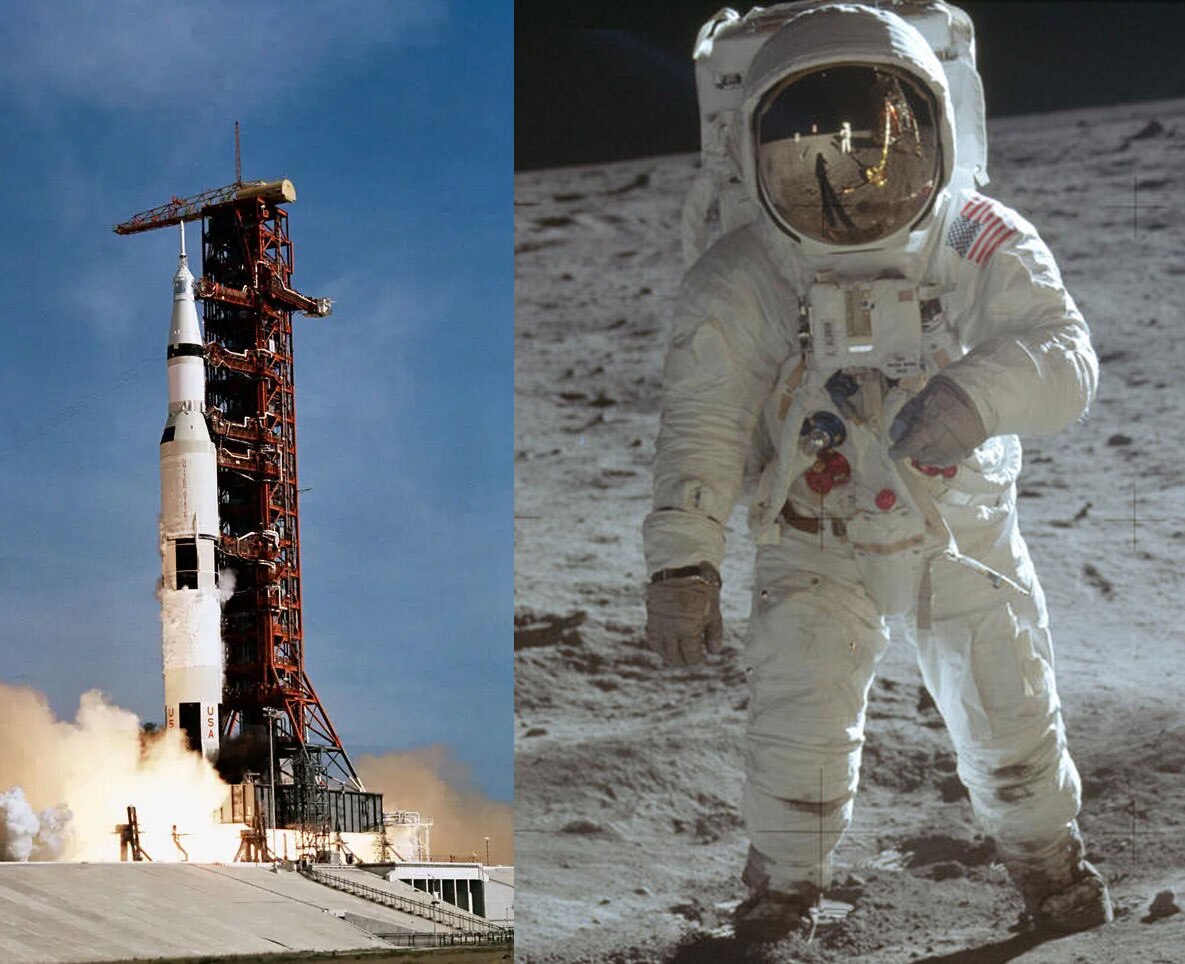
Before landing, NASA tested everything in space. Apollo 7, 8, 9, and 10 were rehearsal missions—testing orbiting, docking, and lunar flybys. Apollo 8 became the first human mission to orbit the Moon in 1968.
- 6/15
On July 20, 1969, Apollo 11 made history. Neil Armstrong and Buzz Aldrin walked on the Moon while Michael Collins orbited above. Armstrong’s words—“one small step”—became humanity’s defining moment.
- 7/15
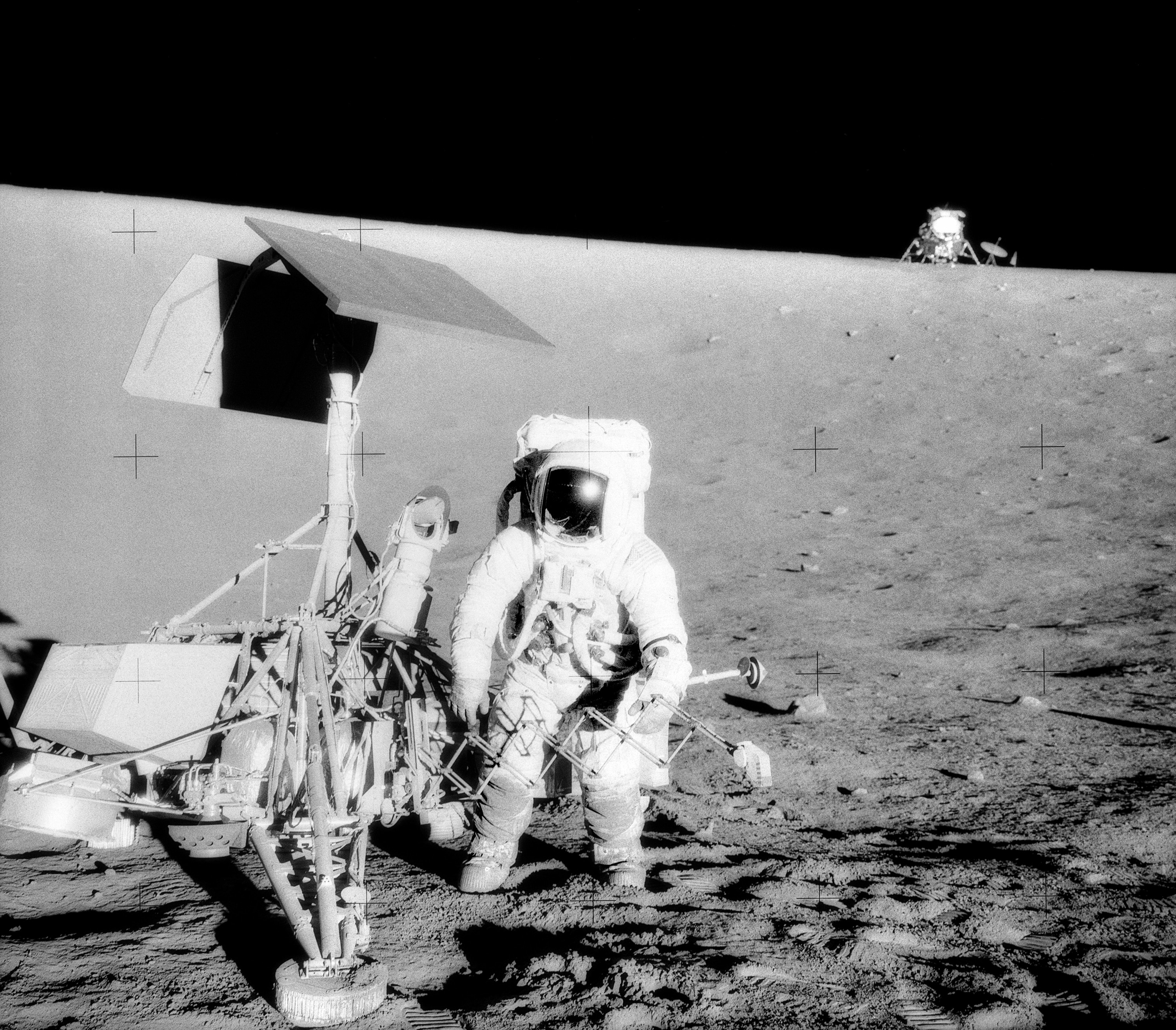
NASA successfully landed 6 missions on the Moon: Apollo 11, 12, 14, 15, 16, and 17 (1969–1972). Each mission expanded scientific exploration, collecting samples and testing equipment on lunar terrain.
- 8/15
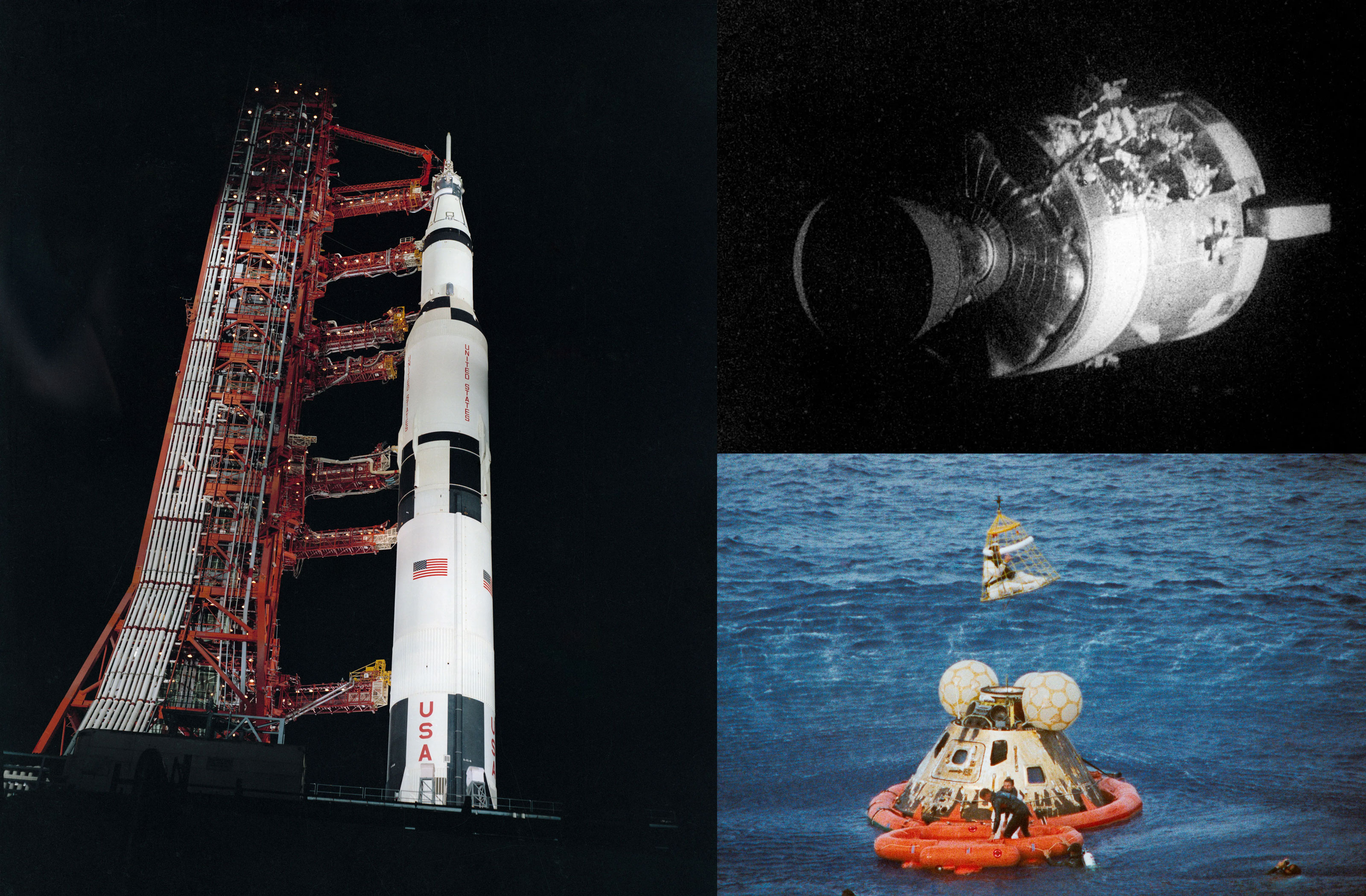
Apollo 13 never landed—but it became a survival story. An oxygen tank explosion crippled the spacecraft mid-flight. NASA engineers improvised solutions, bringing all astronauts safely back to Earth.
- 9/15
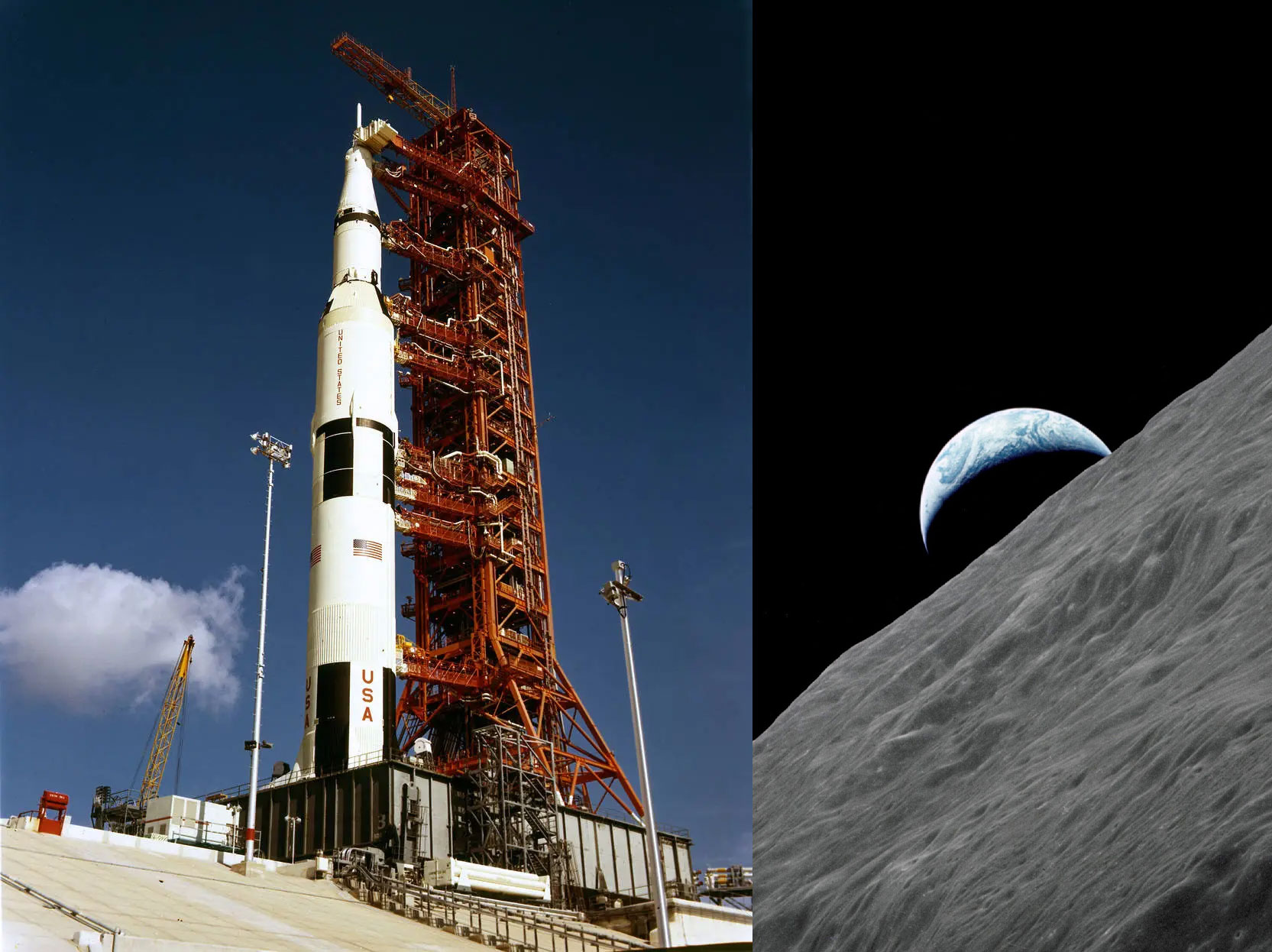
Apollo 18, 19, and 20 were planned—but never flown. Budget cuts and shifting priorities after the Moon landing success led to their cancellation, marking an early end to lunar exploration.
- 10/15
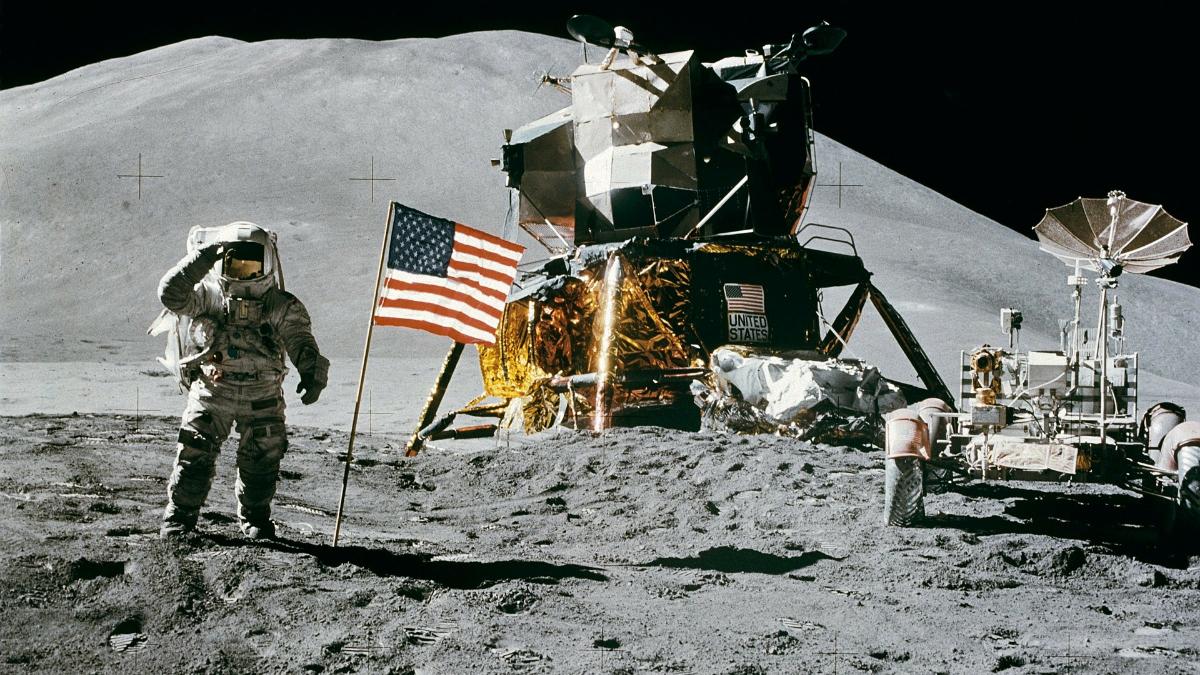
Twelve astronauts walked on the Moon between 1969 and 1972—but for over five decades, no human returned. That gap is now breaking. With Artemis II officially in space, humans are back beyond Earth orbit, taking the first real step toward walking on the Moon again.
- 11/15
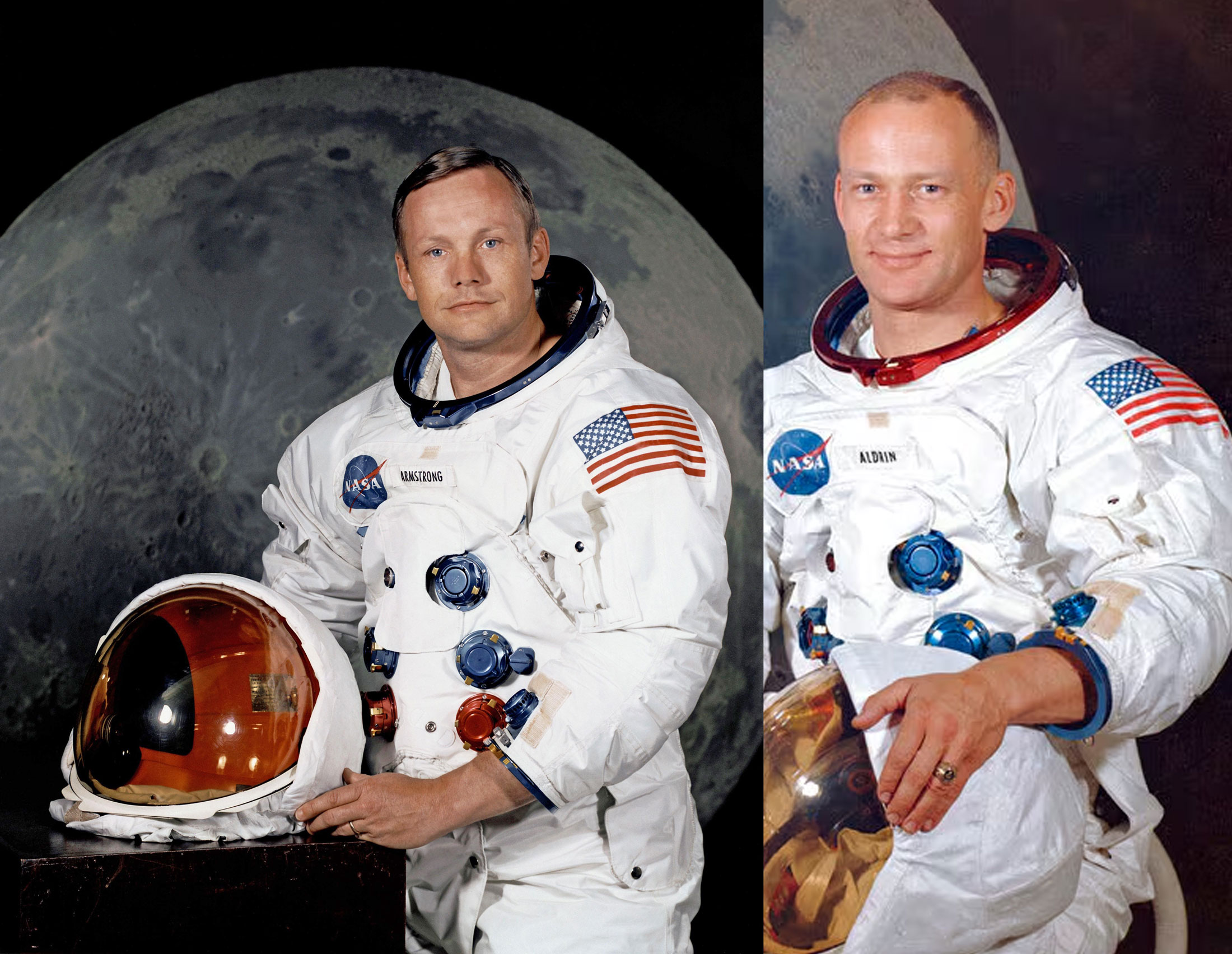
- Neil Armstrong — Apollo 11 (1969)
- Buzz Aldrin — Apollo 11 (1969)
- The first humans to step onto another world, marking the beginning of lunar exploration.
- 12/15
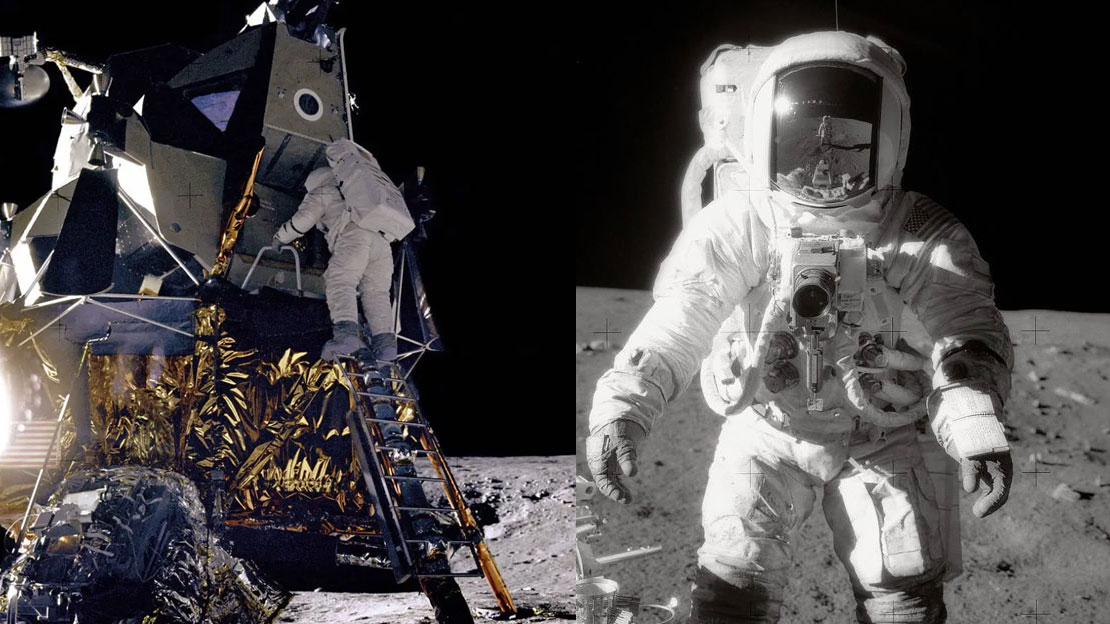
- Pete Conrad, Alan Bean — Apollo 12 (1969)
- Alan Shepard, Edgar Mitchell — Apollo 14 (1971)
- These missions proved precision landing and extended surface operations were possible.
- 13/15
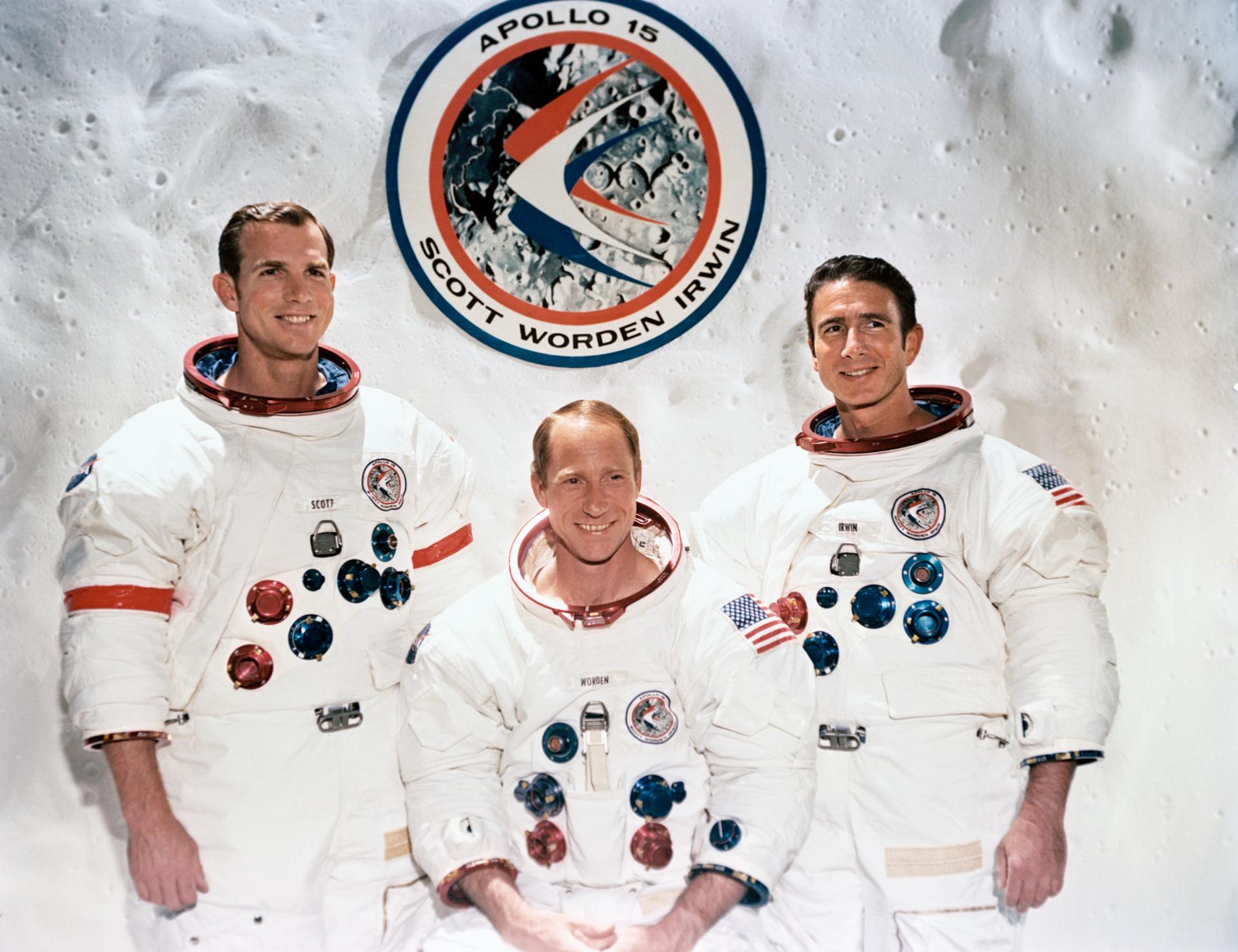
- David Scott, James Irwin — Apollo 15 (1971)
- John Young, Charles Duke — Apollo 16 (1972)
- With lunar rovers and advanced tools, Apollo shifted from exploration to science-driven missions.
- 14/15
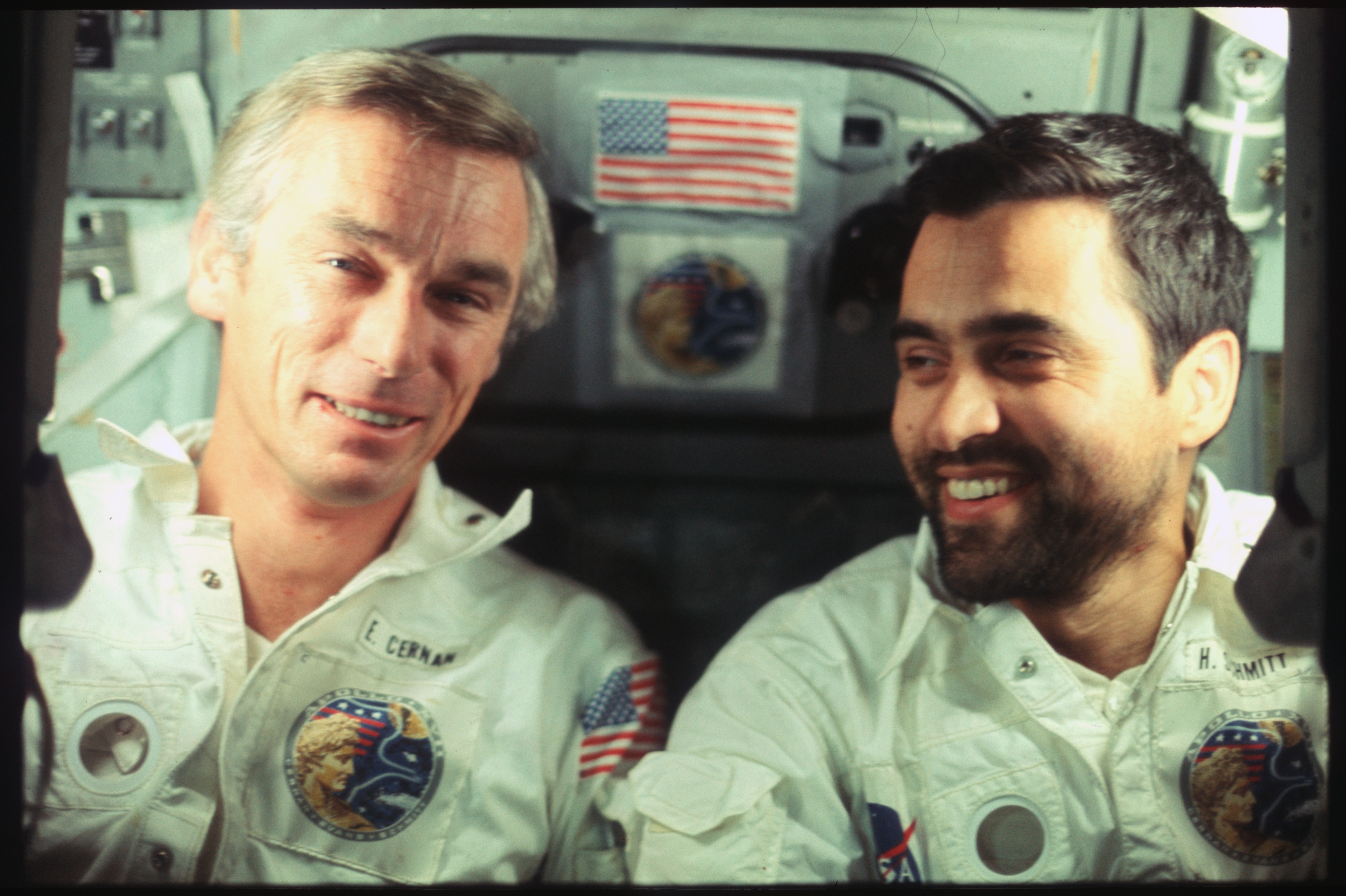
- Eugene Cernan, Harrison Schmitt — Apollo 17 (1972)
- Cernan remains the last human to walk on the Moon, famously saying, “We leave as we came… and, God willing, we shall return.”

- 15/15
Apollo ended in 1972—not because the mission failed, but because priorities changed. What followed was decades of low Earth orbit missions, leaving the Moon untouched… until Artemis.