
Doctors warn: sitting may be the silent enemy of learning
Doctors warn prolonged sitting in schools harms learning. Short movement breaks boost focus, memory, and academic gains—revealing why classrooms must rethink stillness.
- Sep 29, 2025,
- Updated Sep 29, 2025 3:22 PM IST

- 1/9
Hours of motionless study might feel like discipline, but neuroscience shows the brain stalls without blood flow—students lose sharpness, attention, and learning gains the longer they sit.

- 2/9
Classrooms built around stillness clash with biology. Studies show standing desks and posture shifts restore vigilance, trimming off-task behavior while nudging attention and academic outcomes upward.

- 3/9
Just three minutes of stretching or light activity every half hour has been linked to sharper focus and faster processing—tiny movements with outsized impacts on cognition.

- 4/9
A two-year Pediatrics study found children who learned math through movement gained months of extra progress over peers, proving active lessons don’t just entertain—they accelerate achievement.

- 5/9
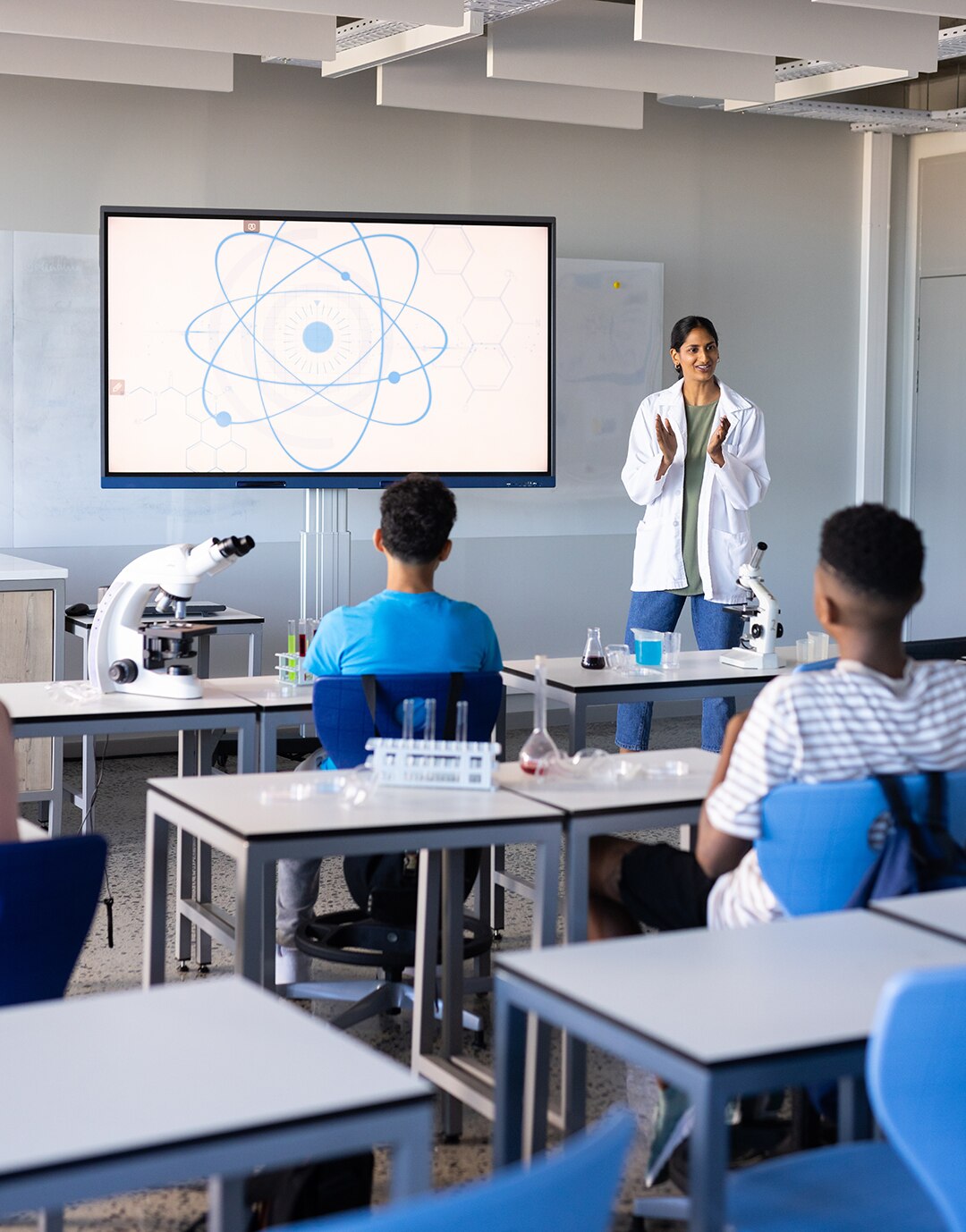
Long revision marathons may feel productive, but psychology experiments reveal they spike mind-wandering, slow reactions, and drain executive function—right when sustained focus is most needed.
- 6/9
Gesture, relay, and motion-based lessons don’t just energize kids; they etch multisensory memory traces, boosting recall long after traditional rote learning fades.

- 7/9
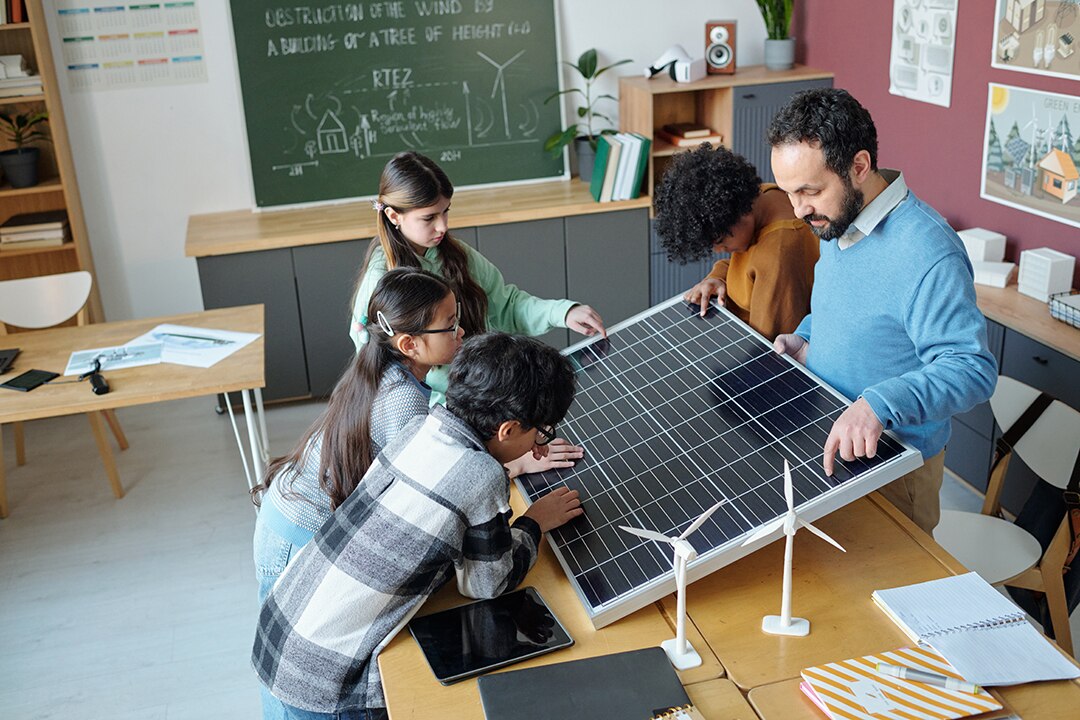
Physical activity jolts neurotransmitters like dopamine and norepinephrine, priming the brain for attention and faster information processing—biology’s built-in study aid.
- 8/9
Teachers weaving movement into lessons report calmer classrooms and stronger engagement, with a 2017 meta-analysis showing measurable gains in on-task behavior across grades.
- 9/9
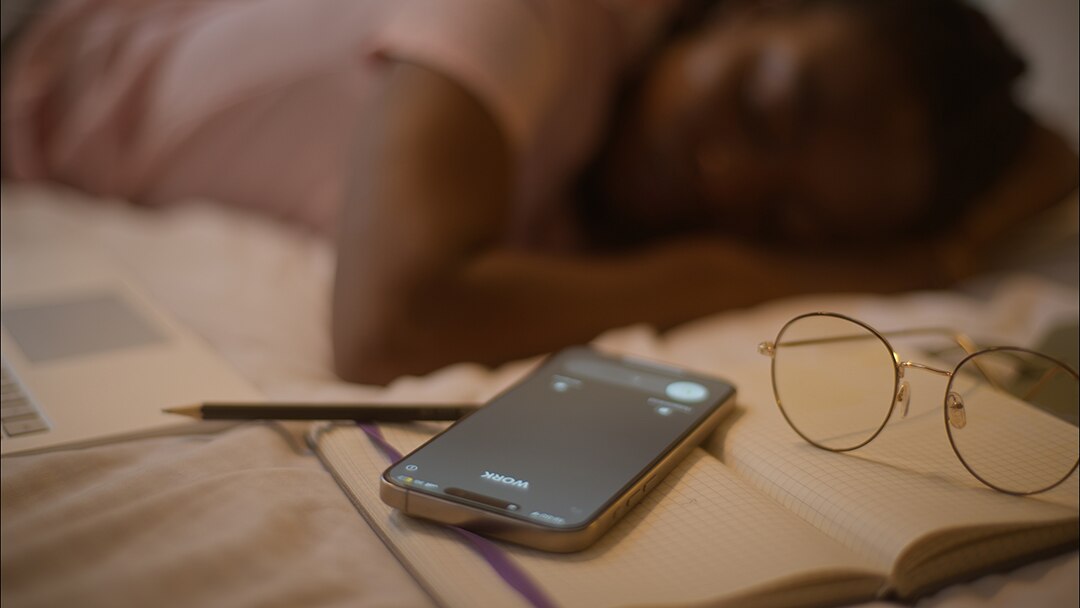
The brain’s learning machinery hums best when physical activity, quality sleep, and limited screen time align—a trifecta predicting sharper cognition and steadier focus.