
Flight Insider : How Pilots and Crew Speak in Hidden Jargon Above You
Unlock airline secrets with insider flight jargon! Learn terms like red-eye, ground stop, air pocket, jump seat, deadhead, and holding pattern to decode your next journey.
- Jul 10, 2026,
- Updated Jul 10, 2026 3:34 PM IST
- 1/7
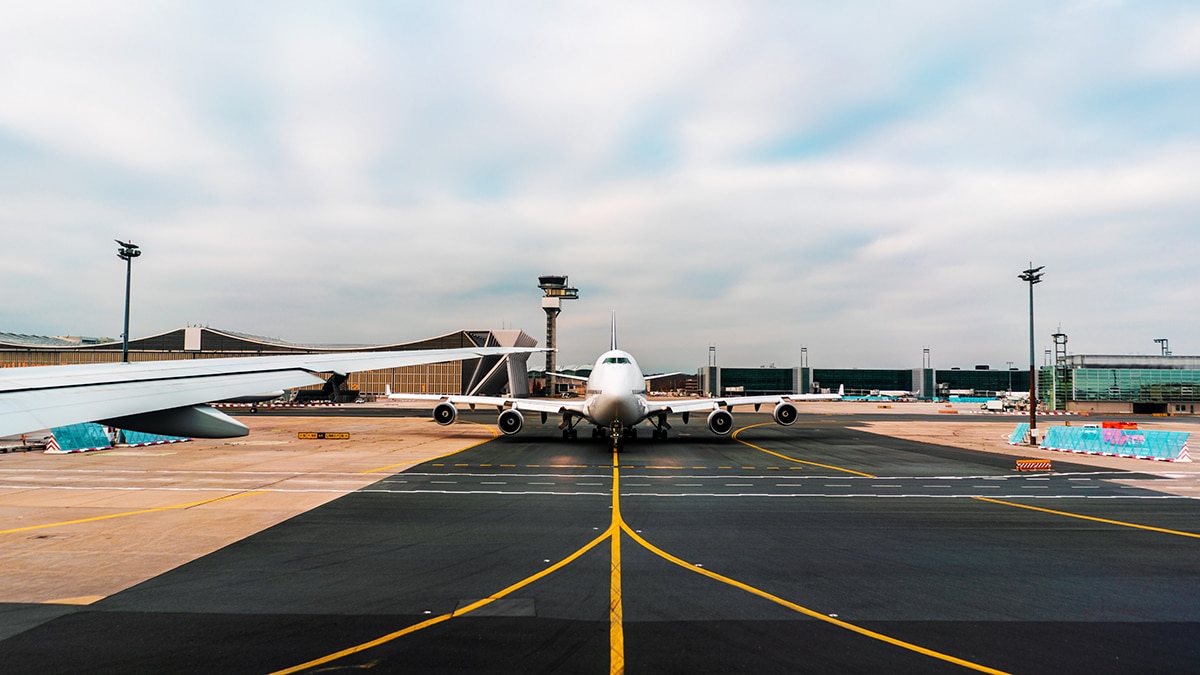
Ground Stop Air traffic control occasionally hits pause with a “ground stop,” forcing planes to wait. Imagine hundreds of aircraft held mid-prep—chaos avoided, but passengers unaware of the invisible orchestration overhead.
- 2/7
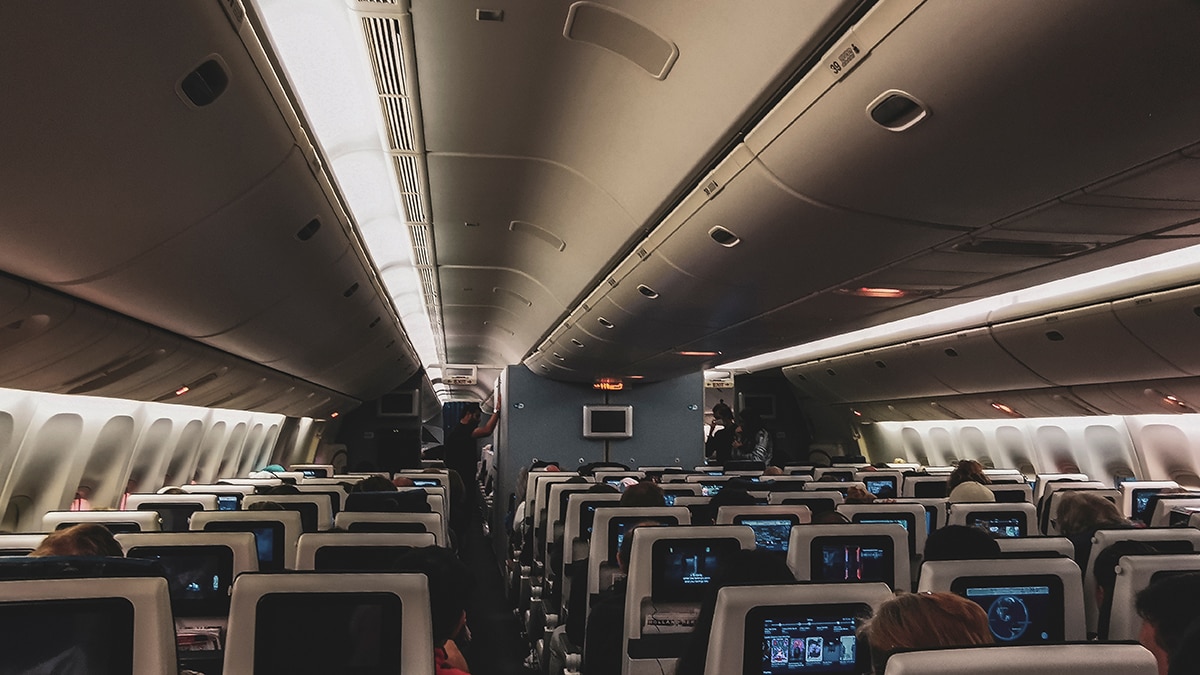
Red-Eye A red-eye flight isn’t about irritated eyes—it’s a late-night journey landing at dawn. Solo travelers or night owls, this term shapes your travel rhythm without you realizing the strategy behind the scheduling.

- 3/7
Air Pocket Ever felt the stomach drop mid-flight? That’s an air pocket, a sudden jolt in turbulence. Pilots and cabin crews manage these invisible patches of sky, keeping passengers safe while the thrill surges unexpectedly.
- 4/7
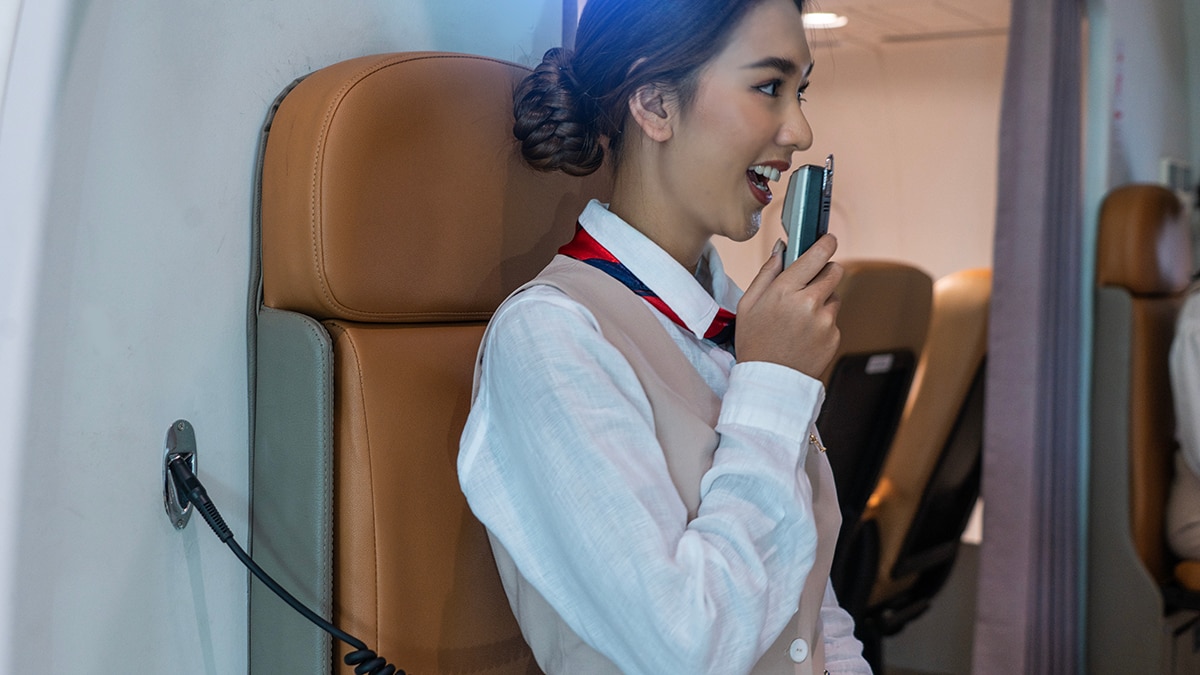
Jump Seat The “jump seat” is where flight attendants perch during takeoff and landing. Not for passengers, it’s a small hub of vigilance—observing, reacting, and ready for any mid-air emergency you’ll never see.
- 5/7
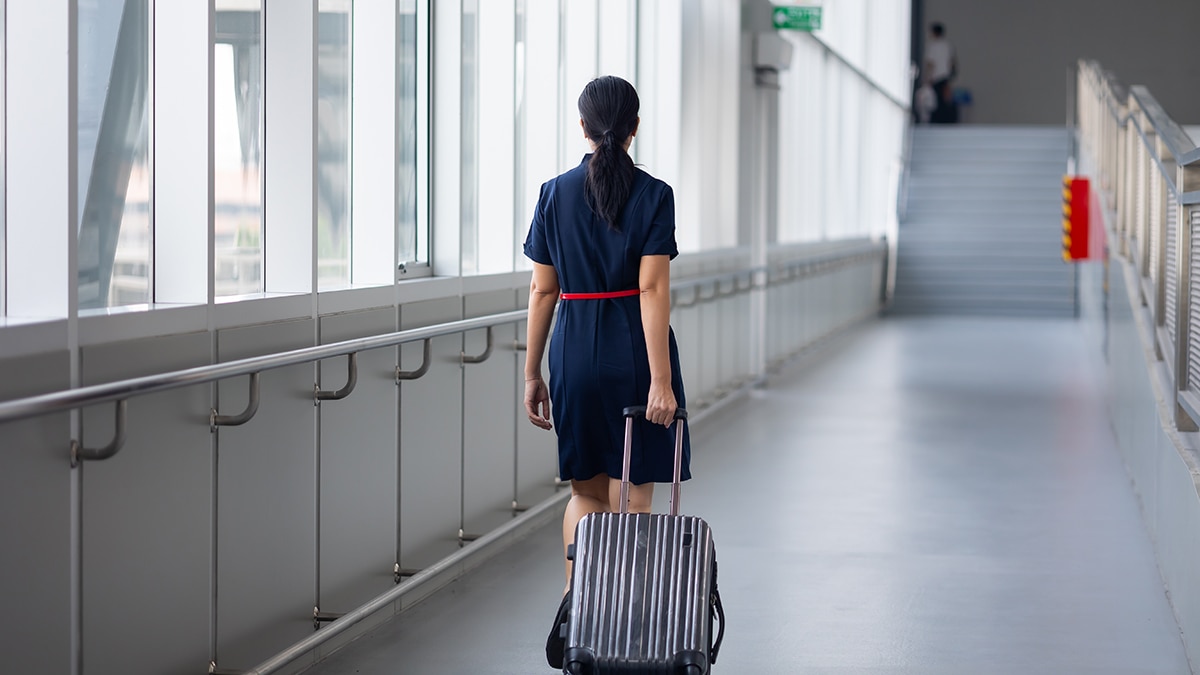
Deadhead A “deadhead” is a crew member traveling without duty, repositioning for their next assignment. Behind the scenes, airlines shuffle personnel like chess pieces, ensuring operations flow seamlessly, invisible to travelers.
- 6/7
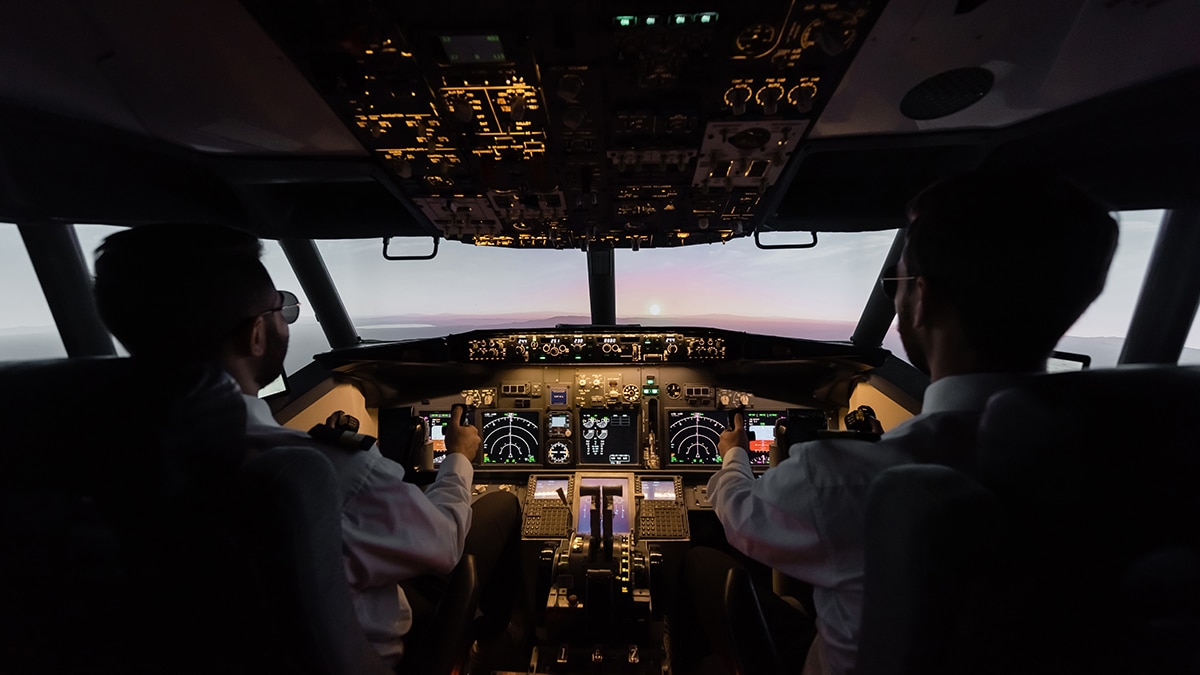
Holding Pattern Planes sometimes circle the sky in a “holding pattern,” a racetrack-shaped delay to safely manage landing queues. To passengers, it’s extra air time; to pilots, it’s precision and planning above the clouds.
- 7/7
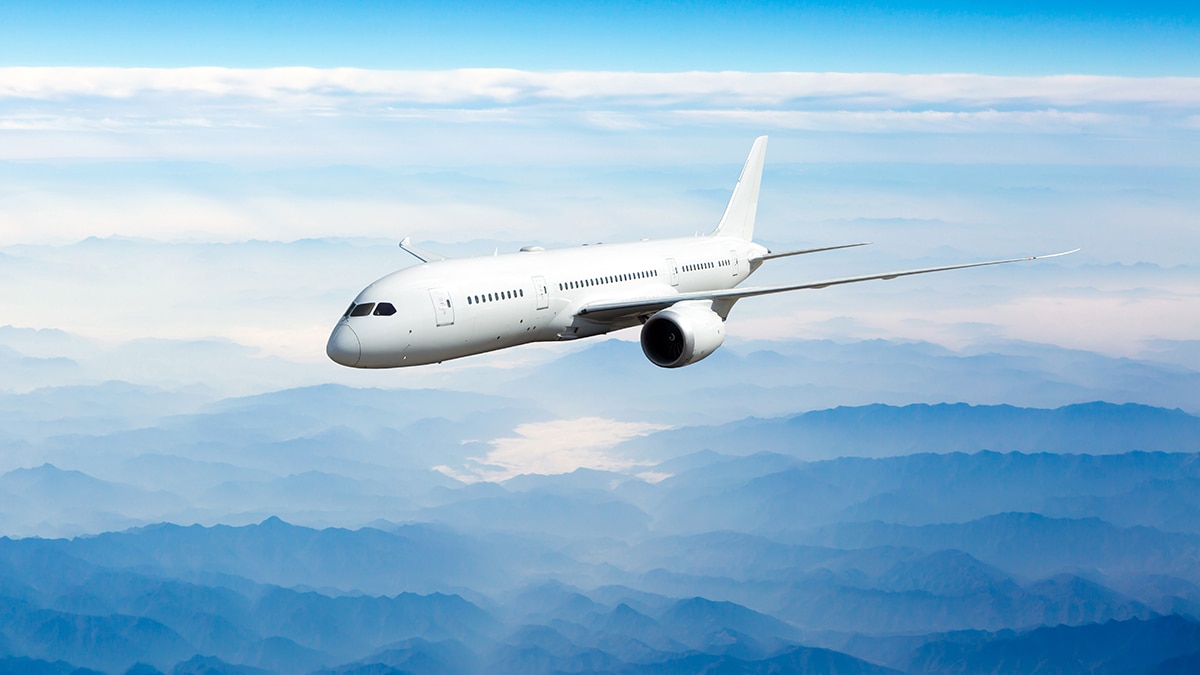
Flight Level Flight level indicates altitude in thousands of feet. A simple number, yet it dictates safety, fuel efficiency, and airspace management. Every cruising plane is a high-stakes puzzle in three dimensions.