
From oil to groceries: War impact hits Indian household budgets
The US–Israel–Iran conflict is driving up crude, packaging, and food costs, quietly increasing grocery bills in India through hidden inflation, price hikes, and reduced product quantities.
- Mar 25, 2026,
- Updated Mar 25, 2026 3:57 PM IST

- 1/9
The US–Israel–Iran conflict isn’t staying on battlefields—it’s quietly entering Indian homes. From grocery bills to daily essentials, households are beginning to feel the squeeze as global tensions ripple into local markets.

- 2/9
It starts with crude. As geopolitical tensions disrupt supply chains, oil prices surge globally. Experts warn that even a slight spike in crude creates a cascading effect—fueling inflation across industries tied to energy.
- 3/9
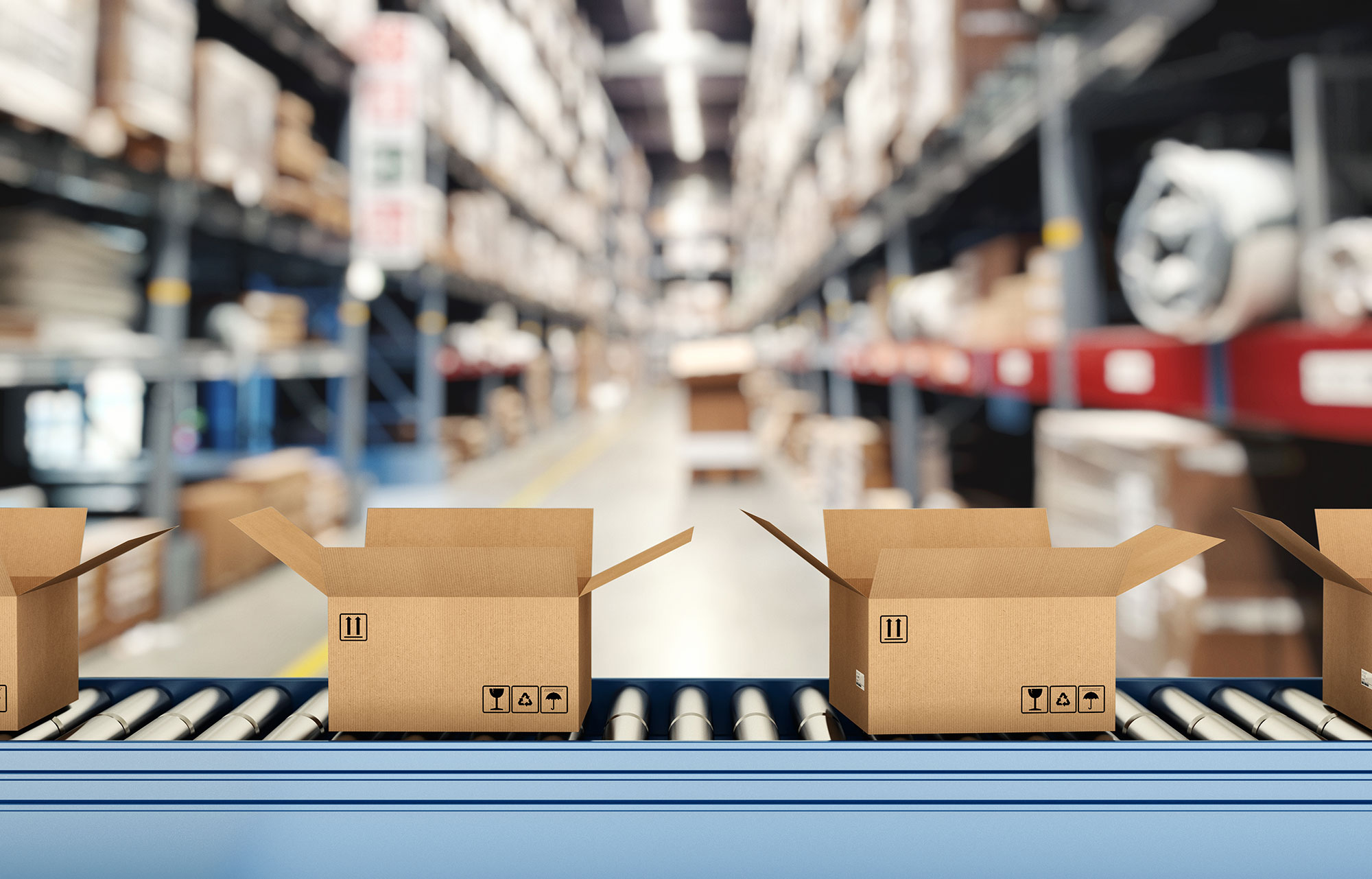
The hidden culprit lies in packaging. Industry data shows polyethylene and polymer costs have jumped 40–50% since the conflict began—materials essential for everything from milk packets to shampoo bottles.

- 4/9
According to Crisil, nearly 25–35% of FMCG costs are linked to crude derivatives. Add packaging (up to 15%), and suddenly everyday products—from soaps to detergents—become vulnerable to global oil shocks.

- 5/9
Price hikes don’t always scream—they whisper. The Reserve Bank of India notes a steady rise in staples like pulses and edible oils, signaling a broad-based inflation quietly building across Indian kitchens.

- 6/9
Not all price increases are visible. In Delhi markets, the iconic ₹5 Parle-G pack has shrunk from 50g to 45g. Same price, less product—a classic “grammage cut” strategy to mask rising costs.

- 7/9
Even local food isn’t spared. In Mumbai, a simple thepla pack jumped from ₹50 to ₹75 in days. Vendors blame soaring cooking gas prices and supply fears—showing how deeply fuel impacts everyday meals.

- 8/9
Industry leaders warn this is just the beginning. With FMCG margins already tight (8–15%), companies are being forced to choose between absorbing losses or passing costs to consumers—neither without consequences.

- 9/9
EY experts highlight a deeper risk: slowing consumption. As companies cut spending on innovation and expansion to protect margins, the ripple effect could stall growth across India’s entire consumer economy.