
Garden experts reveal the 8 stunning houseplants that secretly fear the sun
Discover eight stunning houseplants that thrive in shade but suffer in direct sun. Learn why their delicate leaves scorch easily—and how indirect light helps them stay vibrant and healthy.
- Dec 8, 2025,
- Updated Dec 8, 2025 4:14 PM IST
- 1/9
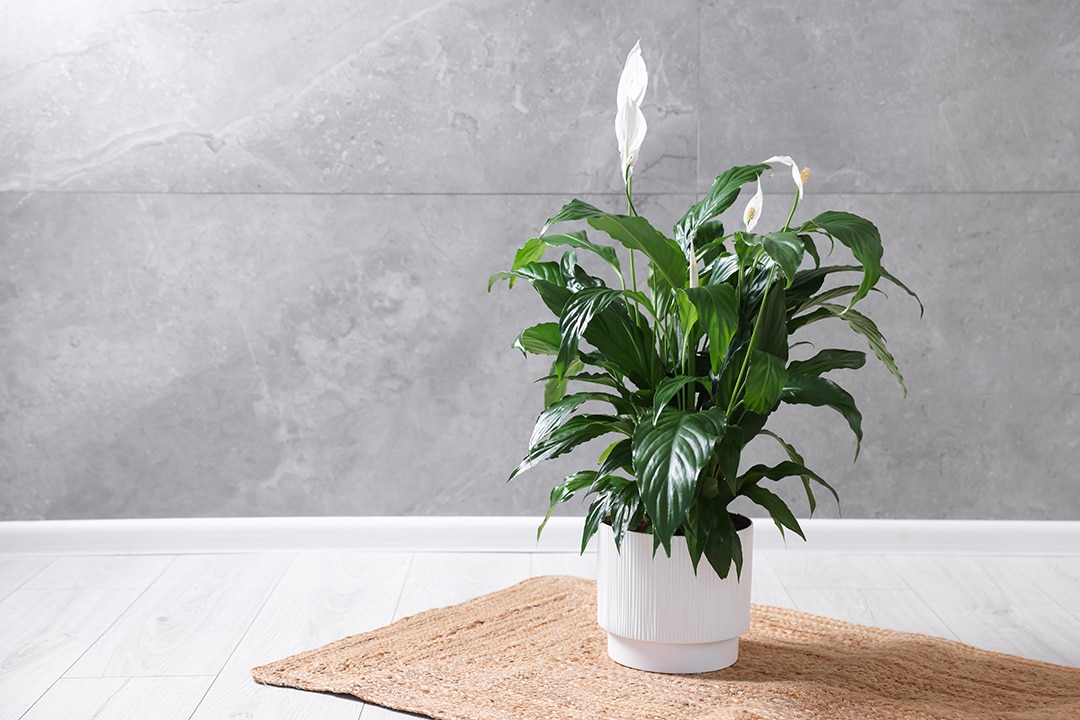
Peace lilies act like quiet protestors against harsh sun—dropping blooms and flashing brown scorch marks the moment midday rays hit. Botanists note their rainforest ancestry leaves them adapted to “dappled canopy light,” not exposed windowsills. Keep them behind sheers and they reward you with glossy calm—and surprisingly dramatic resilience.
- 2/9
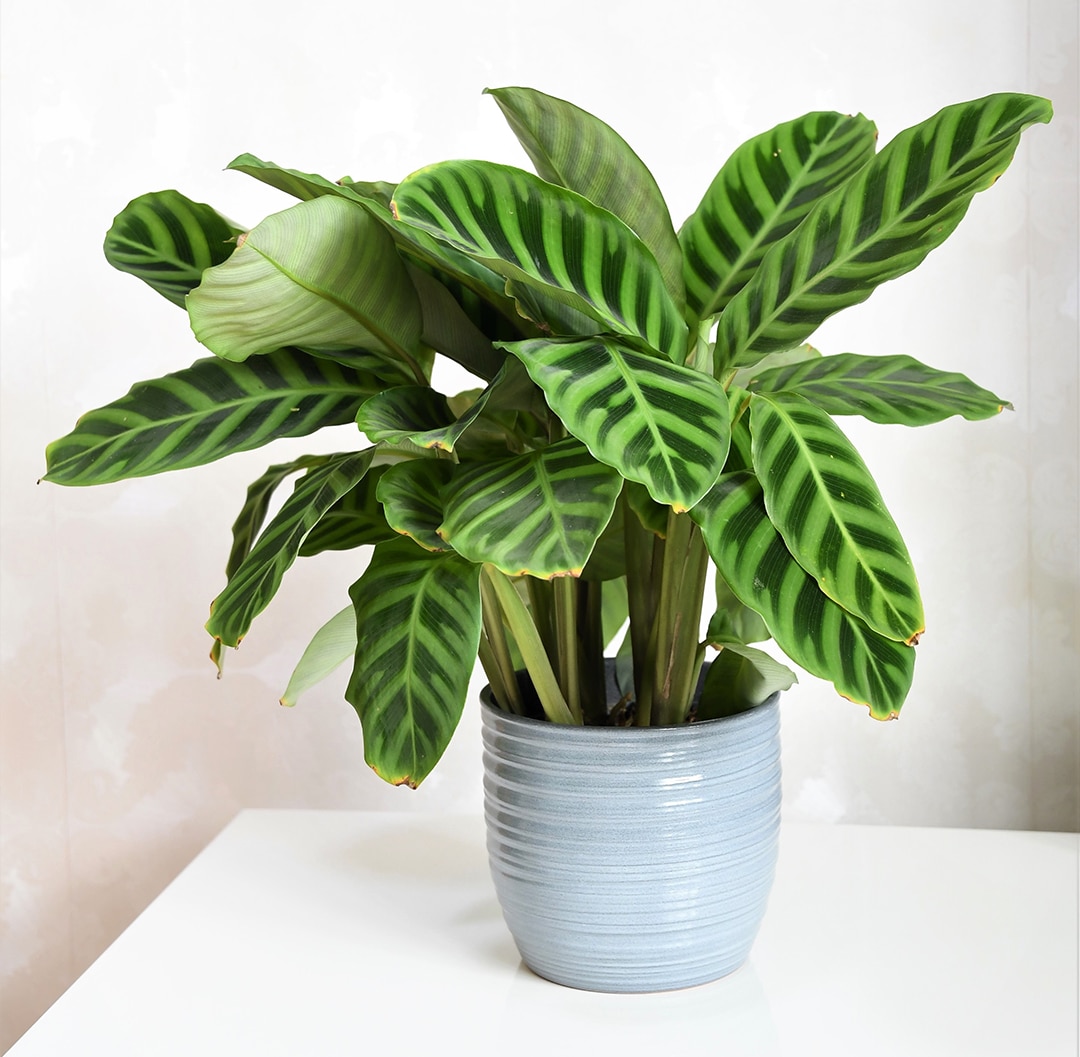
Calatheas, beloved for their neon stripes, react to direct sun like divas caught in bad lighting—colors fade, edges crisp, and the whole leaf seems to sigh in defeat. Horticulture studies confirm their ultra-thin tissue makes them UV-sensitive. Place them in diffused light and their patterns return with a vengeance, like ink reappearing on silk.
- 3/9
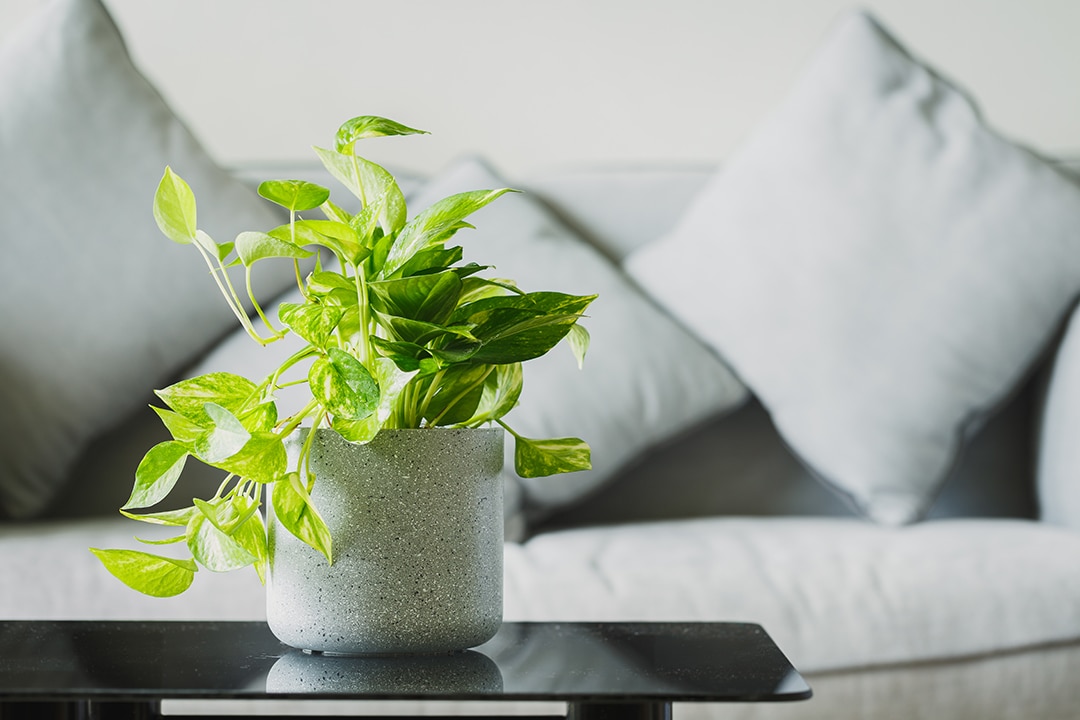
Pothos may have a reputation as the unkillable office plant, but under intense sun their variegation quietly erodes—greens dull, yellows bleach, and edges stiffen like sunburnt parchment. Growers often compare it to “slow-motion fading.” Shift them back into indirect light, and watch those creamy streaks revive like a Polaroid developing.
- 4/9
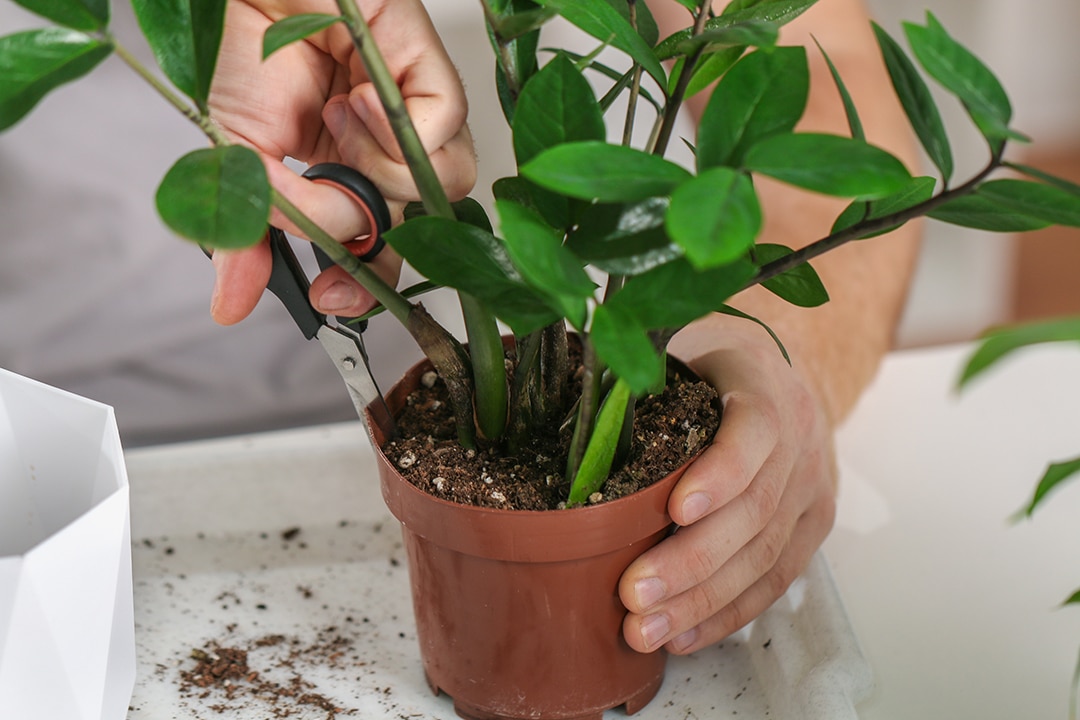
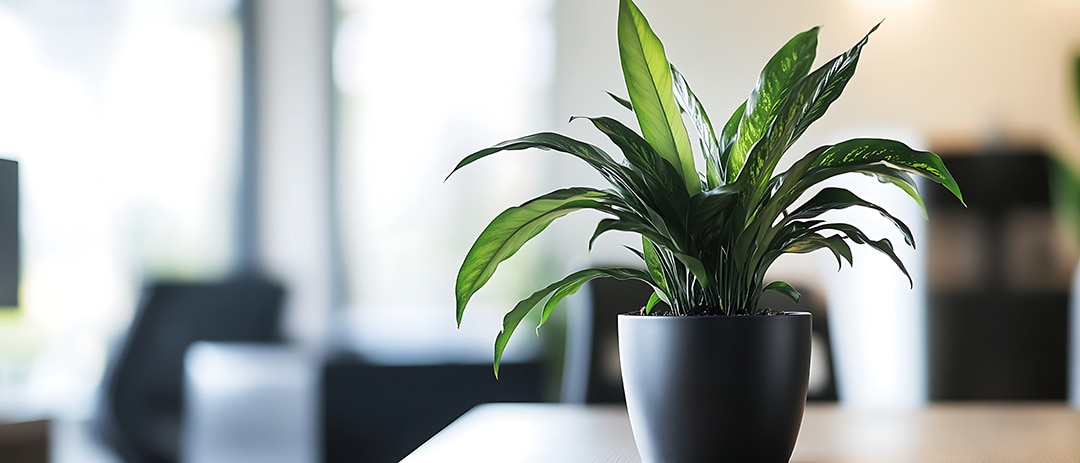
The ZZ plant’s waxy leaves look invincible—but sunlight exposes their kryptonite. Afternoon rays turn that shine matte and leave ghostly scorch patches where moisture evaporates too fast. Studies on Zamioculcas show its adaptation to deep-shade African forests explains its sun sensitivity. Keep it off the windowsill and the gloss stays mirror-bright.
- 5/9
Chinese evergreens don’t just dislike sunlight—they seem personally offended by it. Their pinks, reds, and silvers wash out, spotting appears, and tips crisp under UV overload. Interior plant researchers frequently cite aglaonemas as “low-light superstars.” Give them dim corners and they transform forgotten spaces into jewel-toned alcoves.

- 6/9
Maidenhair ferns behave like botanical lace—one touch of direct sun and their fronds shrivel into brittle confetti. Their native habitat under dripping forest canopies explains why moisture and filtered light are non-negotiable. Garden experts describe them as “humidity loyalists,” thriving only when their environment feels like a soft, perpetual mist.
- 7/9
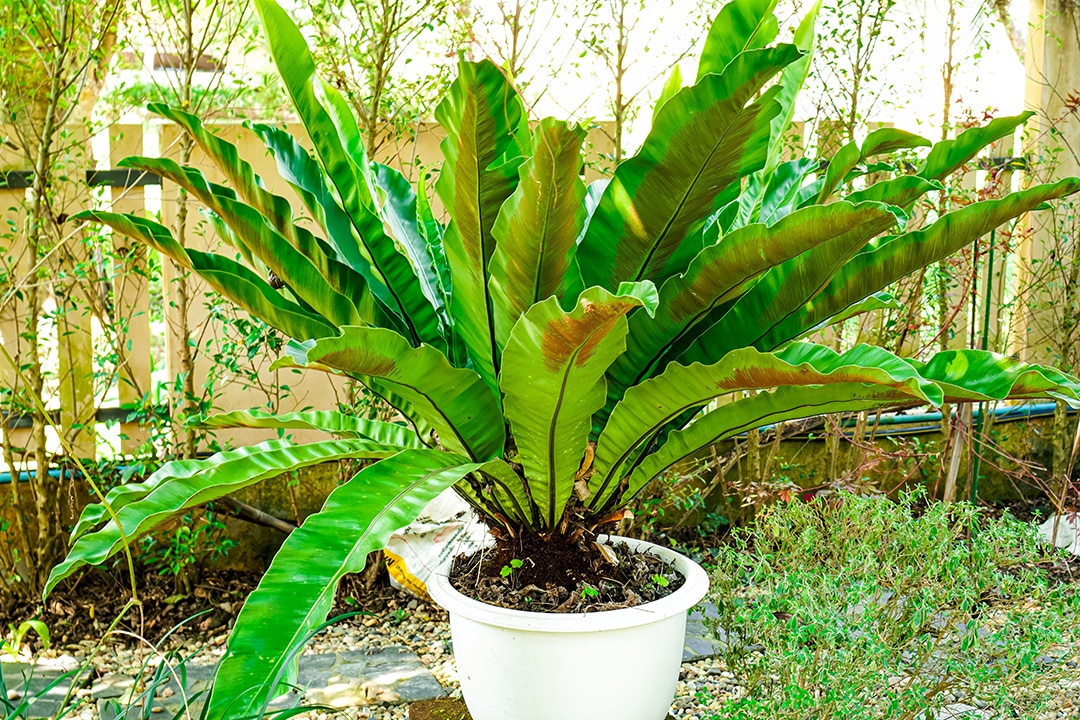
Bird’s-nest ferns carry themselves with structured elegance, but harsh sunlight unravels them—curling fronds, fading greens, and stalled new growth. Field studies note these ferns evolved in shadowy rainforest crotches, gathering diffused light. Keep them away from glare and the nest unfurls new fronds like slow-motion fireworks.
- 8/9
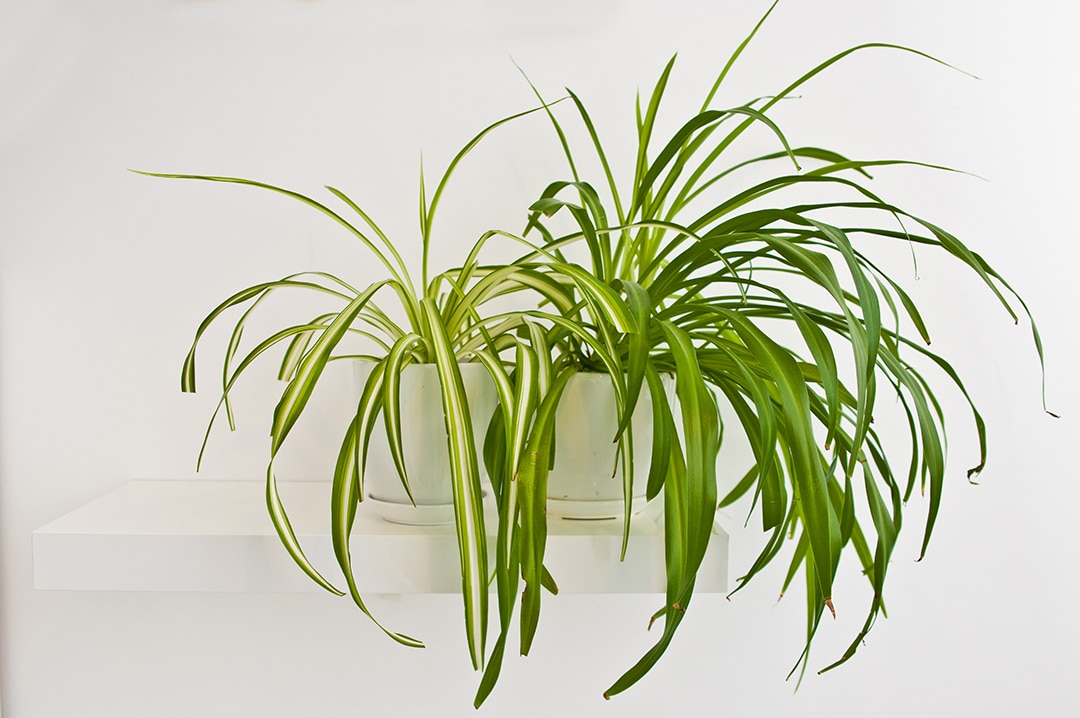
Spider plants wear sunlight damage like a warning label: brown tips, faded stripes, and stressed foliage. While adaptable, they dehydrate quickly in hot sun, causing those telltale crunchy ends. Grow-light trials show they perform best under bright but indirect light, where their arching leaves stay crisp, green, and lively.
- 9/9
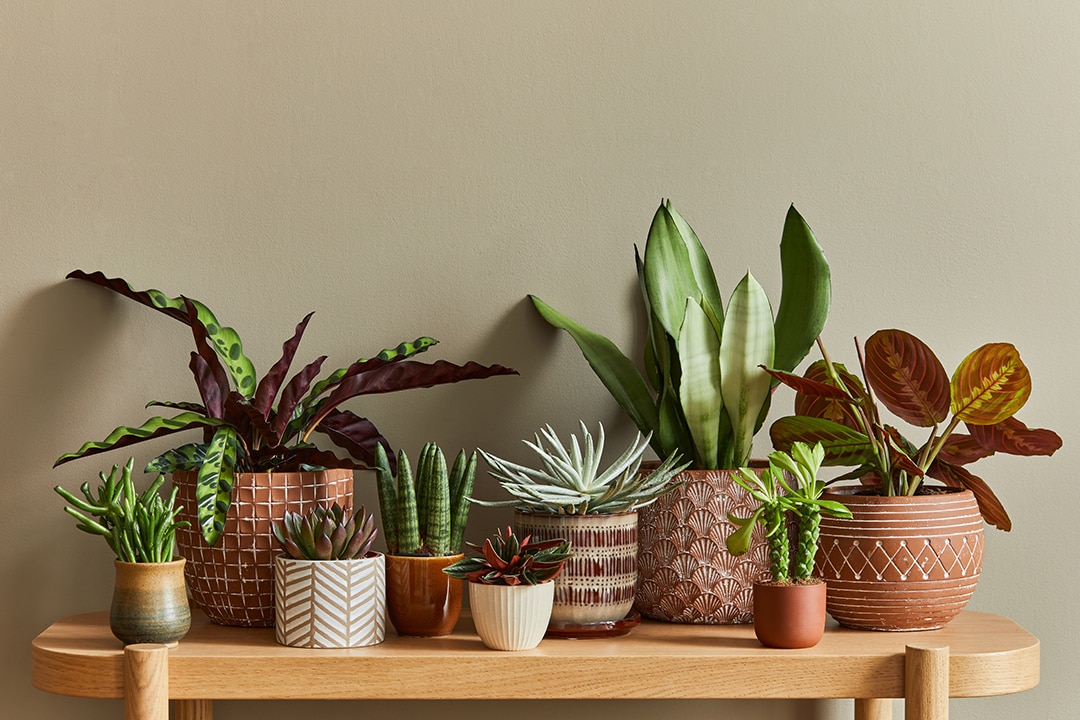
These eight shade-lovers are proof that not all beauty thrives in the spotlight. Many originate from forest understories, where filtered beams—never full sun—shaped their delicate physiology. Place them in north rooms or shadowed corners and they flourish, turning dim spaces into lush, living sanctuaries without a single leaf sacrificed to scorch.