
How a New 2025 Ranking Rewrote the Map of the World’s Most Beautiful Places
A stunning 2025 ranking reshapes our view of the world’s most beautiful countries—from Greece’s glowing isles to Iceland’s volcanic wilds—revealing landscapes that feel mythic, raw, and unforgettable.
- Dec 11, 2025,
- Updated Dec 11, 2025 12:54 PM IST
- 1/9
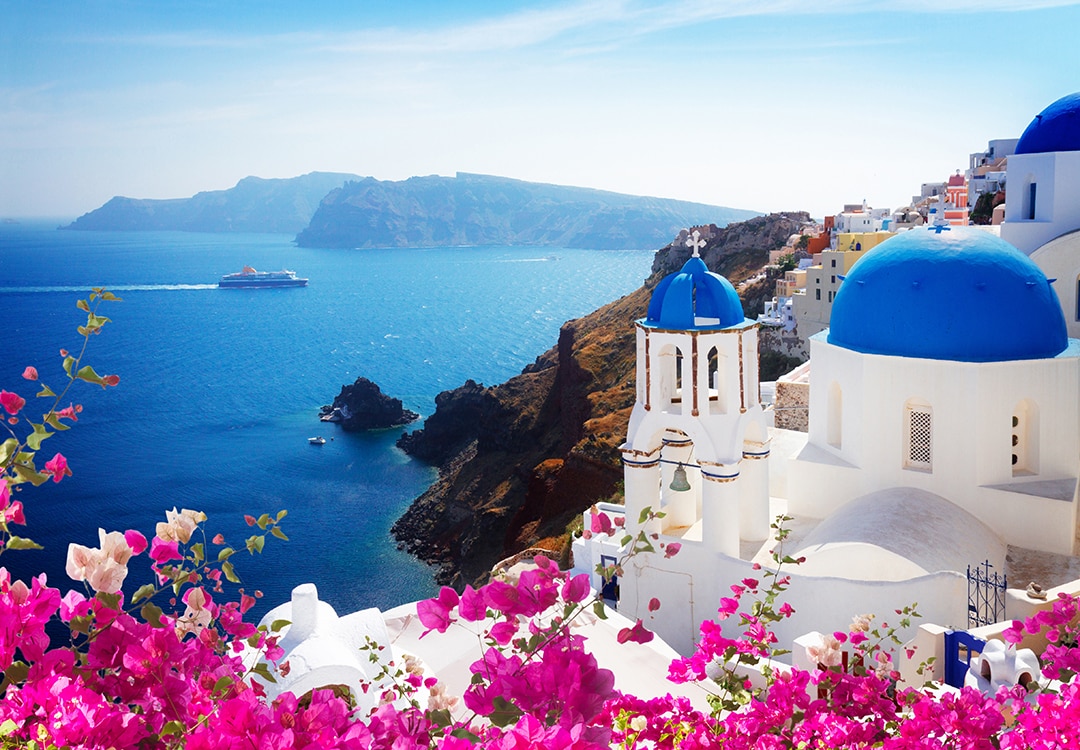
Greece’s sudden leap to the top spot reads like a plot twist—whitewashed islands glowing in the Aegean sun, cliffside homes shimmering at dusk, and archaeologists whispering that nowhere else blends myth, memory, and Mediterranean drama quite like this. Studies on tourism perception consistently rank Greece in the top tier for “visual identity”—and travelers keep confirming why.
- 2/9
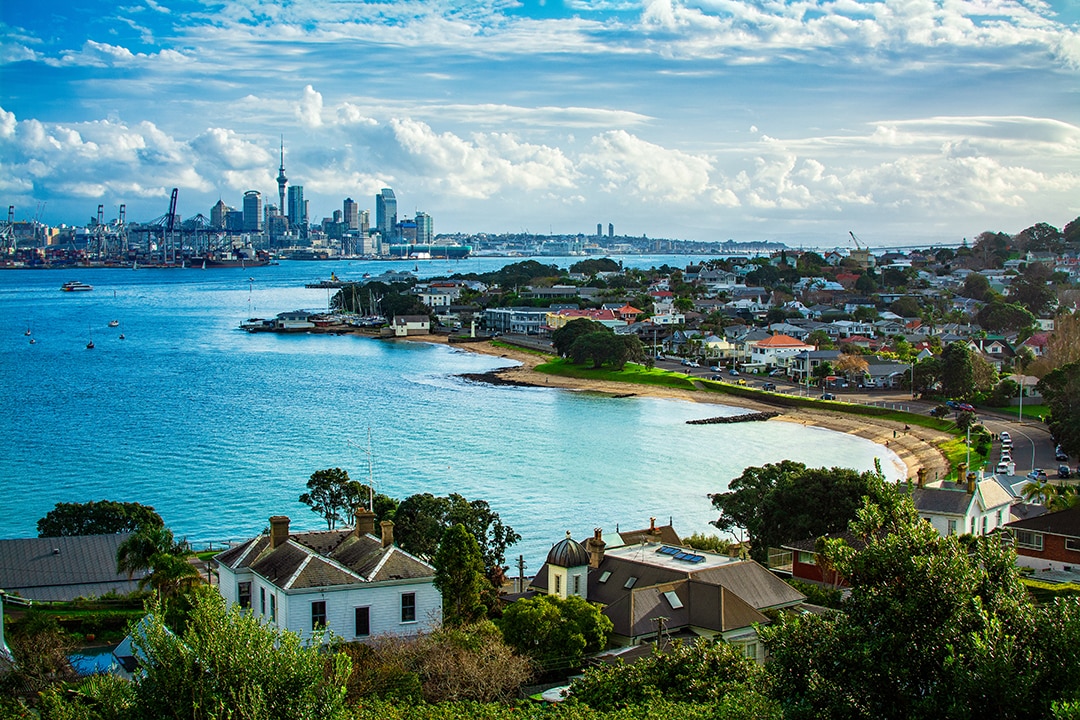
New Zealand’s landscapes feel alive, as if the fjords and misty mountains are keeping secrets only adventurers can decode. Ecologists note its unusually high biodiversity for a nation its size, fueling the sense that every valley hides a new story. Visitors often describe it as a country that quietly transforms them—even when they didn’t come seeking transformation.
- 3/9
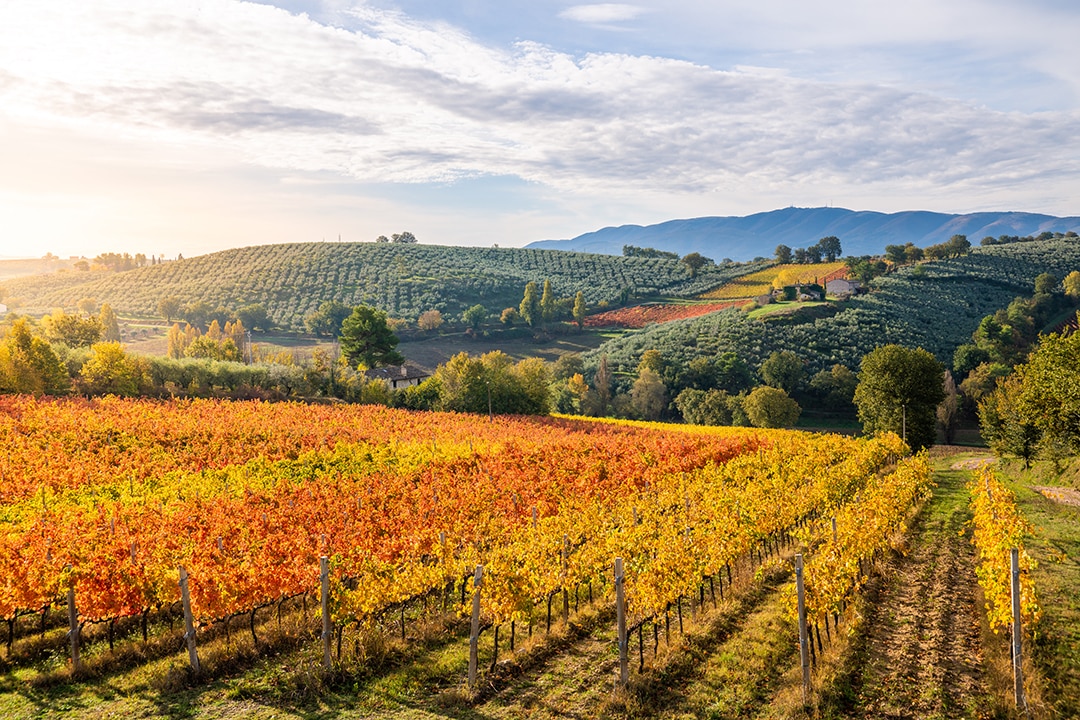
Italy’s beauty isn’t just seen—it’s felt, stitched together through vineyards, ancient stones, and coastlines that glow like film stills. Cultural historians point out that few nations achieve Italy’s balance of natural and artistic splendor, creating a sensory overload that lingers for years. It’s the kind of place where even casual moments feel intentionally cinematic.
- 4/9
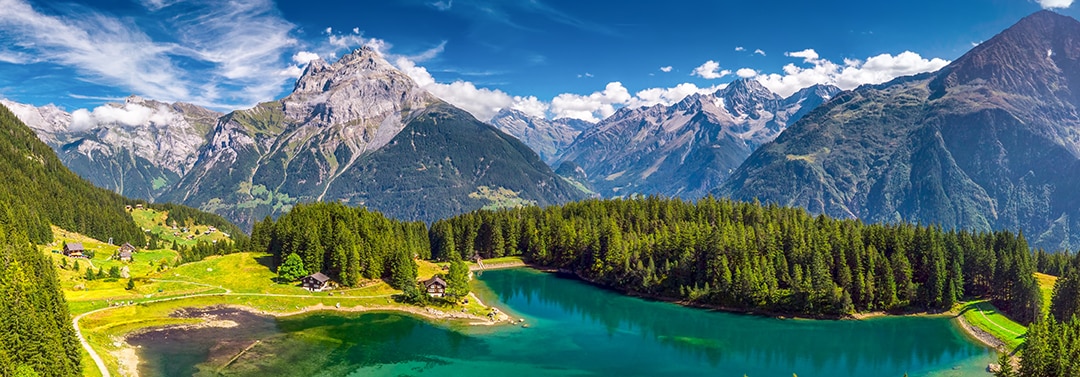
Switzerland’s ranking may fluctuate, but its impact doesn’t. Psychologists studying restorative environments often cite Alpine regions like these for their uncanny ability to lower stress markers. That might explain why travelers describe Switzerland as a living postcard that recalibrates them—snow peaks, still lakes, and panoramas so expansive they hush entire train cars.
- 5/9
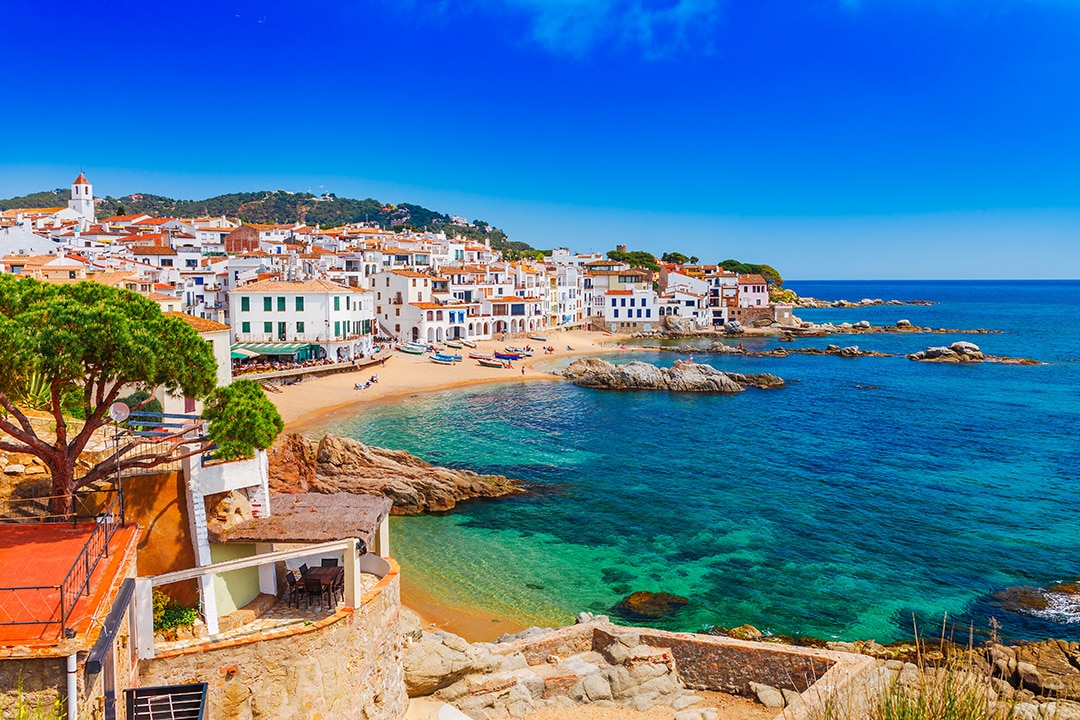
Spain thrives on contrast—sunburnt deserts, Mediterranean blues, medieval alleys, and cities pulsing with color. Cultural researchers note that Spain repeatedly scores high for “experiential diversity,” making visitors feel as if they’ve crossed several nations in one. Every region seems to tug you into a different narrative, refusing to let the country be just one thing.
- 6/9
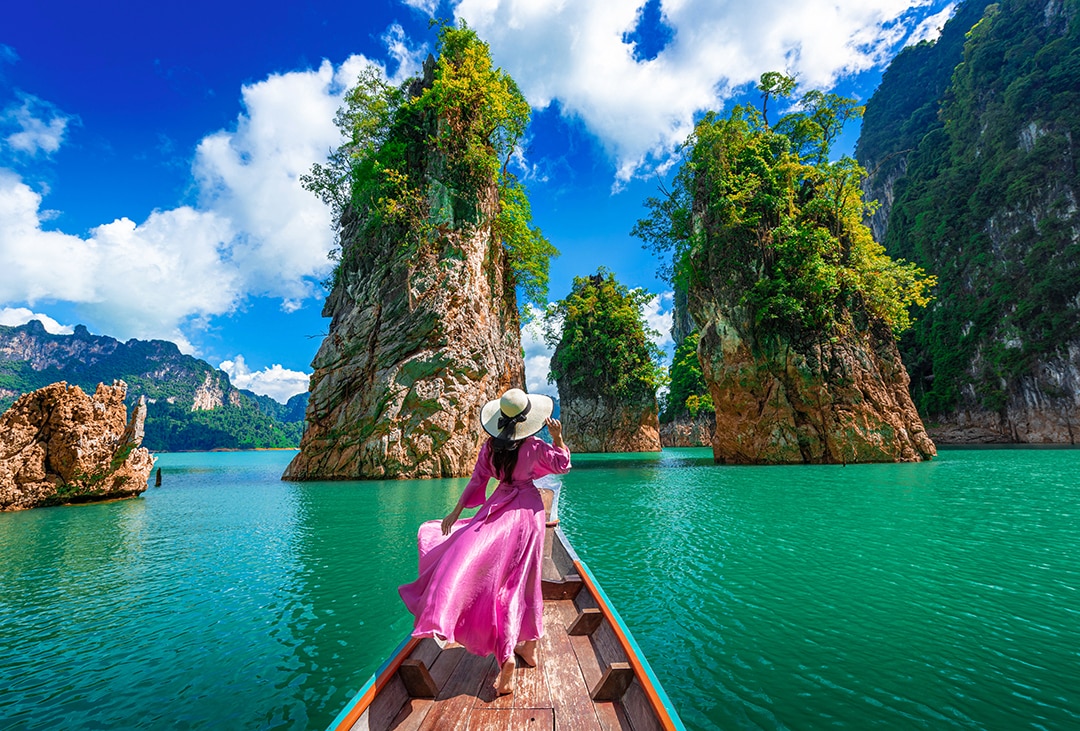
Thailand’s beauty isn’t merely tropical; it’s theatrical. Emerald jungles, golden temples, and islands sculpted like myths-in-progress keep it high on scenic rankings. Tourism studies highlight how Thailand excels at blending natural magnetism with cultural warmth, leaving travelers feeling both dazed and welcomed—like they’ve stepped into a story written in sunlight.
- 7/9
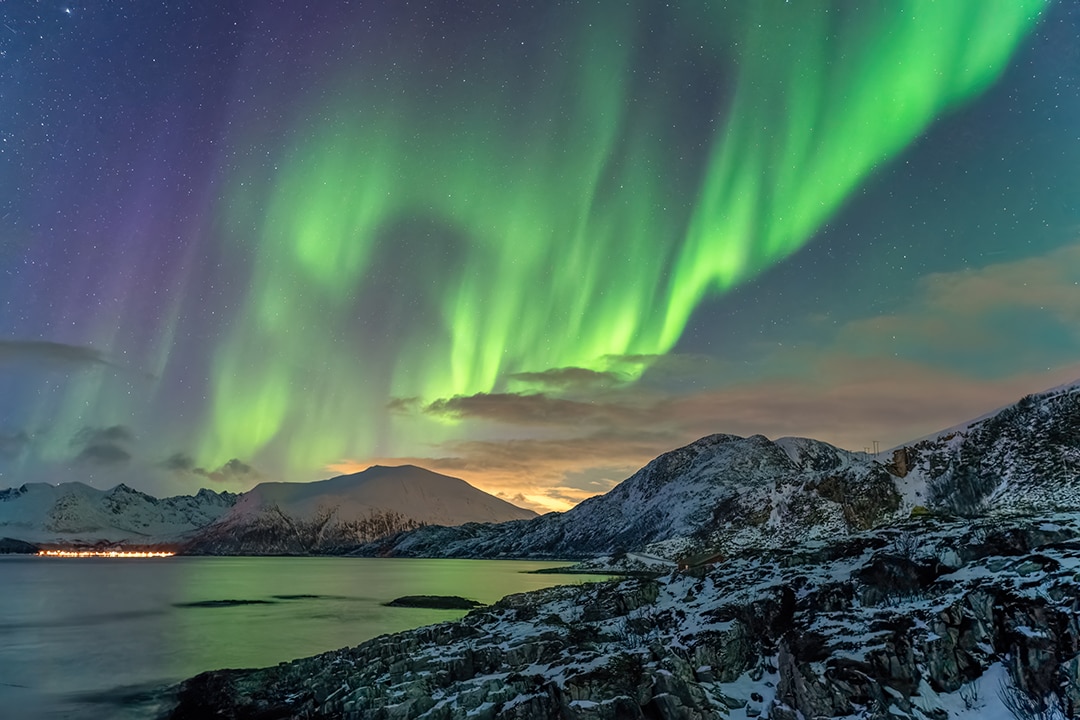
Norway offers the kind of majesty that feels unedited—fjords carved by ice, mountains that vanish into clouds, and auroras that look engineered by some cosmic artist. Climate scientists say Norway’s unique geography amplifies atmospheric light displays, which may be why the northern sky feels like a character in its own right. Travelers chase silence here, and find awe instead.
- 8/9
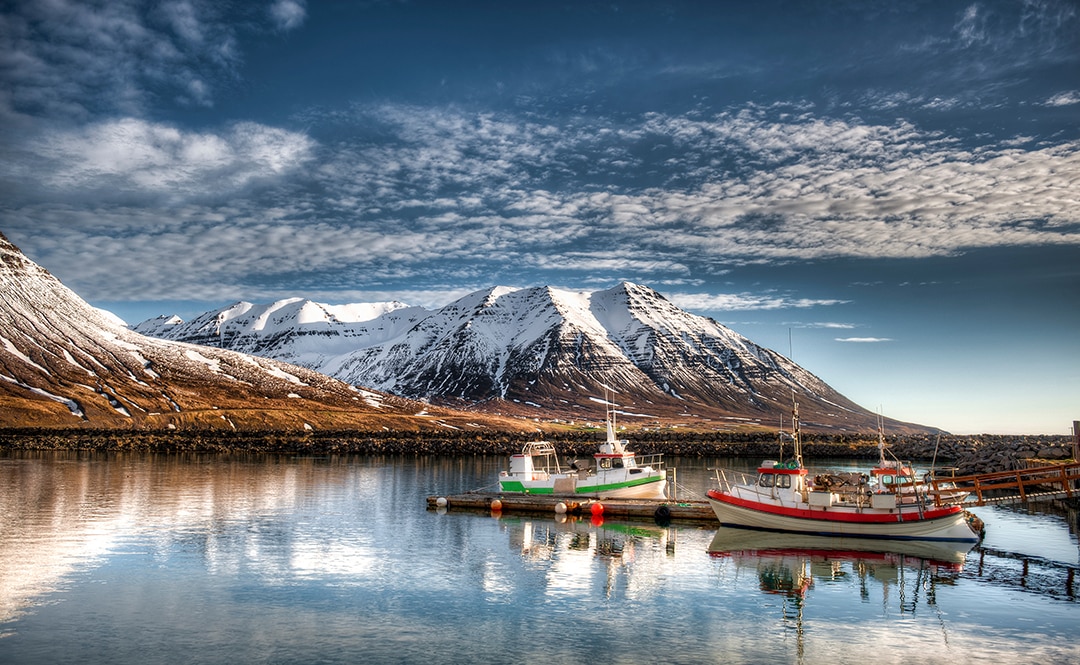
Iceland’s raw beauty hits like a plot twist: black-sand beaches whispering under wind, geysers erupting like impatient storytellers, and volcanic scars shaping a land that looks borrowed from another planet. Geologists call it one of Earth’s most “emotionally charged” terrains, where each eruption and frozen field hints at deeper forces simmering below.
- 9/9
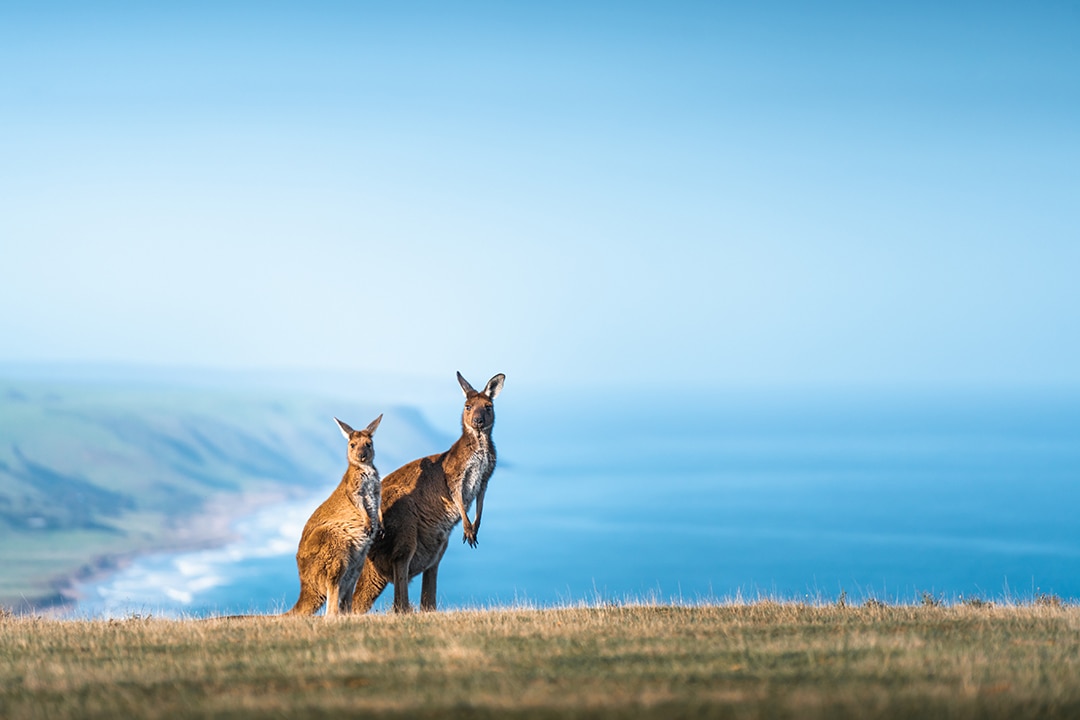
Australia is beauty stretched to the horizon—reef blues so vivid they look surreal, deserts humming with heat, rainforest canopies thick with ancient life. Environmental researchers emphasize its extraordinary ecological contrasts, giving travelers a sense of crossing entire worlds within one nation. It’s vast, wild, and unforgettable in a way that resists tidy summary.