
How Dharmendra rewrote heroism in Hindi cinema—action, comedy and cultural icons
Dharmendra, Bollywood’s ‘He-Man’, passed away at 89. From Sholay’s Veeru to The Burning Train’s hero, his six-decade legacy of over 300 films shaped Hindi cinema’s most iconic eras.
- Nov 24, 2025,
- Updated Nov 24, 2025 3:52 PM IST
- 1/9
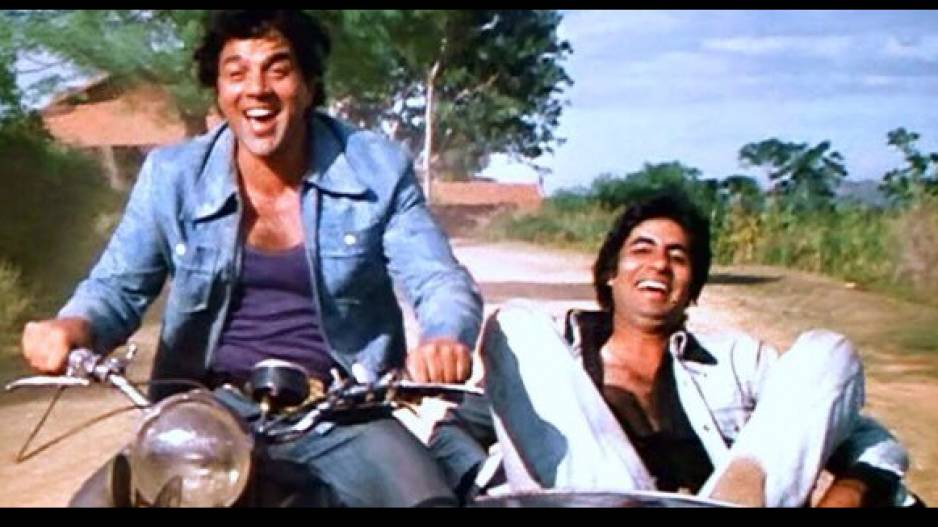
In the cult film Sholay, Dharmendra’s portrayal of Veeru became more than just a character—it turned into a cultural moment. His wit, bravado and chemistry with co-star Amitabh Bachchan still echo across generations.
- 2/9
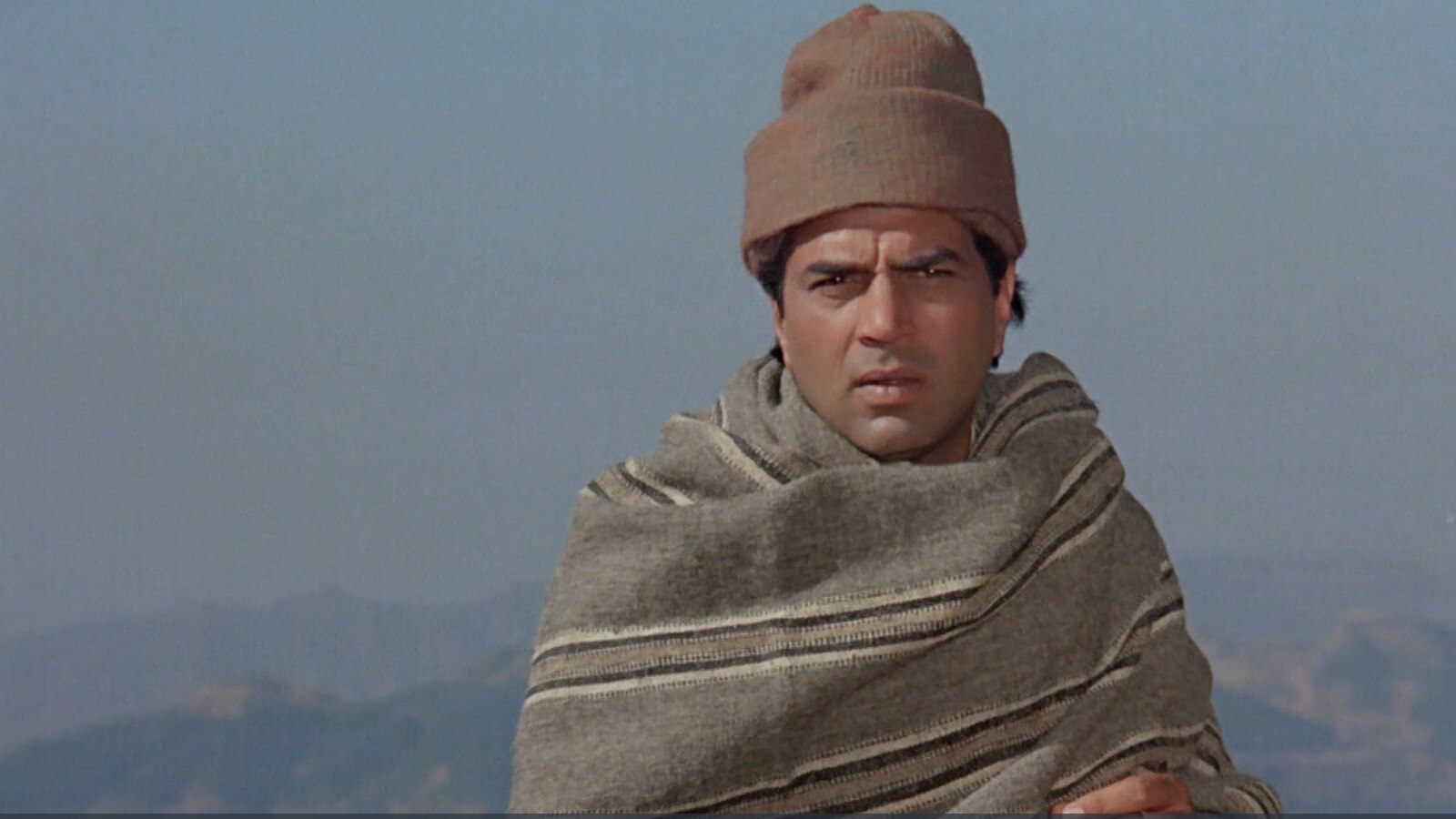
With the film Chupke Chupke, Dharmendra proved he could master both muscle and mirth. His seamless transition into comic timing revealed a depth few expected from Bollywood’s ‘He-Man’.
- 3/9
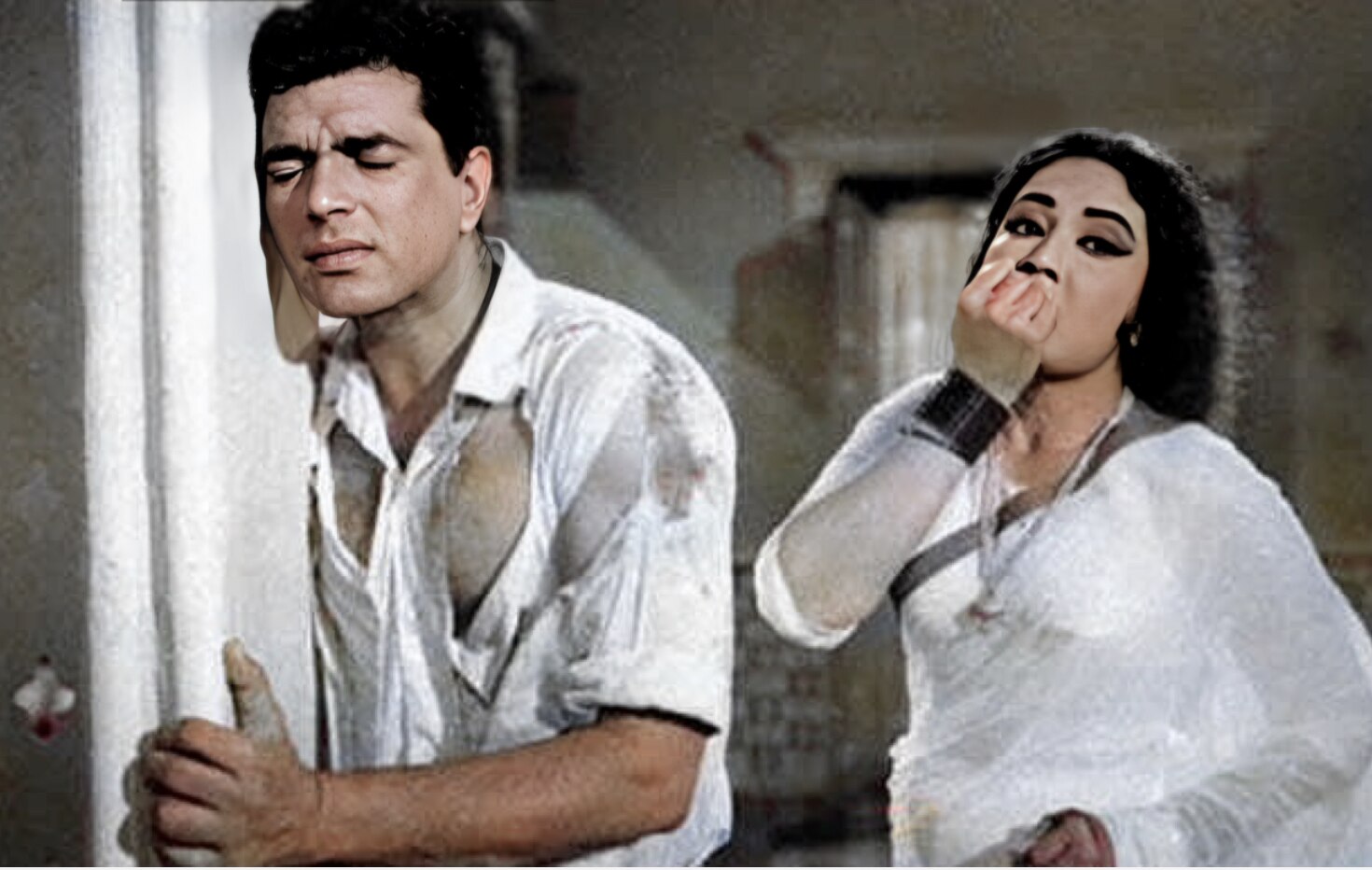
In Phool Aur Patthar Dharmendra’s raw intensity and shirtless depiction signalled a new breed of hero—complex, vulnerable and audacious—all at once.
- 4/9
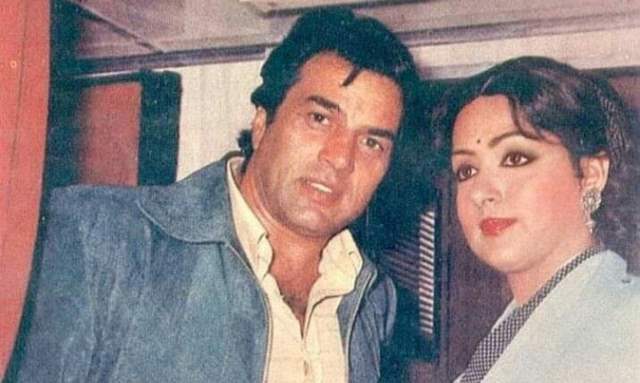
In the action-thriller The Burning Train, Dharmendra’s performance as the steadfast engineer racing against catastrophe reminded audiences why he earned the title “He-Man” of Bollywood.
- 5/9
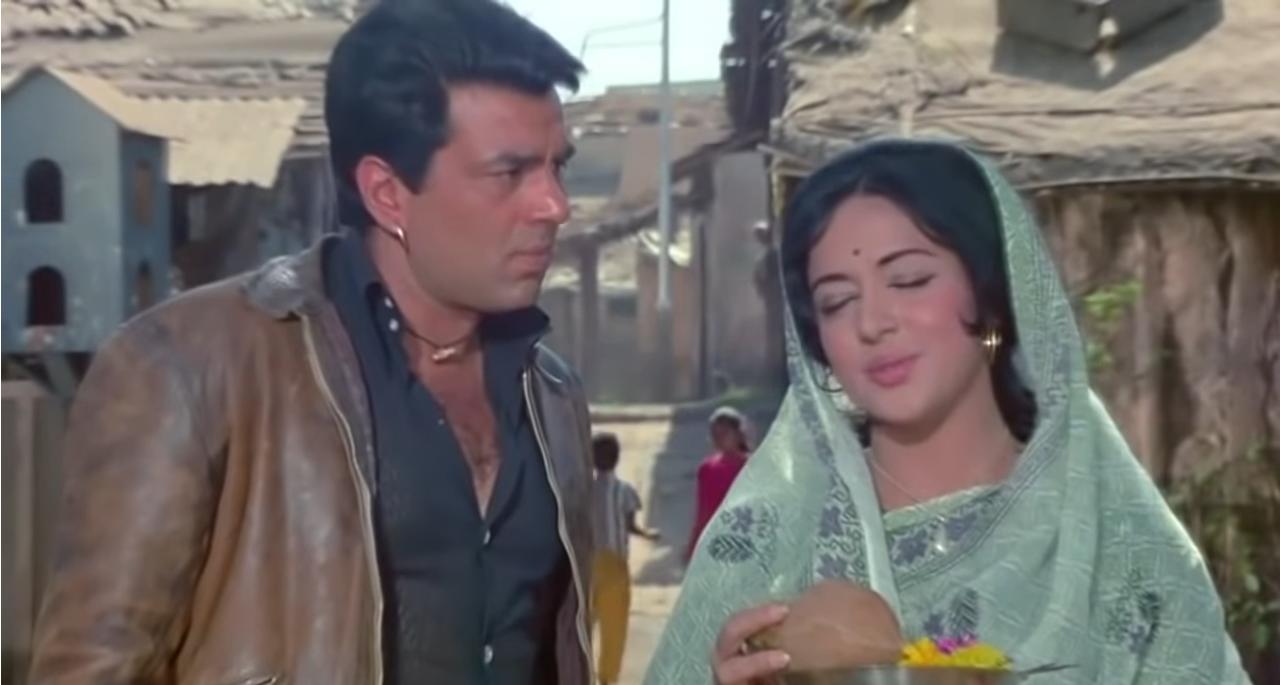
In Seeta Aur Geeta, though the twin sisters took centre stage, Dharmendra’s rugged magnetism and romantic flair made him unforgettable—he played the hero with ease and edge.
- 6/9
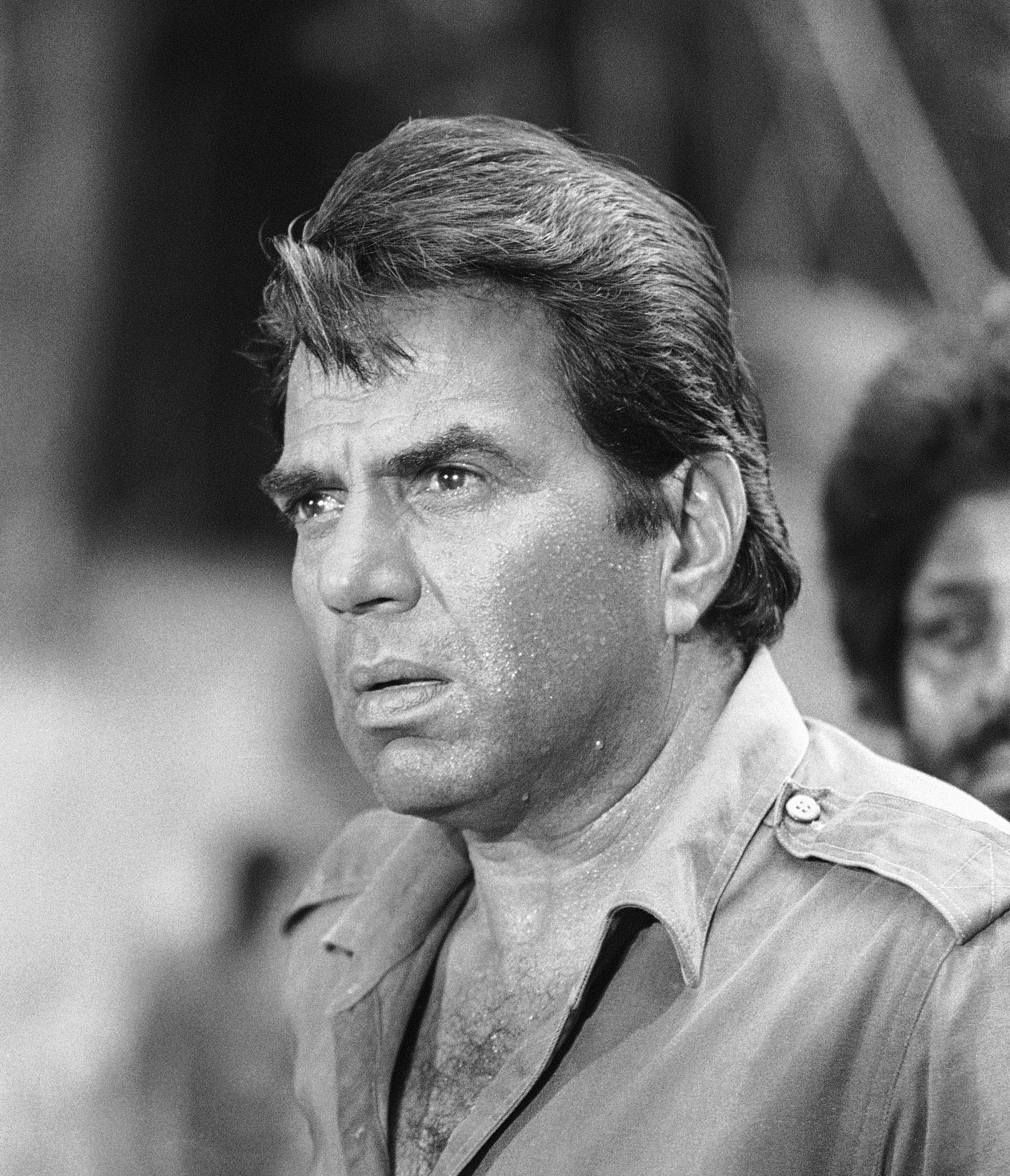
Born in Sahnewal, Punjab in 1935, Dharmendra began with small roles—earning just ₹51 for his debut film Dil Bhi Tera Hum Bhi Tere (1960)—and built a six-decade empire that redefined Hindi cinema’s stardom.
- 7/9
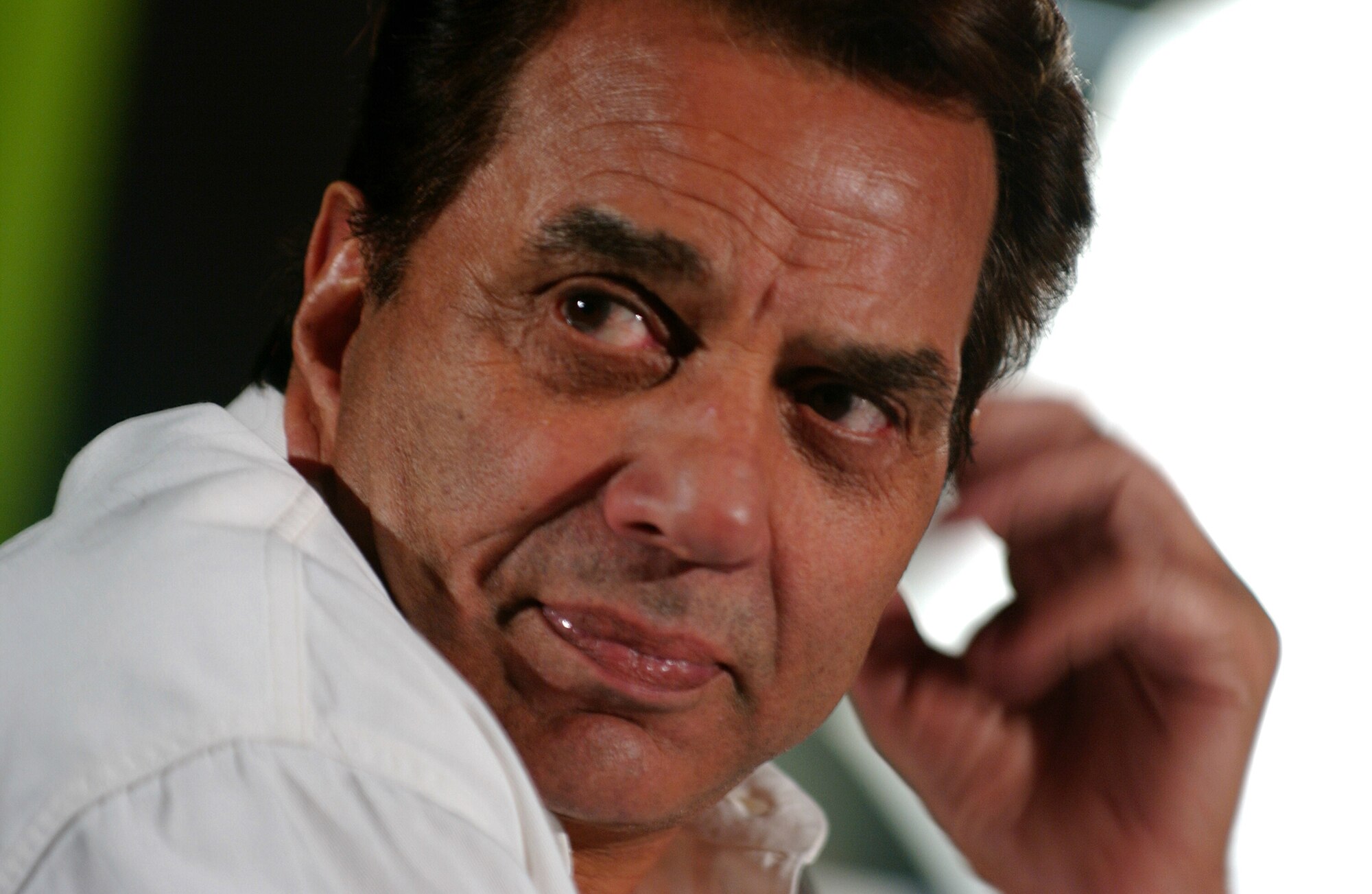
With over 300 films under his belt and decades of dominating audiences, Dharmendra’s filmography became a milestone of Bollywood’s golden era—his talent spanning romance, action, drama and comedy.
- 8/9
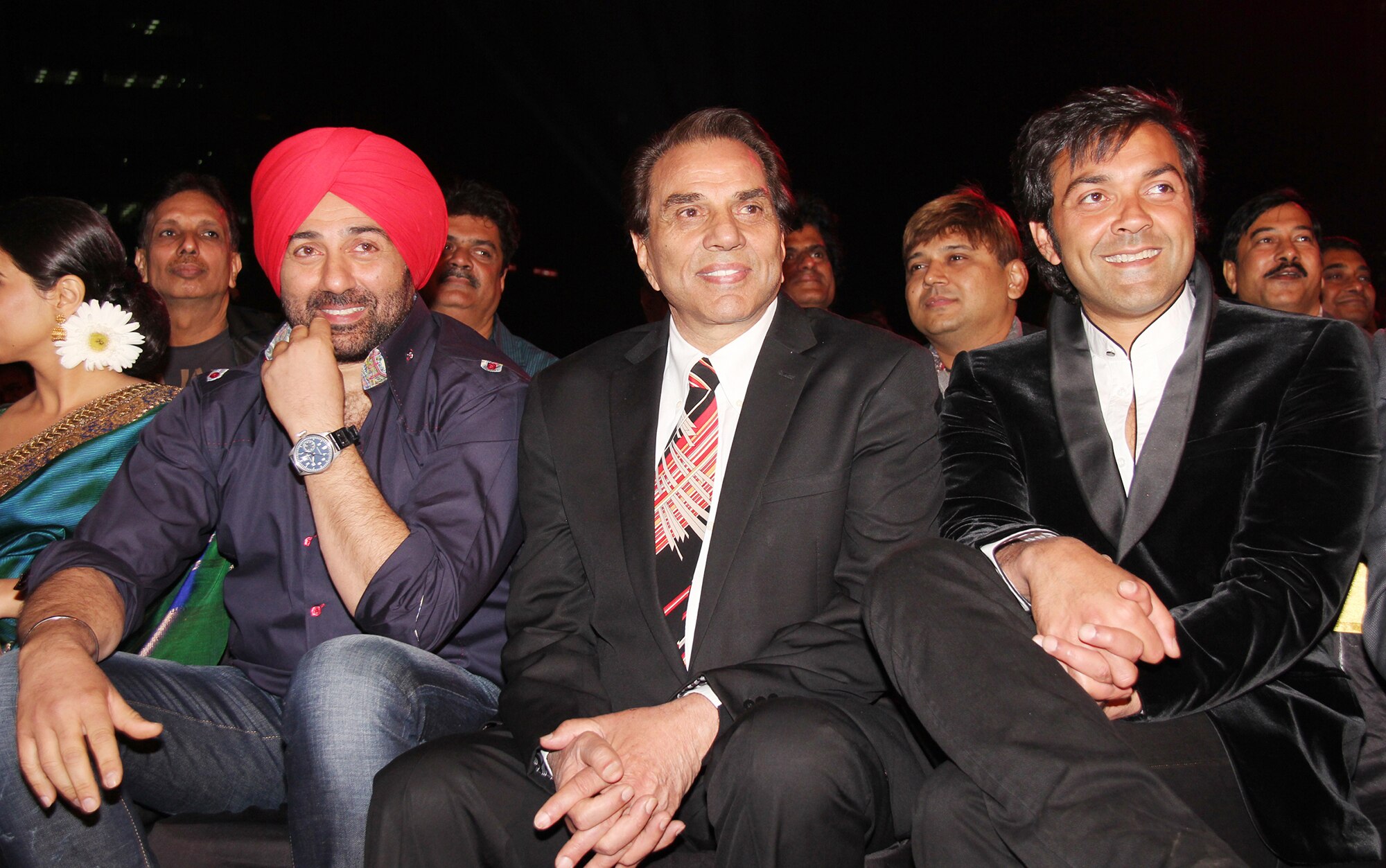
Dharmendra’s journey from rural Punjab to Bollywood legend reflects an era of filmmaking where charisma mattered more than CGI. His persona off-screen—humble, strong, loyal—added to his cinematic myth.
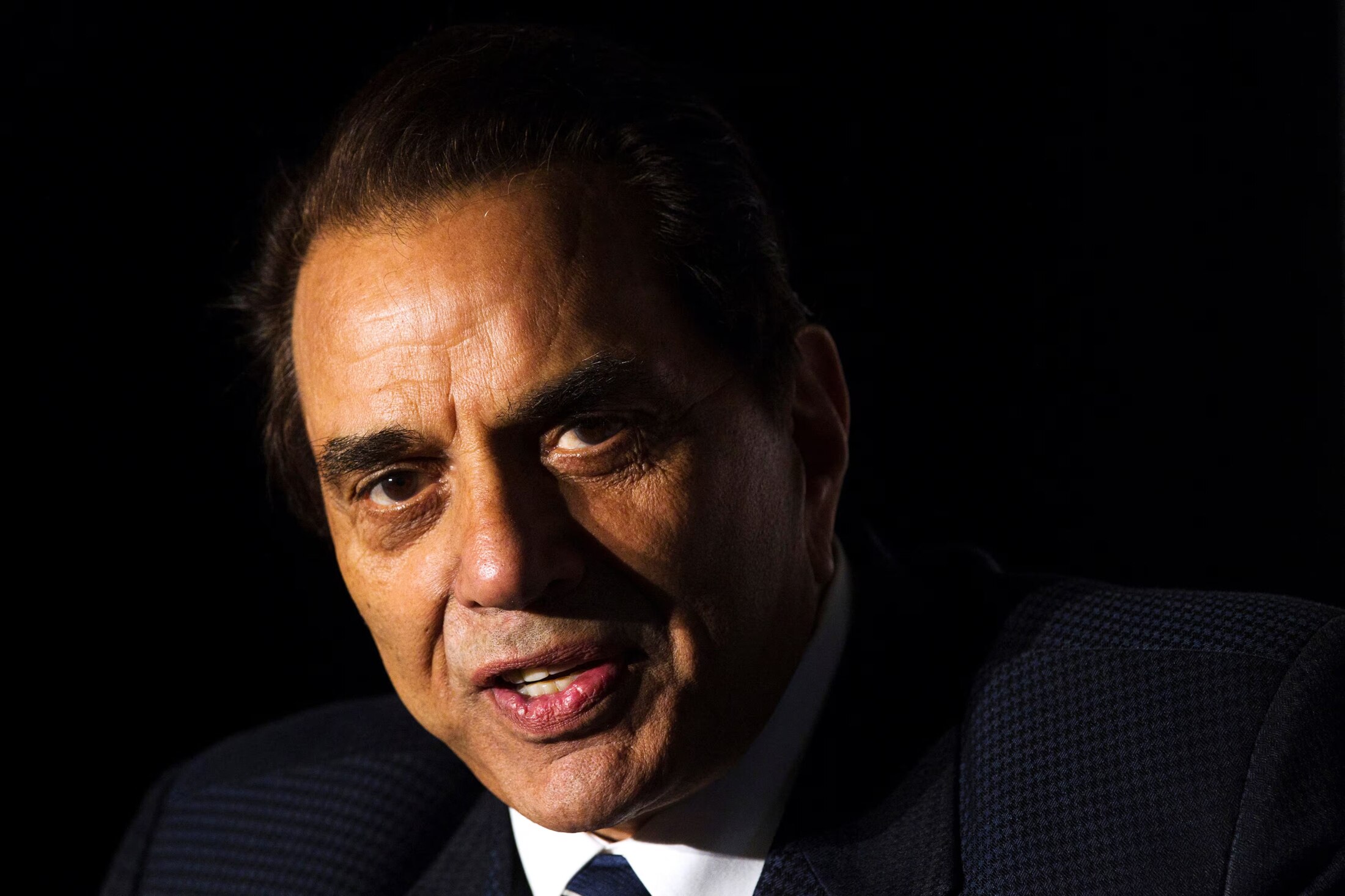
- 9/9
Passed away at age 89 on Monday, his legacy lives on in every Veeru quip, Seeta-Raka dance, and heroic entrance. Bollywood has lost one of its most versatile stars—“Dharam Paaji” forever remains an emblem of Indian cinema.