
How Sharks Quietly Keep Oceans Alive and Humans Safe
Sharks, as apex predators, maintain ocean balance by controlling fish populations, protecting habitats, and aiding carbon sequestration, all while supporting global marine health and human food security.
- Jul 14, 2026,
- Updated Jul 14, 2026 3:39 PM IST
- 1/7
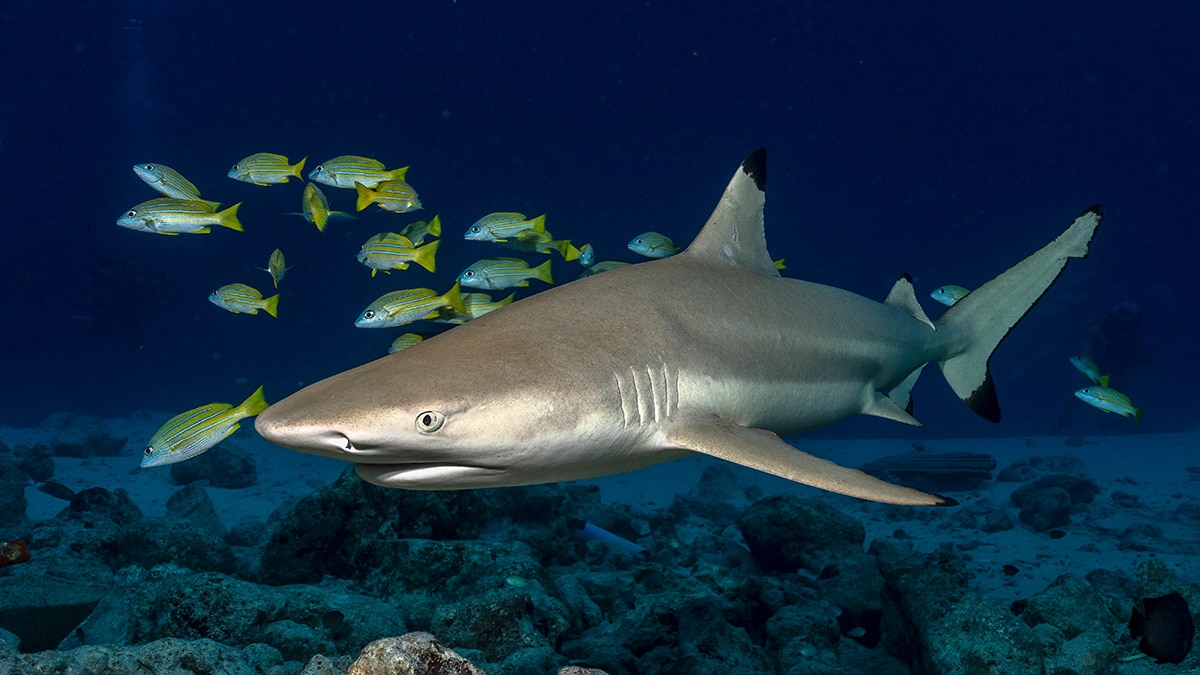
Apex Predators
Sharks sit at the top of the ocean food chain, controlling fish populations. By preying on weaker fish, they maintain healthy, balanced ecosystems, ensuring coral reefs and marine habitats thrive.
- 2/7
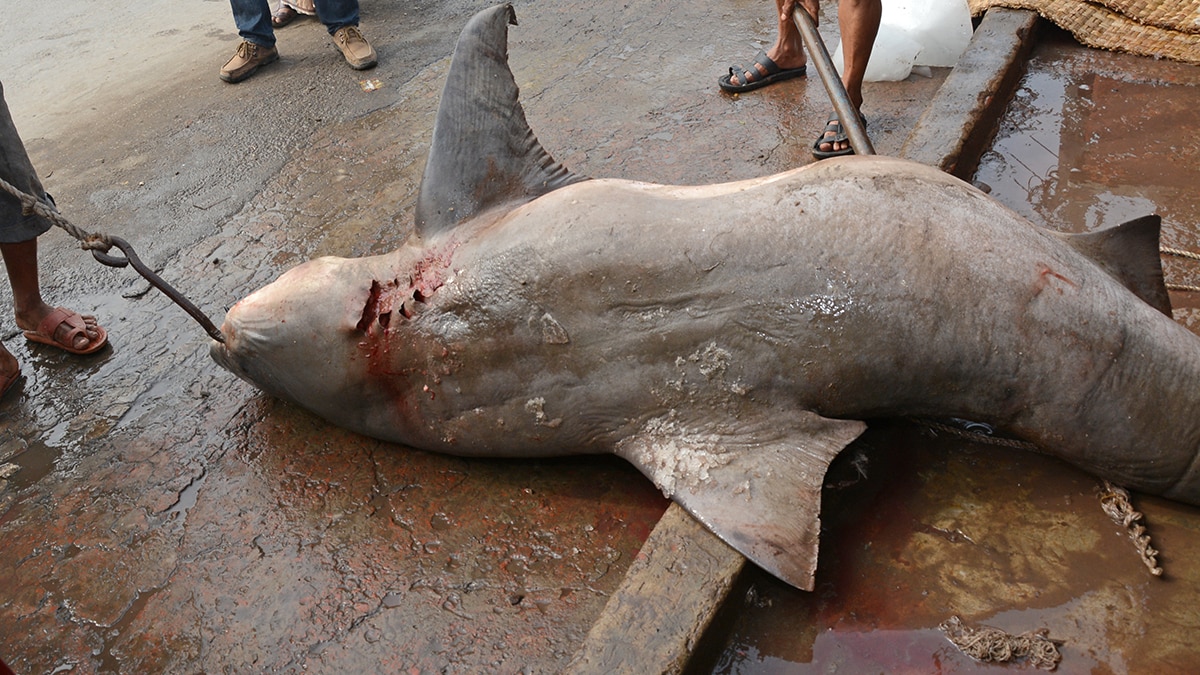
Misunderstood Beasts
Movies and media paint sharks as bloodthirsty killers, yet attacks on humans are rare. Humans, not sharks, kill millions yearly, threatening the ecological stability these predators maintain.
- 3/7
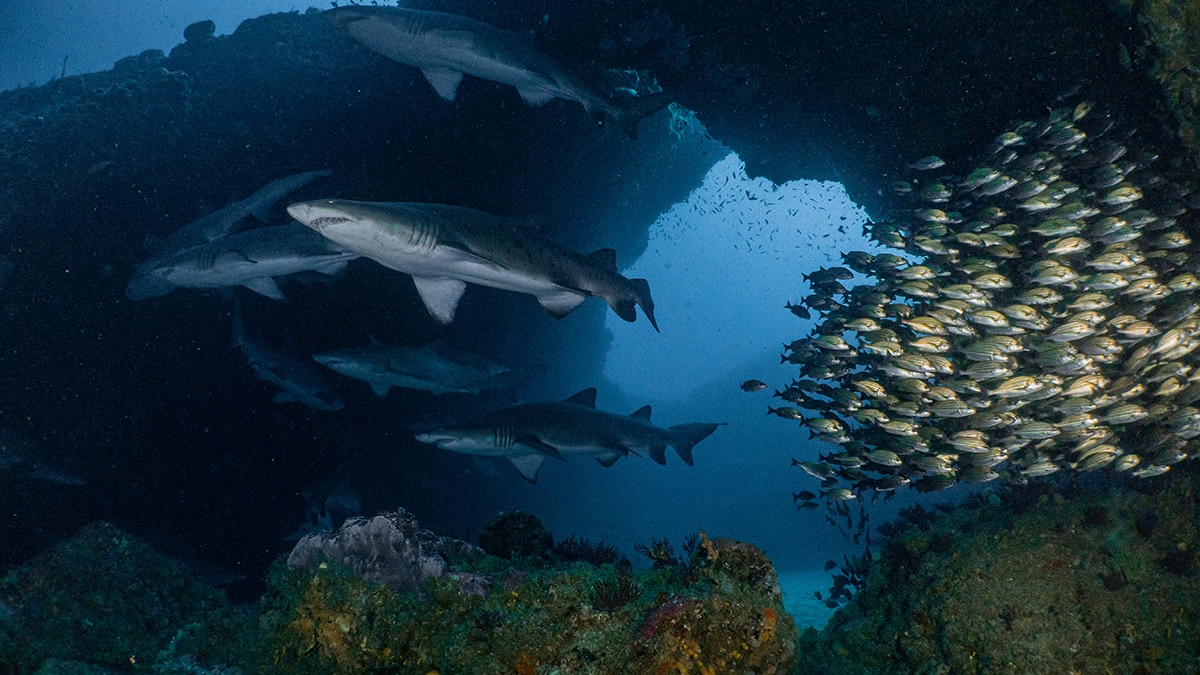
Ocean Engineers
Tiger sharks patrol seagrass meadows, preventing turtles from overgrazing and protecting critical habitats. Their presence stabilizes the seabed and nurtures young fish, a hidden ecological role often overlooked.
- 4/7
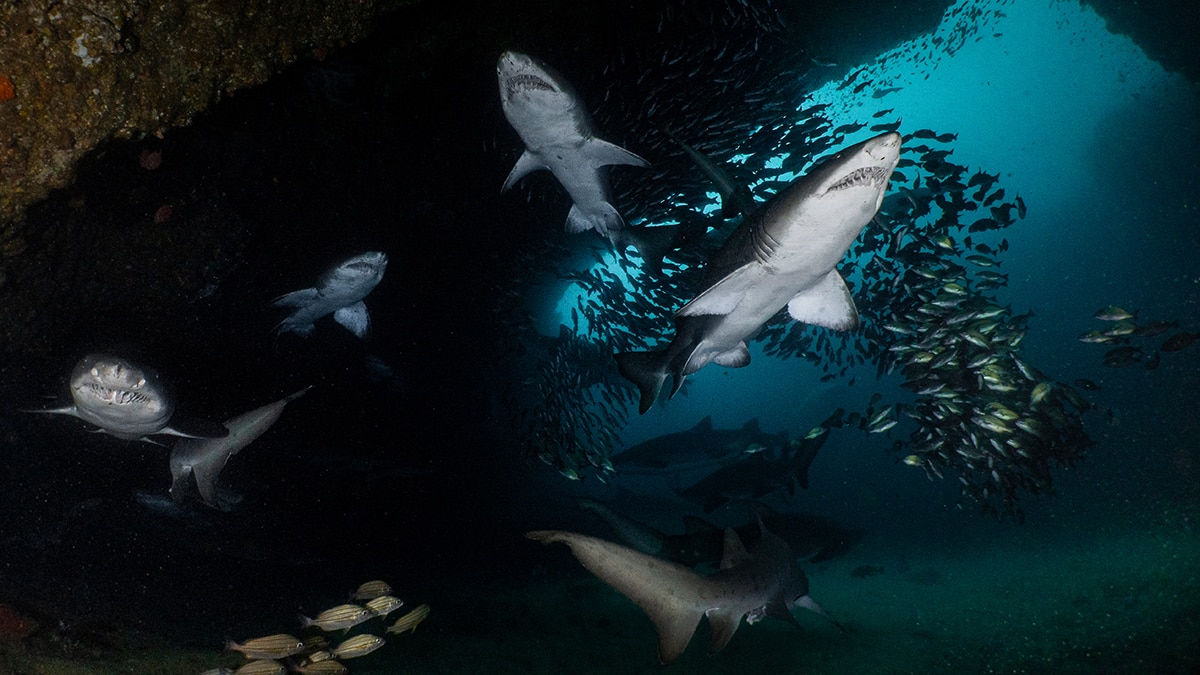
Carbon Custodians
When large fish and sharks die, they transport carbon to the ocean floor, sequestering it naturally. Eliminating sharks could accelerate atmospheric CO₂ rise, indirectly impacting climate change mitigation.
- 5/7
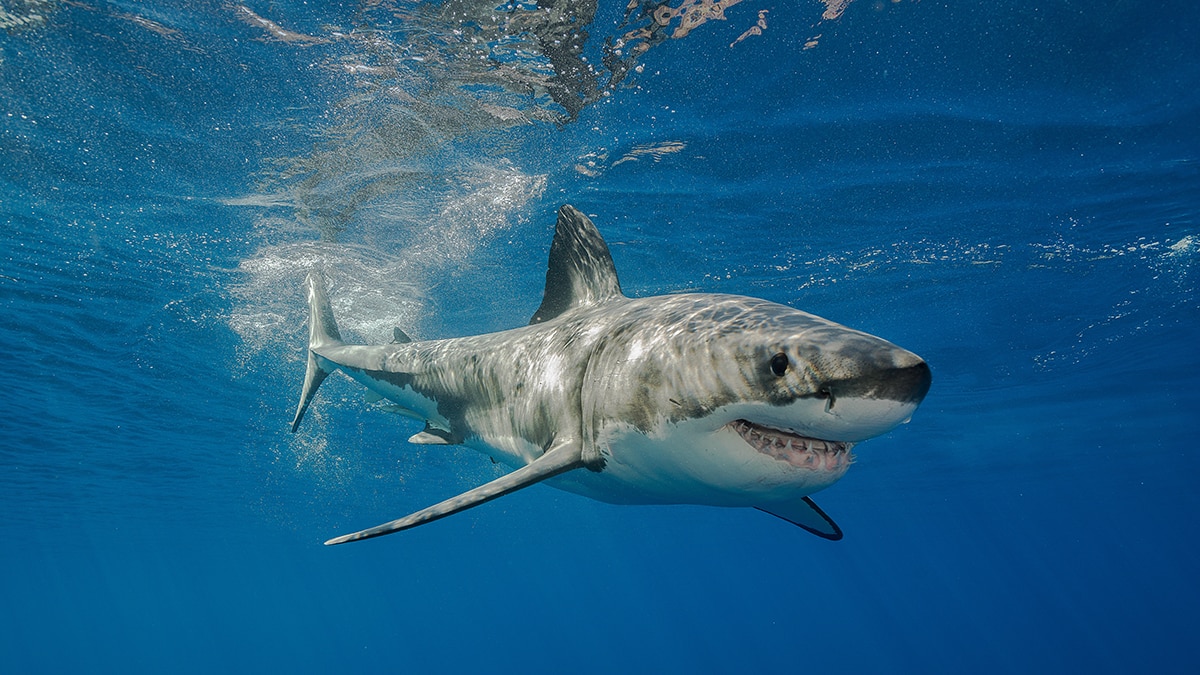
Sensory Masters
Sharks’ eyes can see in color and near-dark conditions, while their sandpaper-like skin reduces friction, enabling speeds up to 60 mph. These adaptations make them unmatched hunters and essential ecosystem regulators.

- 6/7
Survival Threats
Overfishing, climate change, and plastics have caused up to 90% shark population declines. Removing apex predators destabilizes ecosystems, endangering coral reefs, fish populations, and ultimately human food security.
- 7/7
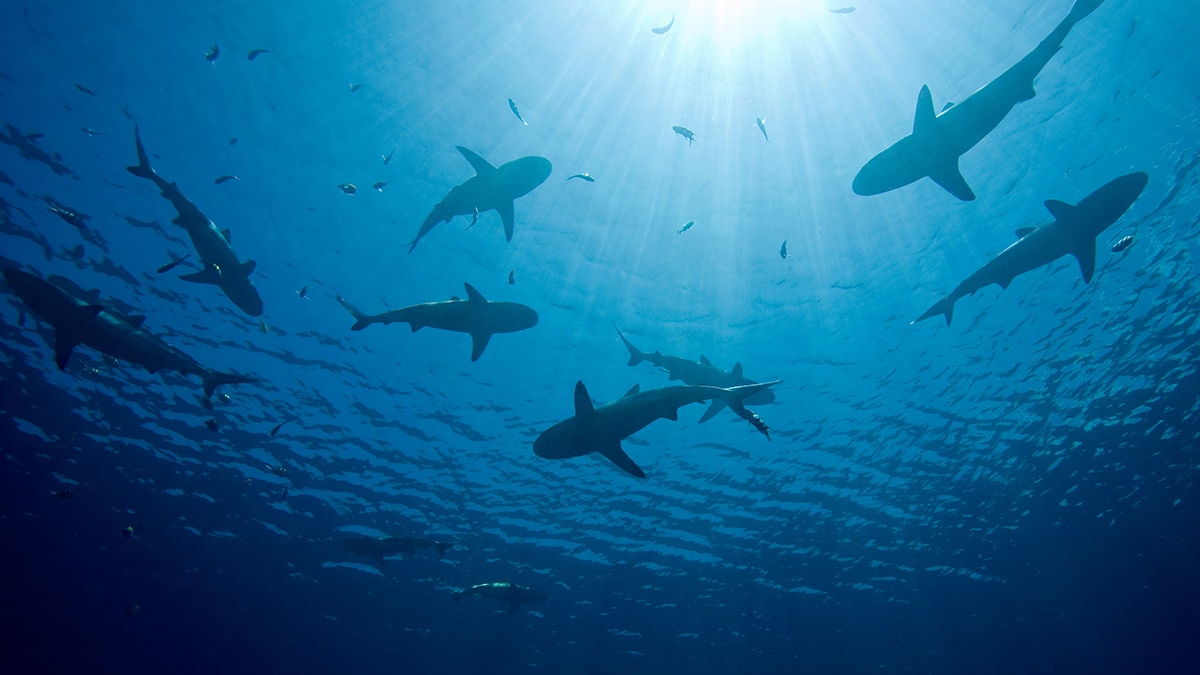
Ecosystem Guardians
Sharks’ predation prevents overpopulation of fish species, protecting habitats and ensuring biodiversity. Without them, destructive population booms could collapse marine ecosystems, affecting global ocean health.