
How the Dalai Lama’s gentlest lesson is reshaping what psychologists call real strength
The Dalai Lama’s gentlest teachings collide with modern psychology, revealing how compassion, calm, and purpose quietly rebuild real strength in a world wired for pressure and speed.
- Dec 10, 2025,
- Updated Dec 10, 2025 12:37 PM IST
- 1/9
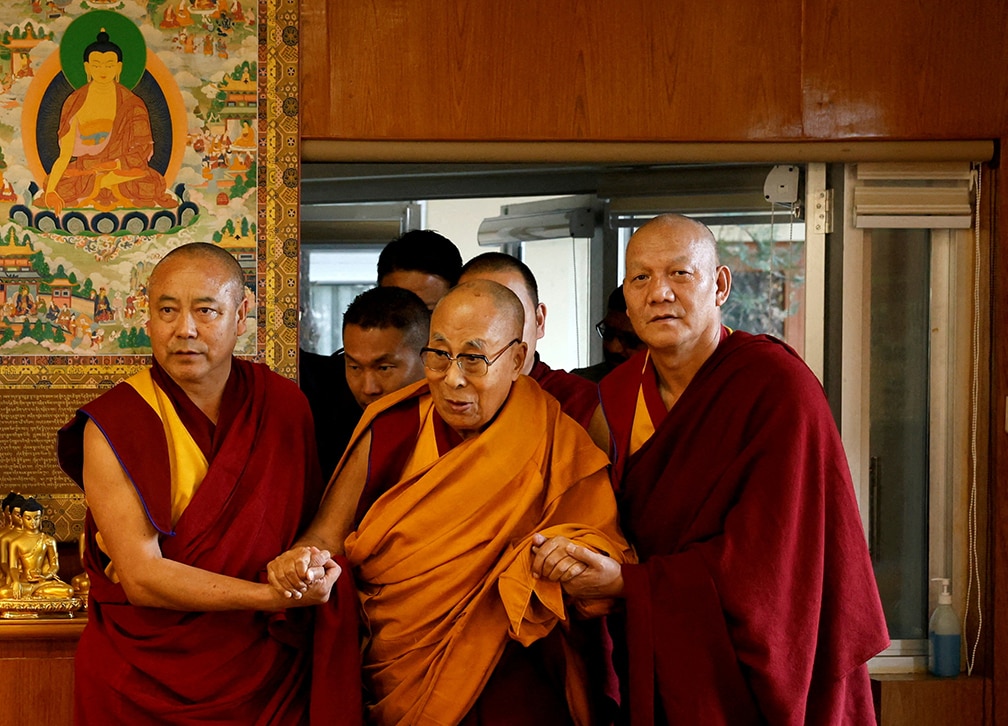
Compassion sounds gentle, but researchers at Stanford’s Center for Compassion & Altruism say it actually strengthens neural circuits linked to courage and resilience. The Dalai Lama has long hinted at this, but modern science now backs it. Why does kindness make people unexpectedly powerful—sometimes in ways that threaten those who rely on fear?
- 2/9
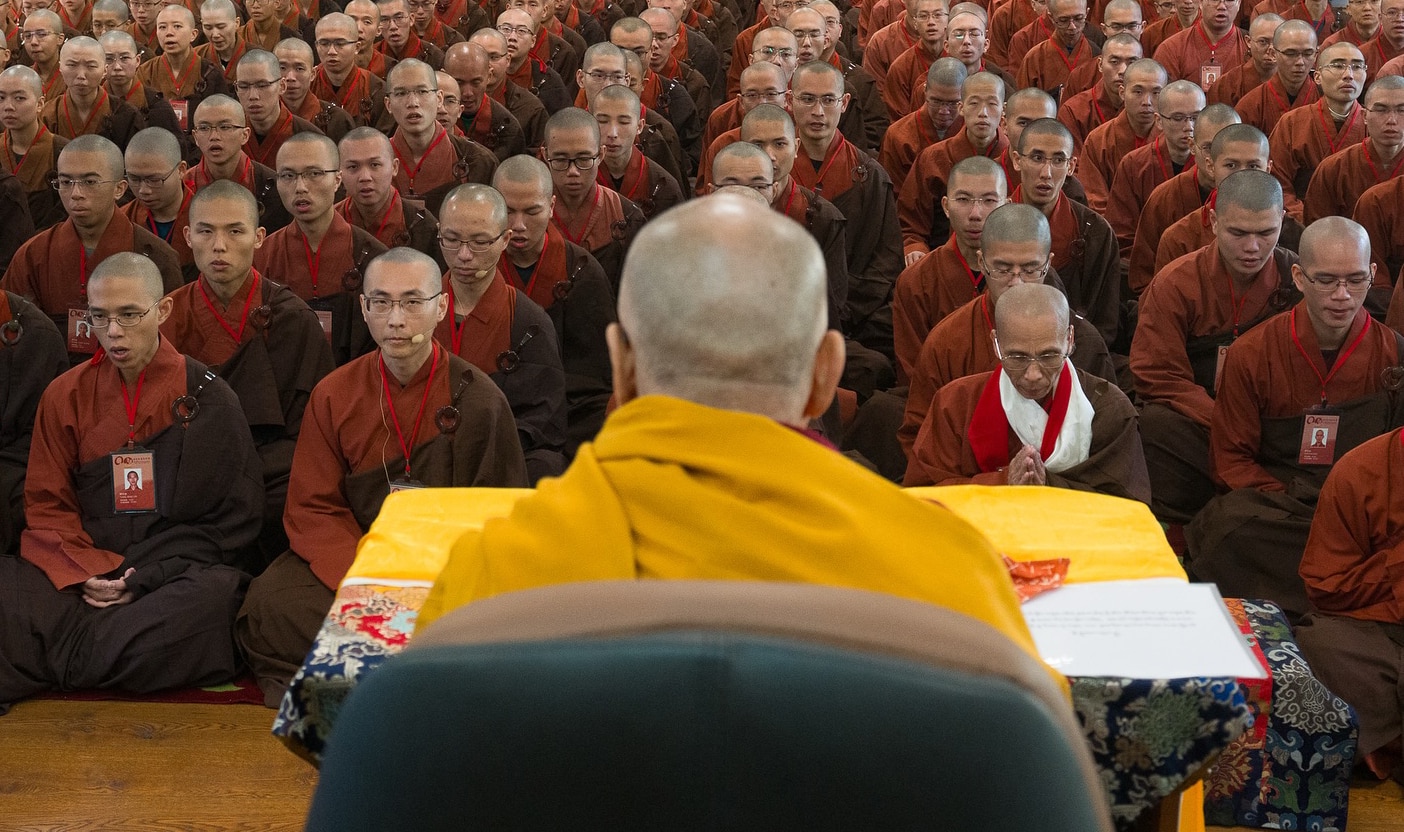
Economists chart rising incomes, yet global life-satisfaction surveys keep flatlining. The Dalai Lama predicted this “happiness recession” decades ago, warning us that external wins age fast. So why do people who appear to have everything still feel hollow the morning after their biggest milestone?
- 3/9
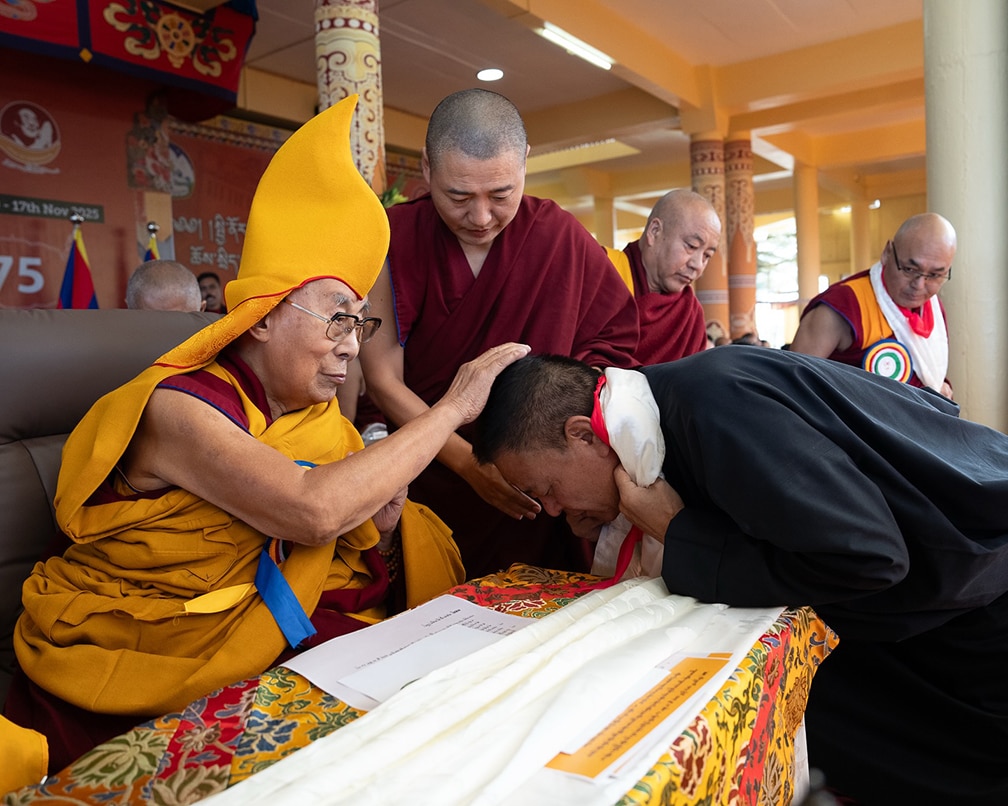
Psychologists at Harvard note that chronic anger elevates stress hormones for years, even after the triggering event. The Dalai Lama calls this “punishing yourself for what someone else did.” So what exactly keeps people clinging to the very emotions that quietly dismantle their peace?
- 4/9
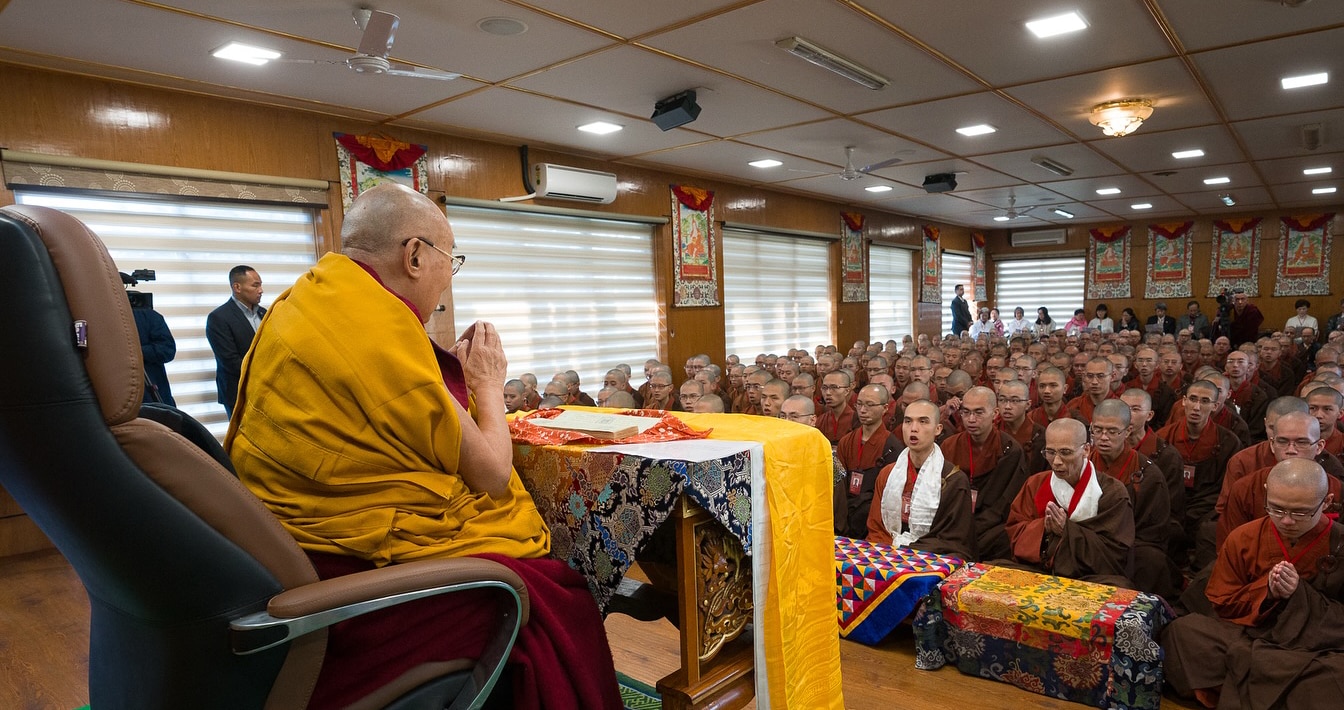
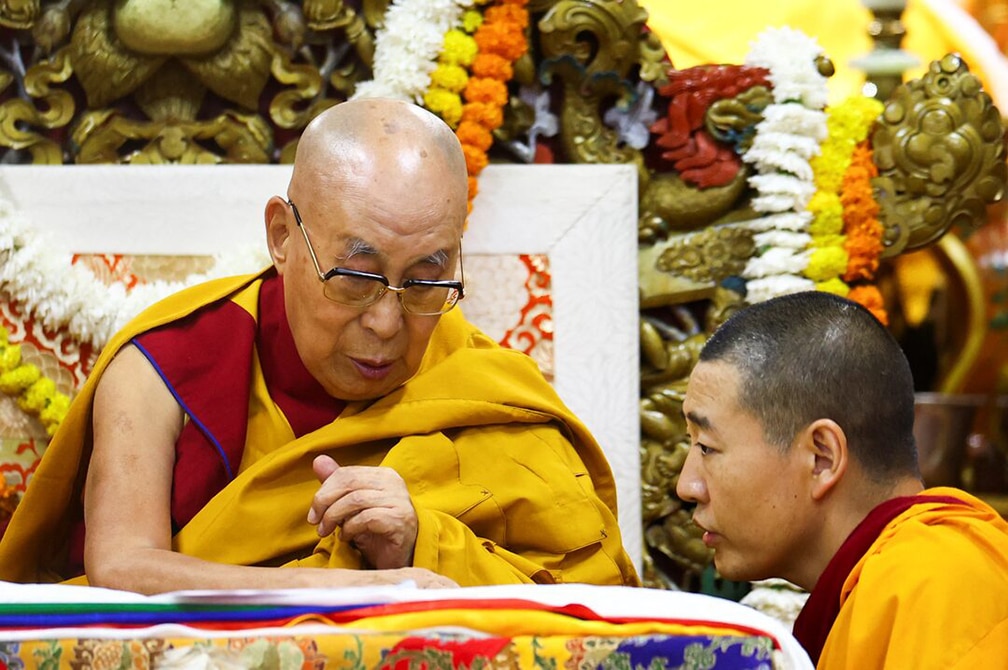
Neuroscientists mapping meditators’ brains found structural changes in regions tied to focus and emotional regulation. It echoes the Dalai Lama’s assertion that the mind manufactures reality long before life delivers it. If that’s true, how many of our daily disasters are actually homemade?
- 5/9
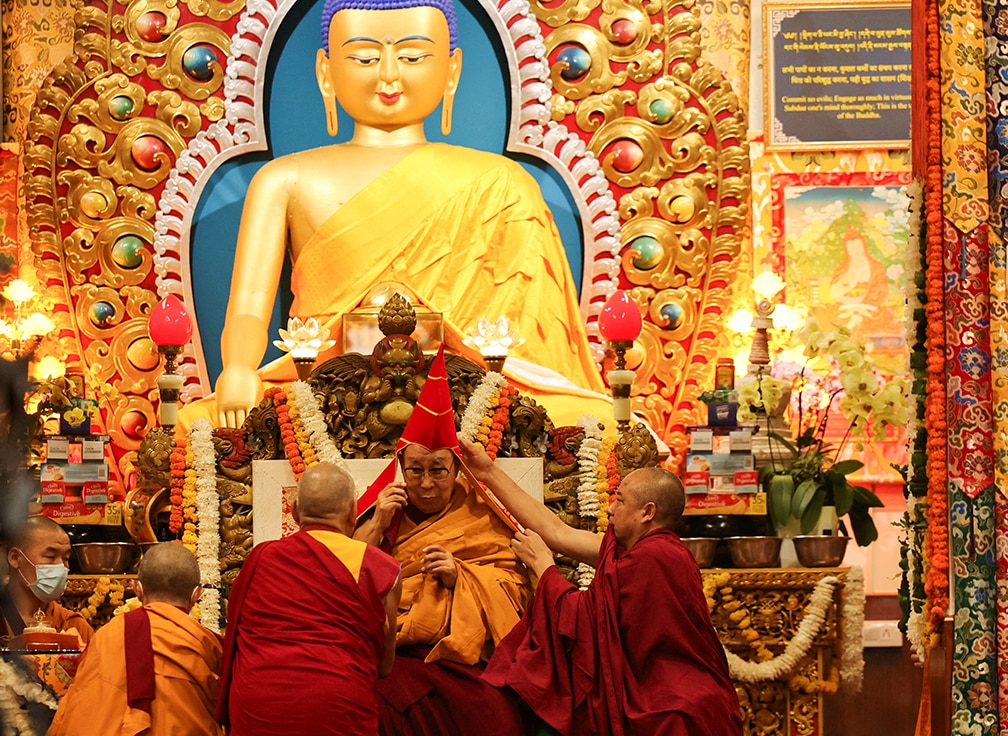
In high-pressure environments—emergency rooms, military units, newsrooms—those who stay calm often make measurably better decisions. The Dalai Lama insists this calm can be trained. But why do so few people commit to the slow, quiet work that could steady them when everything else tilts?
- 6/9
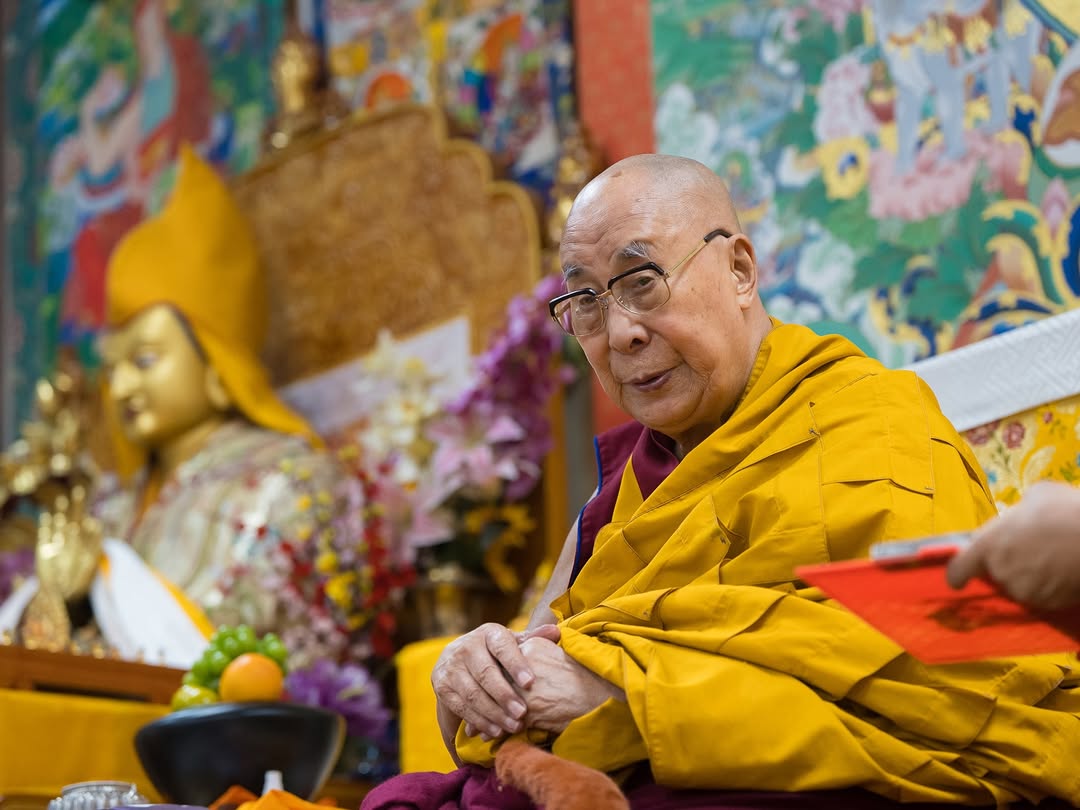
A decade of research from the University of Michigan links a sense of purpose with longer lifespan and sharper cognitive function. It mirrors the Dalai Lama’s belief that meaning is a moral responsibility. But what happens when purpose becomes less about achievement and more about how gently you move through the world?
- 7/9
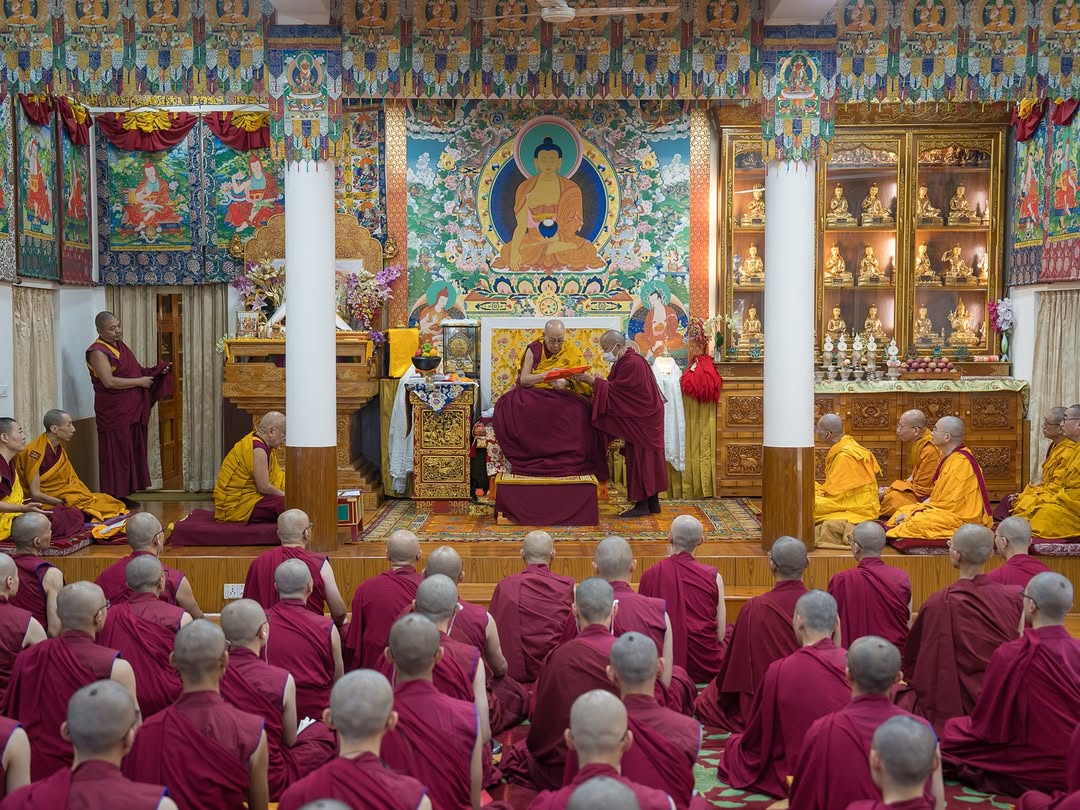
Counterintuitively, empathy—often dismissed as “soft”—correlates with greater conflict-resolution success in corporate and diplomatic settings. The Dalai Lama treats empathy as a strategic tool, not just a virtue. Could understanding another person’s pain be the strongest defense in a combative world?
- 8/9
Studies show that people overestimate how much anger will help them “win” a situation. The Dalai Lama’s warning: anger distorts reality before you even act. Why do we still trust an emotion that consistently misreports the facts?
- 9/9
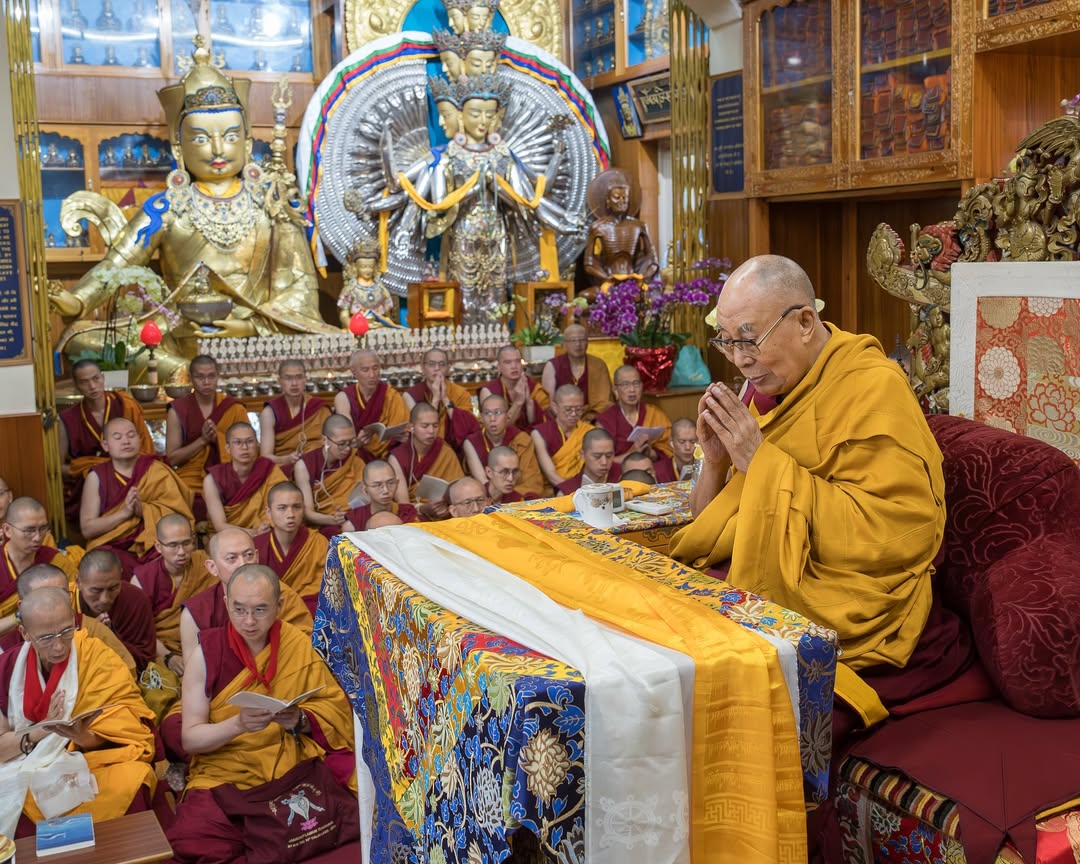
Small, unseen acts—letting someone speak uninterrupted, offering patience instead of judgment—have measurable ripple effects on group morale, according to behavioral research. The Dalai Lama says these micro-choices reveal who we truly are. What would happen if the real revolutions aren’t loud, but nearly silent?