
If Hormuz closes, these routes may decide oil’s future
If the Strait of Hormuz is blocked, global oil supply faces major disruption. Limited pipelines, costly detours, and emergency reserves may not fully offset the shock to energy markets.
- Mar 26, 2026,
- Updated Mar 26, 2026 3:24 PM IST
- 1/9
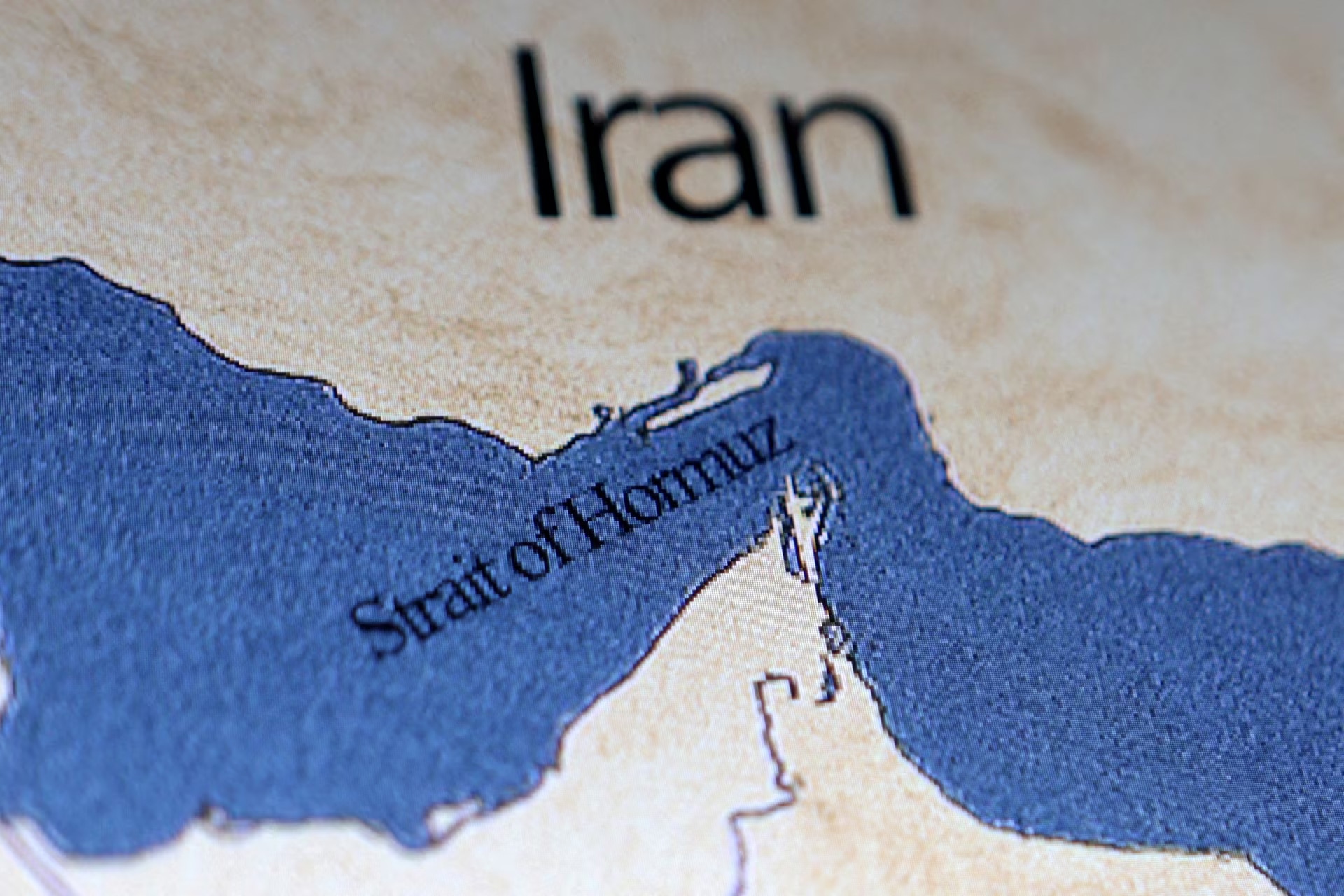
Roughly 20% of global oil supply flows through the Strait of Hormuz, according to the U.S. Energy Information Administration. If blocked, it’s not just a shipping issue—it’s a global economic shock waiting to unfold.
- 2/9
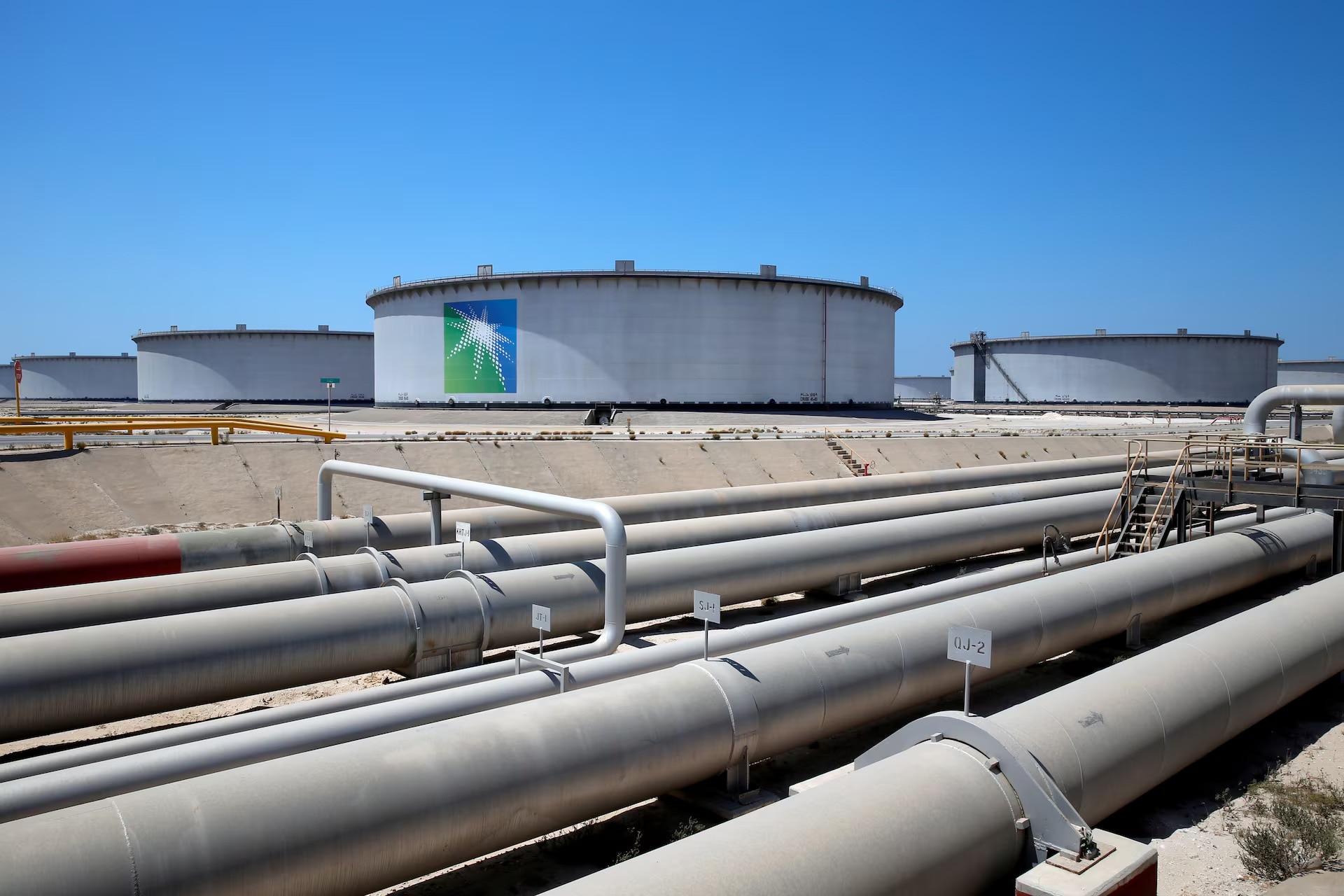
Saudi Arabia’s East-West pipeline offers a partial workaround, moving crude to the Red Sea. But experts say its spare capacity can’t fully replace Hormuz flows, leaving a significant supply gap in crisis scenarios.
- 3/9
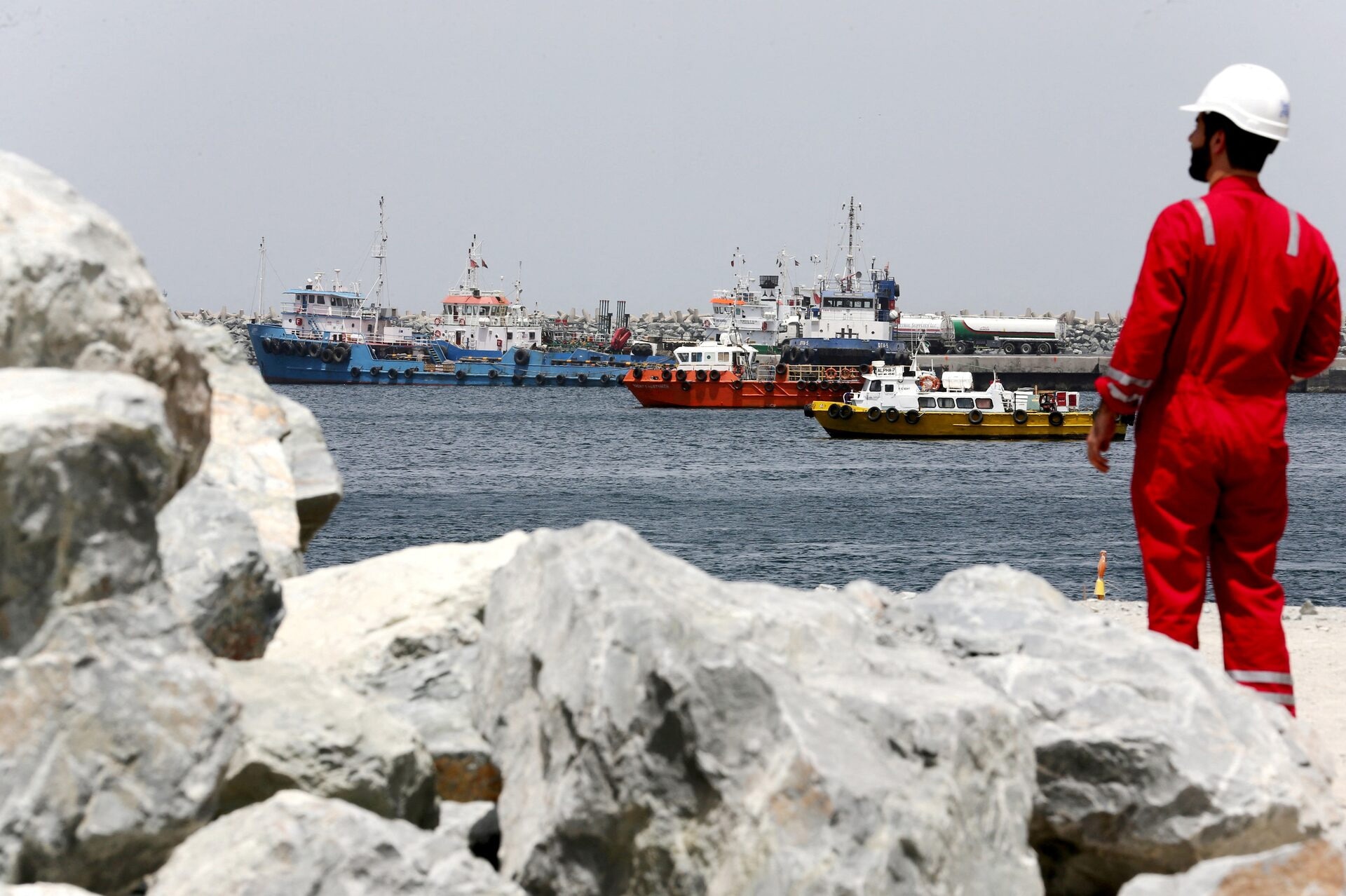
The UAE has already built a bypass—Abu Dhabi’s pipeline to Fujairah port, outside Hormuz. Analysts note it can carry around 1.5–1.8 million barrels/day, offering a strategic but limited escape valve.
- 4/9
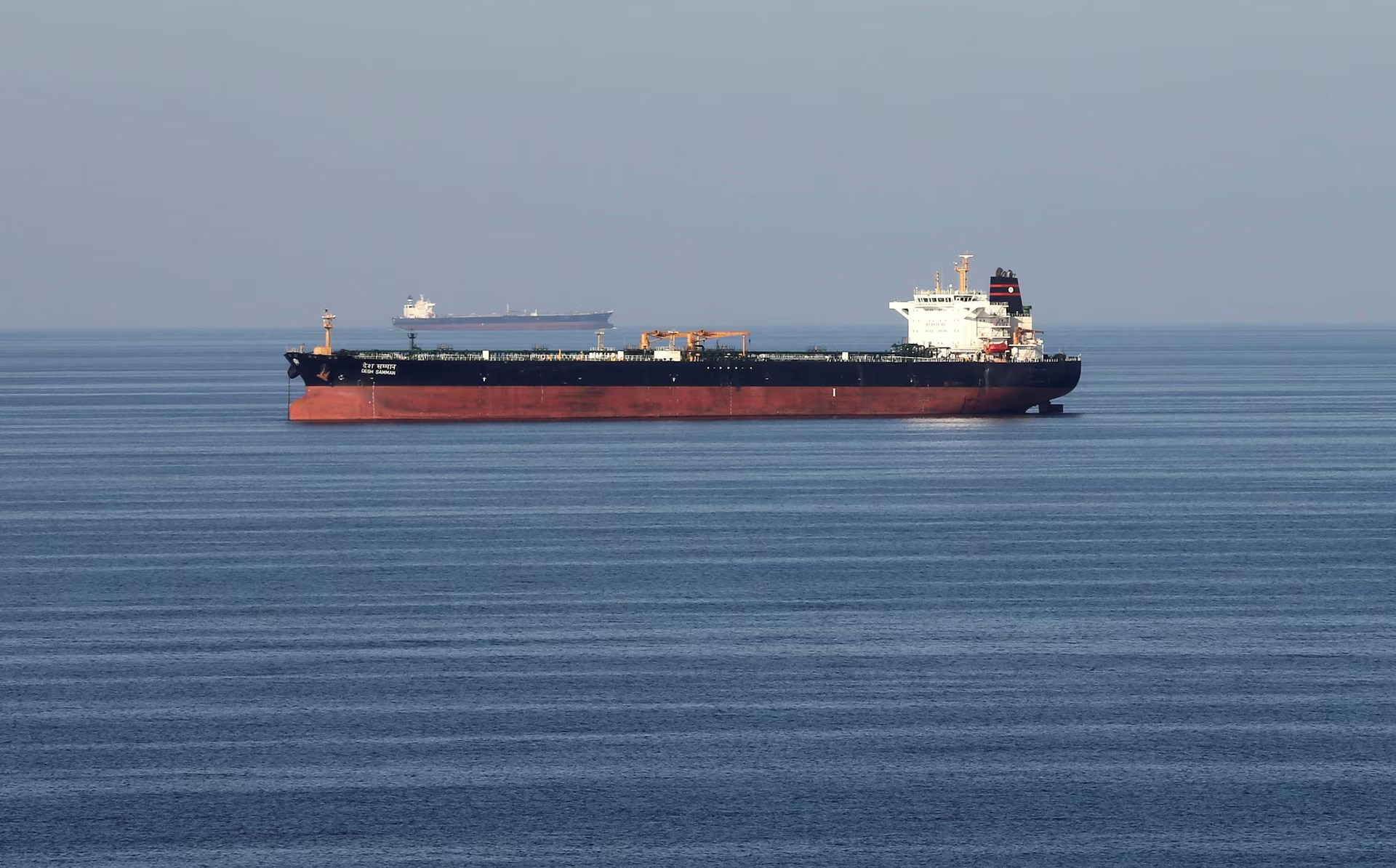
Ships can reroute via longer maritime paths, but at a cost. Shipping analysts warn detours increase fuel, insurance, and transit time, pushing up global oil prices even before supply shortages hit markets.
- 5/9
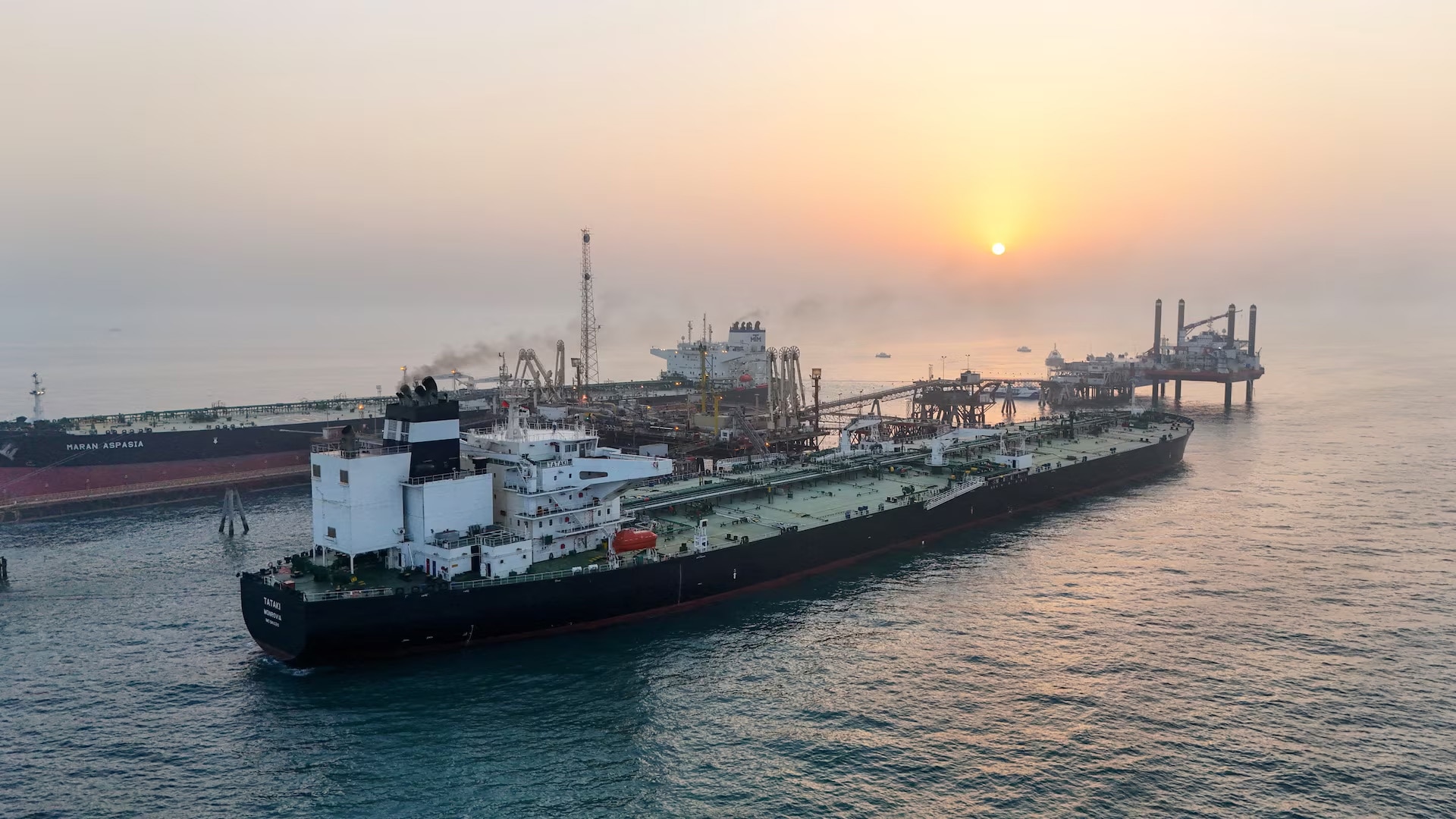
Iraq depends heavily on Gulf routes, with limited alternative pipelines. Energy experts highlight that disruptions would choke exports quickly, exposing how unevenly prepared countries are for a Hormuz shutdown.
- 6/9
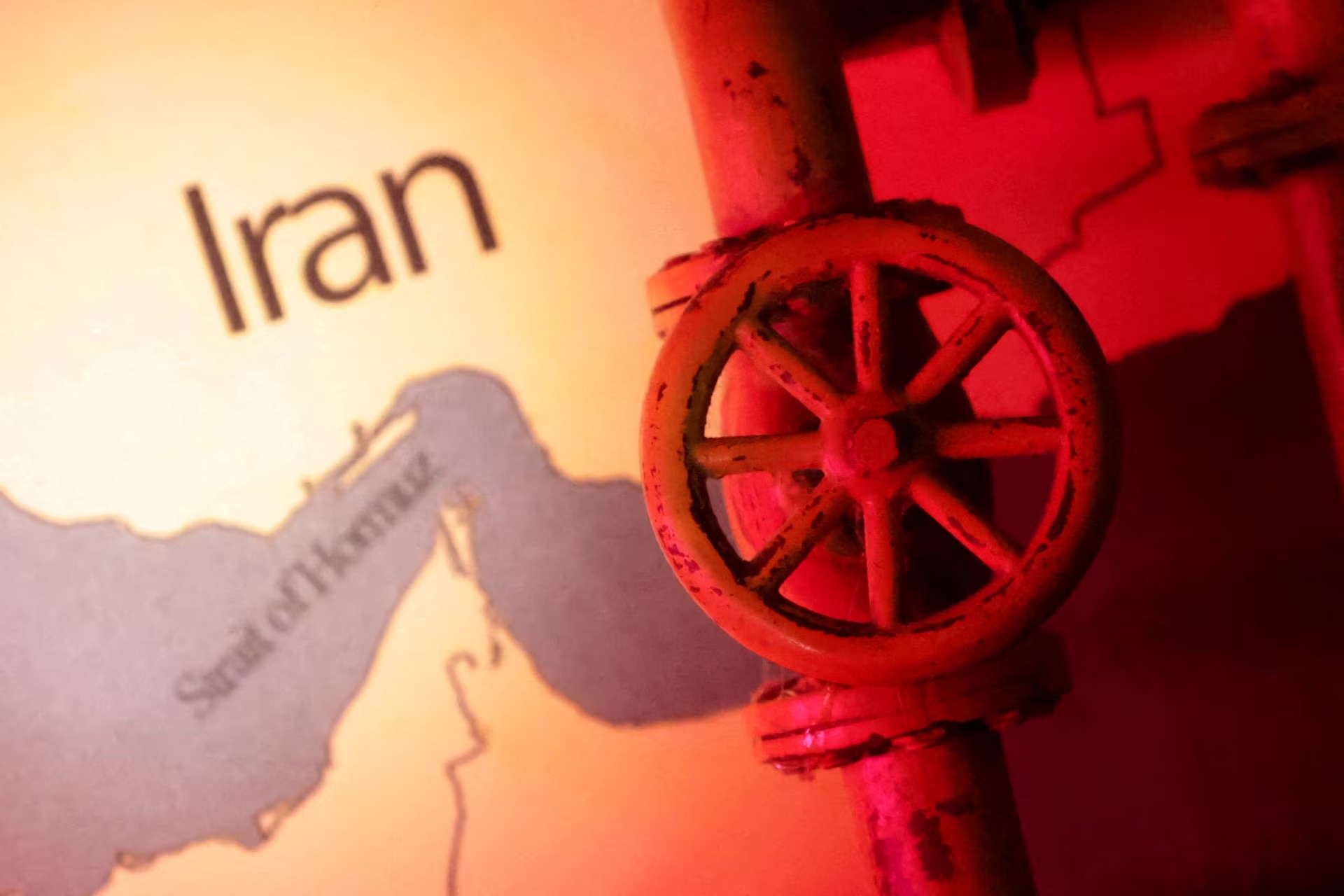
Iran’s geography gives it strategic control over the strait. Military analysts say even partial disruption—mines, drones, or threats—can trigger panic in oil markets without a full blockade.

- 7/9
If Hormuz shuts, countries turn elsewhere—U.S. shale, Russia, West Africa. But energy agencies warn these sources can’t instantly fill the gap, leading to short-term shortages and price spikes.

- 8/9
The ripple effect moves fast—from oil to plastics, logistics, and food. Studies show crude-linked inputs affect multiple sectors, meaning disruptions hit everything from fuel pumps to supermarket shelves.
- 9/9
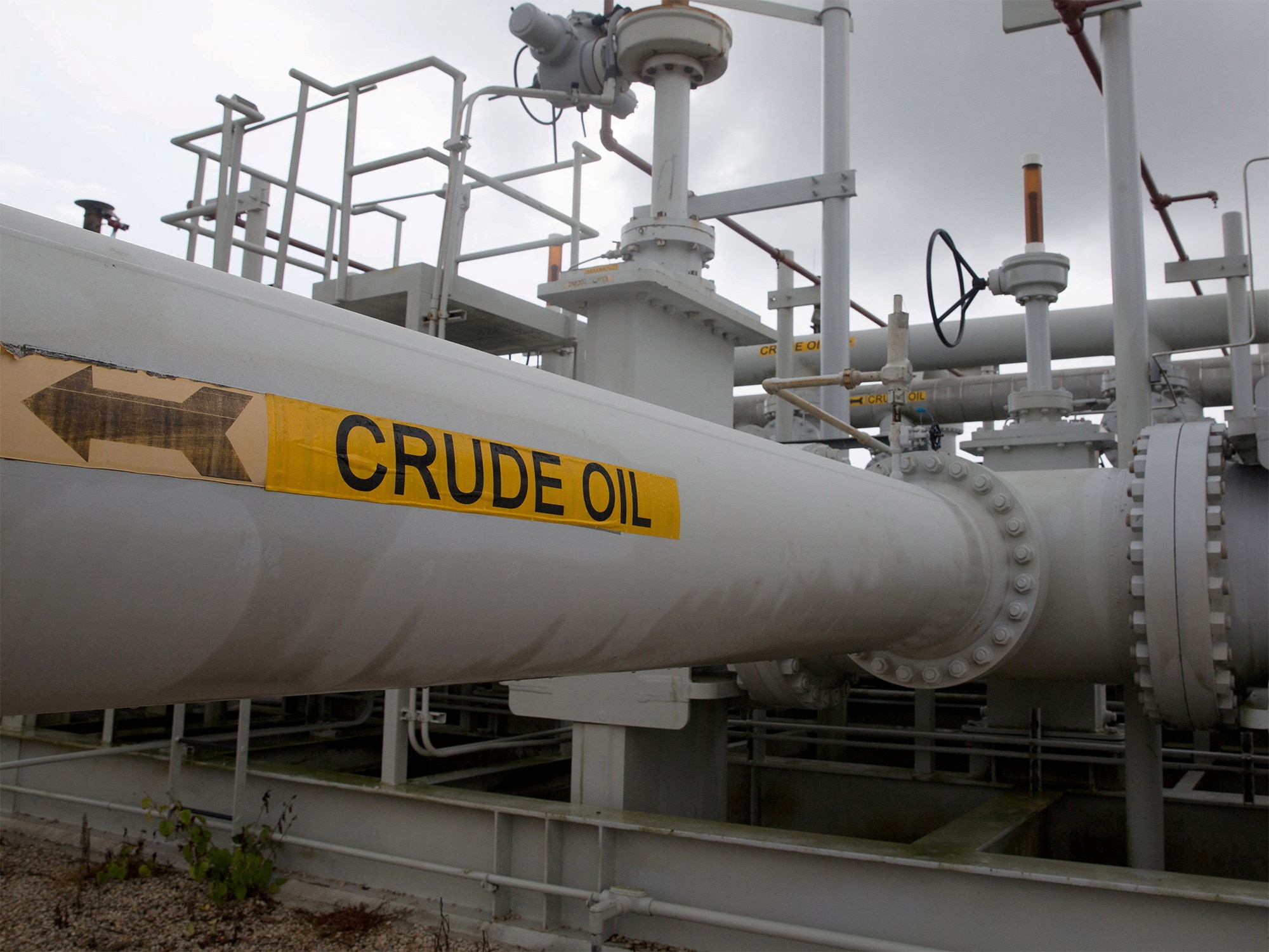
Countries may tap into emergency oil reserves. The IEA has coordinated releases before, but experts caution this is a temporary buffer, not a long-term solution if disruptions persist.