
India among top 5 military spenders in 2025: Global ranking explained
India ranks among the top 5 military spenders in 2025 with a $92.1B defence budget, as global military spending hits $2.8T, led by the US and China, per SIPRI report.
- Apr 28, 2026,
- Updated Apr 28, 2026 3:12 PM IST
- 1/10
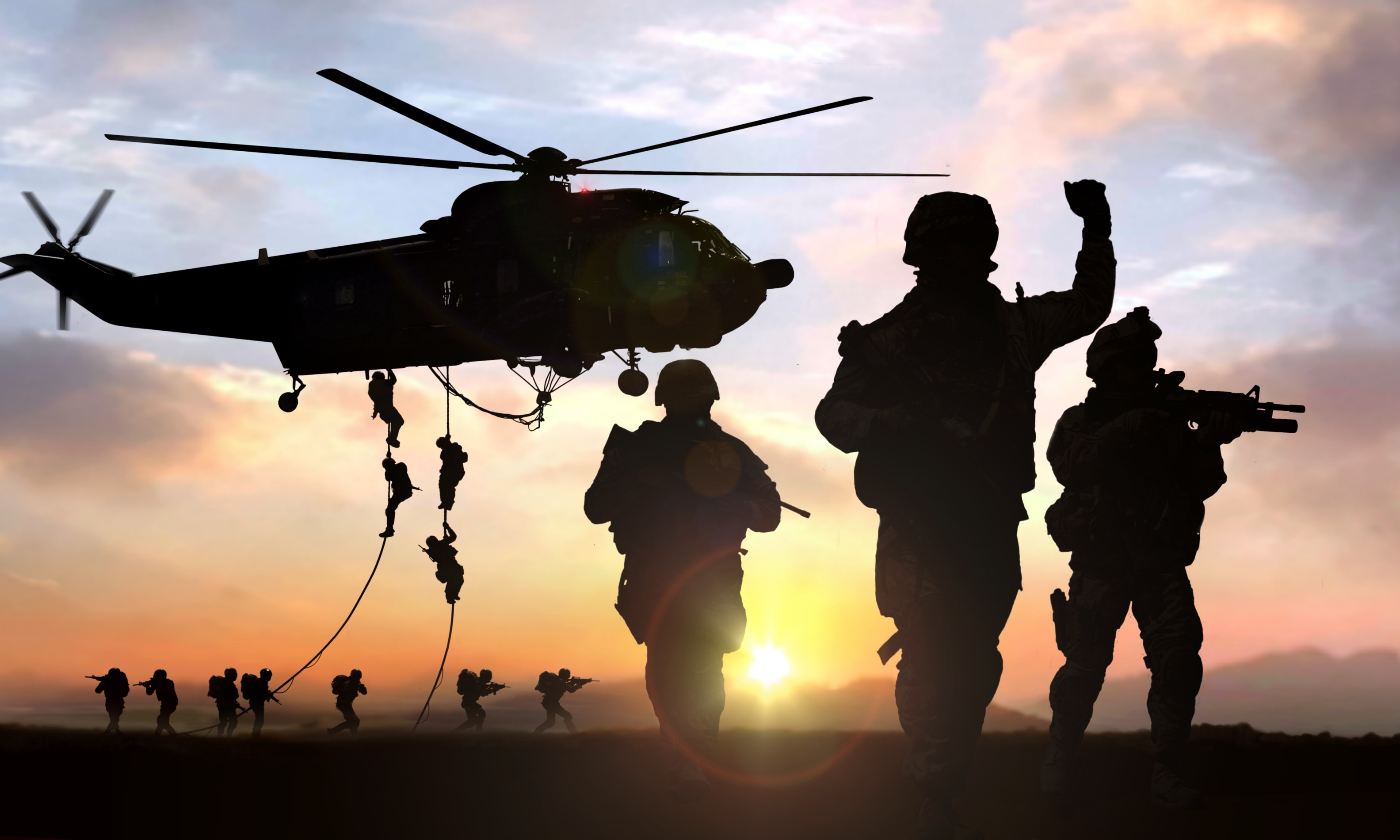
The world didn’t slow down—it armed up. Global military spending hit $2,887 billion in 2025, marking the 11th straight year of growth. Data from Stockholm International Peace Research Institute shows this equals 2.5% of global GDP, the highest since 2009—driven by war, uncertainty, and long-term power shifts.
- 2/10
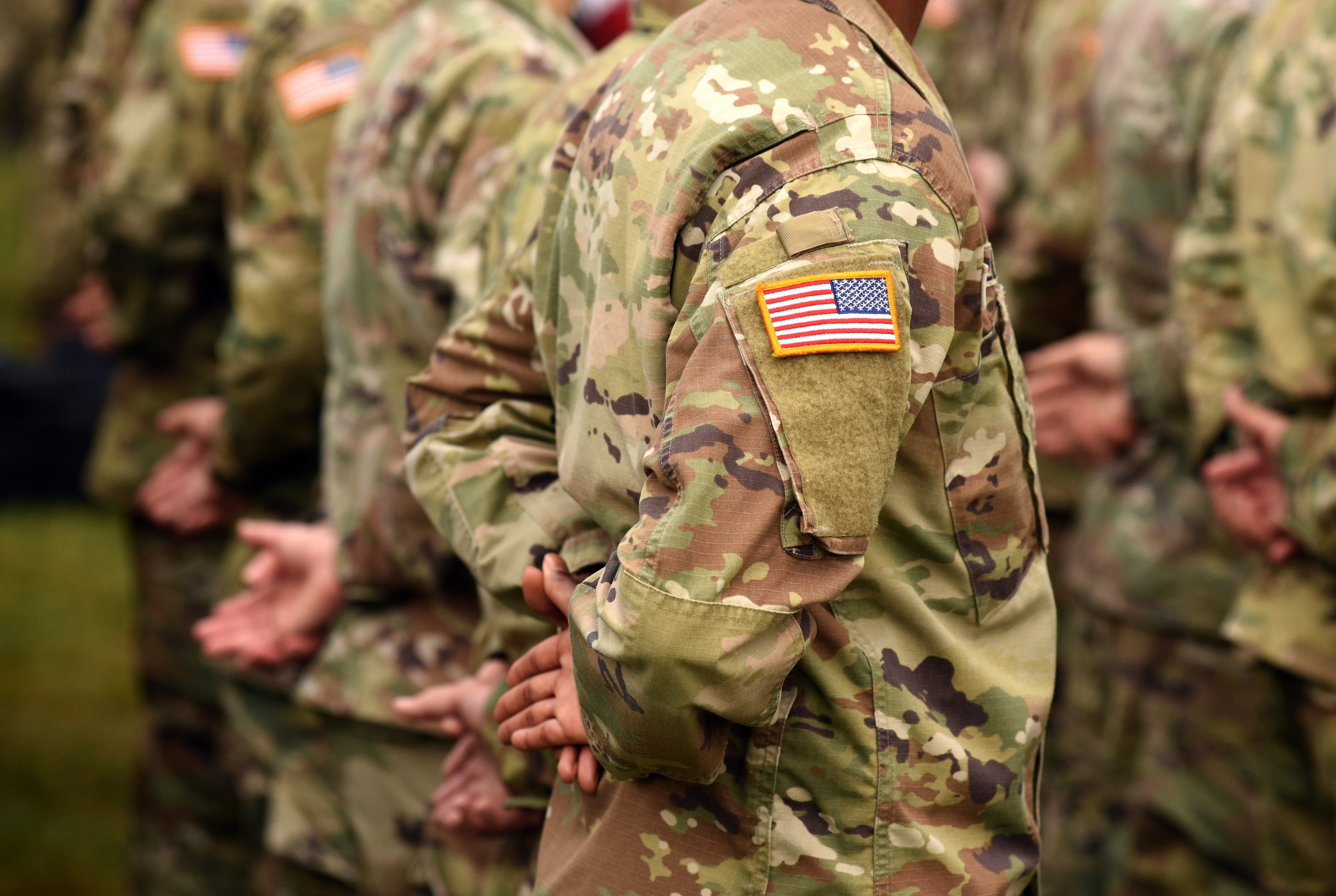
Still far ahead, the U.S. spent $954 billion, even after a 7.5% drop. Experts say this dip is temporary—caused by paused Ukraine aid—not a policy shift. Future budgets already cross $1 trillion, signaling a powerful comeback.
- 3/10
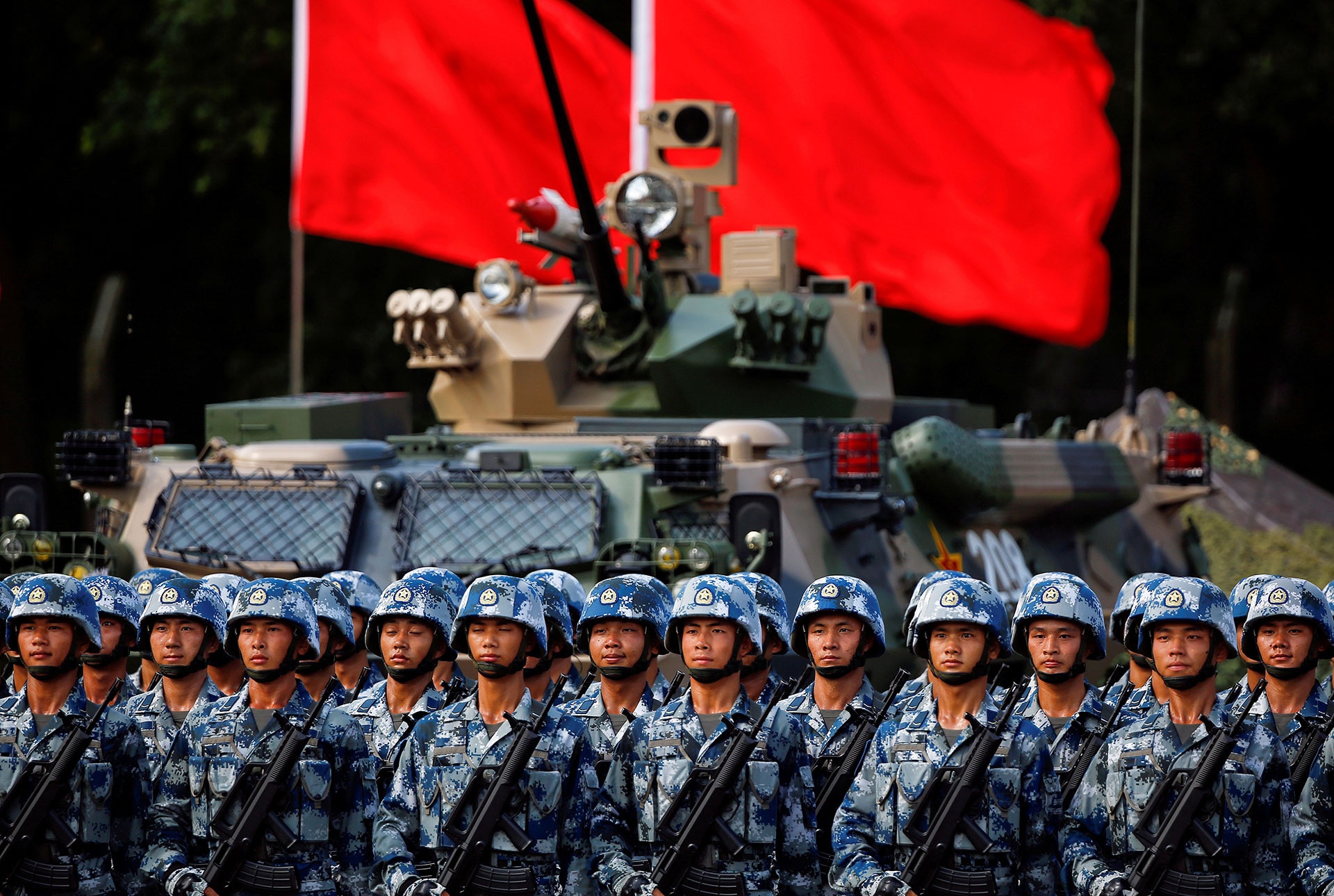
China stays on a relentless path. Spending reached $336 billion, up 7.4%, continuing a 31-year growth streak. Analysts say this isn’t reactive—it’s long-term military modernization in motion.
- 4/10
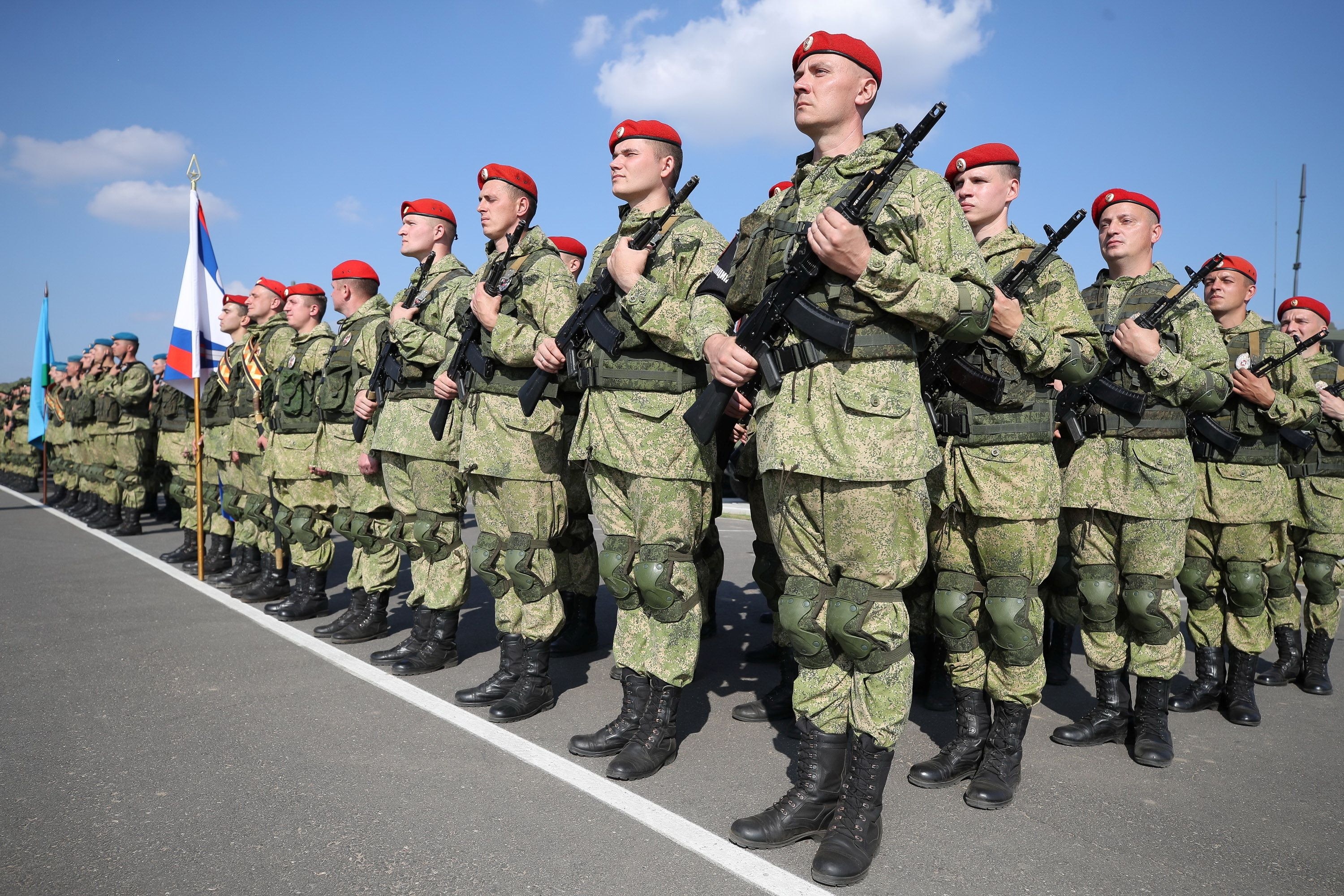
War drives the numbers. Russia spent $190 billion, rising 5.9%, with a massive 7.5% of GDP dedicated to defense. Experts say this reflects a full wartime economy fueled partly by energy revenues.
- 5/10
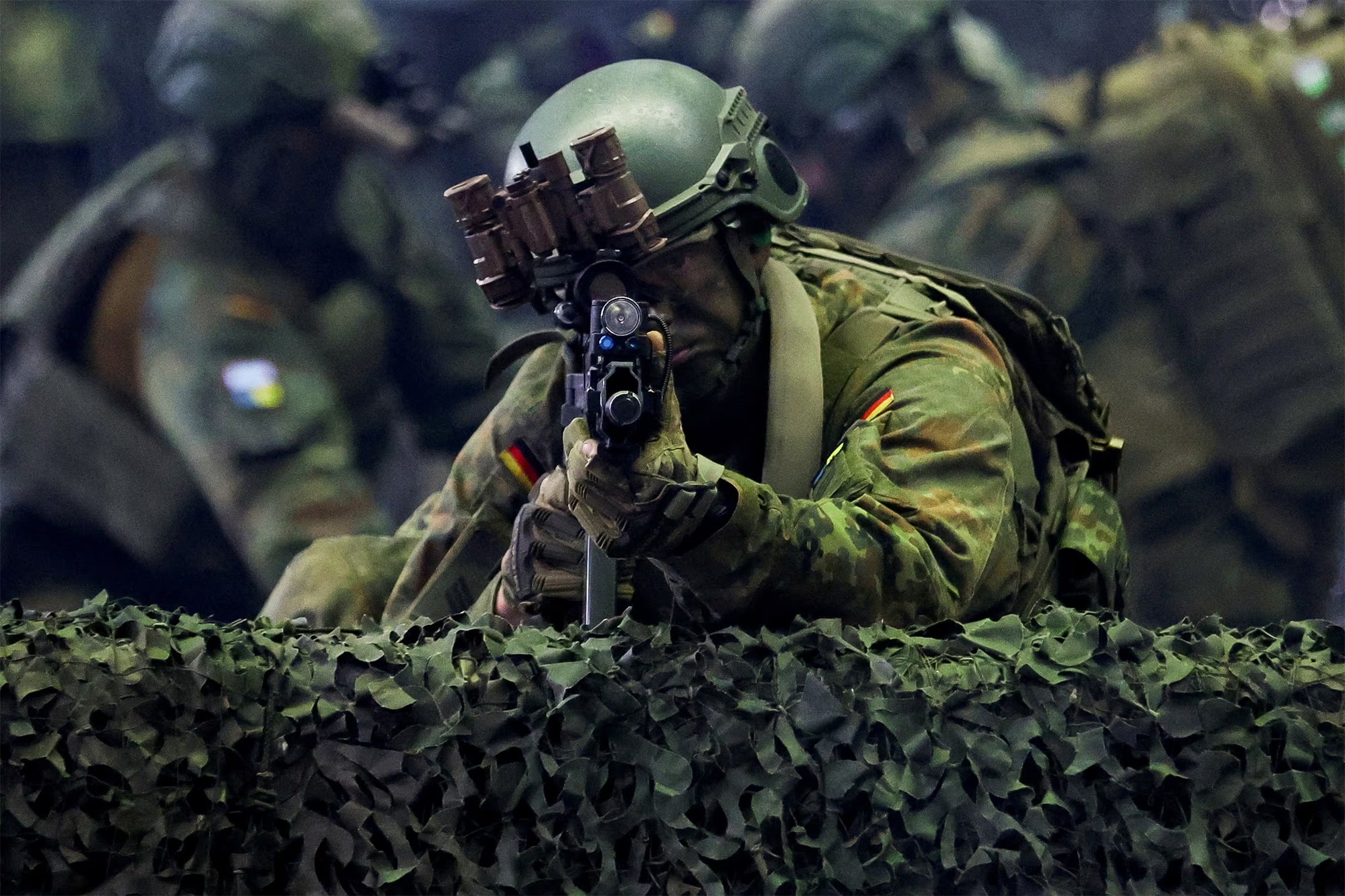
Germany makes a historic leap. Spending jumped 24% to $114 billion, crossing 2.3% of GDP—a major shift from decades of caution to rapid rearmament.
- 6/10
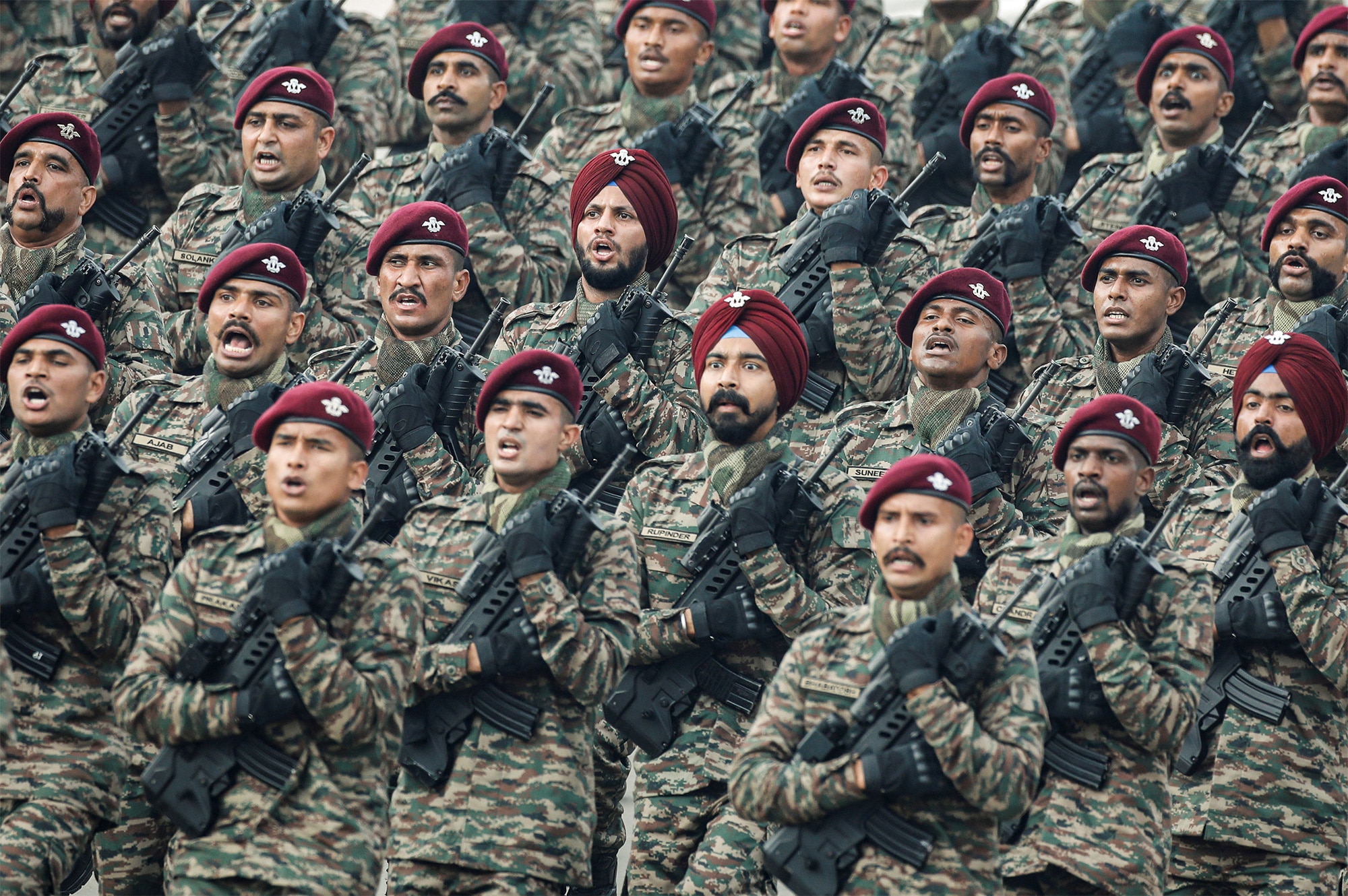
India strengthens its position. With $92.1 billion in spending, up 8.9%, it remains the 5th largest military spender globally, balancing regional threats with long-term strategic goals.
- 7/10
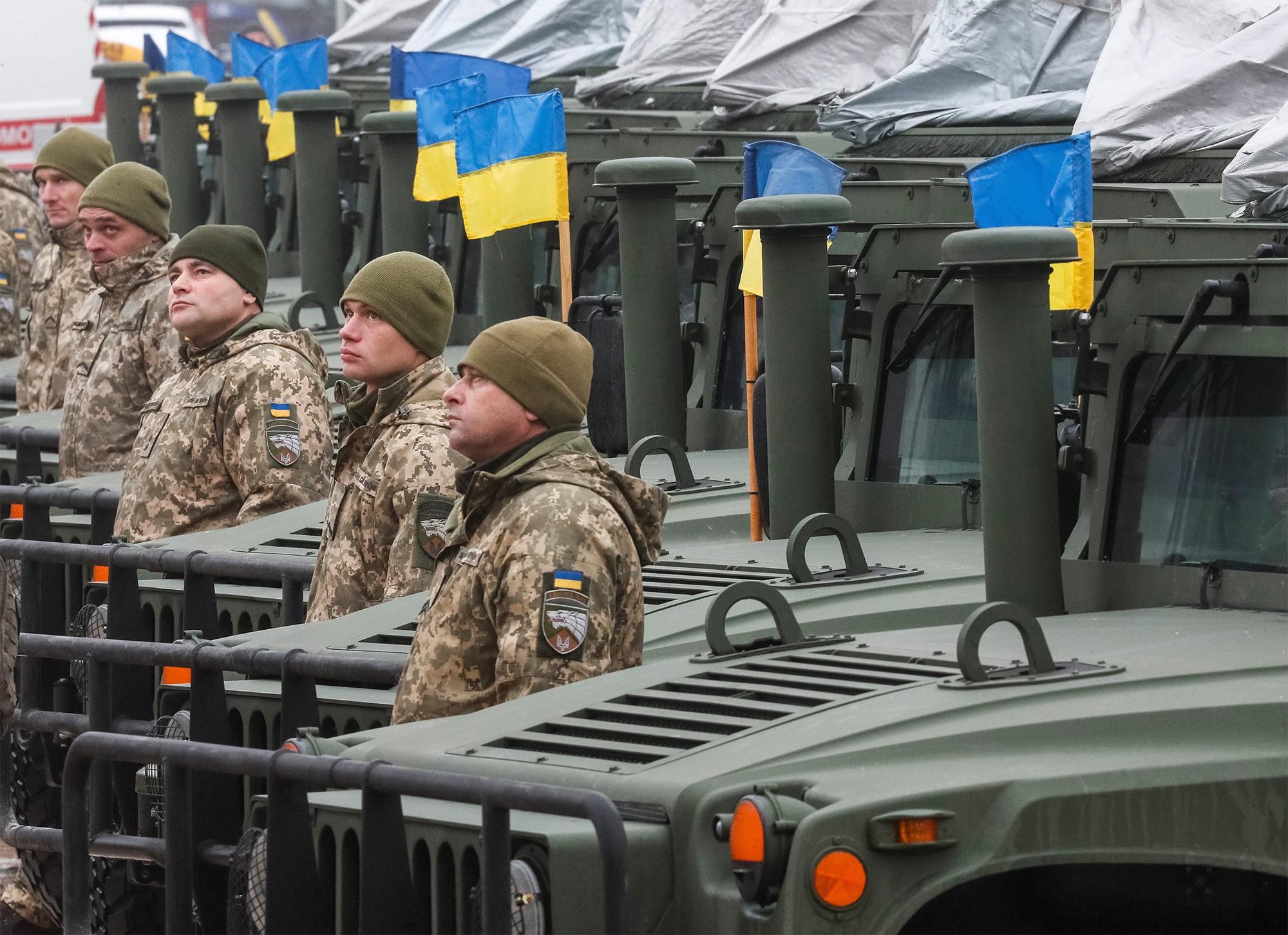
A nation fully mobilized. Ukraine spent $84.1 billion, up 20%, but the real shock is 40% of GDP going to defense—one of the highest war burdens in modern history.
- 8/10
A steady heavyweight. Saudi Arabia spent $83.2 billion, a 1.4% increase. While growth is modest, its position among top spenders remains firmly intact.
- 9/10
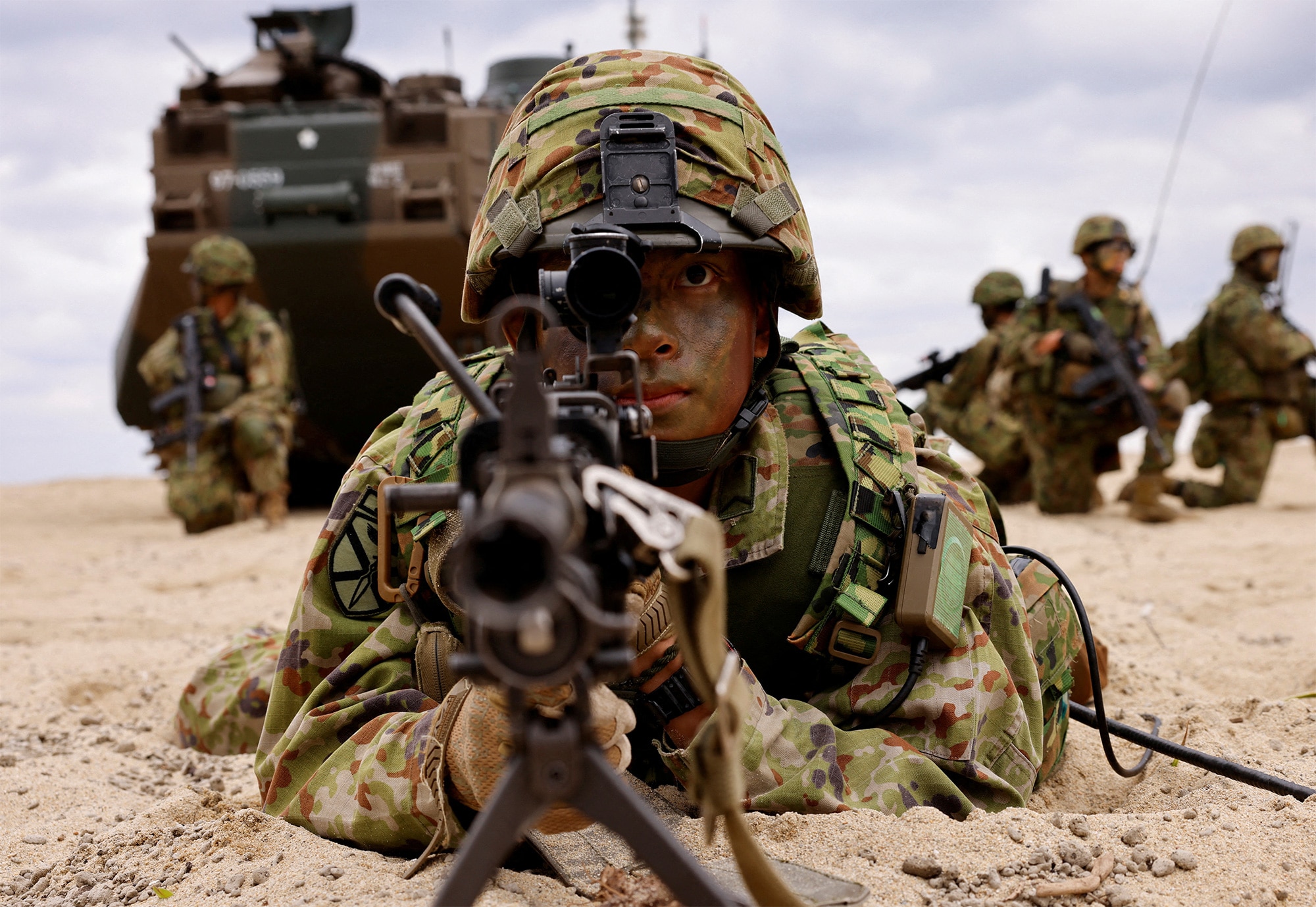
A quiet shift with big signals. Japan’s spending rose 9.7% to $62.2 billion, reaching 1.4% of GDP, the highest since 1958, reflecting rising regional tensions.
- 10/10
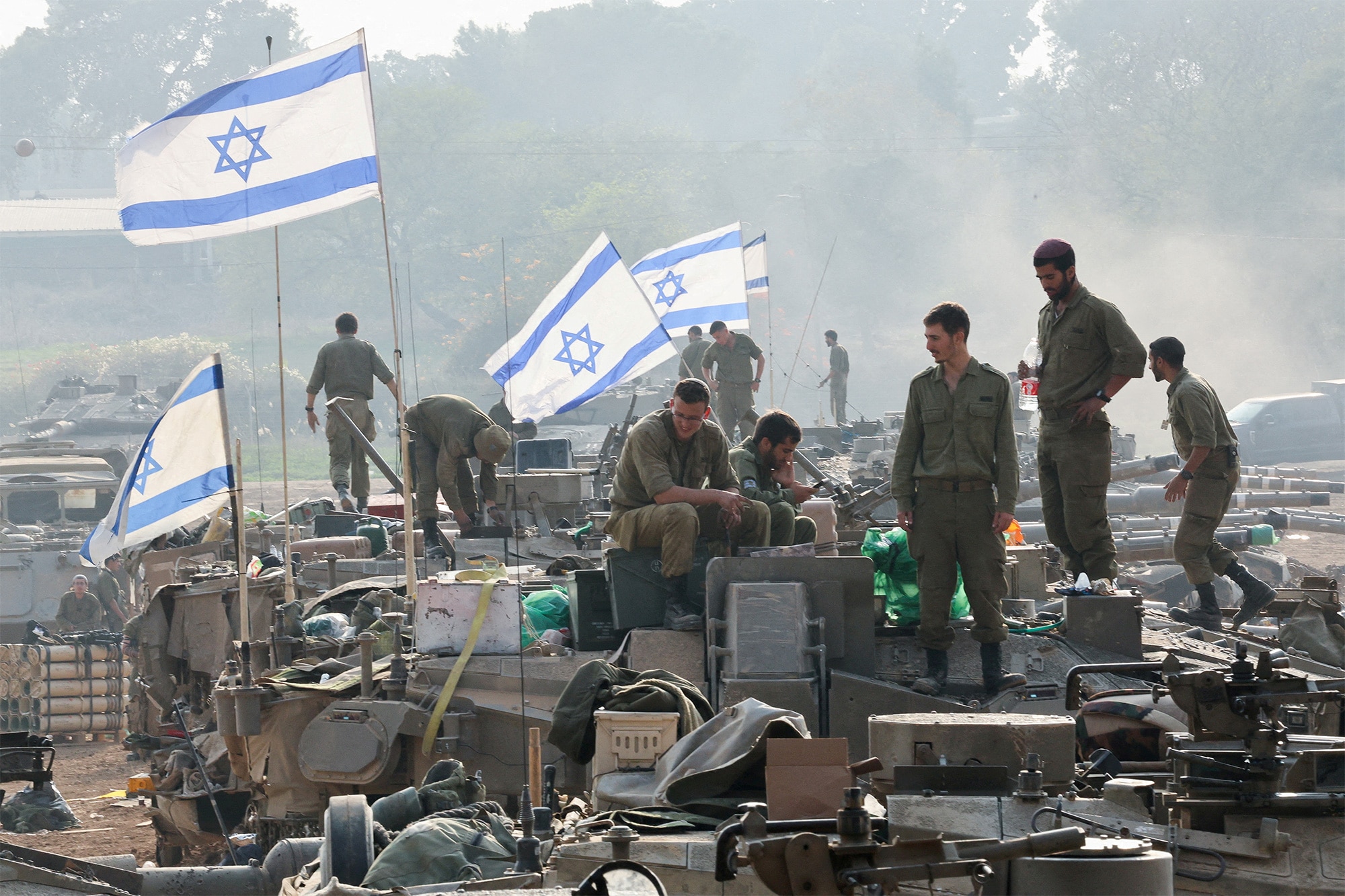
A dip, but not a slowdown. Israel spent $48.3 billion, down 4.9% after reduced war intensity—but still 97% higher than 2022, showing how conflict reshapes defense priorities fast.