
Iran and the Strait of Hormuz: Why the world’s oil chokepoint matters for India
The Strait of Hormuz carries nearly a third of the world’s oil supply. With India relying heavily on Gulf energy imports, any disruption in this strategic chokepoint could shake fuel prices and the economy.
- Mar 13, 2026,
- Updated Mar 13, 2026 4:47 PM IST
- 1/9
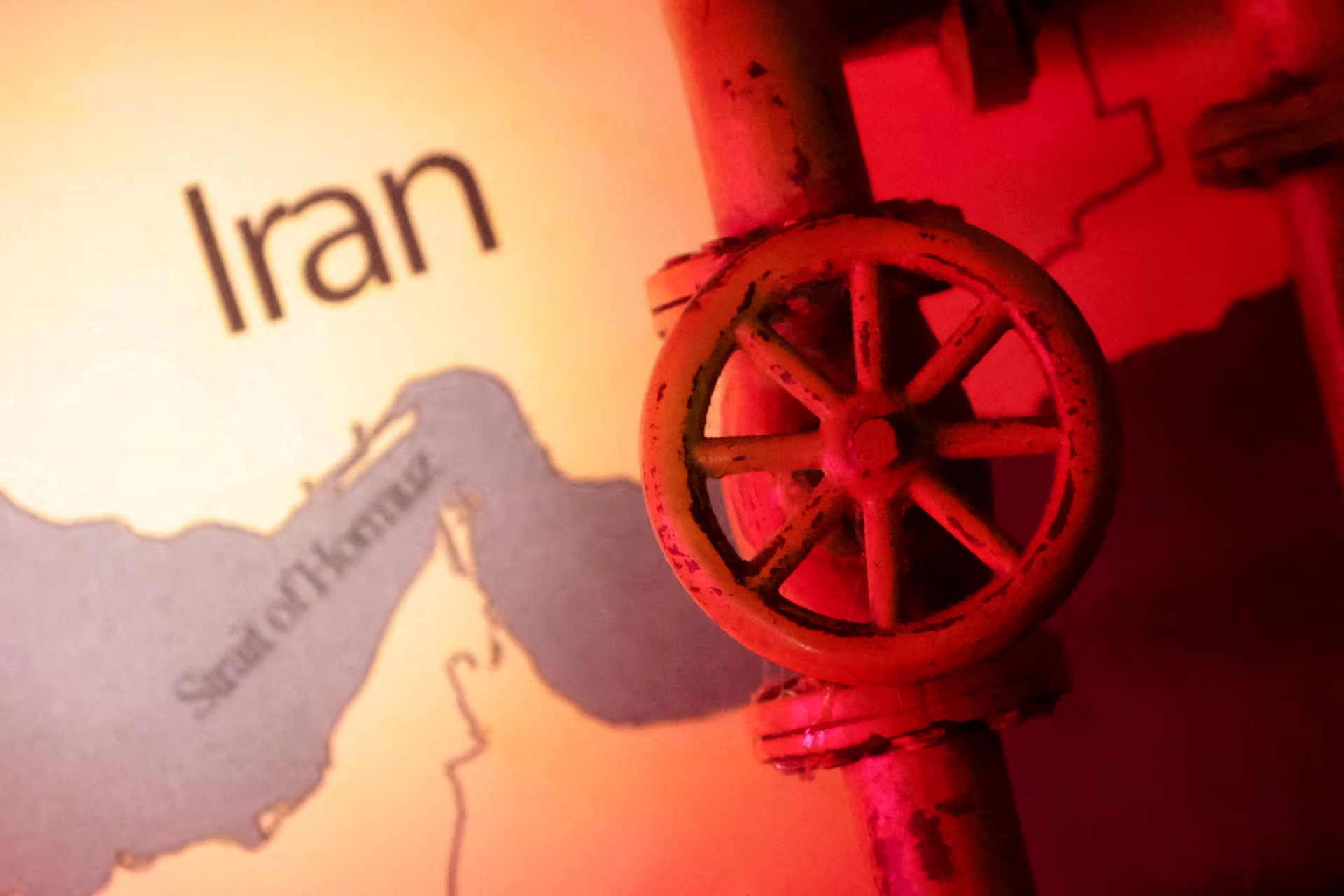
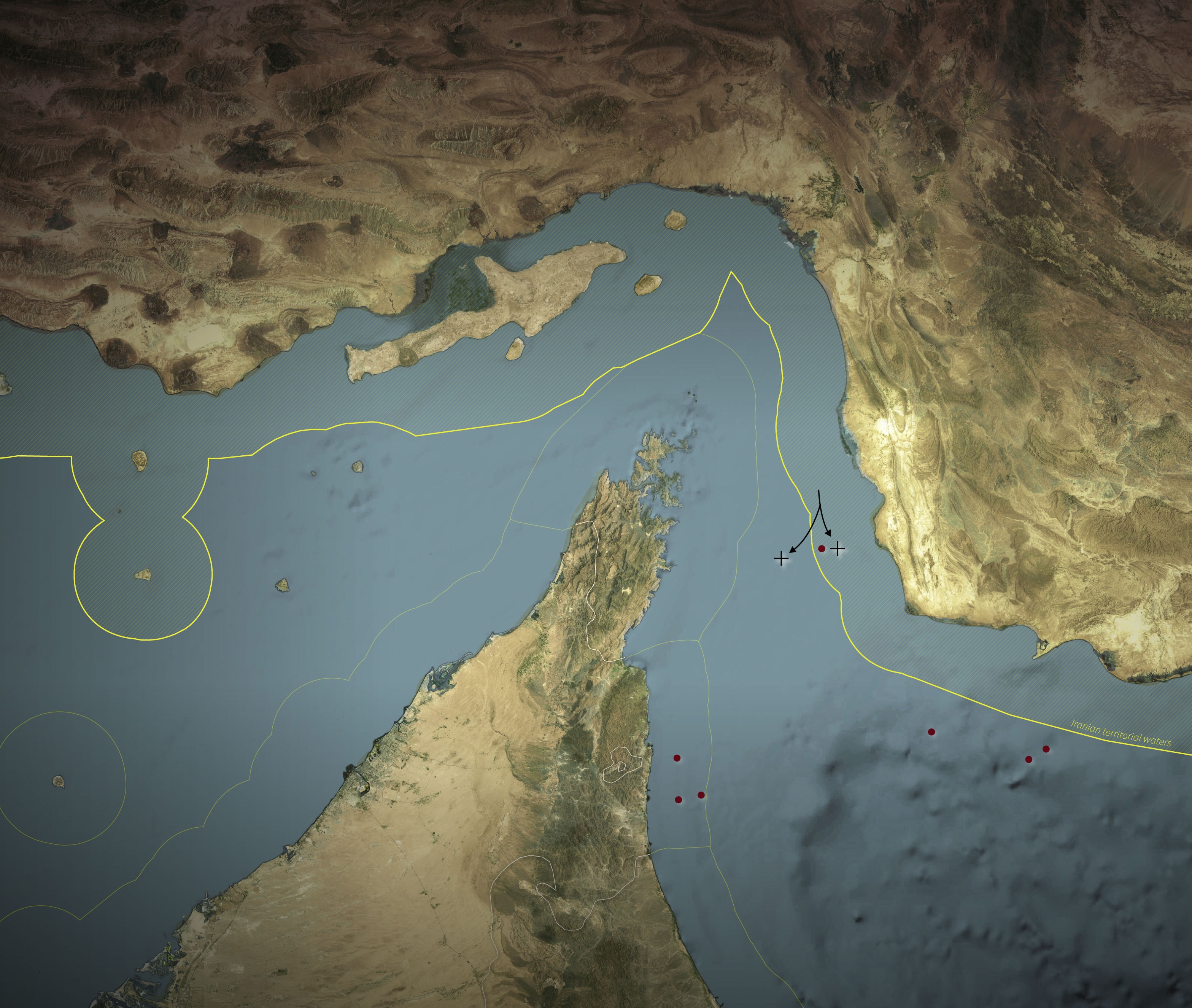
The Strait of Hormuz is one of the world’s most strategic maritime chokepoints, linking the Persian Gulf with the Arabian Sea. Around 20–30% of global oil trade passes through this narrow waterway, making it essential for global energy flows and international shipping.
- 2/9
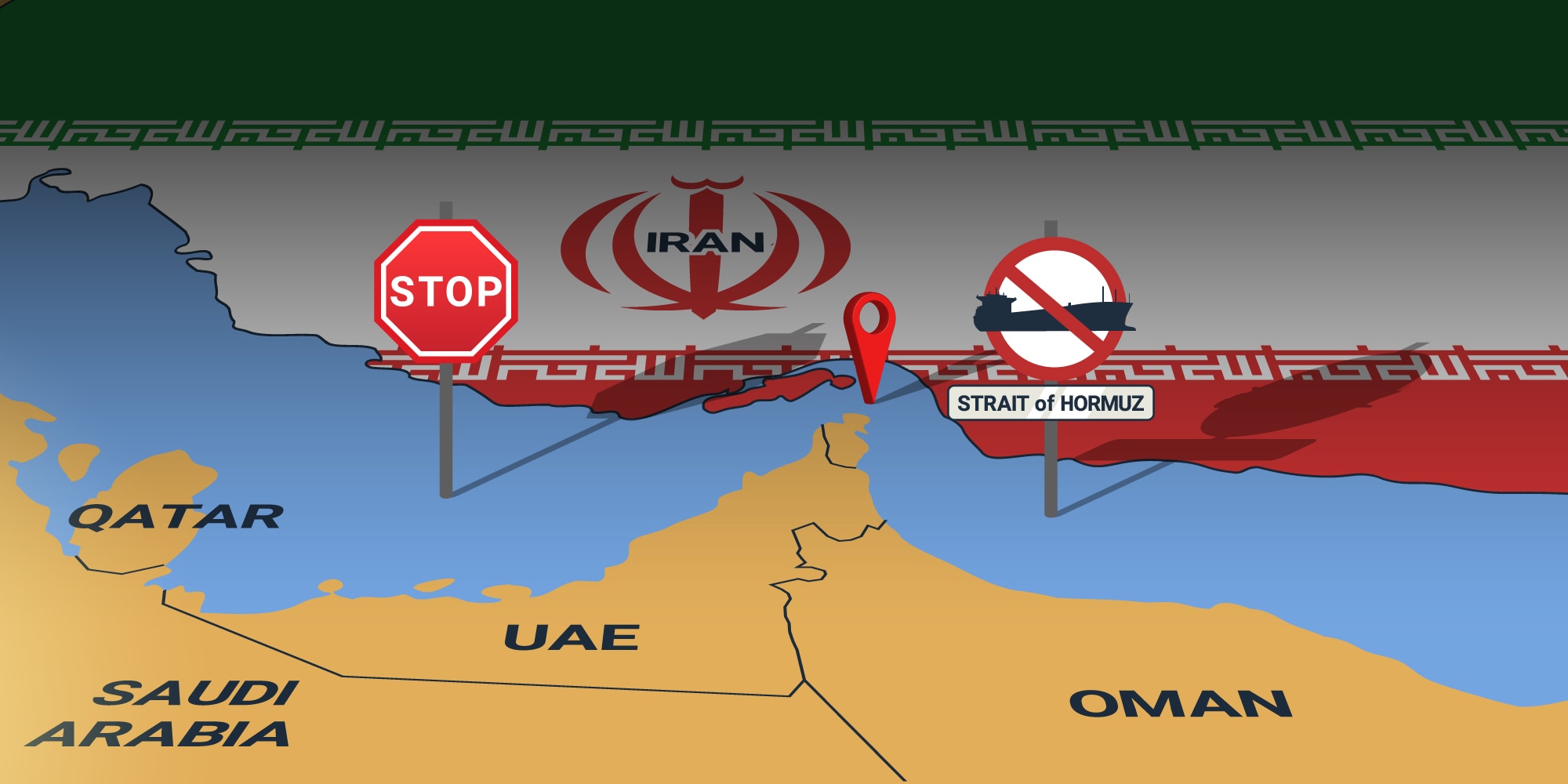
The strait sits between Iran to the north and Oman to the south, meaning both countries control the surrounding territorial waters. Under international maritime law, ships are allowed “transit passage,” but Iran’s navy can still exert influence over the northern side of the channel.
- 3/9
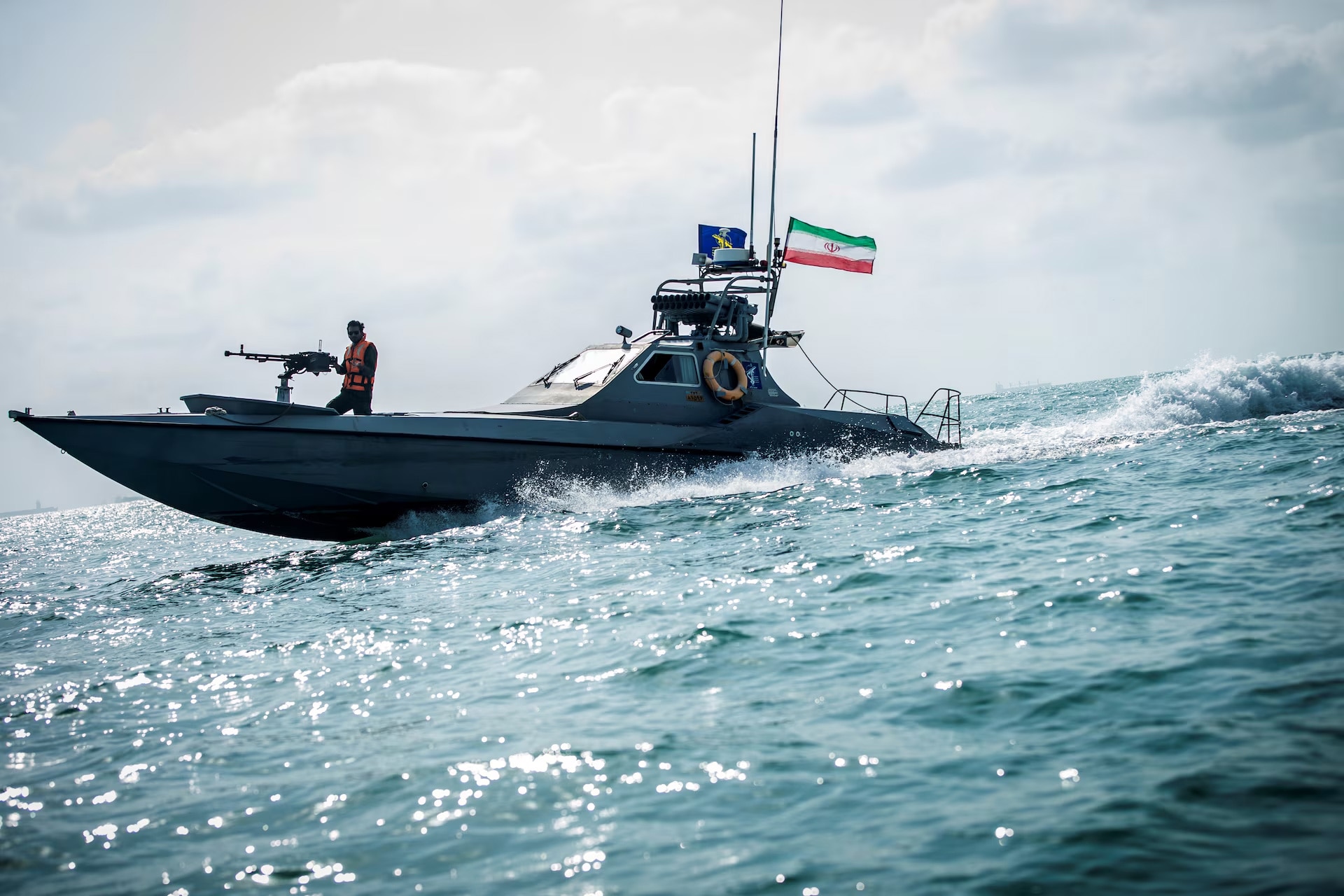
Iran’s geographical position gives it a powerful strategic advantage. Its coastline stretches along the northern edge of the strait, allowing the Iranian Revolutionary Guard Navy to monitor and potentially disrupt shipping with missiles, drones, mines and fast attack boats.
- 4/9
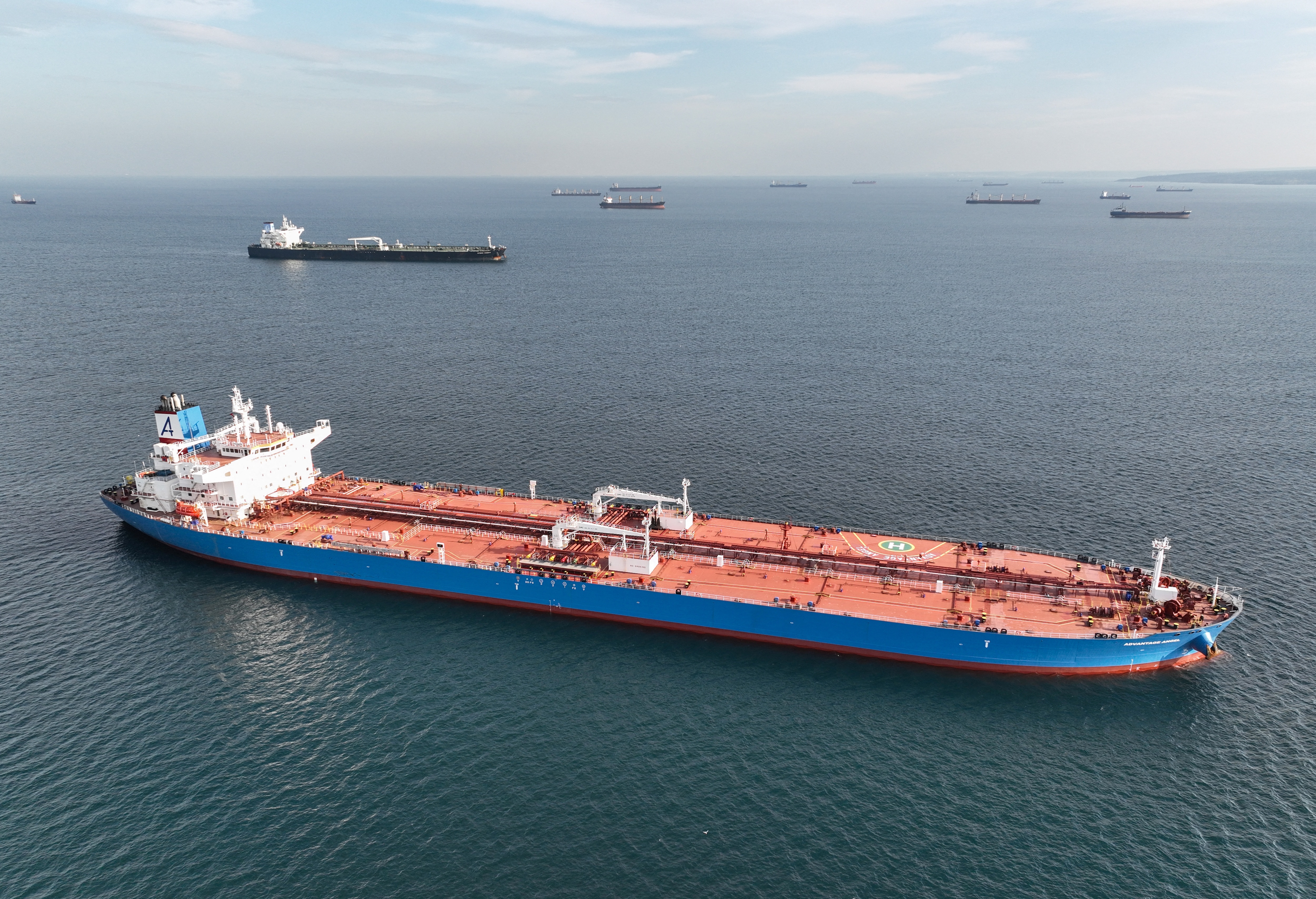
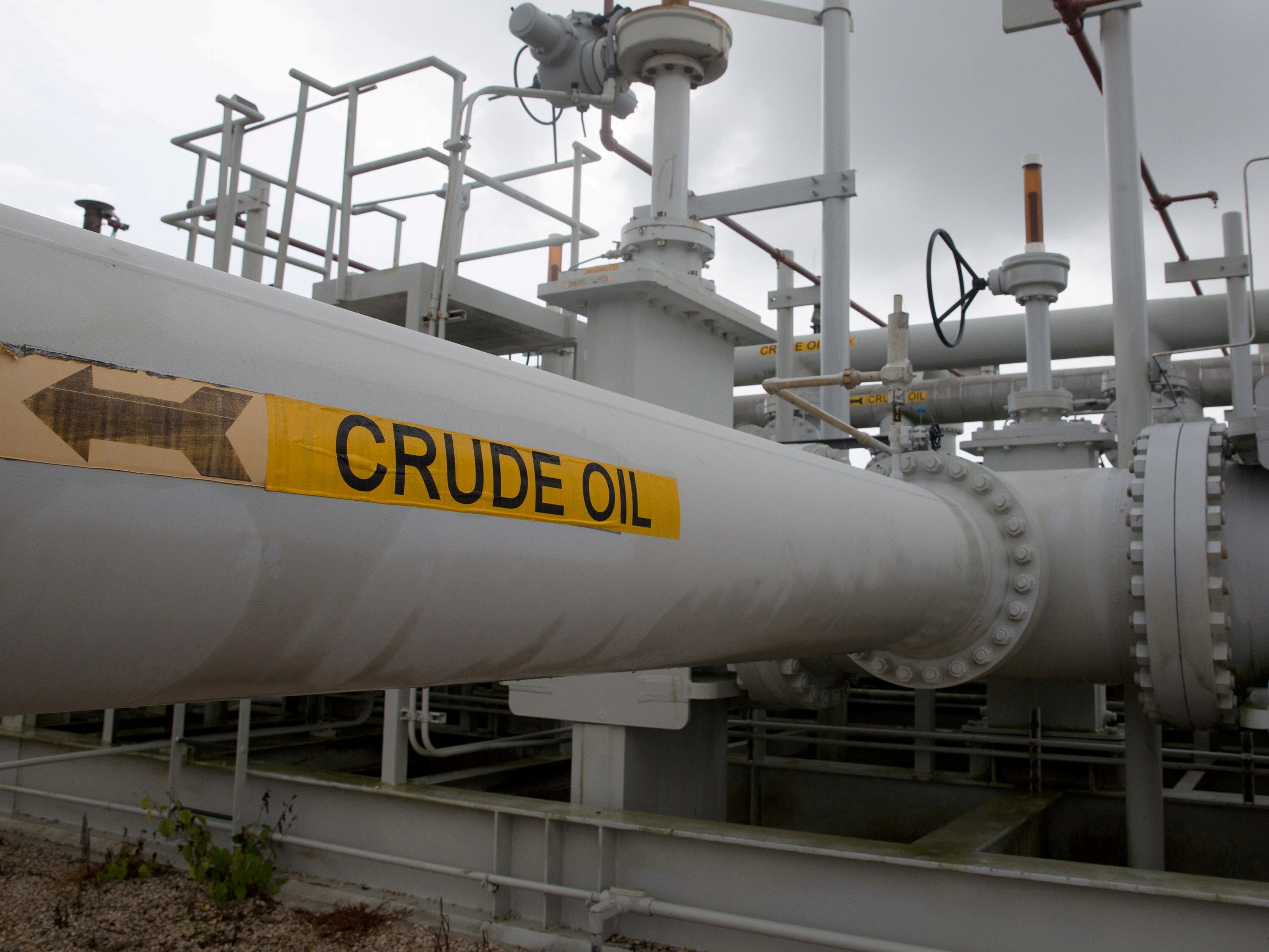
Major oil producers like Saudi Arabia, Iraq, Kuwait, Qatar and the UAE export most of their crude through this route. Because global energy markets rely on these shipments, even the threat of disruption can immediately push oil prices higher.
- 5/9
India is the world’s third-largest oil consumer and imports over 85–88% of its crude oil needs. A significant share of these imports comes from Gulf countries whose tankers pass through the Strait of Hormuz.
- 6/9
Experts estimate that about 40–50% of India’s crude oil imports travel through the Strait of Hormuz, equal to roughly 2.5–2.7 million barrels per day. Any disruption in the strait could therefore immediately affect India’s energy supply.
- 7/9
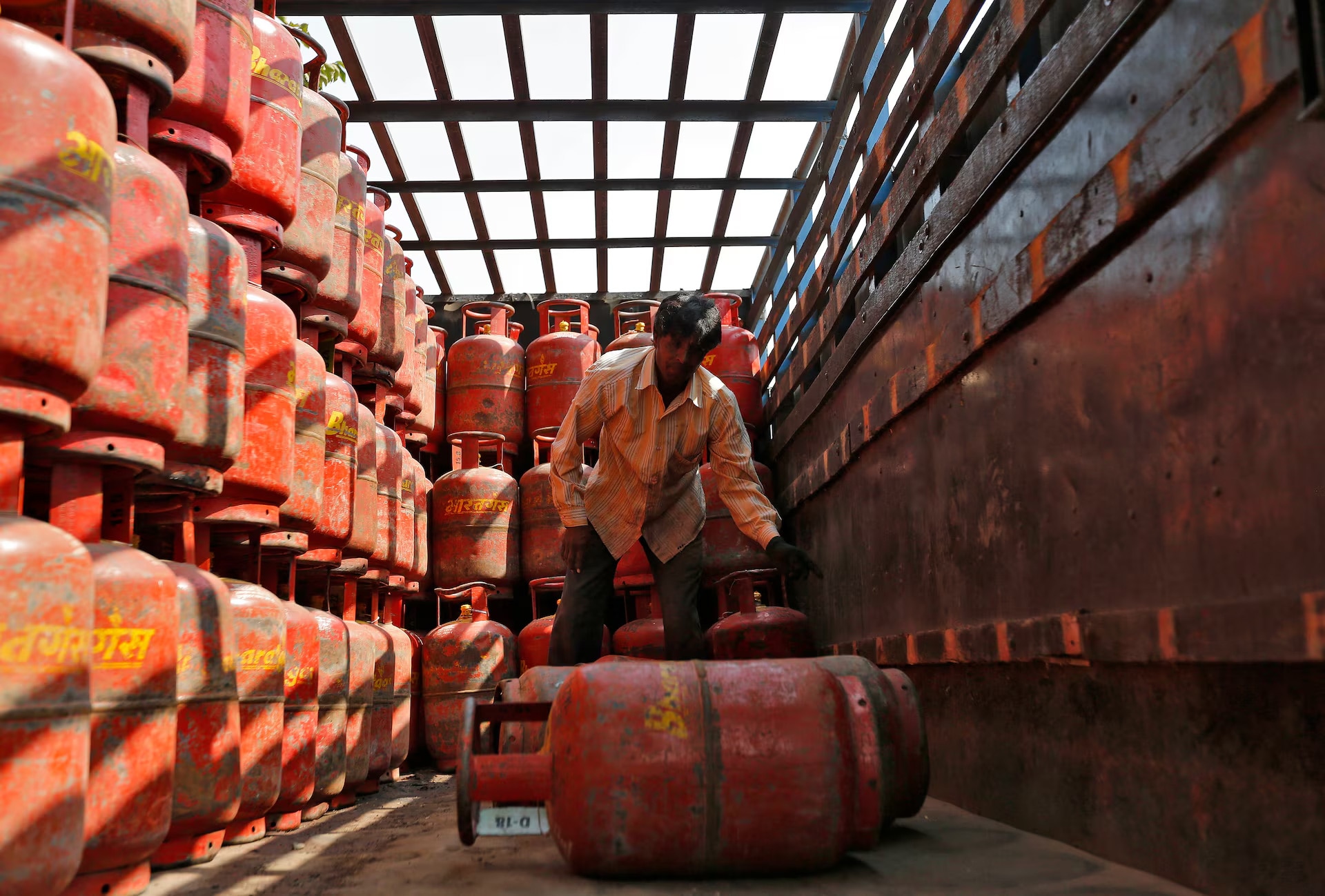
If the strait closes or shipping becomes risky, global oil prices could surge rapidly. Higher crude prices would translate into costlier petrol, diesel, LPG and transport in India, increasing inflation and putting pressure on household budgets.
- 8/9
Rising energy prices would also affect sectors like aviation, logistics, chemicals and manufacturing. Since oil plays a crucial role in transportation and industrial production, a prolonged disruption could slow economic growth.
- 9/9
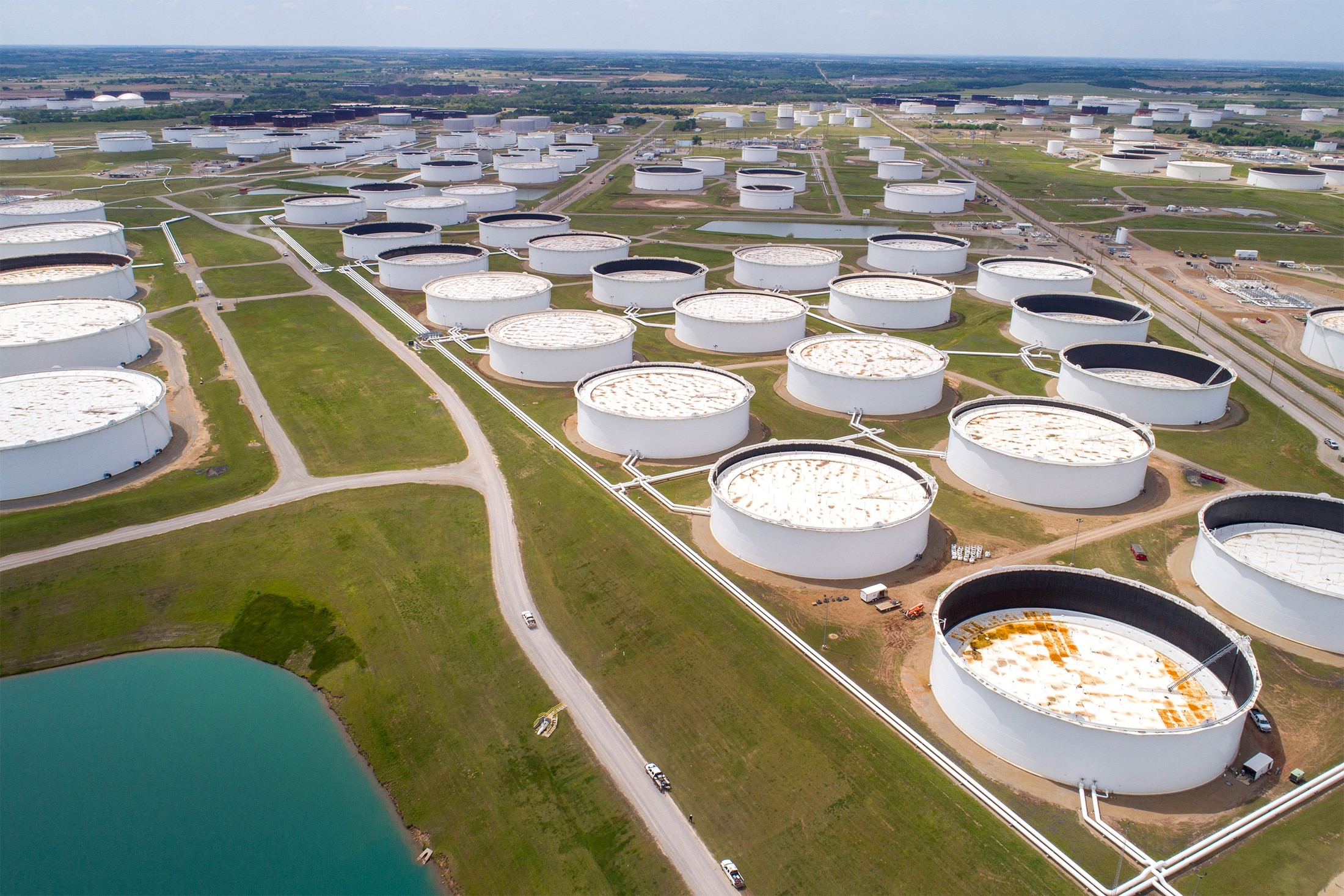
To reduce risks, India has been diversifying crude imports from countries such as Russia, the United States and Brazil, while also maintaining strategic petroleum reserves. These measures aim to protect the economy if the Strait of Hormuz faces prolonged disruption.