
Iran–Israel war explained: Key global impacts on oil, economy and security
The Iran–US–Israel conflict could trigger global ripple effects from oil price shocks and inflation to cyber warfare and refugee crises. Here are the biggest ways the world economy and security could be impacted.
- Mar 2, 2026,
- Updated Mar 2, 2026 3:09 PM IST
- 1/9
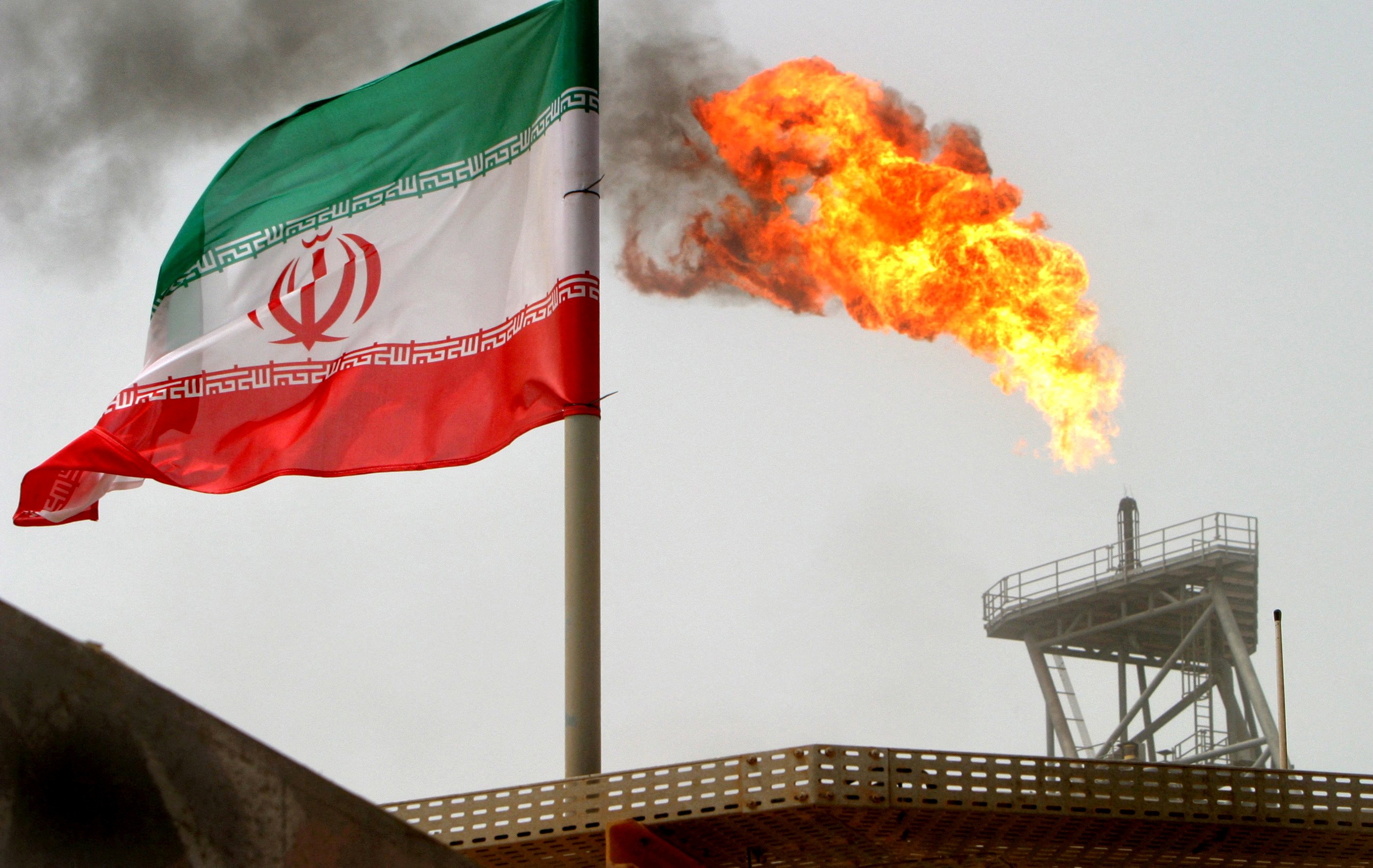
Energy markets are the first to feel the tremor. Analysts warn that any disruption in the Persian Gulf could push crude prices sharply higher, with some forecasts suggesting oil could surge past $100 a barrel if shipping lanes or production hubs are hit. For consumers worldwide, that could translate into costlier fuel, pricier flights, and rising household bills almost overnight.
- 2/9
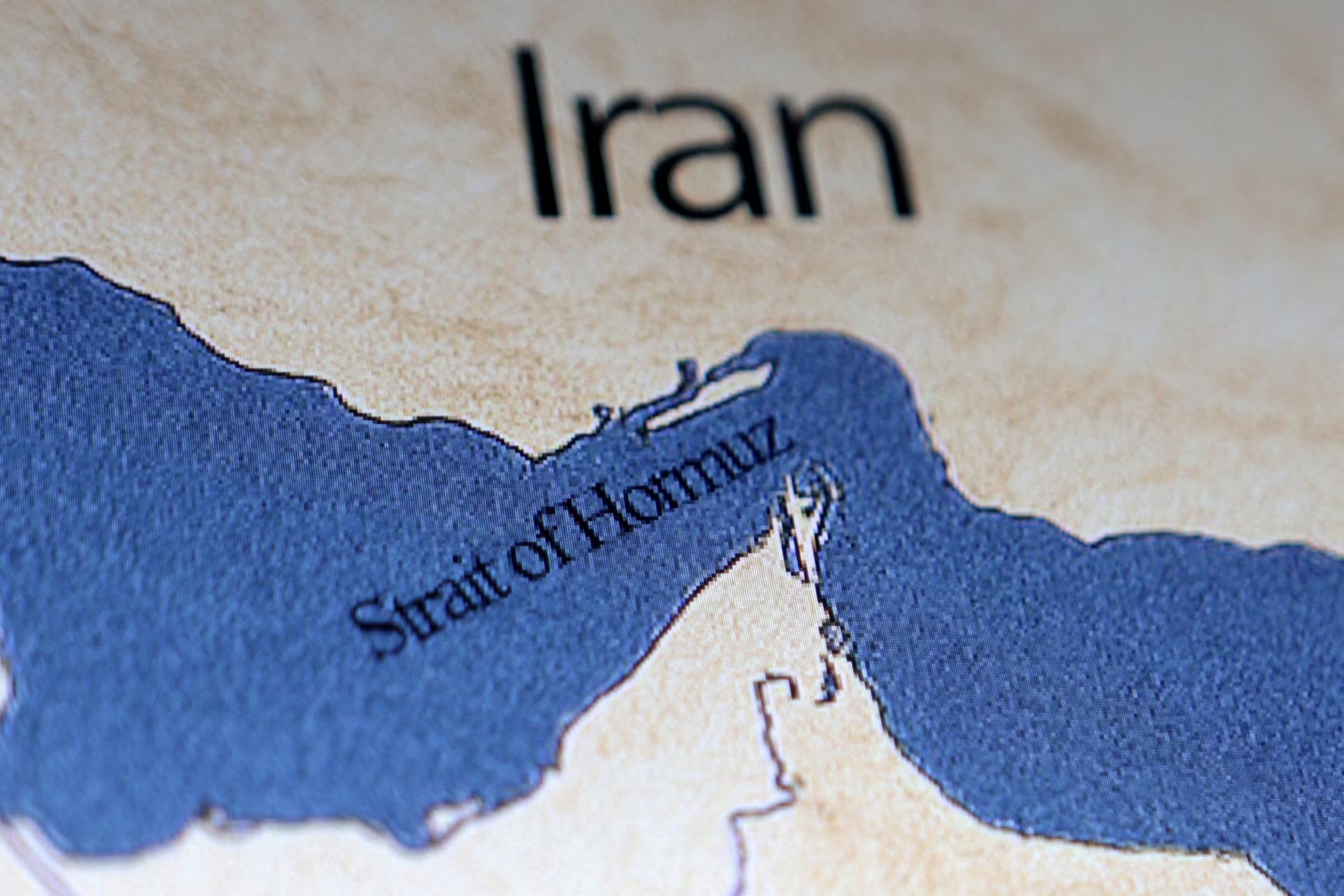
The narrow Strait of Hormuz carries roughly one-fifth of the world’s oil supply. Military escalation in the region could threaten tankers and shipping routes, sending shockwaves through global trade. Even the hint of instability here is enough to make insurers hike shipping premiums and traders scramble for alternative supply routes.

- 3/9
Financial markets tend to react instantly to geopolitical shocks. When war risks rise, investors flee risky assets and rush toward safe havens like gold and government bonds. Market strategists warn that prolonged conflict could trigger stock volatility across Asia, Europe, and the US as investors brace for economic uncertainty.
- 4/9
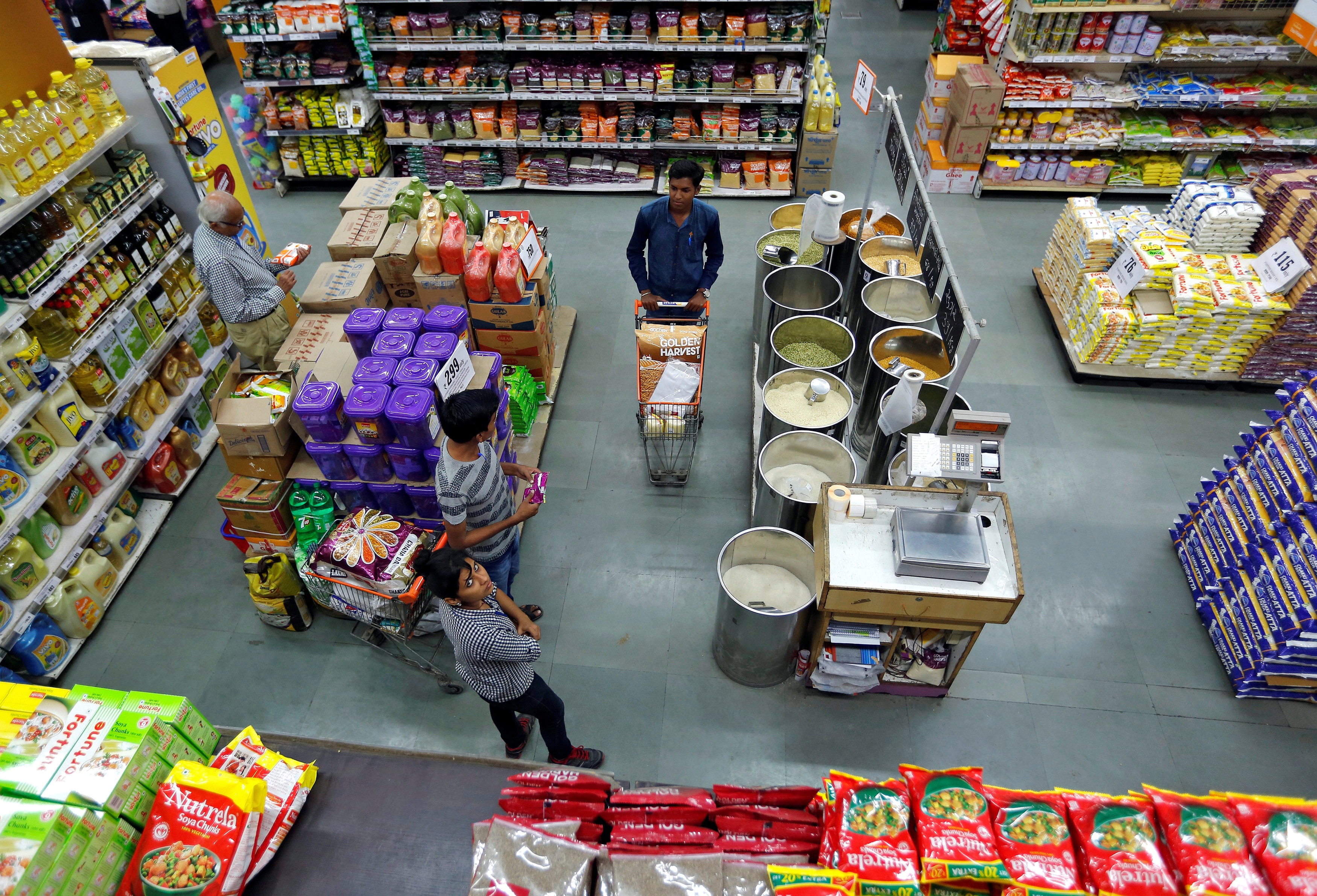
Higher energy prices rarely stay confined to petrol pumps. Transport costs rise, manufacturing expenses climb, and eventually grocery bills swell. Economists say a major Middle East conflict could reignite global inflation just when many countries were beginning to see prices stabilise after years of economic turbulence.
- 5/9
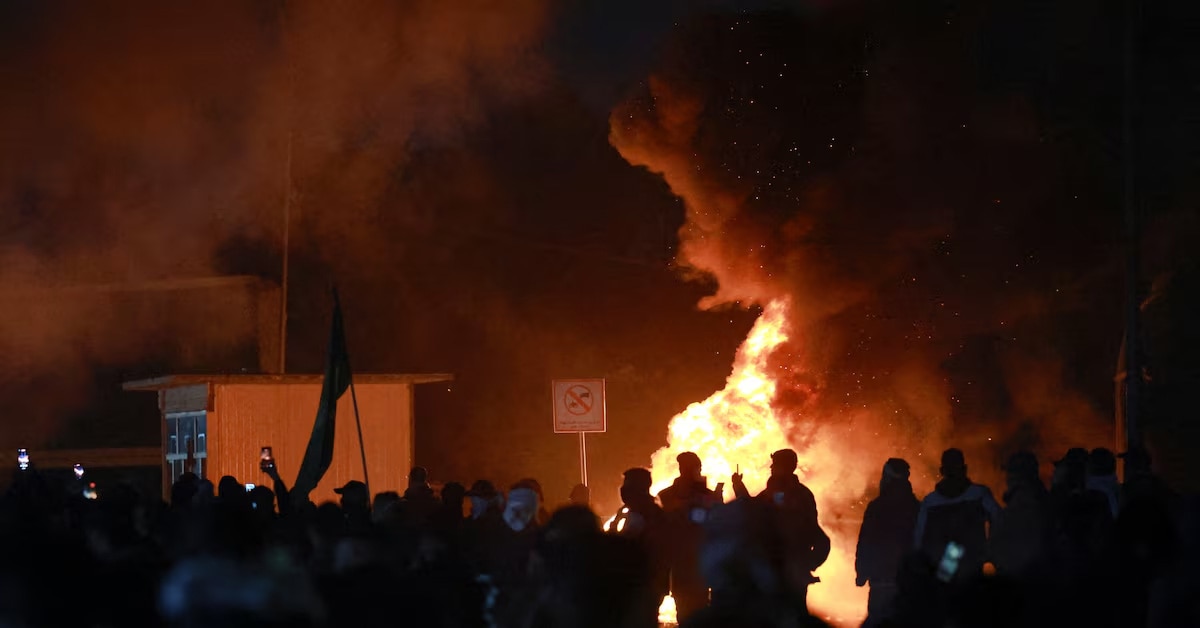
A conflict between Iran, Israel and the United States rarely stays contained. Regional groups such as Hezbollah in Lebanon, militias in Iraq and Syria, or Houthi forces in Yemen could be drawn into the crisis, potentially turning a bilateral confrontation into a wider Middle East conflict affecting several nations simultaneously.
- 6/9
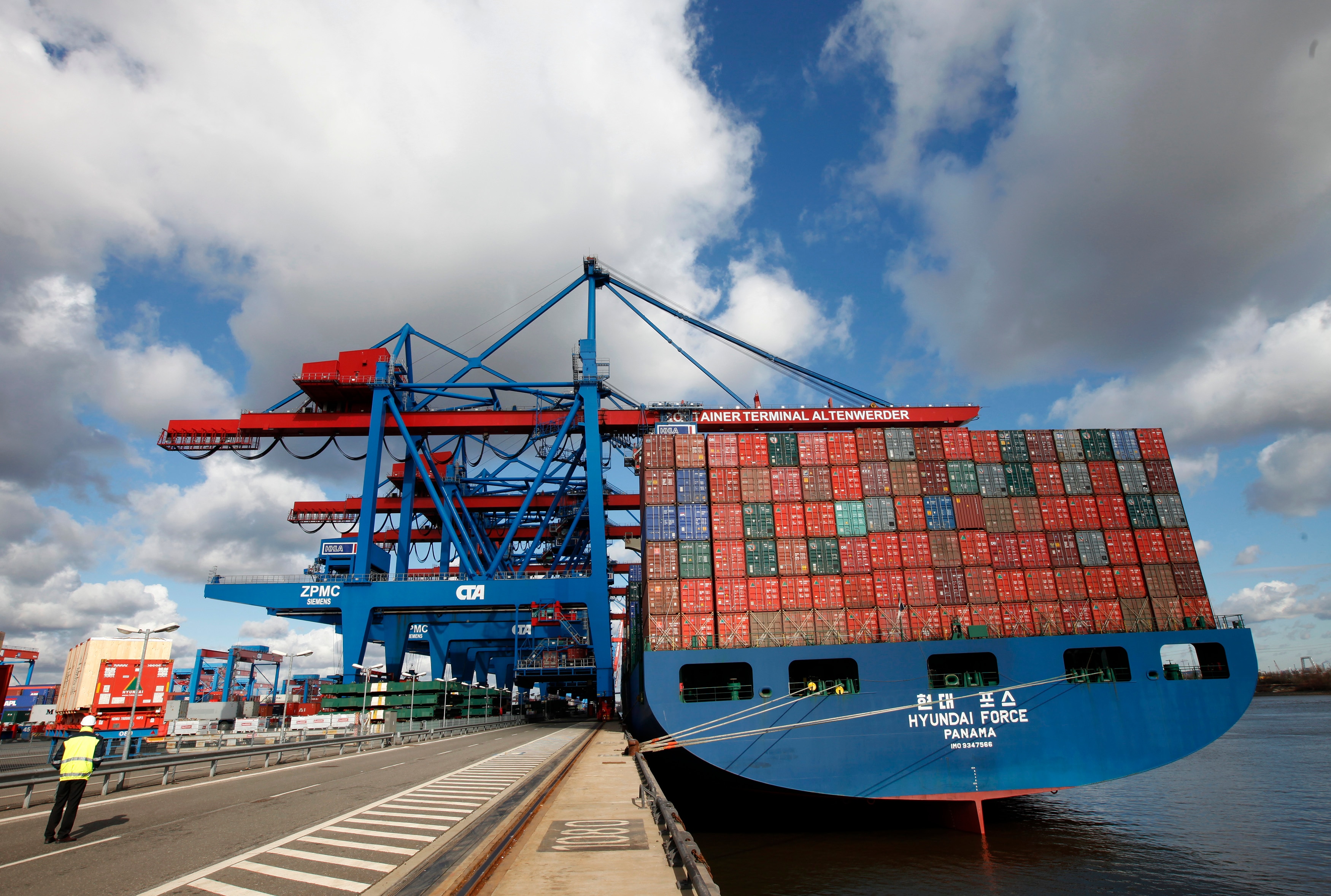
Global supply chains remain fragile after the pandemic years. A major conflict in the Gulf could disrupt shipping routes for energy, chemicals, and raw materials. Manufacturers from Europe to Asia may suddenly face shortages, pushing up prices for everything from electronics to fertilizers.
- 7/9
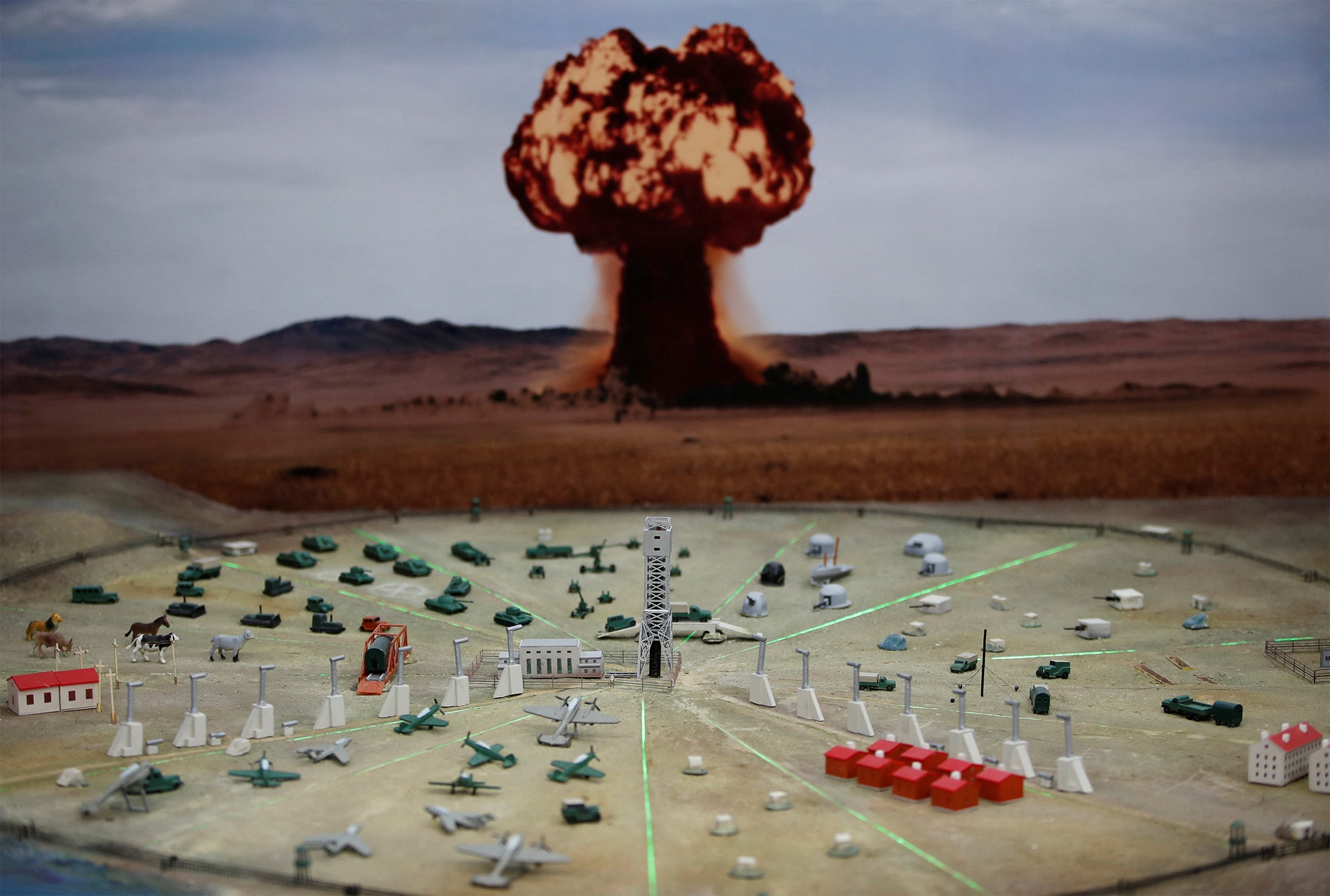
One of the biggest fears surrounding the conflict is nuclear escalation. Israel is widely believed to possess nuclear capabilities, while Iran’s nuclear programme remains controversial. Security experts warn that rising tensions could intensify fears of nuclear proliferation across the Middle East.
- 8/9
Modern wars extend far beyond battlefields. Cyber warfare could target banking systems, power grids, and communication networks. Experts say hostile cyber campaigns tied to geopolitical conflicts have increased sharply in recent years, making digital infrastructure a critical new front in global conflict.
- 9/9
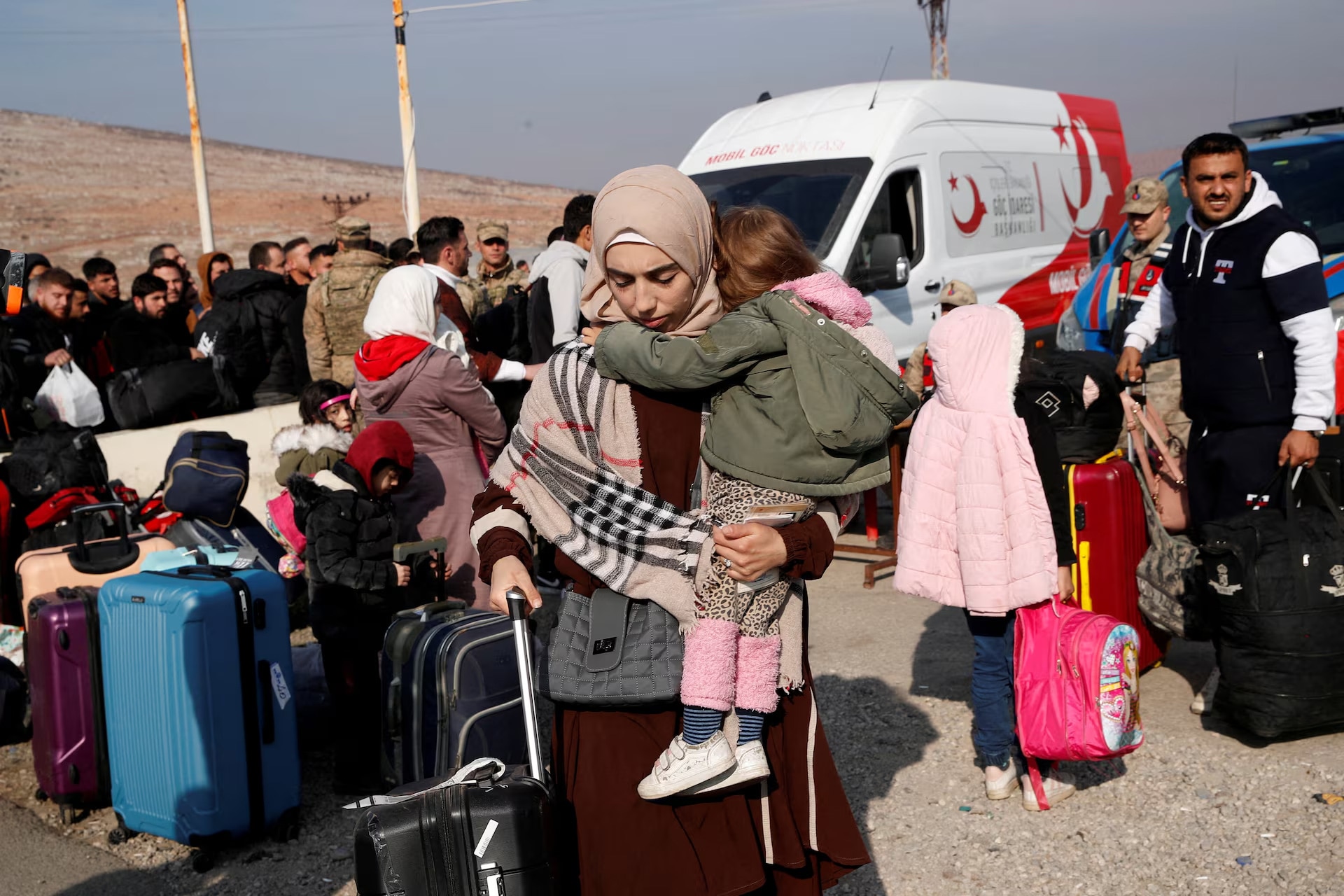
History shows that wars in the Middle East often trigger massive humanitarian crises. If the conflict escalates, millions could be displaced across the region, placing enormous pressure on neighbouring countries and potentially reshaping migration flows toward Europe and beyond. (Representative pic)