
Iran’s top leaders reportedly killed in strikes: Full List
From Supreme Leader Ali Khamenei to top IRGC commanders, reports of leadership losses raise critical questions about Iran’s stability, military strength, and future power structure.
- Mar 18, 2026,
- Updated Mar 18, 2026 1:20 PM IST
- 1/9
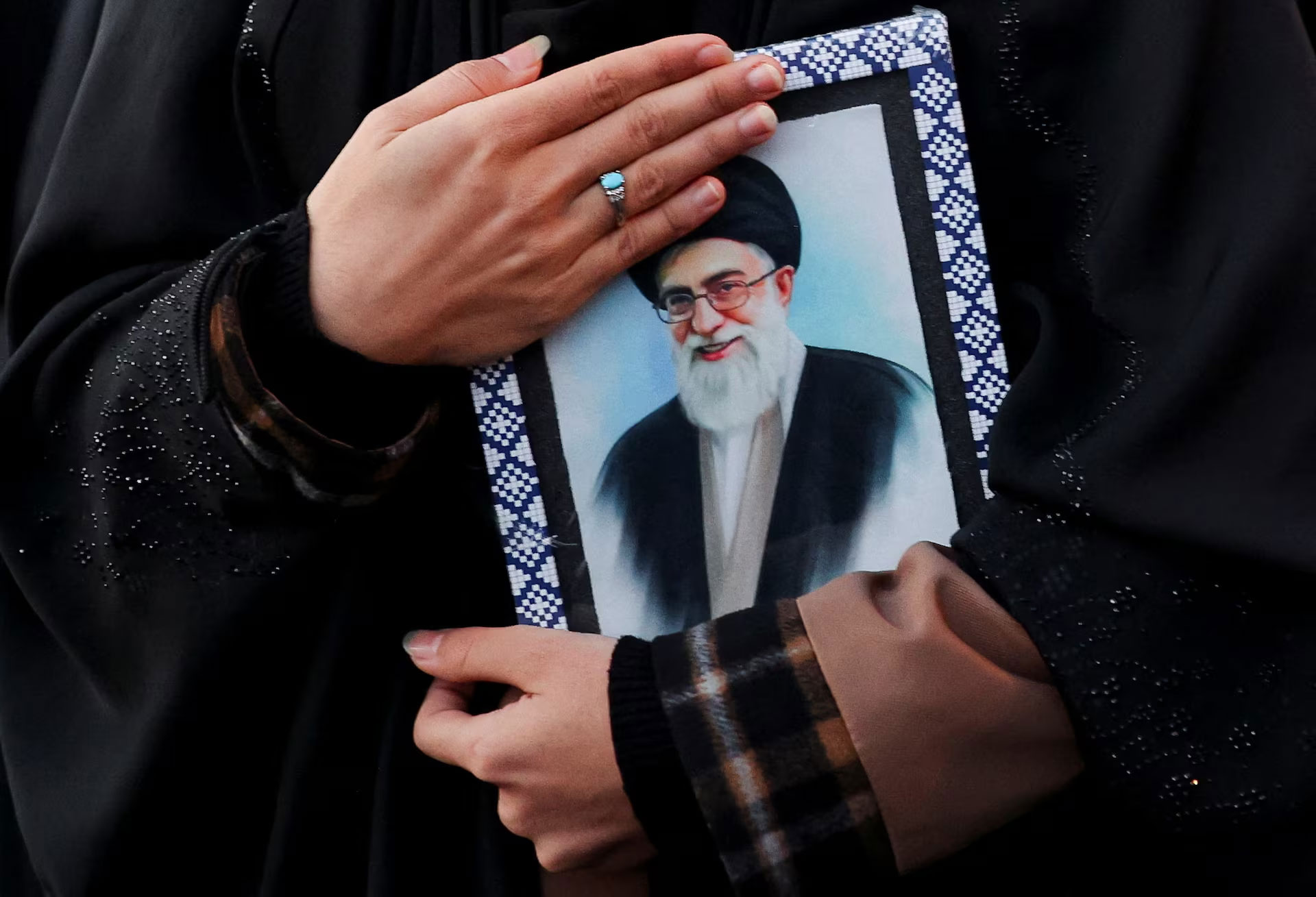
The reported killing of Ali Khamenei, if confirmed, would mark one of the most seismic shocks in modern geopolitics. Intelligence analysts say removing a Supreme Leader isn’t just symbolic—it fractures command, ideology, and national identity in one blow.
- 2/9
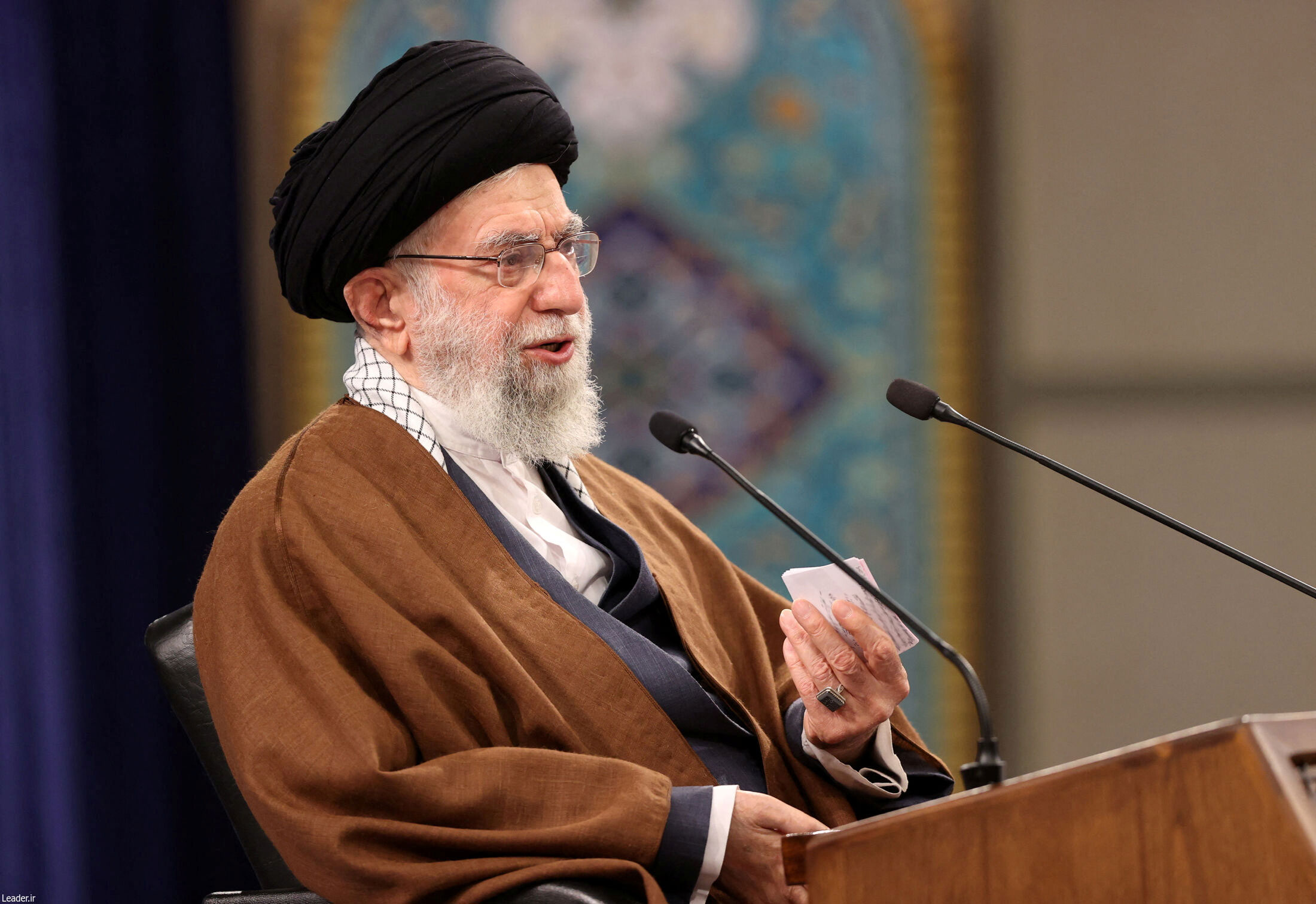
When top-tier leadership is suddenly wiped out, what follows isn’t clarity—it’s chaos. Experts at global think tanks warn that leadership decapitation can trigger internal power struggles, reshaping Iran’s political future behind closed doors.
- 3/9
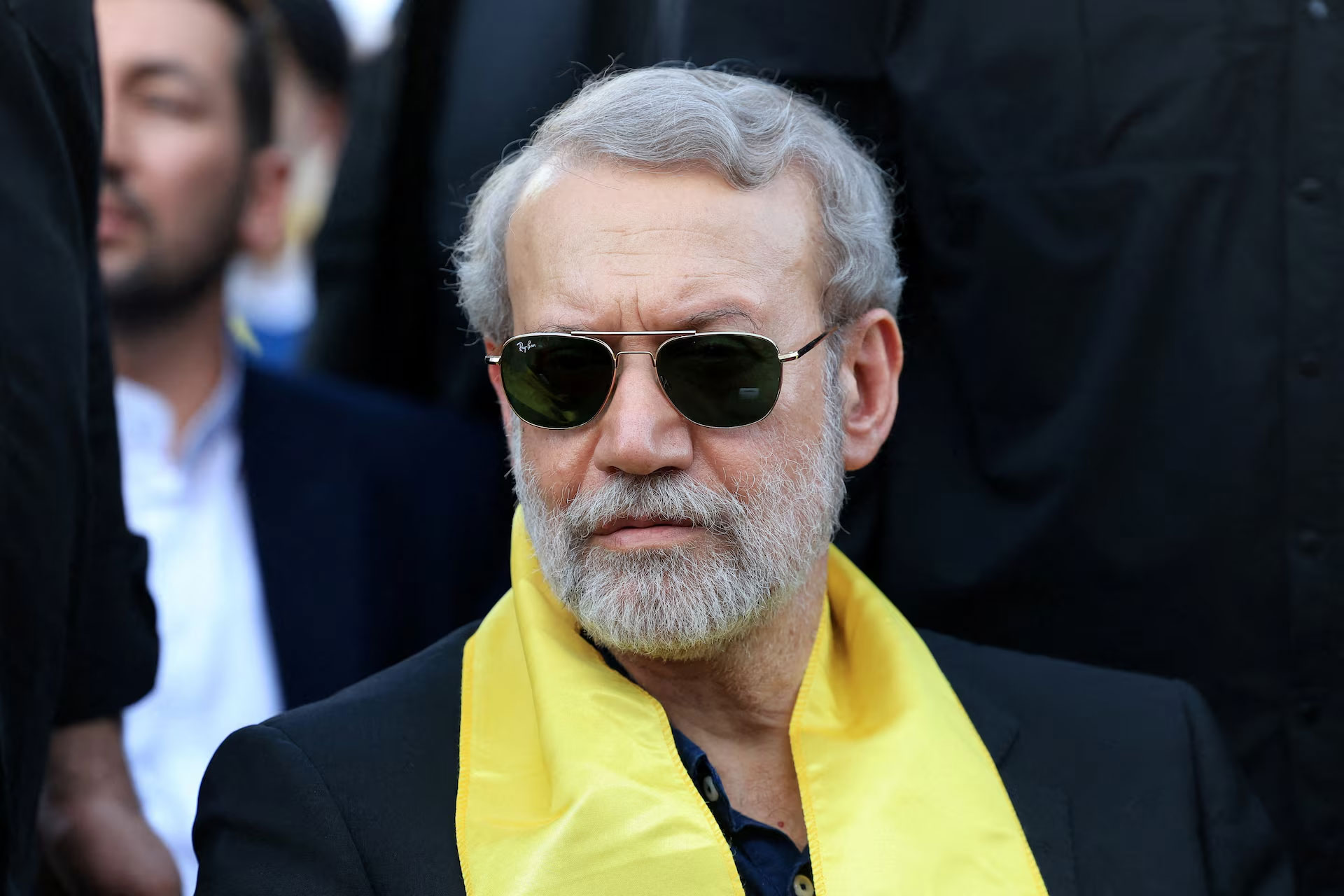
The reported death of Ali Larijani raises more questions than answers. A seasoned negotiator and insider, his sudden absence could signal deeper fractures within Iran’s strategic and diplomatic machinery.
- 4/9
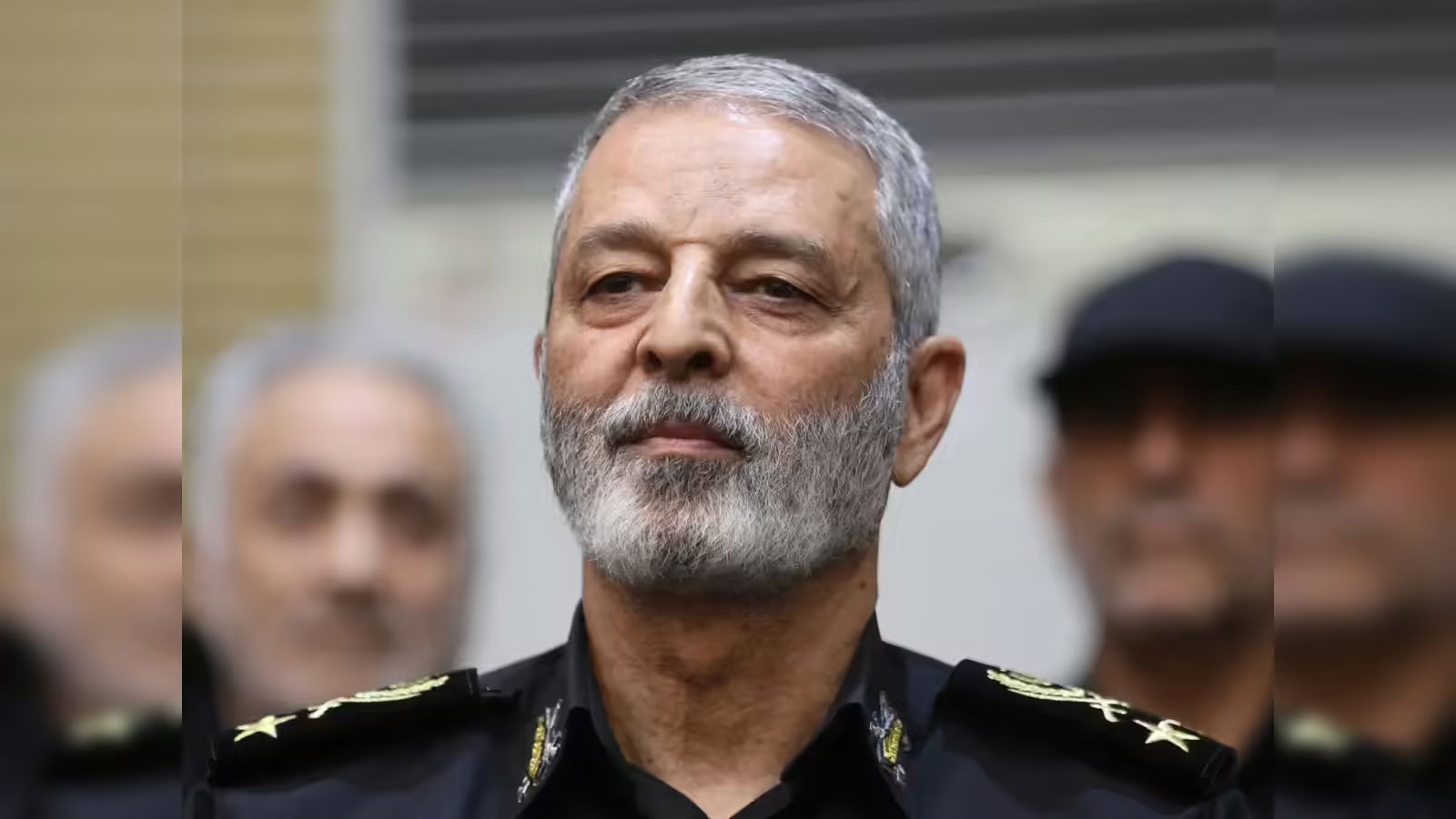
Figures like Abdolrahim Mousavi represent the backbone of Iran’s military command. Analysts suggest that losing such figures simultaneously could disrupt coordination across Iran’s army and IRGC networks.
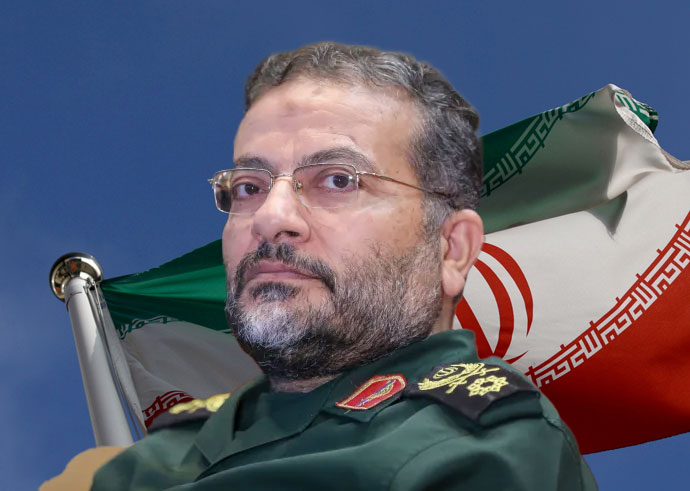
- 5/9
The reported loss of Gholamreza Soleimani points to a deeper hit on Iran’s internal security apparatus. The Basij isn’t just a force—it’s a tool of domestic control, making this a potentially destabilizing moment.
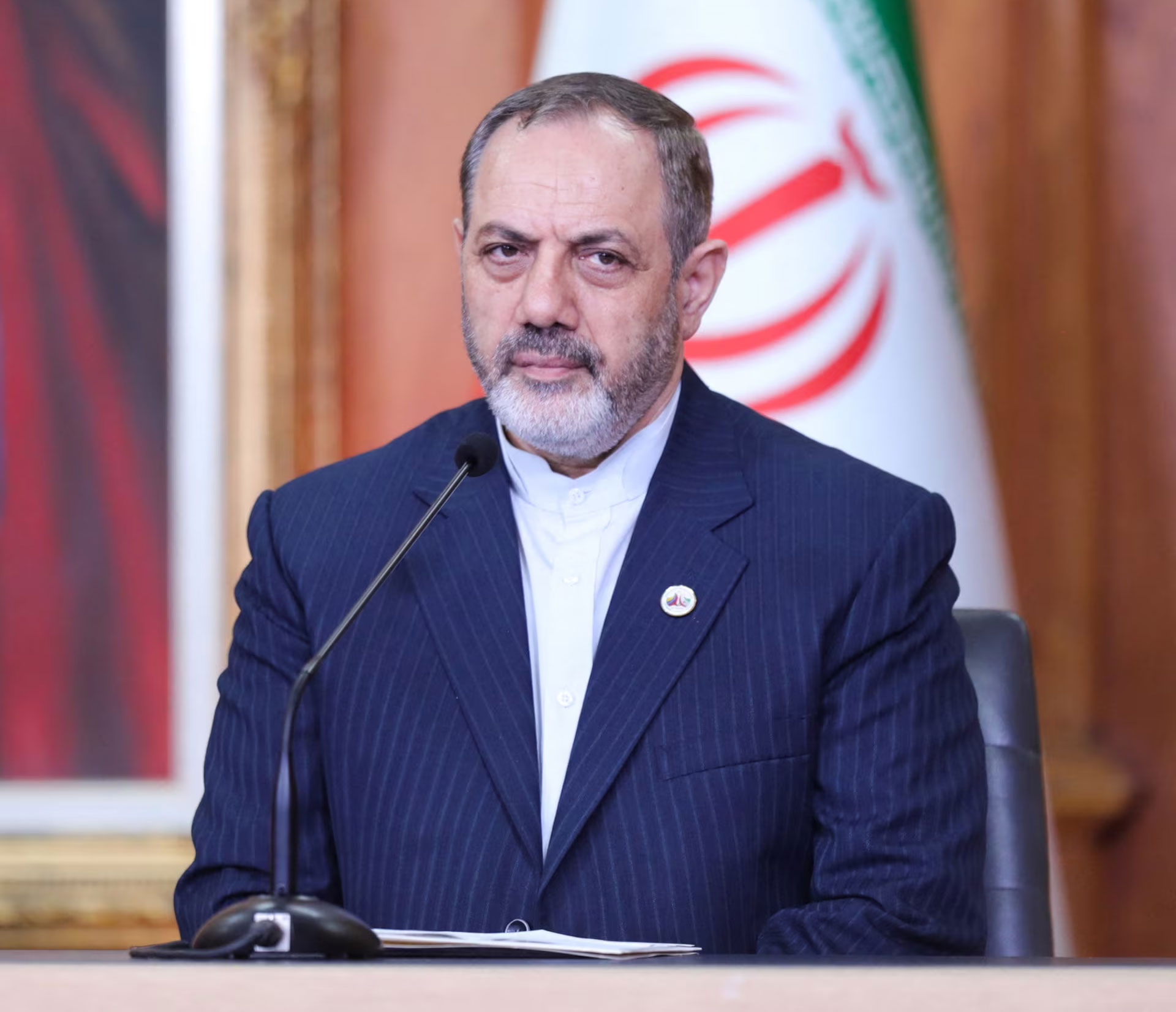
- 6/9
If confirmed, the death of Aziz Nasirzadeh would signal a direct strike on Iran’s defense planning core. Experts note that targeting defense leadership is a calculated move to weaken long-term war capability.
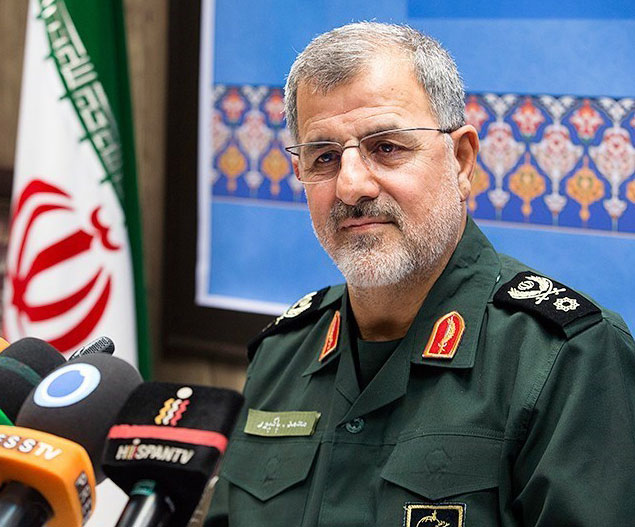
- 7/9
The IRGC, Iran’s most powerful military force, faces a strategic jolt with the reported killing of Mohammad Pakpour. Analysts warn this could temporarily paralyze decision-making in regional operations.
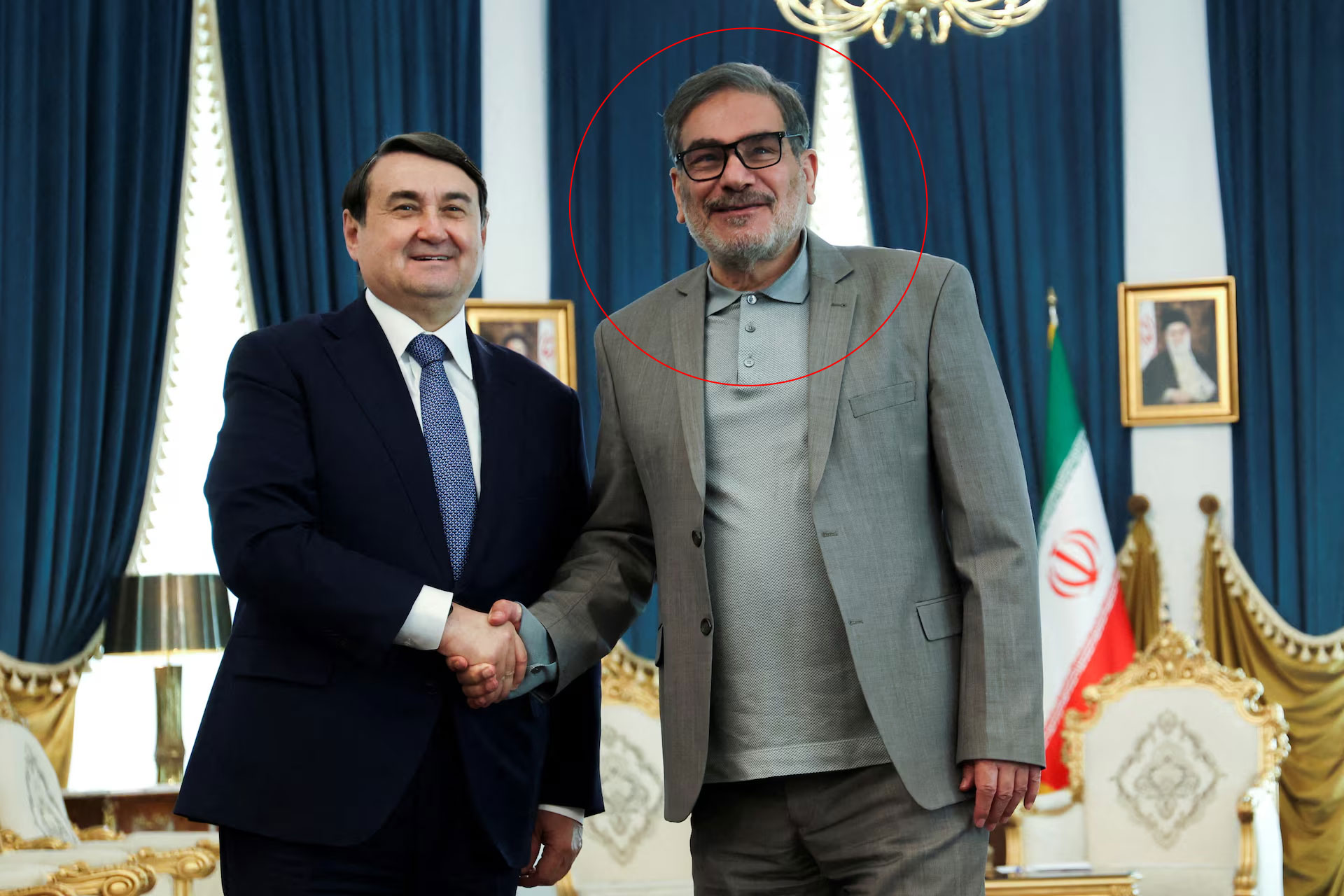
- 8/9
Figures like Ali Shamkhani play a quiet but crucial role in national security decisions. Their absence could create invisible gaps—ones that aren’t immediately seen but deeply felt in policy shifts.
- 9/9
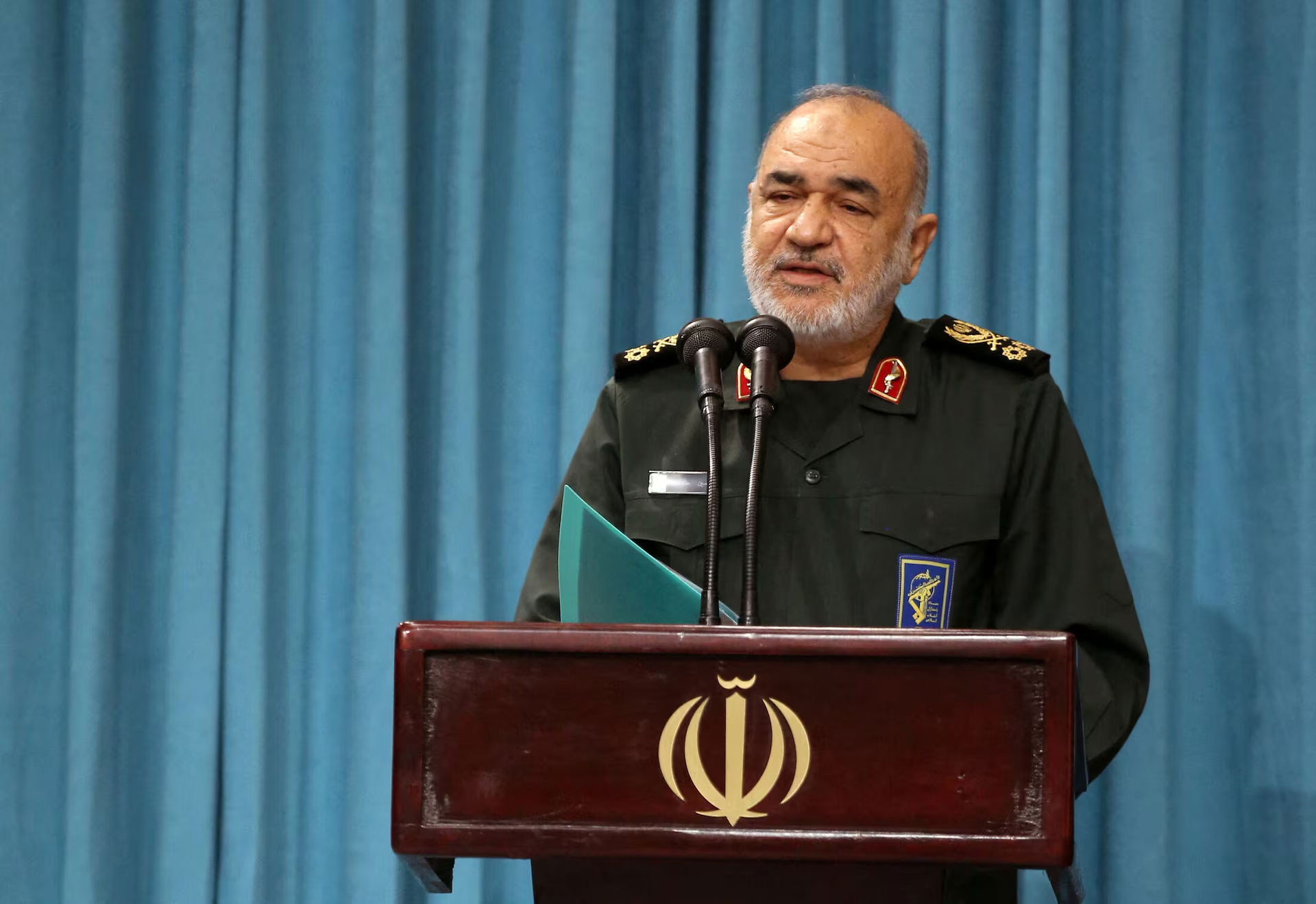
Even earlier losses like Hossein Salami highlight a pattern—targeted removals of key figures over time. Experts say this slow erosion strategy weakens institutions without triggering full-scale war.