
Made in India, sold in Europe: Products that will get cheaper
Indian textiles, medicines, auto parts and jewellery could soon get cheaper in Europe as the India–EU trade deal cuts tariffs and reshapes global supply chains.
- Jan 27, 2026,
- Updated Jan 27, 2026 5:15 PM IST
- 1/10
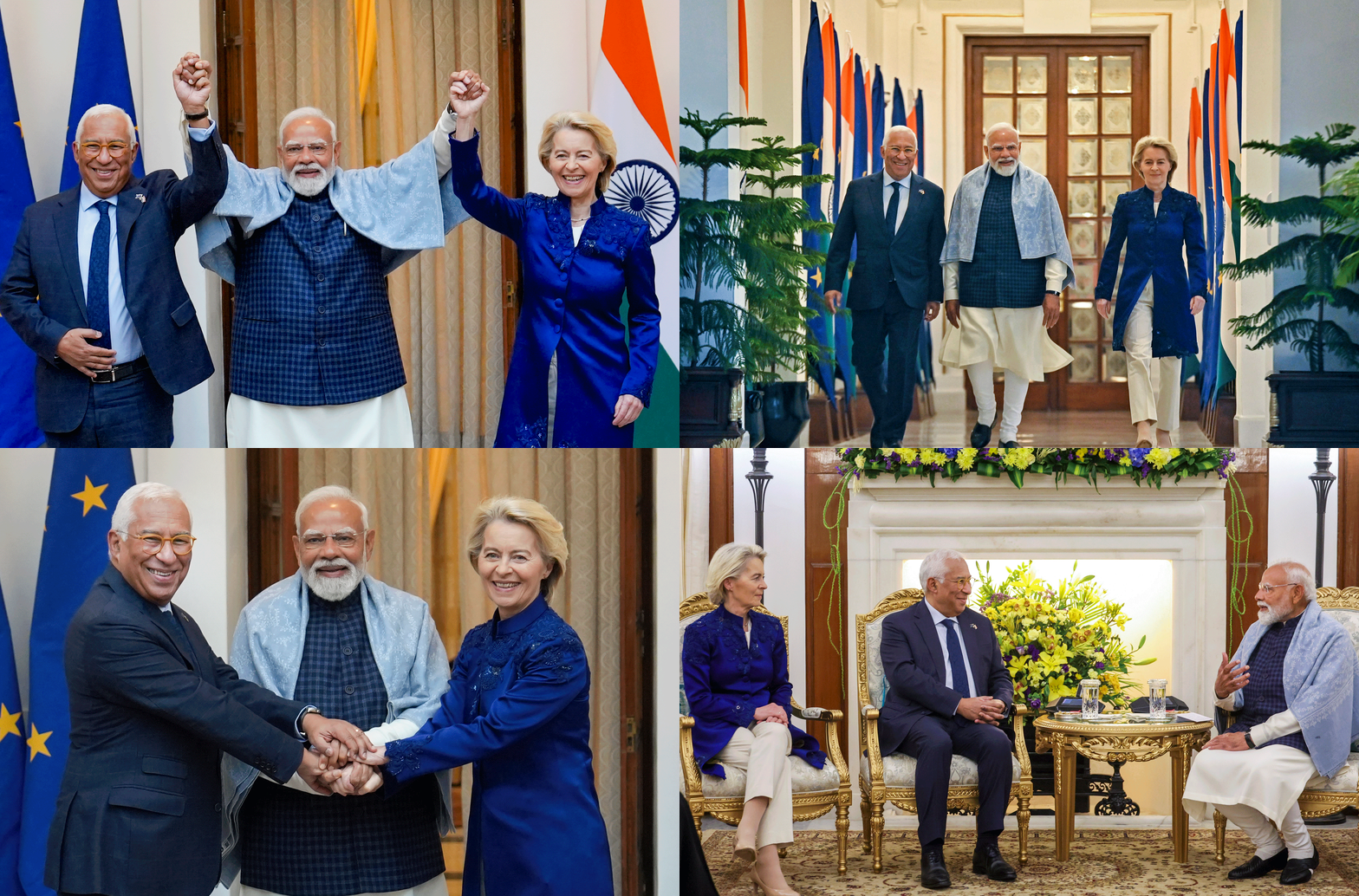
For years, Indian goods entering Europe faced steep duties that quietly inflated prices. The India–EU Free Trade Agreement promises phased tariff reductions across thousands of product lines, potentially making Indian exports far more competitive on European shelves.
- 2/10
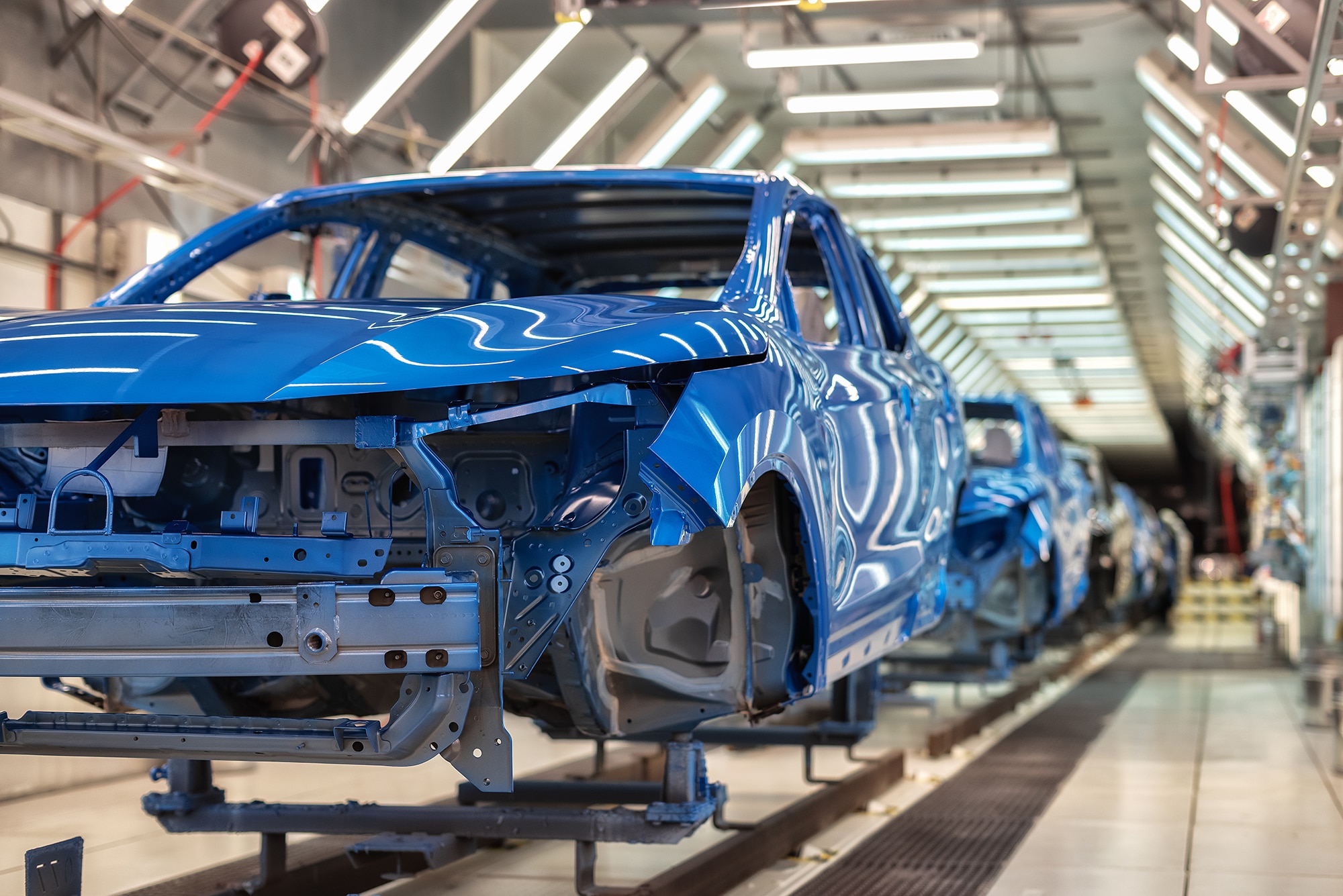
Auto components—not finished cars—are the quiet winners. Indian-made engine parts, EV components and precision tools could become cheaper inputs for European manufacturers racing to cut costs.
- 3/10
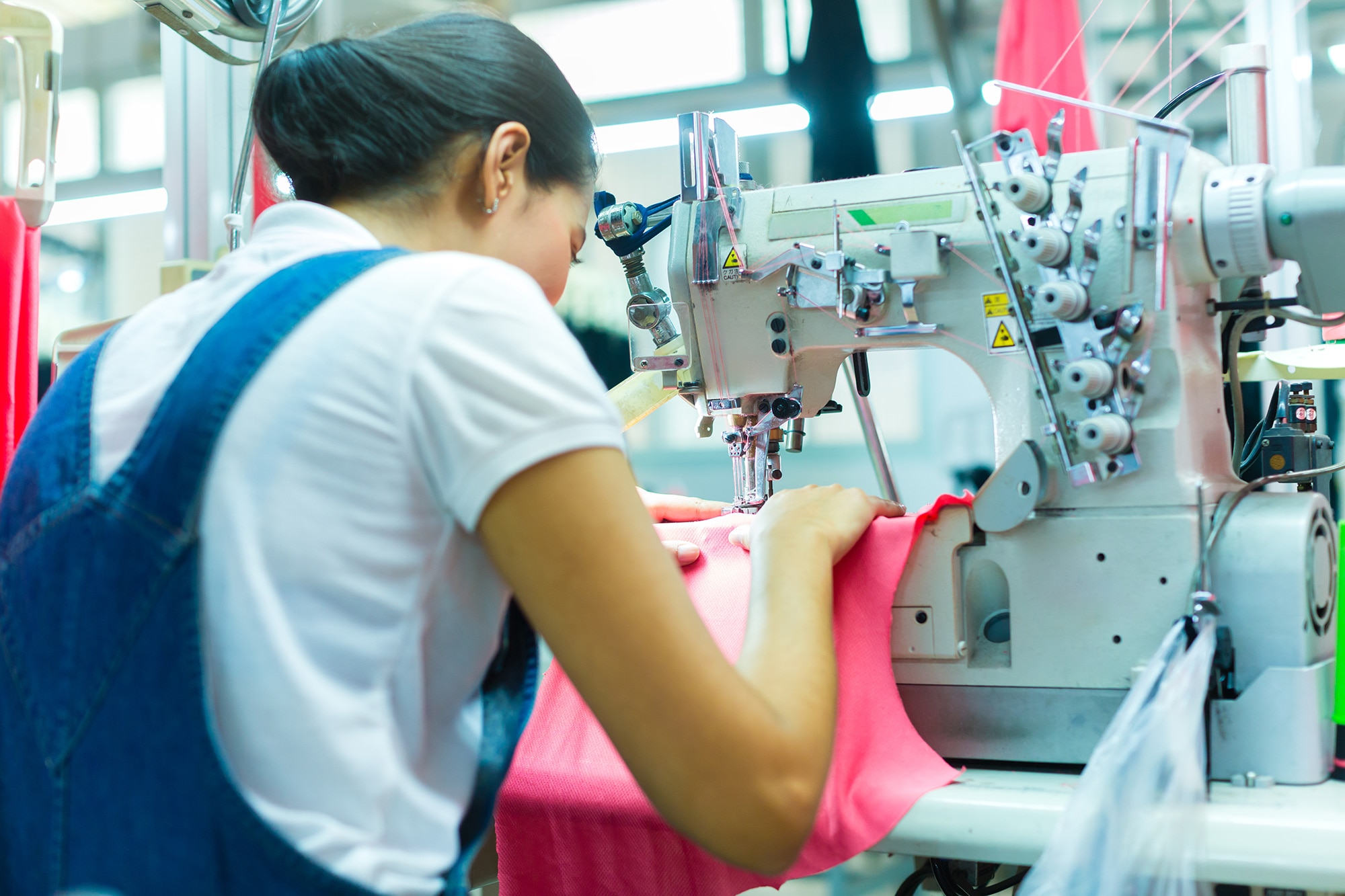
Indian garments, home textiles and fabrics stand to gain early. Europe is one of India’s largest textile markets, and tariff cuts could lower retail prices while boosting orders from brands seeking alternatives to China.
- 4/10
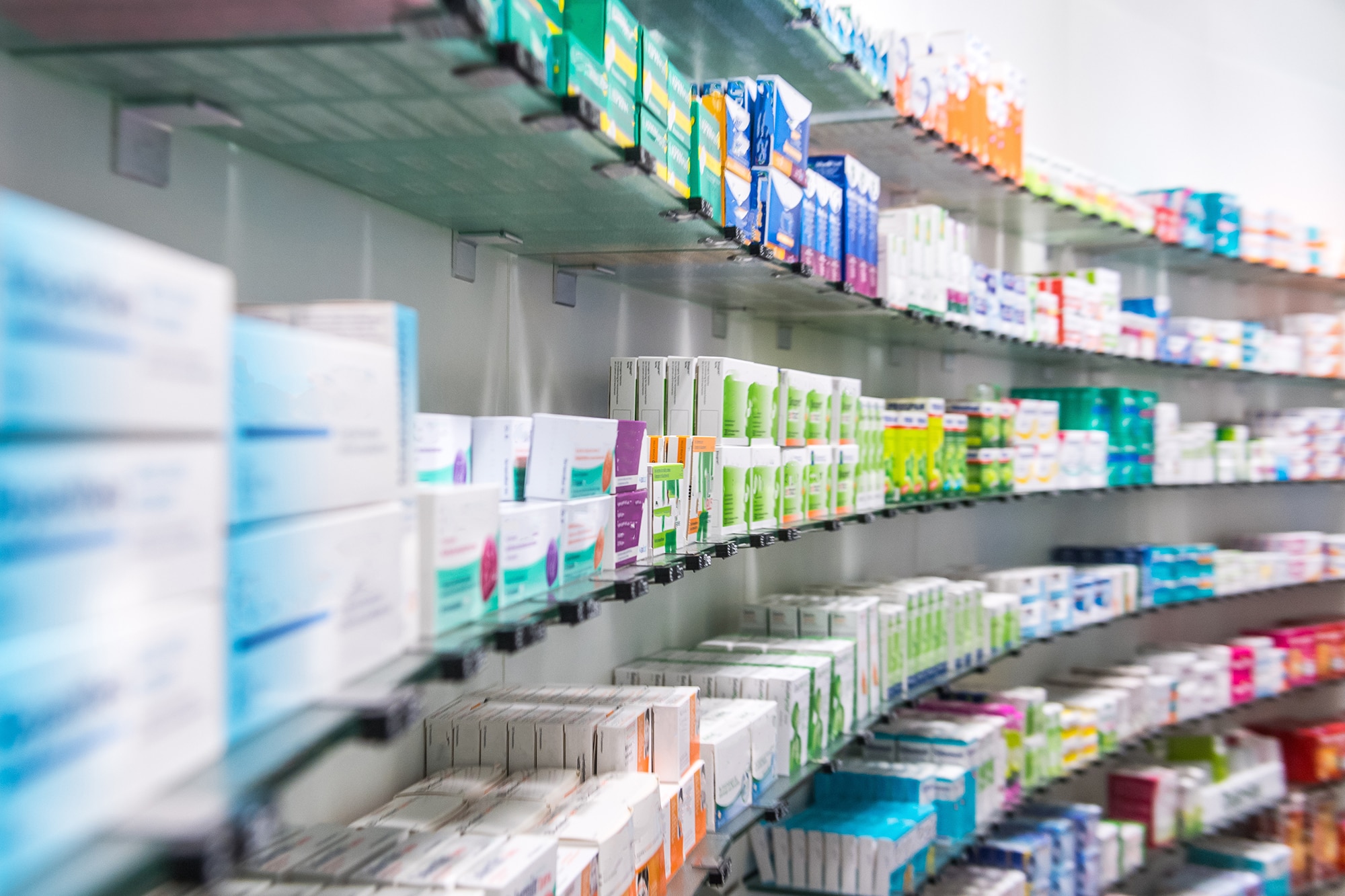
Indian generic medicines already dominate European hospitals. With reduced regulatory friction and tariff relief, costs for essential drugs could fall further, strengthening India’s role as Europe’s low-cost pharma backbone.
- 5/10
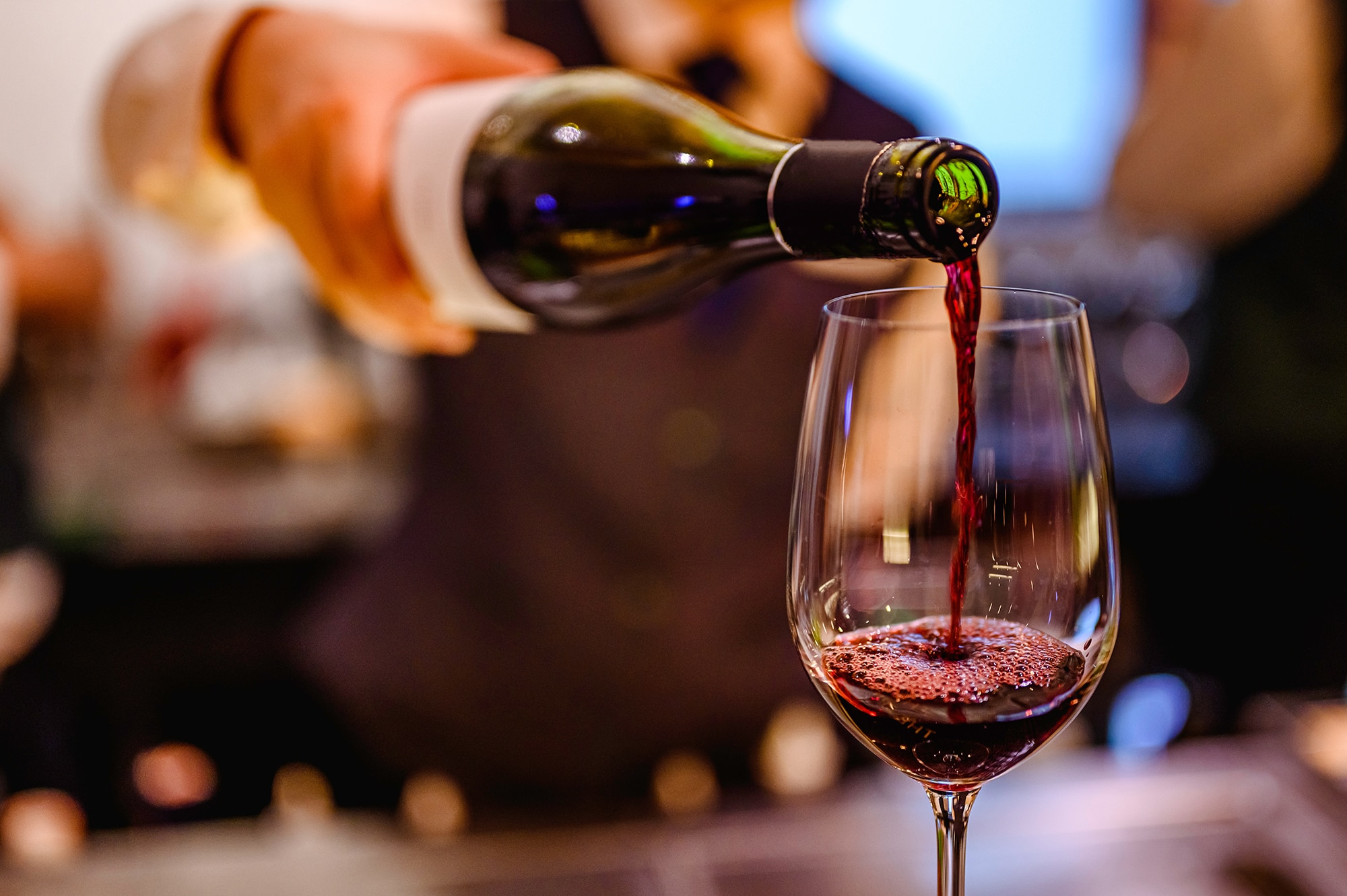
For the first time, Indian wines may find a smoother entry into Europe. The India–EU FTA includes phased tariff reductions on select alcoholic beverages, potentially lowering duties on Indian-made wines. While volumes will remain niche, reduced tariffs could help Indian vineyards test European shelves beyond diaspora markets.

- 6/10
From Surat-cut diamonds to handcrafted gold jewellery, Indian gems could shine brighter in Europe. Lower import duties may narrow price gaps between Indian and European luxury markets.
- 7/10
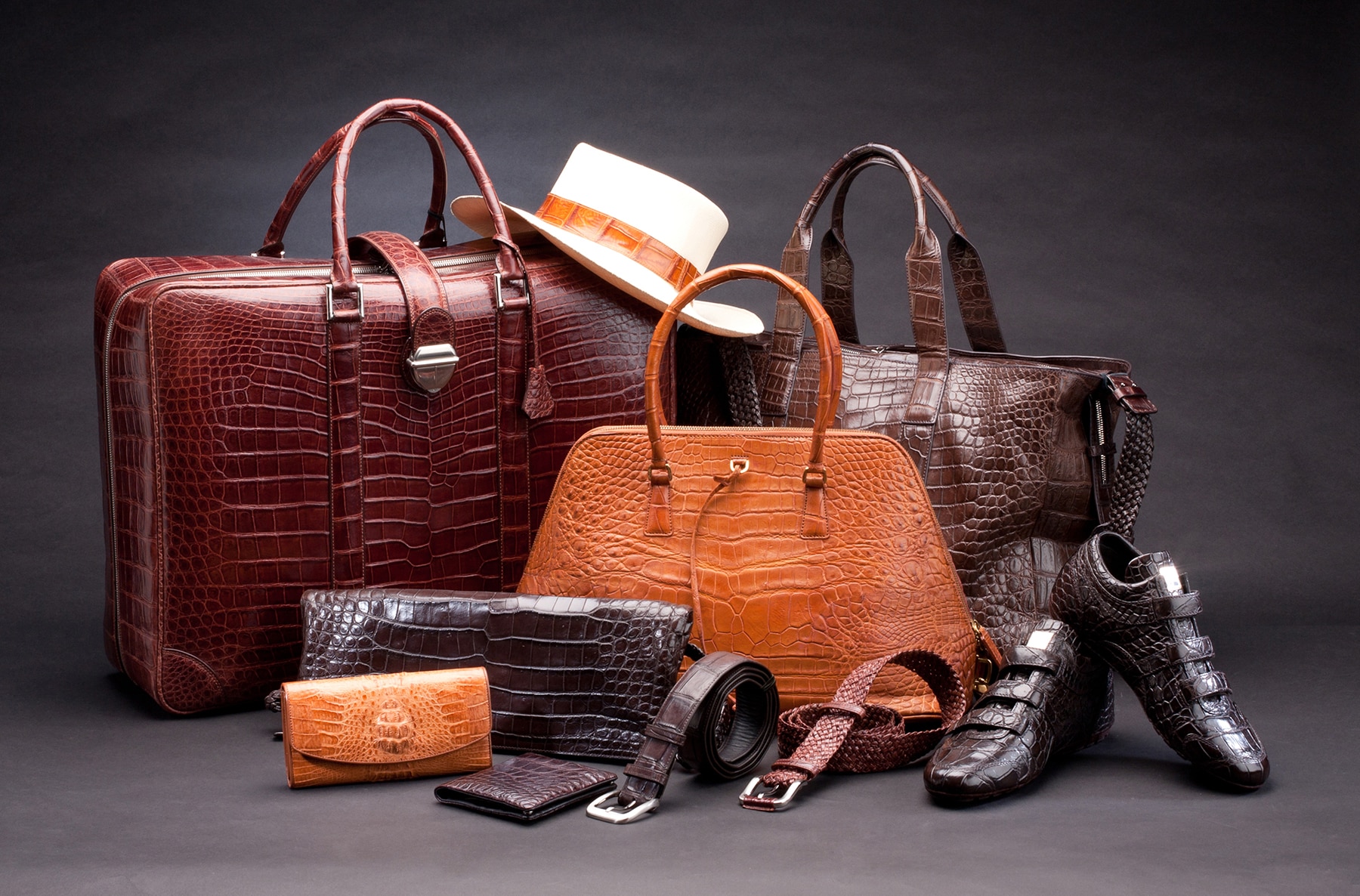
Indian leather goods—footwear, bags and accessories—could stage a comeback in Europe. With tariffs easing, exporters may regain ground lost to Vietnam and Bangladesh.
- 8/10
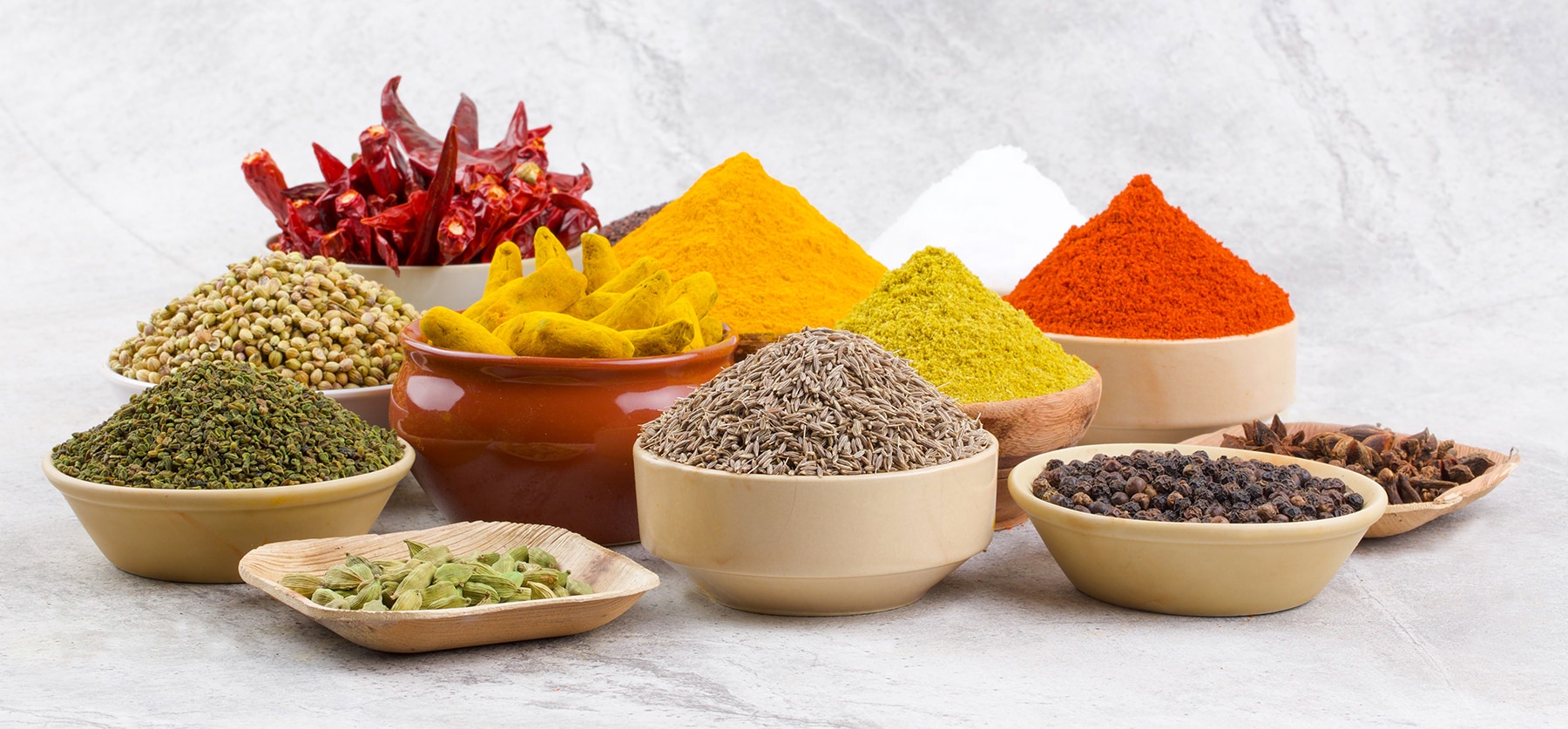
Spices, processed foods, rice products and ready-to-eat meals may finally scale in Europe. Reduced duties could make Indian flavours more affordable beyond diaspora stores.
- 9/10
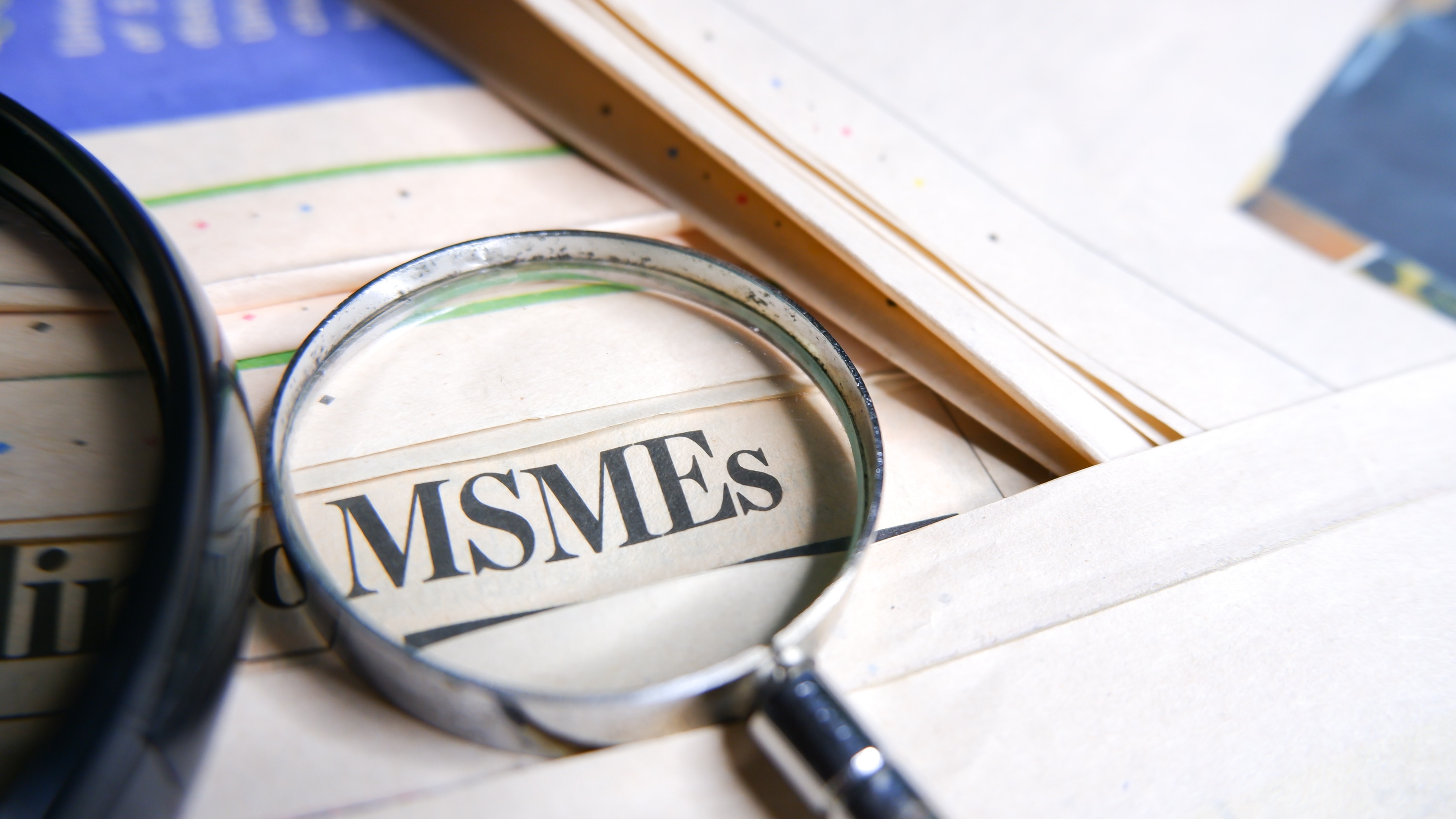
The biggest shift may be invisible: small Indian exporters gaining direct access to Europe. Lower costs and clearer rules could draw MSMEs into global supply chains for the first time.

- 10/10
Cheaper Indian imports won’t just help exporters; they could also soften inflation for European consumers, especially in clothing, medicines and household products.