
Navratri staple or hidden superfood? The truth about kuttu ka atta
Kuttu ka atta, or buckwheat flour, is a Navratri staple packed with heart, sugar, and weight benefits. But experts warn of hidden risks, allergies, and fried calorie traps.
- Sep 25, 2025,
- Updated Sep 25, 2025 3:14 PM IST
- 1/9
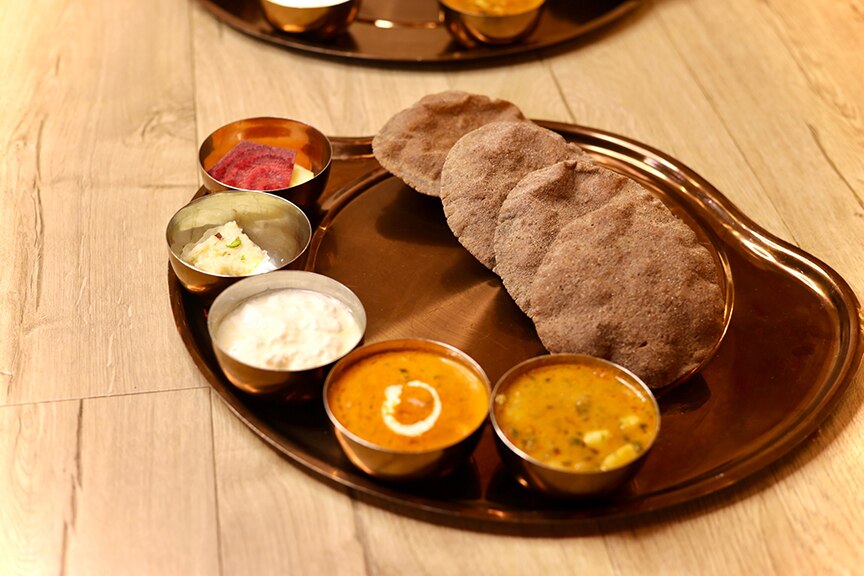
In India, kuttu ka atta becomes a holy staple during Navratri, but nutritionists argue its benefits go far beyond tradition—this gluten-free flour may rival quinoa as a modern superfood.
- 2/9
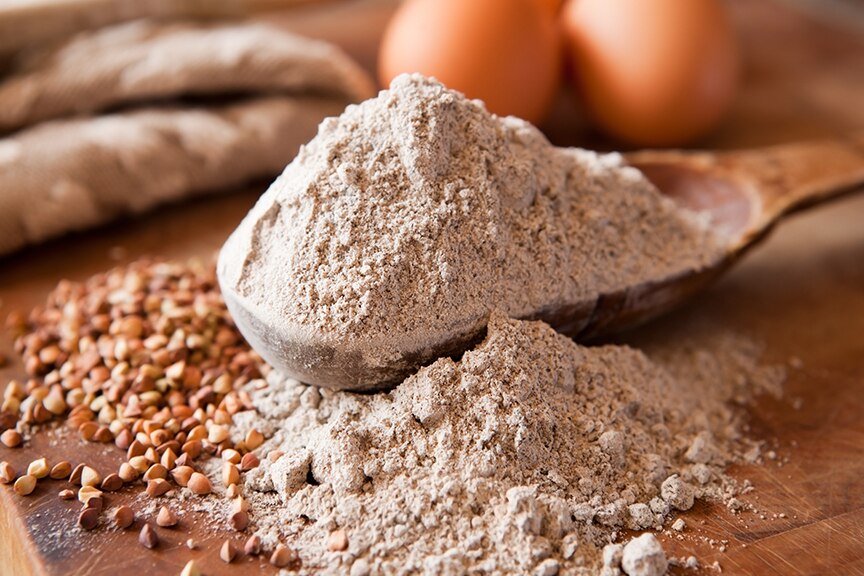
Doctors highlight rutin, a compound in buckwheat flour, as a silent protector of arteries—lowering cholesterol and improving circulation in ways that wheat simply can’t match.

- 3/9
Researchers report modest blood pressure drops in people who regularly consume buckwheat, hinting that this humble flour could be a natural ally for hypertension patients.
- 4/9
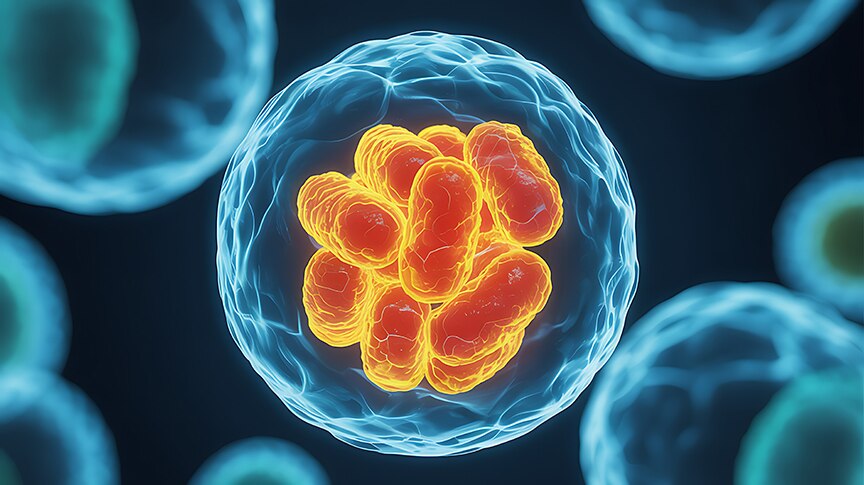
With quercetin and rutin working in tandem, buckwheat flour isn’t just food—it’s cellular armor against oxidative stress, inflammation, and long-term chronic disease risks.

- 5/9
Unlike refined flours that cause spikes and crashes, buckwheat’s low glycaemic index keeps blood sugar levels stable—making it a smart swap for diabetics and pre-diabetics.

- 6/9
High in fibre and protein, buckwheat flour keeps hunger at bay—dieticians say it helps cut cravings, reduce overeating, and quietly supports long-term weight management.

- 7/9
Magnesium, manganese, and B vitamins pack into every spoonful of kuttu ka atta, fueling metabolism, strengthening bones, and powering energy levels like a natural supplement.

- 8/9
For some, buckwheat triggers itchy skin, stomach discomfort, or even severe reactions—an underreported risk that makes allergy testing crucial before daily use.
- 9/9
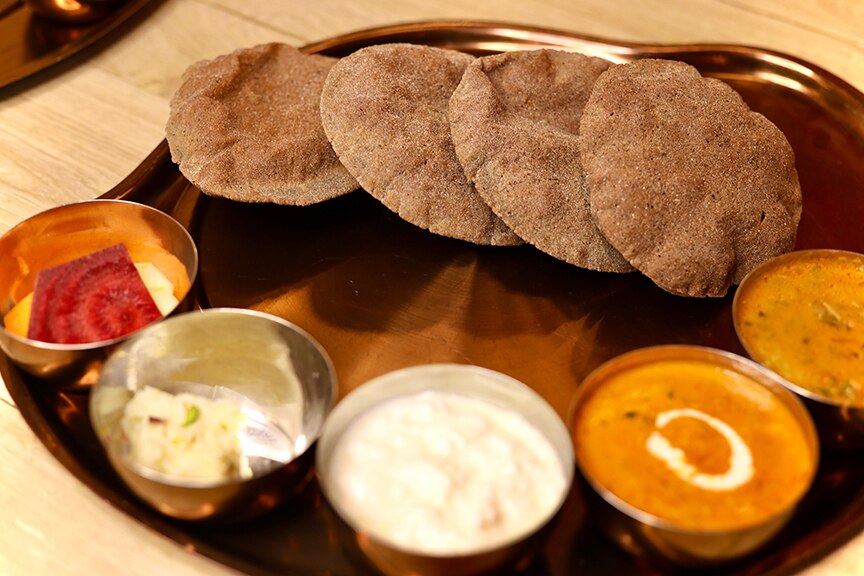
During fasting, many turn buckwheat into deep-fried pakoras and pooris—but experts warn that this cancels out its heart benefits and adds sneaky calories to the plate.