
New labour law twist: Can you get gratuity in just 1 year?
India’s new gratuity rule allows some employees to receive benefits after just 1 year instead of 5. But not everyone qualifies—here’s what the change really means for workers.
- Apr 8, 2026,
- Updated Apr 8, 2026 3:31 PM IST
- 1/9
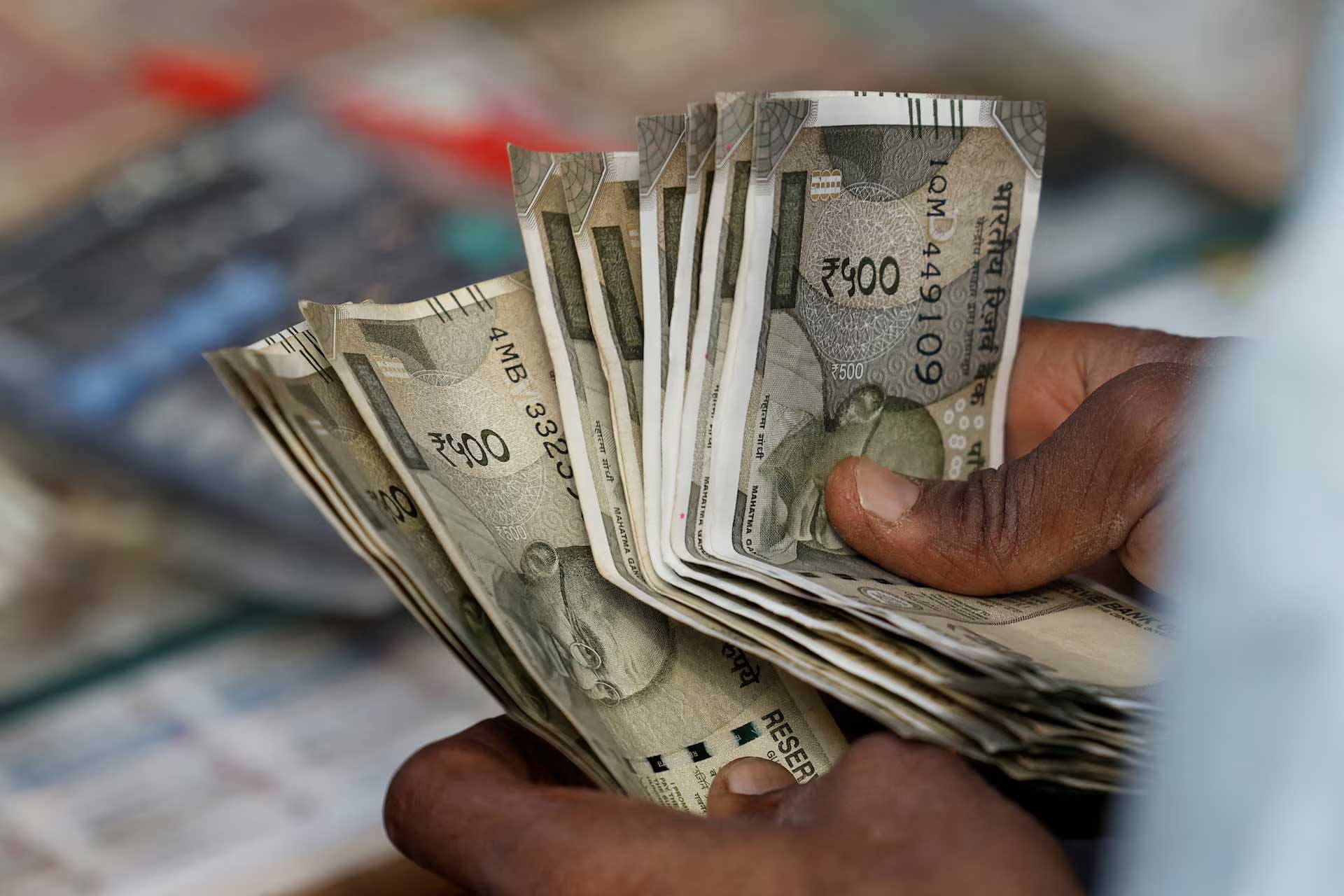
Gratuity is a key employee benefit in India, traditionally paid after five years of continuous service, but recent labour law changes now allow fixed-term employees to qualify after just one year. It acts as a financial cushion paid by employers on exit, though many workers earlier missed out due to strict eligibility rules.

- 2/9
For decades, one rule blocked millions: employees had to complete at least five continuous years at a company to qualify for gratuity. Leaving earlier—even at 4 years and 11 months—meant getting nothing. Labour experts have long argued that this requirement effectively excluded contract and short-term workers altogether.

- 3/9
That changes under the new labour code. Now, certain employees can receive gratuity after just 1 year of service. This shift, introduced under the Code on Social Security, aims to reflect how modern jobs work—shorter contracts, gig roles, and flexible employment.

- 4/9
Fixed-term and contract employees. If you are hired for a specific period—say 1 or 2 years—you no longer lose out. Even if your job ends after a year, you become eligible for gratuity, something earlier reserved only for long-term staff.

- 5/9
But here’s the catch: permanent employees are not included in this change. If you are in a regular full-time role, the old 5-year rule still applies. This has sparked debate, with experts questioning why the benefit isn’t universal.

- 6/9
The new rule doesn’t mean a full payout after 1 year. Instead, gratuity will be calculated proportionally — based on how long you worked. So a 1-year employee gets less than a 5-year employee, but importantly, they no longer walk away empty-handed.

- 7/9
Another quiet but powerful change: at least 50% of your total salary must now be “wages” (basic pay + DA). Since gratuity is calculated on this component, higher base wages mean higher gratuity payouts, even if your total CTC stays the same.

- 8/9
Gratuity is calculated on a fixed formula:
(15/26 × last drawn salary × years of service)
This means the longer you stay and the higher your salary, the bigger your payout. Financial planners often call it one of the most overlooked wealth-building tools in salaried jobs.

- 9/9
Perhaps the most important point: gratuity is not a bonus — it’s employee's legal right. If an employer refuses to pay, employees can approach labour authorities. Government guidelines make it clear: once eligible, companies are legally bound to pay.