
Rethinking Fitness: The surprising link between sleep and exercise
A new study suggests quality sleep may influence daily activity more than exercise affects rest, challenging hustle culture and reshaping how we prioritise fitness and recovery.
- Dec 23, 2025,
- Updated Dec 23, 2025 3:35 PM IST

- 1/10
A large-scale study suggests the body votes for sleep before sweat. Researchers found that how well you sleep at night predicts how much you move the next day—more strongly than exercise predicts sleep, flipping hustle culture logic on its head.

- 2/10
People who slept better didn’t need motivation hacks to move more—they naturally walked more the next day. Scientists say this points to sleep quality as a biological driver of energy, not willpower or discipline.

- 3/10
Fewer than 13% of adults managed both 7–9 hours of sleep and 8,000 daily steps. Public health experts warn this gap explains why lifestyle diseases keep rising despite widespread fitness awareness.

- 4/10
It wasn’t long sleep alone that mattered. The data showed six to seven hours of high-quality sleep produced the most physical activity the following day, challenging the belief that “more sleep is always better.”

- 5/10
More steps didn’t guarantee better sleep the same night. Sleep scientists say this breaks the popular assumption that tiring the body automatically improves rest, especially in stressed or overstimulated adults.

- 6/10
Quality sleep regulates hunger, stress, and recovery hormones. Medical researchers link poor sleep to obesity, heart disease, and metabolic disorders—conditions exercise alone struggles to offset.

- 7/10
Sleep doesn’t just restore muscles—it sharpens focus, mood, and decision-making. Psychologists note that well-rested individuals are more likely to choose movement, reinforcing a virtuous health loop.
- 8/10
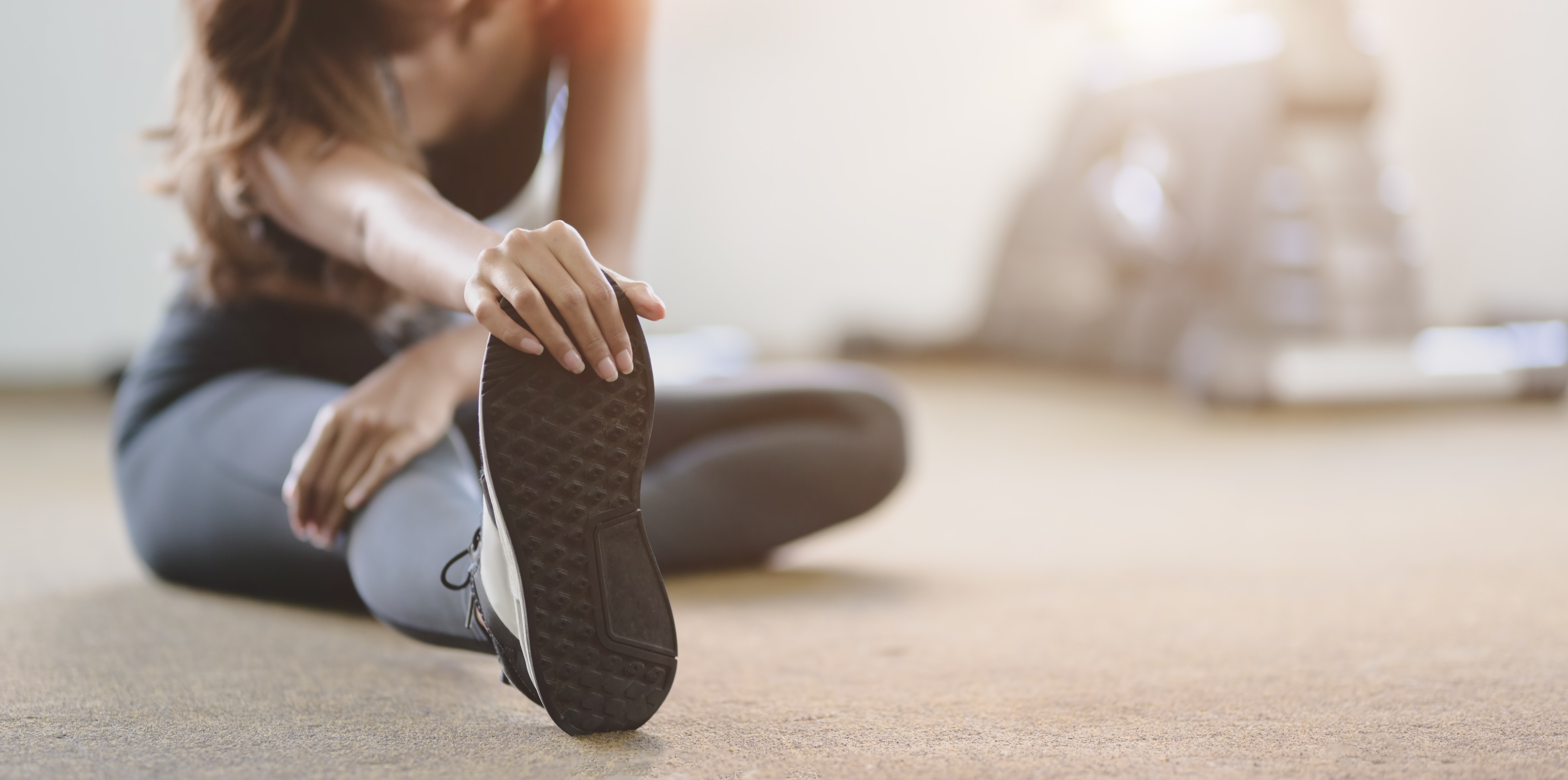
The findings don’t sideline exercise. Fitness experts stress that movement remains essential for cardiovascular health, muscle strength, and longevity—but works best when built on a foundation of proper rest.

- 9/10
Researchers argue that prioritising workouts over sleep may backfire in high-pressure lifestyles. Chronic sleep debt, they say, quietly erodes motivation, consistency, and long-term fitness gains.

- 10/10
The takeaway isn’t sleep or exercise—it’s sequencing. Health scientists recommend protecting sleep first, then layering in activity, rather than sacrificing rest in the name of productivity.