
Snow in the Desert: Why Saudi Arabia’s sudden winter is raising climate questions
Snowfall and sub-zero temperatures surprised Saudi Arabia as a rare cold wave swept northern regions, triggering rain, safety advisories and fresh climate concerns.
- Dec 23, 2025,
- Updated Dec 23, 2025 12:54 PM IST
- 1/9
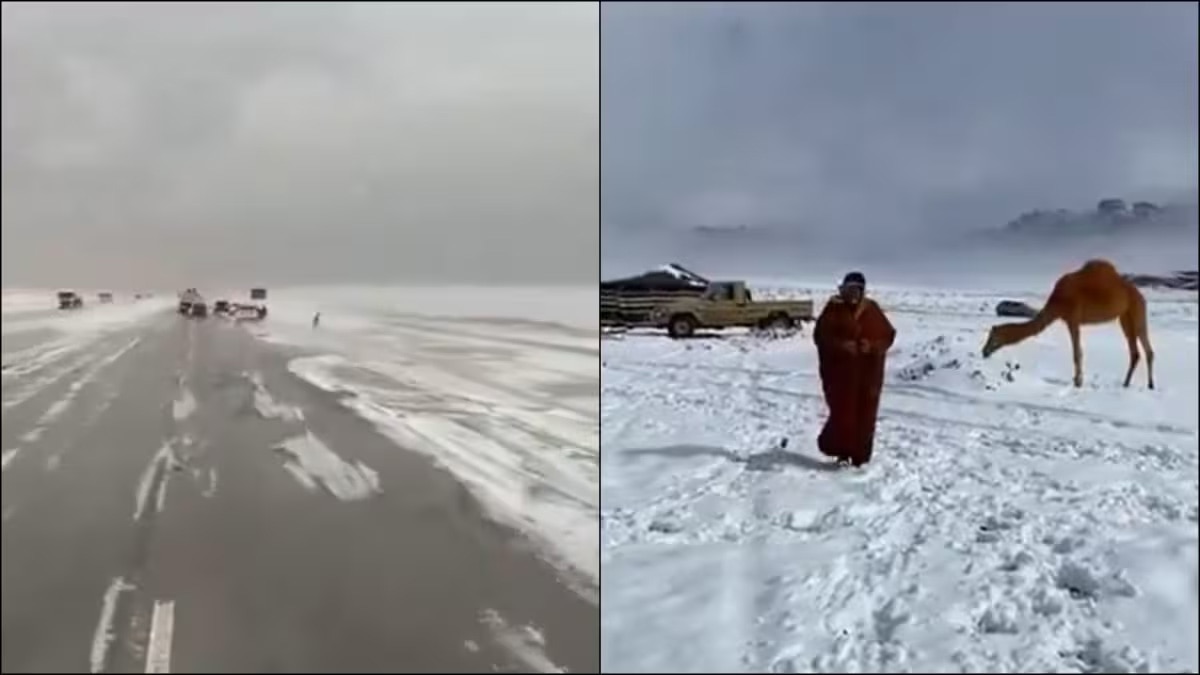
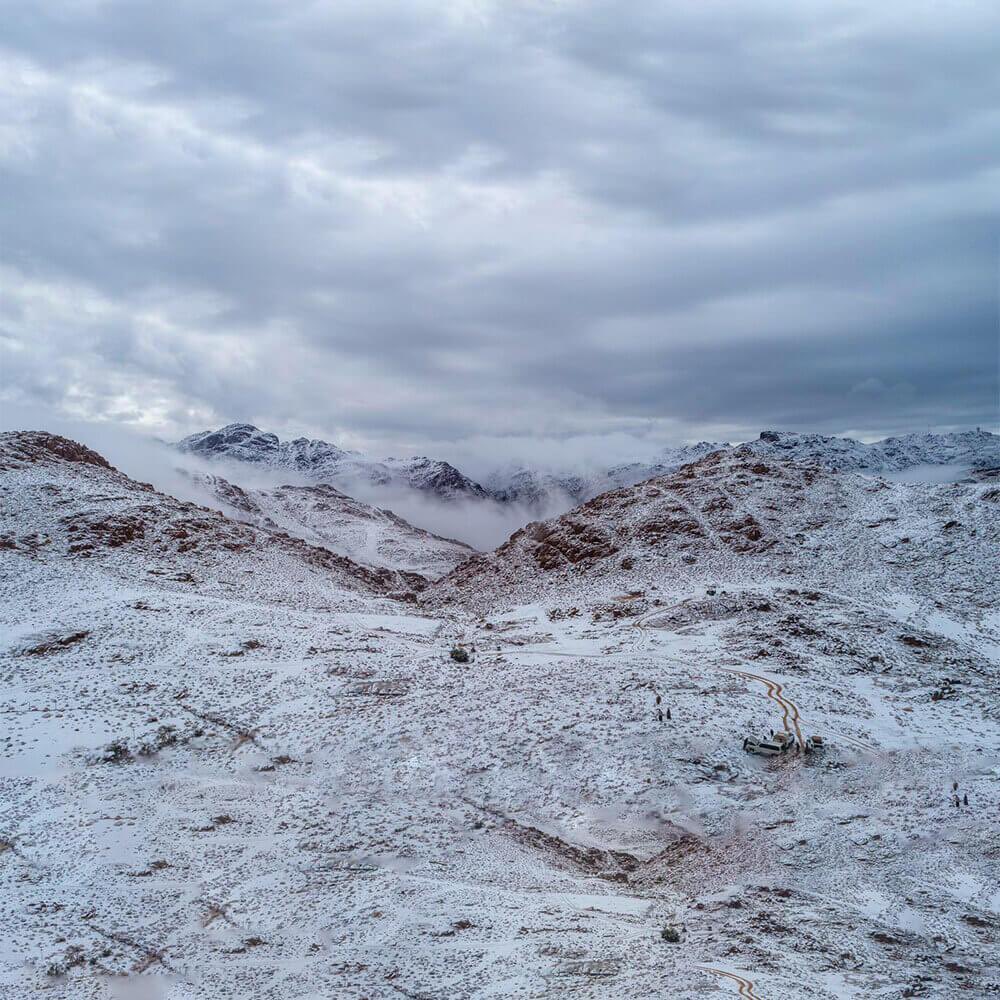
A nation synonymous with heat woke up to snow. In northern Saudi Arabia, white sheets covered jagged mountains, turning familiar desert backdrops into alien winter scenes—an image that stunned residents and challenged long-held assumptions about the region’s climate limits.
- 2/9
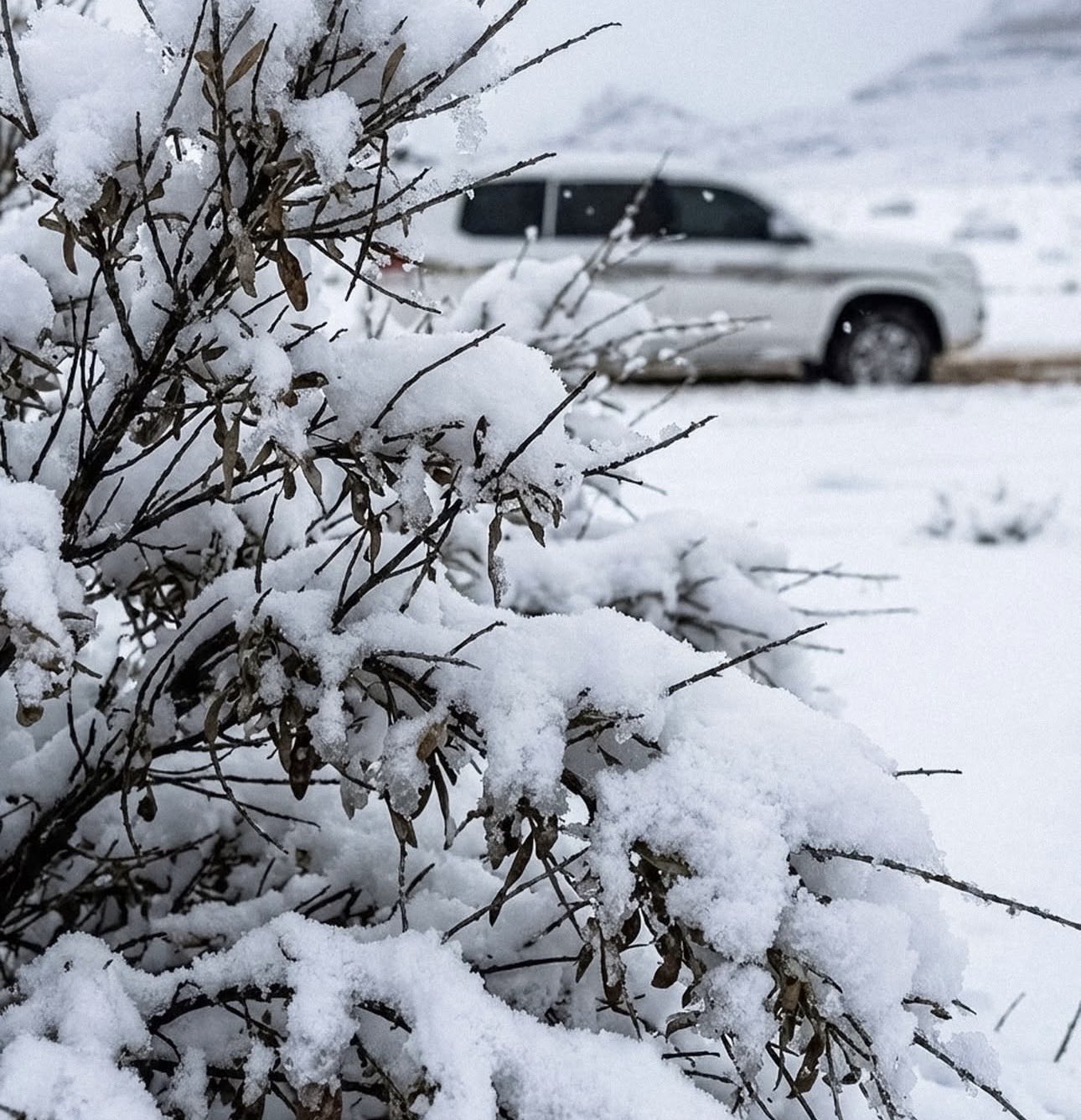
At nearly 2,600 metres, Jebel Al-Lawz in Tabuk province saw snow cling to its ridges as temperatures slipped below zero. Meteorologists say altitude amplified the cold surge, creating conditions more typical of alpine zones than Arabian deserts.
- 3/9
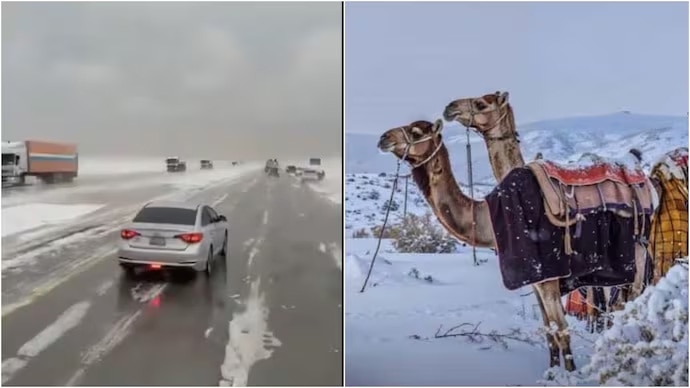
Early morning readings dipped below 0°C in several northern pockets, allowing snow to settle instead of melting on contact. Weather experts note such sustained cold is rare in the kingdom and signals an unusually strong cold-air intrusion.
- 4/9
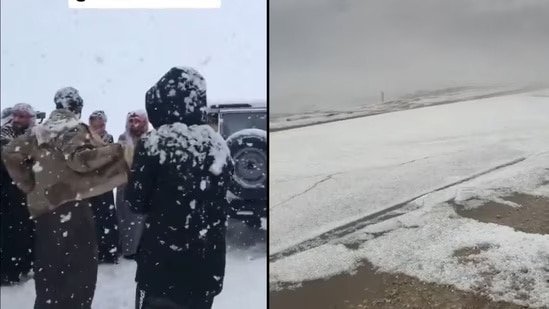
Snow wasn’t acting alone. Rain fell across Riyadh, Qassim, AlUla, and eastern regions simultaneously, a convergence forecasters say occurs when cold air masses collide with moisture-laden cloud systems—raising flood risks even as temperatures plunge.
- 5/9
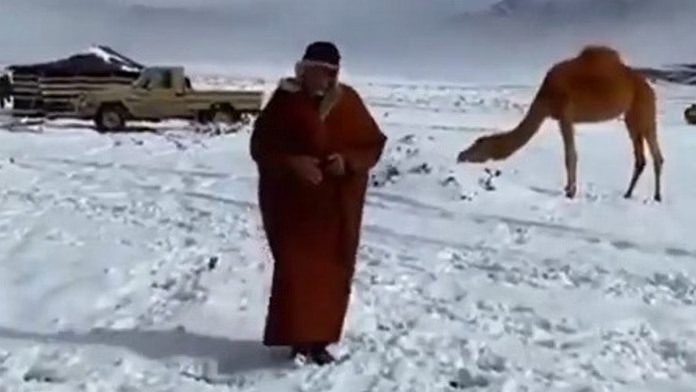
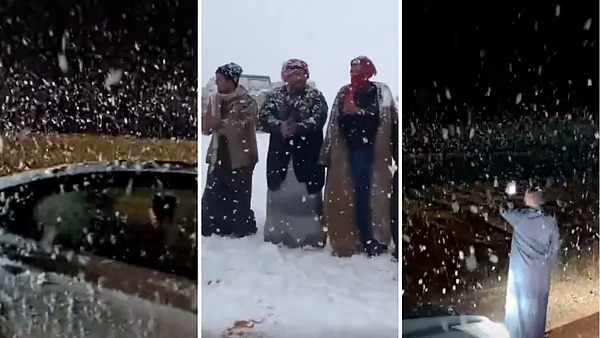
As videos of snow-coated hills spread online, crowds rushed to Al-Majmaah and Al-Ghat to witness the spectacle firsthand. Sociologists say such moments reveal how rare weather events instantly become collective experiences in hyper-connected societies.
- 6/9
Authorities didn’t treat the snowfall as novelty alone. With slippery roads and pooling water, officials issued travel warnings, while schools in Riyadh temporarily moved classes online—a reminder that extreme weather now disrupts routine even in unexpected places.
- 7/9
The National Centre for Meteorology attributed the event to a cold air mass sweeping into central and northern regions. Spokesperson Hussein Al-Qahtani urged caution, especially near valleys prone to sudden runoff.
- 8/9
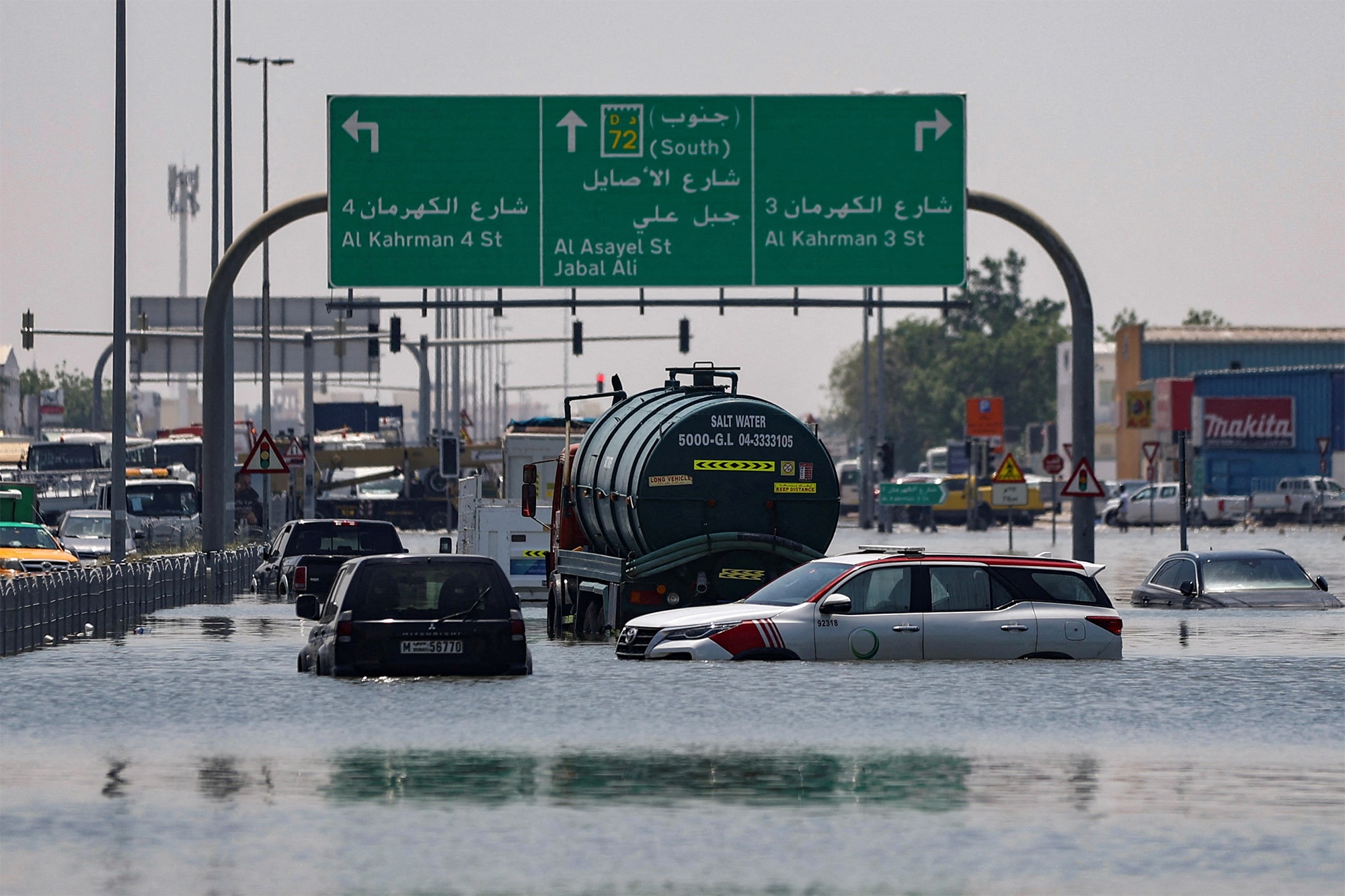
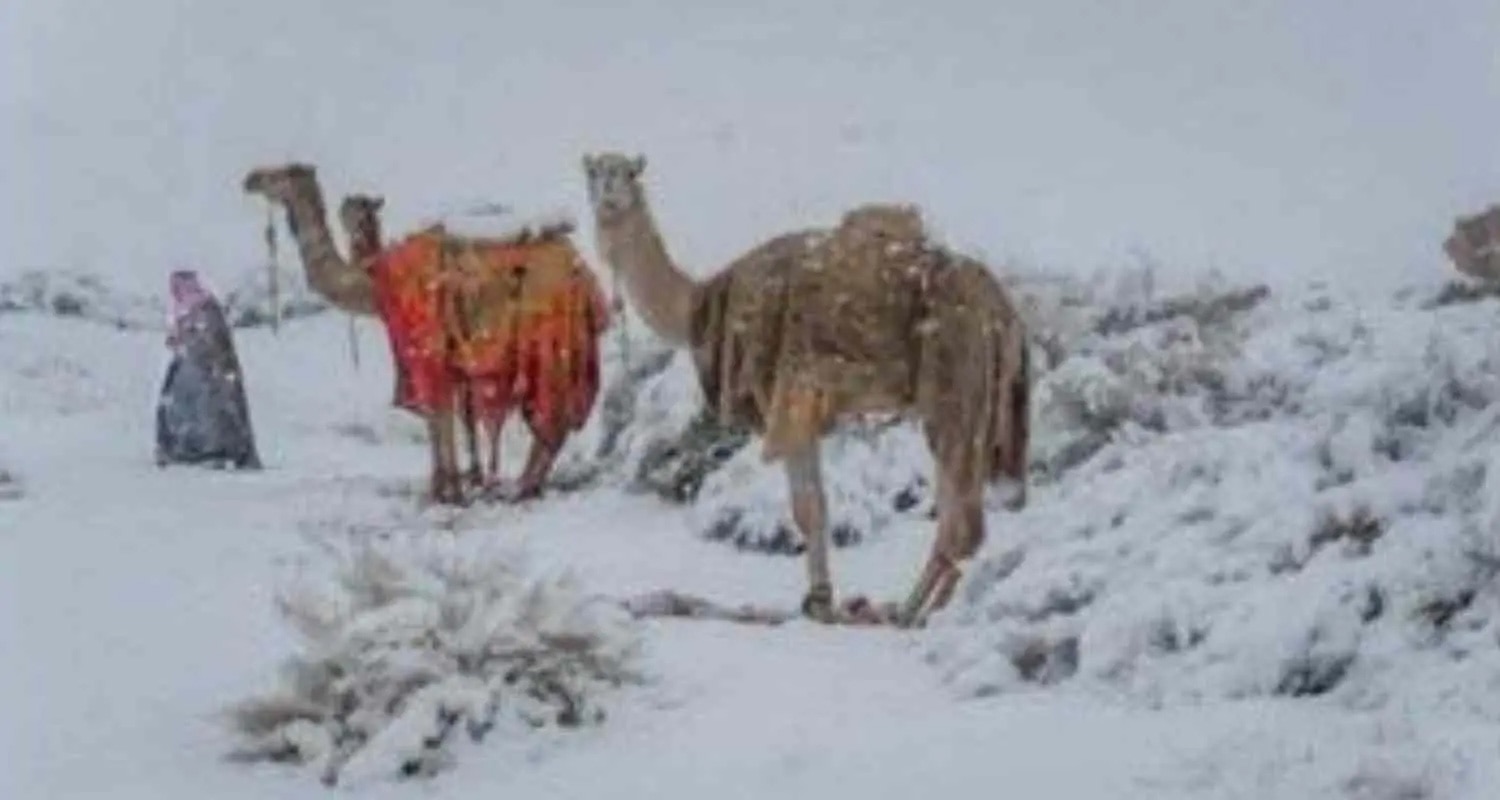
Climatologists caution against isolating the event. From snow in Saudi Arabia to flash floods in the UAE and record heatwaves in South Asia, researchers say such anomalies align with broader patterns of increasing climate volatility. (Representative pic)
- 9/9
What once seemed impossible is becoming less shocking. Scientists warn that as global weather systems destabilize, regions historically defined by one extreme—heat or cold—may increasingly experience the other, rewriting climate expectations worldwide.