
Soap, salt, or vinegar? The real truth about washing veggies before storage
Discover the science behind washing vegetables before refrigeration. From vinegar soaks to fridge mistakes, learn what really keeps produce safe, fresh, and crisp.
- Sep 24, 2025,
- Updated Sep 24, 2025 11:30 AM IST
- 1/9
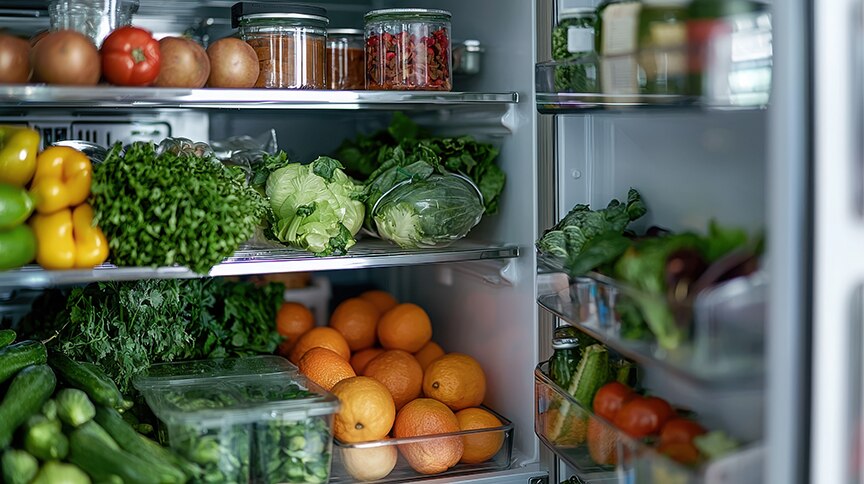
Most people toss vegetables into the fridge unwashed, but cold storage alone won’t kill lurking microbes—research shows pathogens can survive for days even at 4 °C.
- 2/9
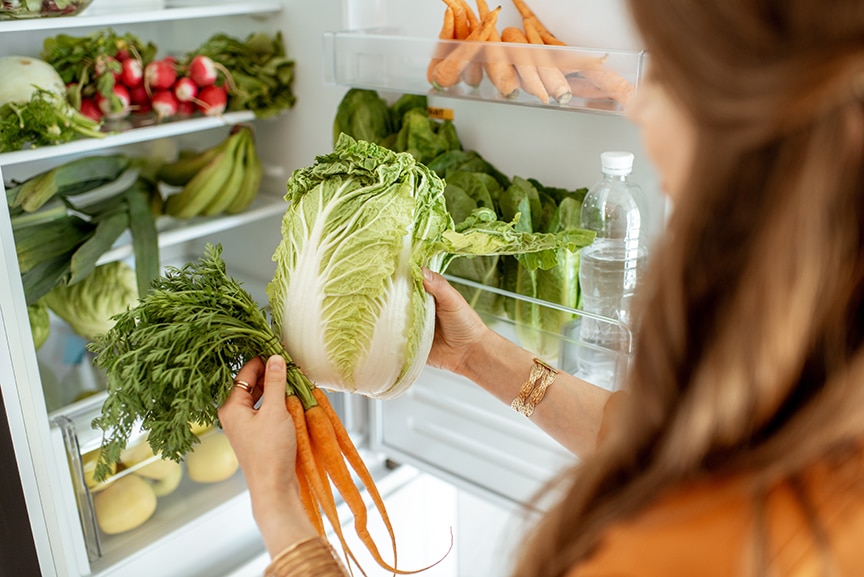
Salmonella and Yersinia aren’t just names in textbooks—they cling to lettuce leaves and ride straight into your salad bowl unless rinsed off first.
- 3/9
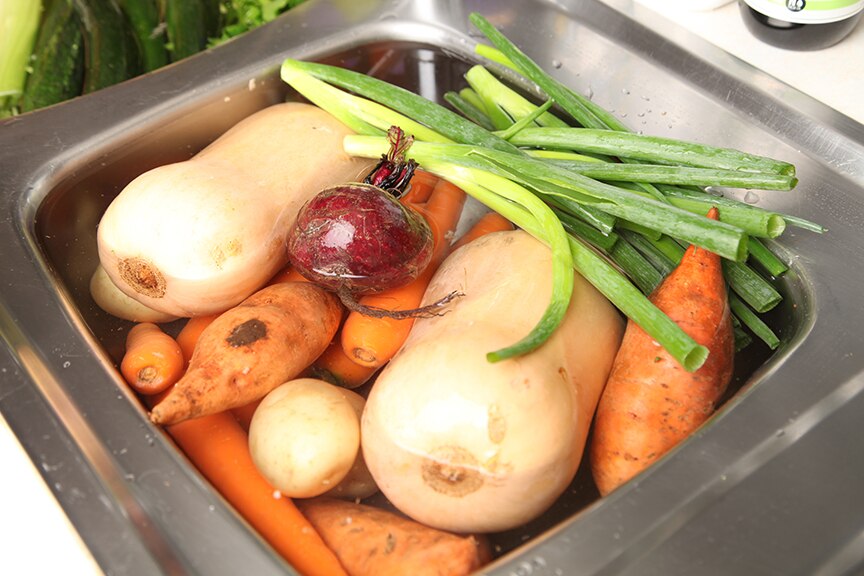
A simple soak in vinegar water has been proven to slash harmful bacteria by nearly 90%, making it one of the cheapest antimicrobial hacks hiding in your pantry.
- 4/9
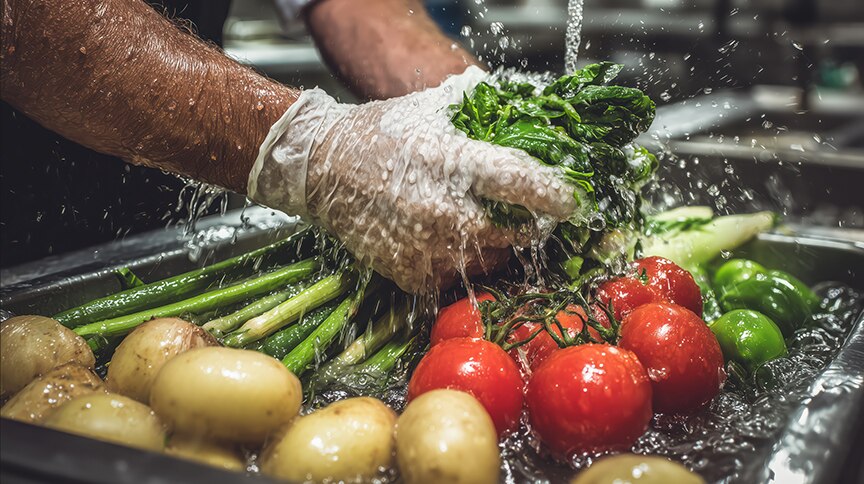
Here’s the mistake too many households make: scrubbing vegetables with dish soap. Experts warn it leaves chemical residues more dangerous than the germs you’re trying to wash away.
- 5/9
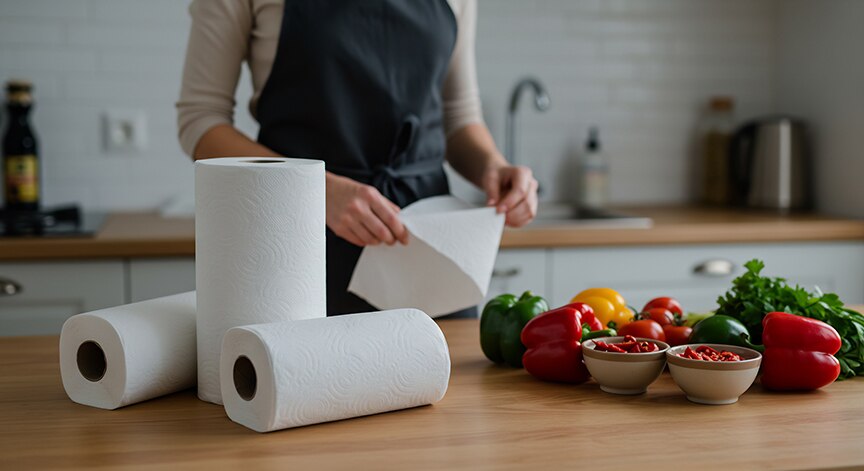
Spin, pat, wrap: drying cleaned veggies with paper towels is the secret weapon against slimy leaves and fridge rot that accelerates in trapped moisture.
- 6/9
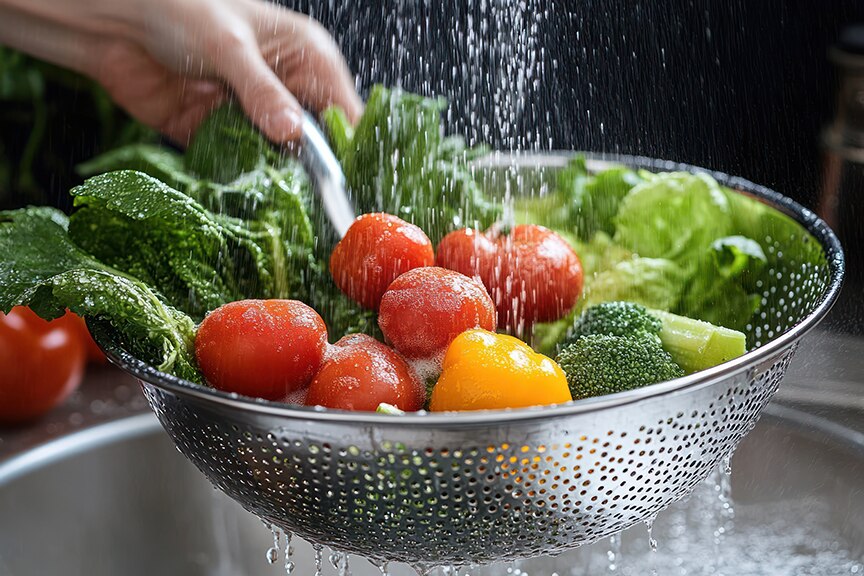
Grandma’s trick was right—saltwater soaks don’t just add crunch, they actually dismantle E. coli cell walls, leaving greens fresher and safer for storage.
- 7/9
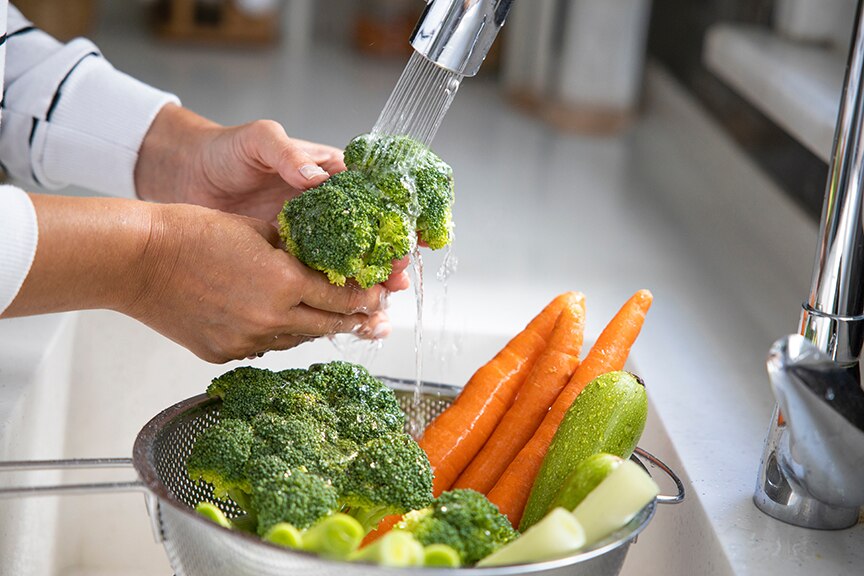
Urban farm studies show washing can strip 50–60% of heavy metals like lead from leafy greens, but only if storage is airtight and contamination-free afterward.
- 8/9
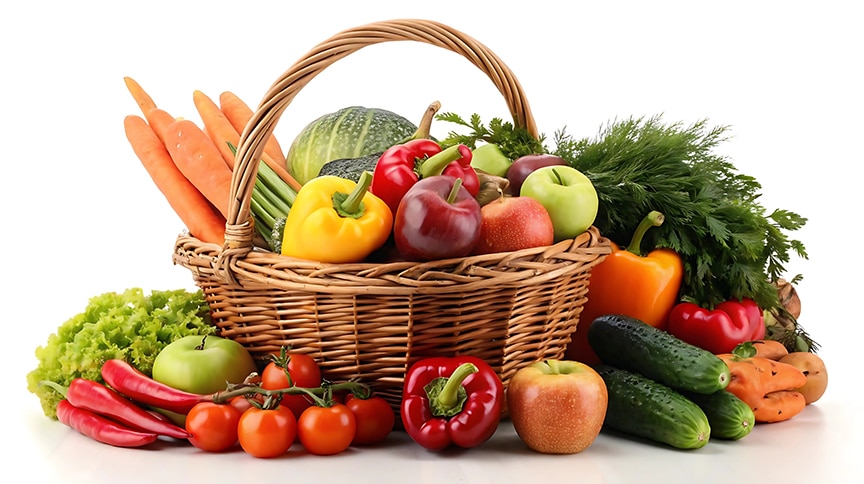
Your apples may be assassins—when stored beside greens, their invisible ethylene gas speeds up wilting, undoing all your careful washing.
- 9/9
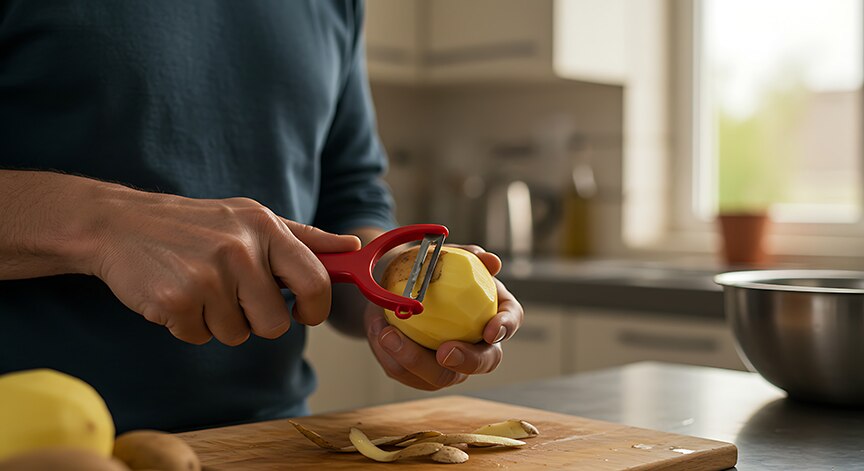
Even the best washing methods can’t reach bacteria hiding inside vegetable tissues. For true safety, peeling or cooking remains the final line of defense.