
The Hormuz scenario: What a closure means for oil and markets
The Strait of Hormuz carries about one-fifth of global oil supply. If the crucial shipping route closes, tanker traffic, energy markets and global economies could face severe disruption.
- Mar 16, 2026,
- Updated Mar 16, 2026 3:39 PM IST
- 1/9
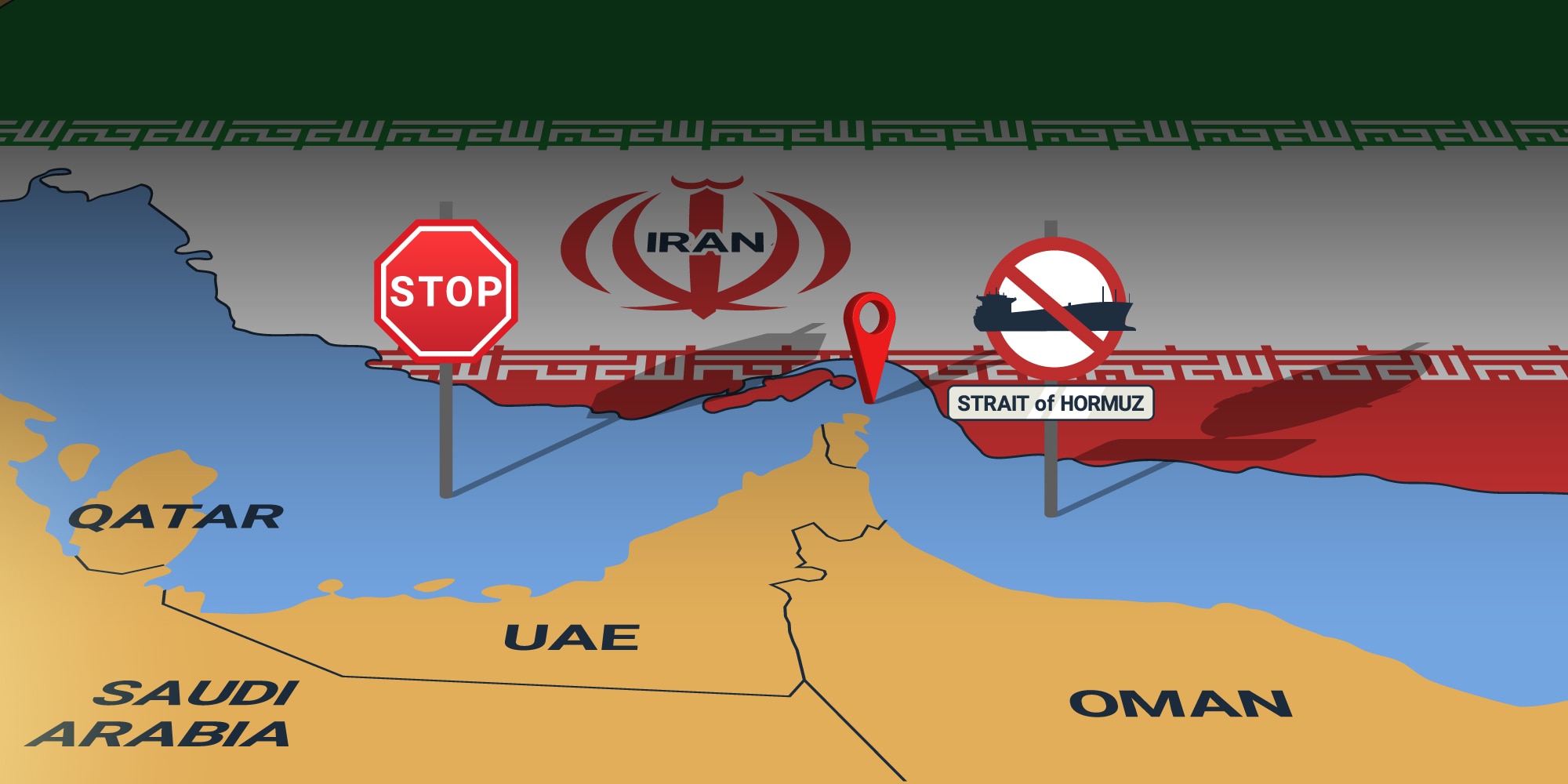
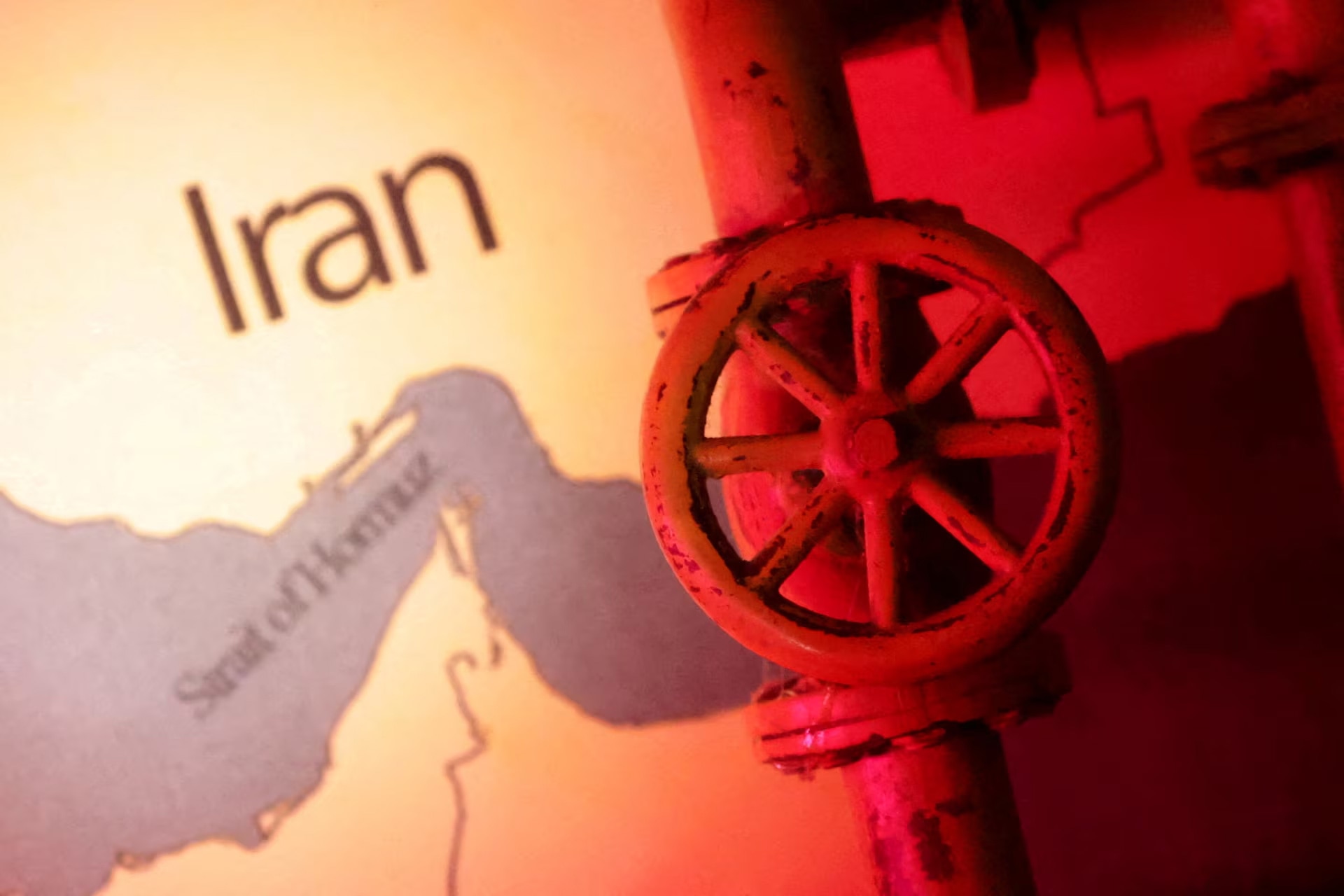
The Strait of Hormuz is widely considered the world’s most critical oil transit route. According to the U.S. Energy Information Administration, roughly 20% of global petroleum liquids pass through this narrow corridor every day. If conflict or military action blocks the strait, the ripple effects could reach fuel pumps, factories and financial markets worldwide within days.
- 2/9
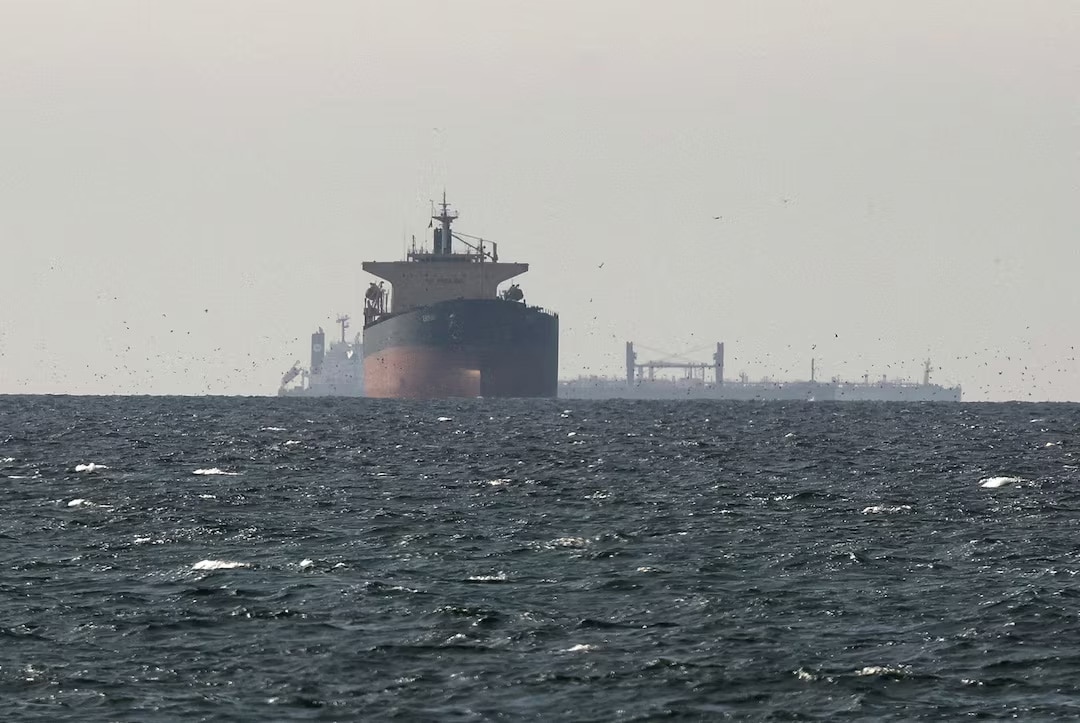
A closure would instantly remove millions of barrels of oil from global supply chains. Analysts at the International Energy Agency warn that even a short disruption could create a sudden supply deficit, forcing countries to tap strategic reserves and triggering intense competition for available crude.
- 3/9
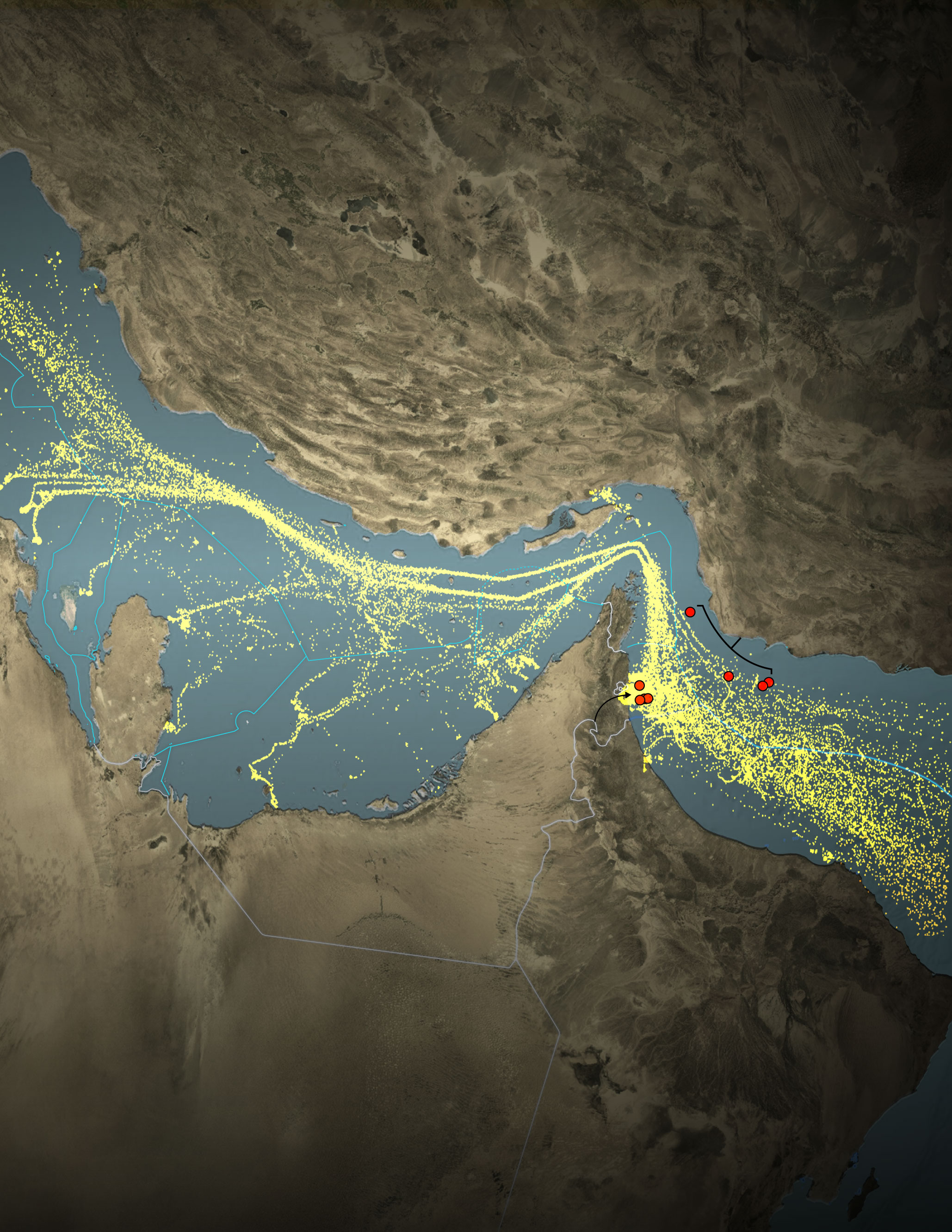
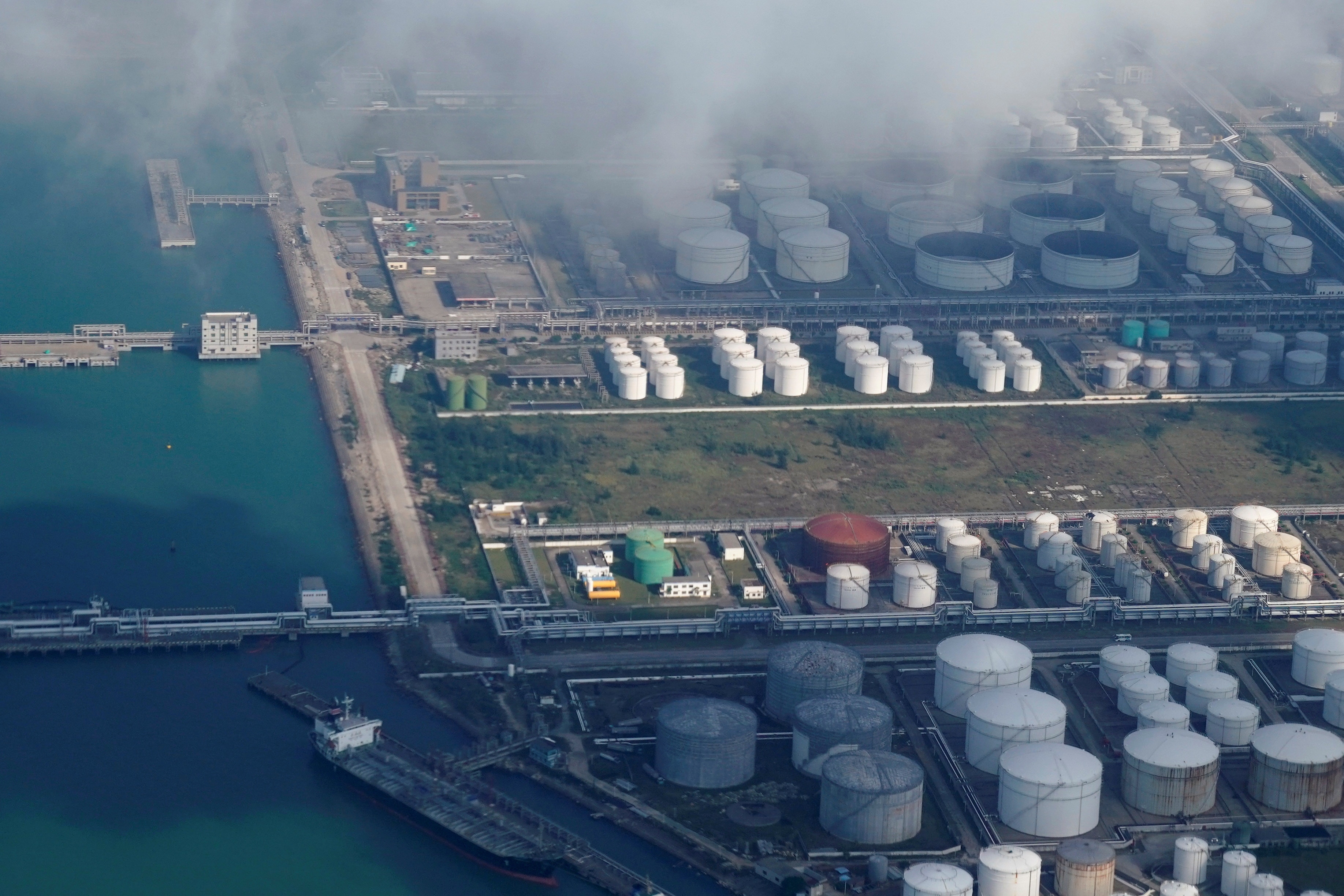
More than 3,000 oil tankers move through the strait each month, carrying crude from Gulf producers to Asia, Europe and beyond. If insurance costs surge or shipping lanes become unsafe, tanker traffic could slow dramatically, effectively freezing a major portion of the global energy trade.
- 4/9
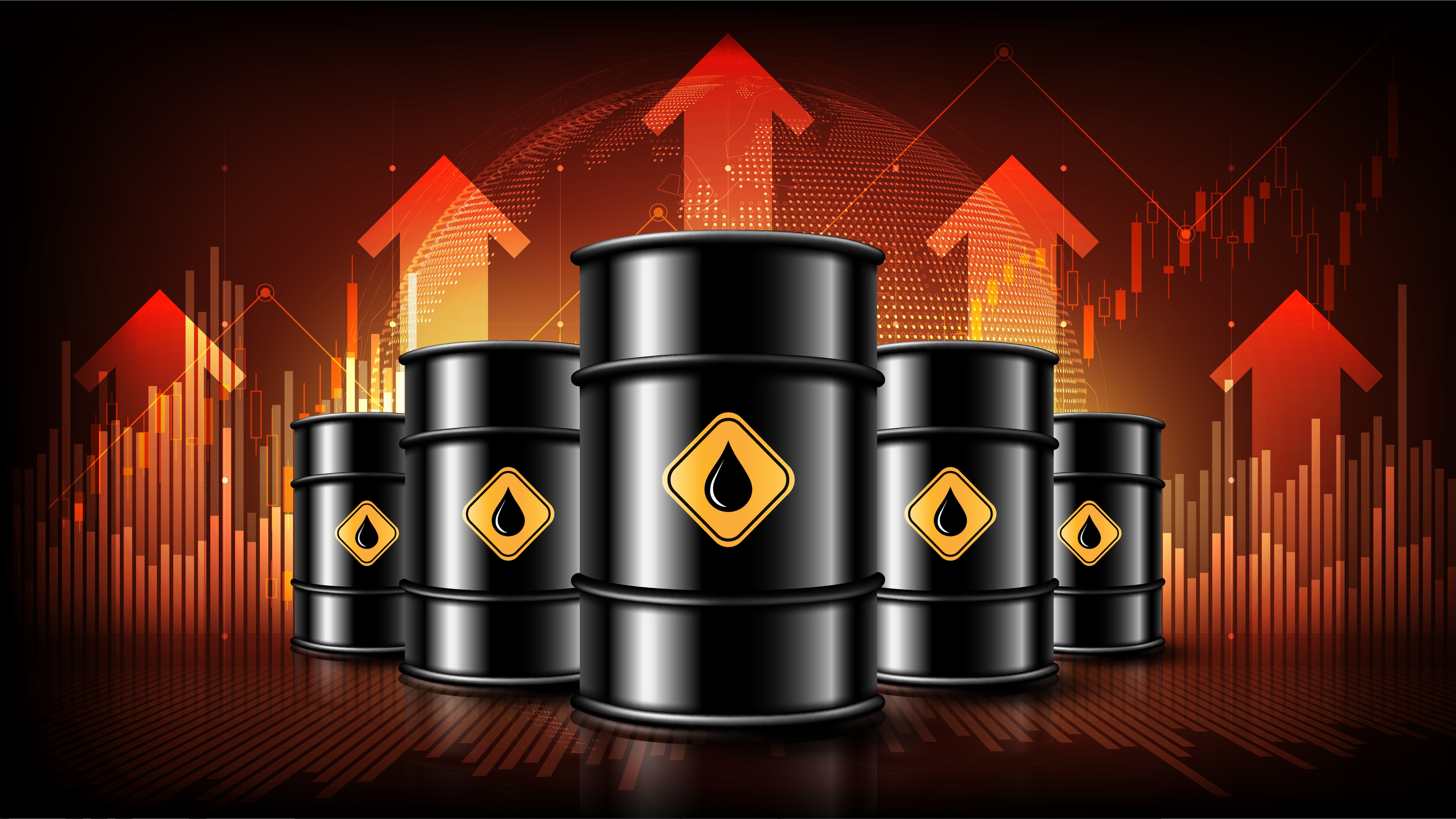
Energy markets react quickly to geopolitical shocks. Economists say that even the threat of disruption can push crude prices sharply higher. If the strait actually closes, analysts predict oil could spike dramatically as traders scramble to price in a sudden global supply shortage.
- 5/9
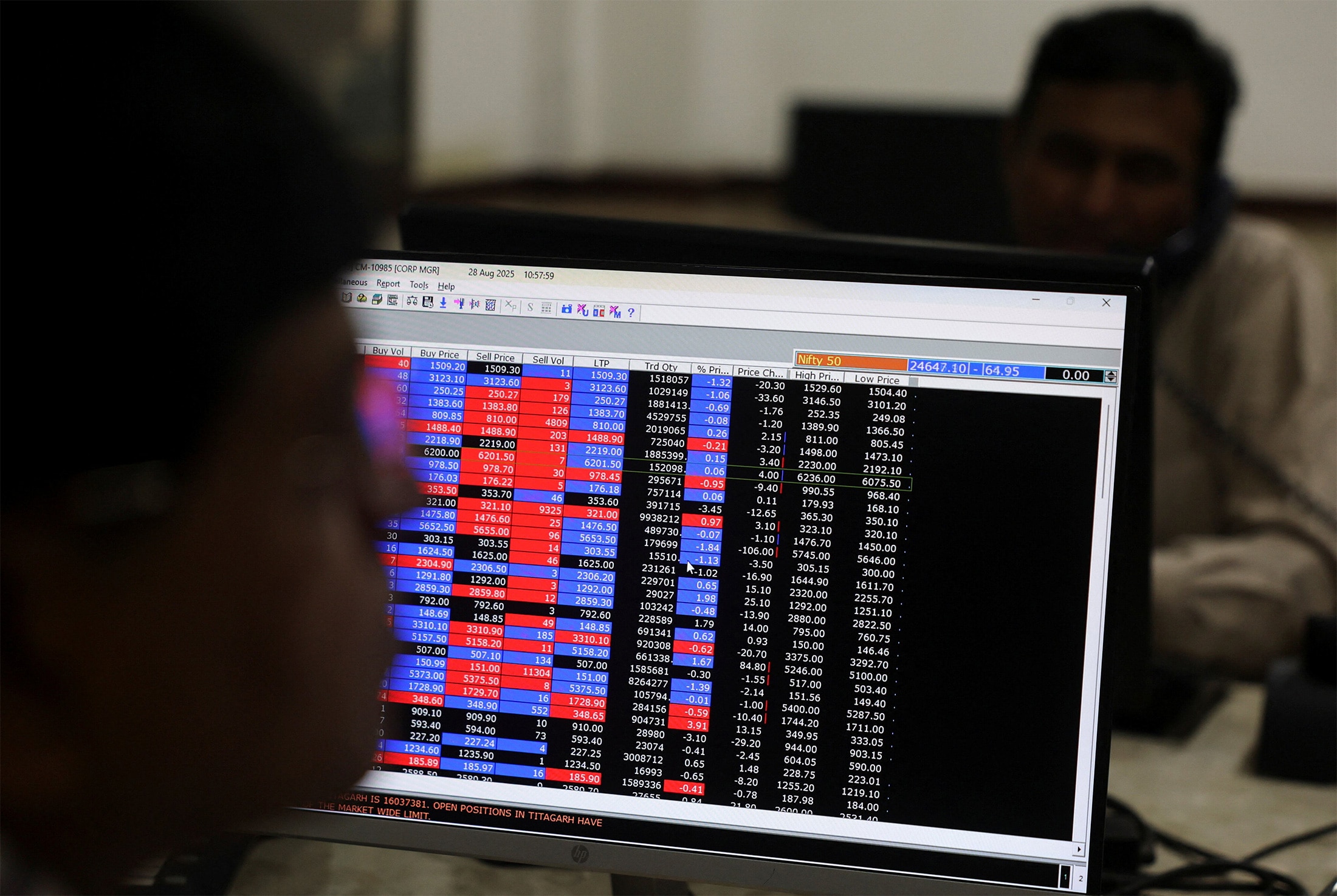
Stock markets are highly sensitive to energy shocks. Rising oil prices increase transportation costs, manufacturing expenses and inflation pressures. Financial strategists say global equities often tumble when crude surges, as investors worry about slower economic growth.
- 6/9
Asian economies would likely feel the impact first. According to the U.S. Energy Information Administration, around 80% of oil shipments through the strait are bound for Asia, including major importers such as China, India, Japan and South Korea.
- 7/9
To cushion the shock, countries may release oil from emergency stockpiles. Members of the International Energy Agency maintain strategic petroleum reserves specifically designed to stabilize markets during severe supply disruptions.
- 8/9
Oil is the backbone of global trade. Higher fuel prices can ripple across shipping, aviation and manufacturing sectors, increasing the cost of transporting goods worldwide. Economists say disruptions in energy supply often trigger broader inflationary waves.
- 9/9
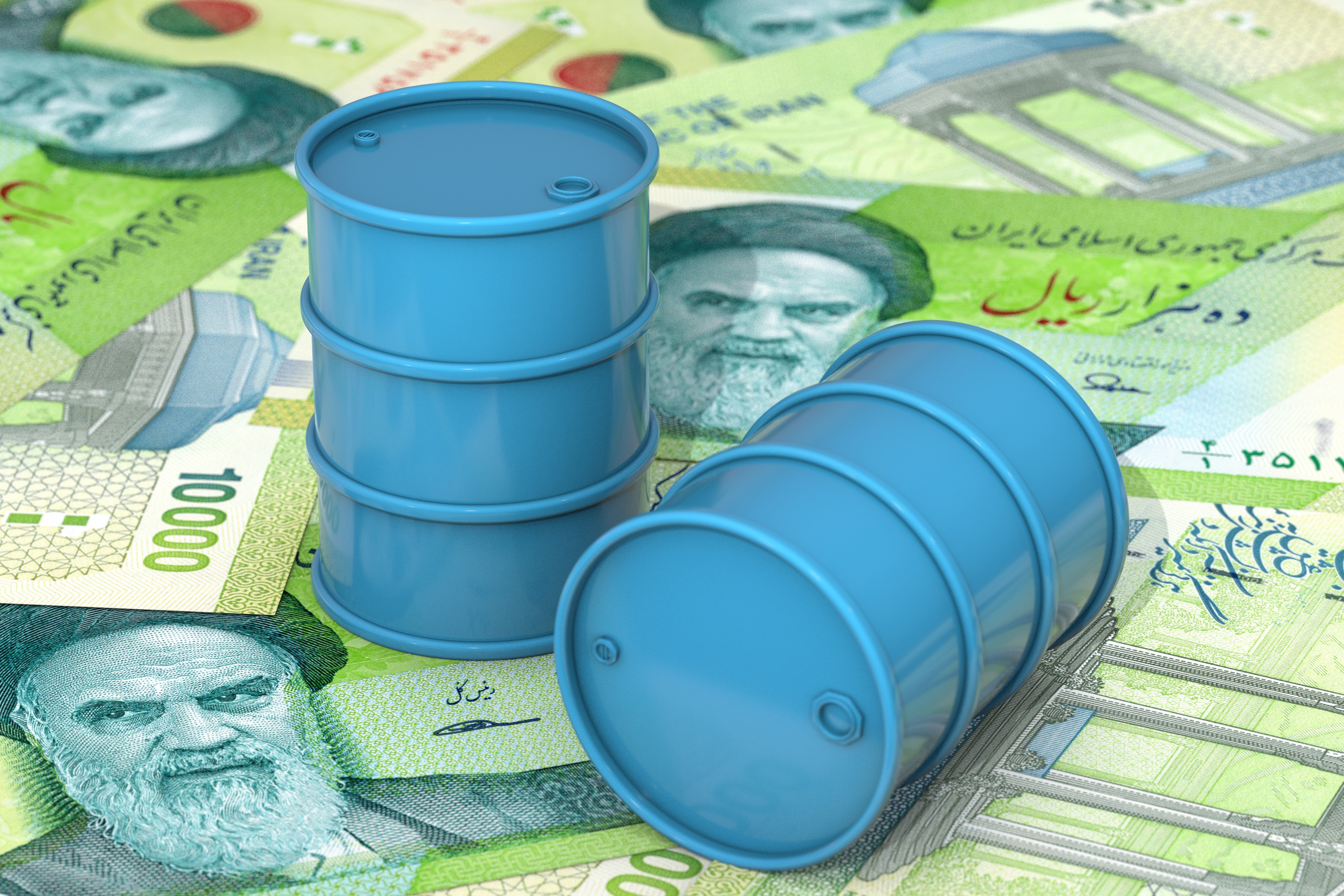
Energy crises have historically preceded global economic slowdowns. When oil prices surge, consumers spend more on fuel and businesses face higher operating costs. Economists warn that prolonged disruptions in a key energy corridor could weaken growth across multiple economies.