
The Moon is drifting away from Earth — and the reason starts in our oceans
The Moon is slowly moving away from Earth by about 3.8 cm every year. The reason is linked to ocean tides, Earth’s rotation and laser reflectors left by Apollo astronauts.
- Jul 13, 2026,
- Updated Jul 13, 2026 4:18 PM IST
- 1/7
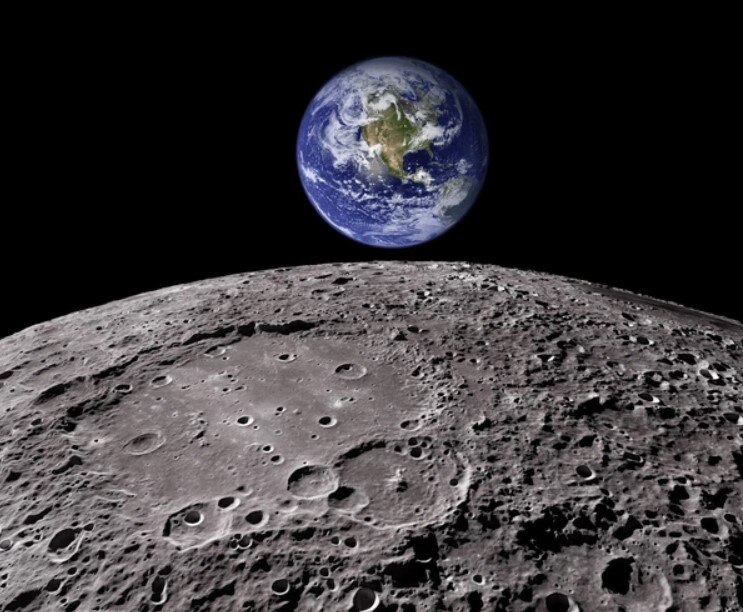
The Moon may look fixed in the night sky, but it is slowly moving away from Earth. NASA says measurements show the Moon is receding at about 3.8 centimetres per year.
- 2/7
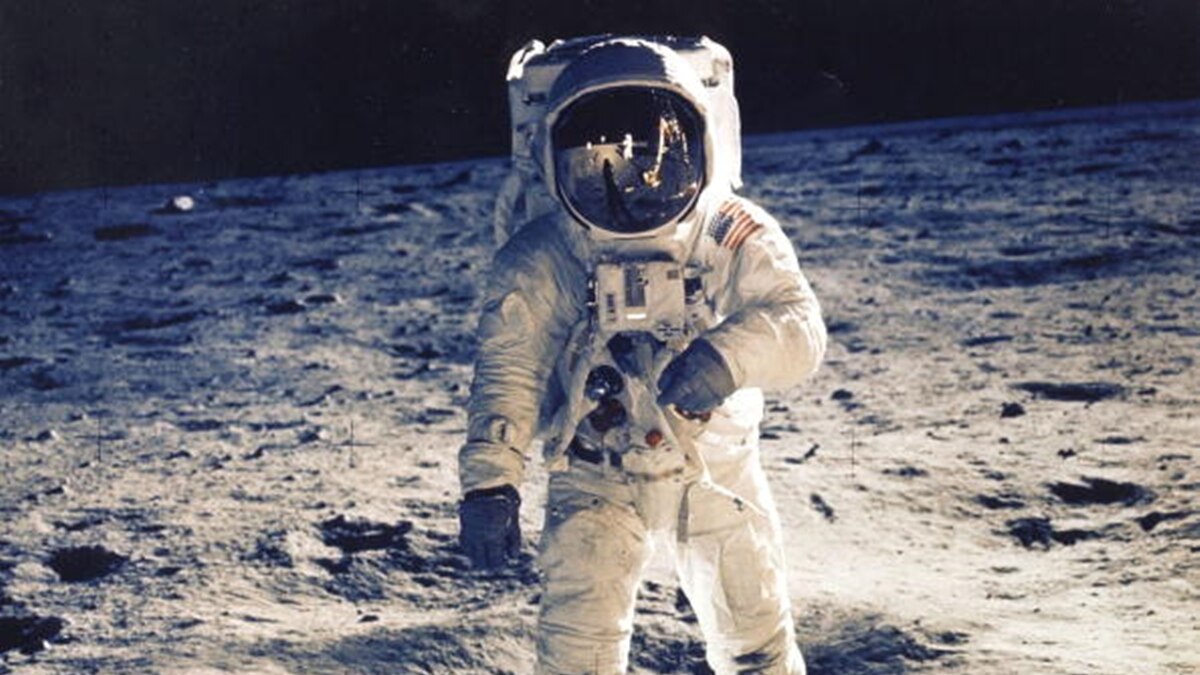
Scientists know this because Apollo astronauts left laser reflectors on the Moon. Researchers fire laser pulses from Earth, measure the return time and calculate the Earth–Moon distance with high precision.
- 3/7
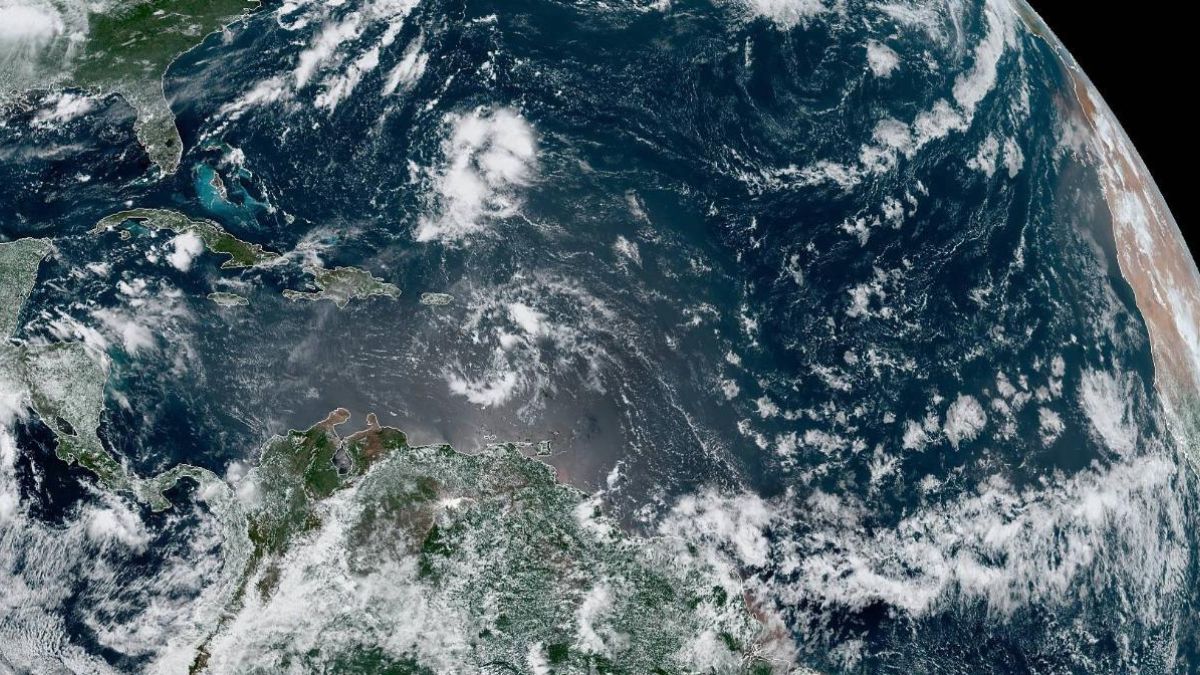
The reason begins with tides. NASA notes that ocean tides on Earth directly influence the Moon’s orbit. Tidal interactions slowly transfer energy and angular momentum, pushing the Moon into a wider orbit.
- 4/7
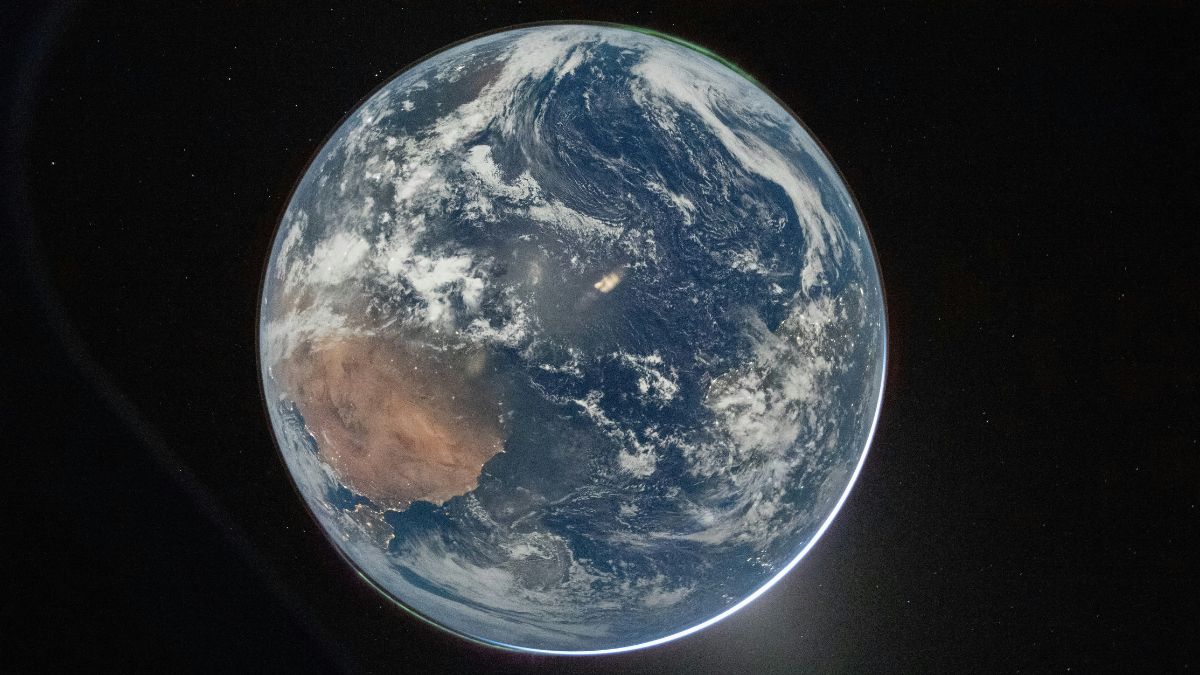
As the Moon moves outward, Earth’s rotation also slows very slightly. This does not affect daily life in a noticeable way, but over deep time, the Earth–Moon system keeps changing.
- 5/7
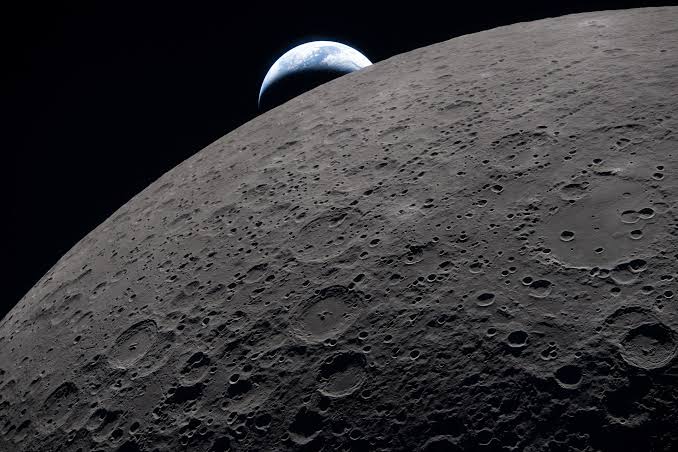
A 3.8 cm yearly drift sounds small, but across millions of years it adds up. Scientific summaries compare the rate to the growth of human fingernails, but the long-term effect is astronomical.
- 6/7
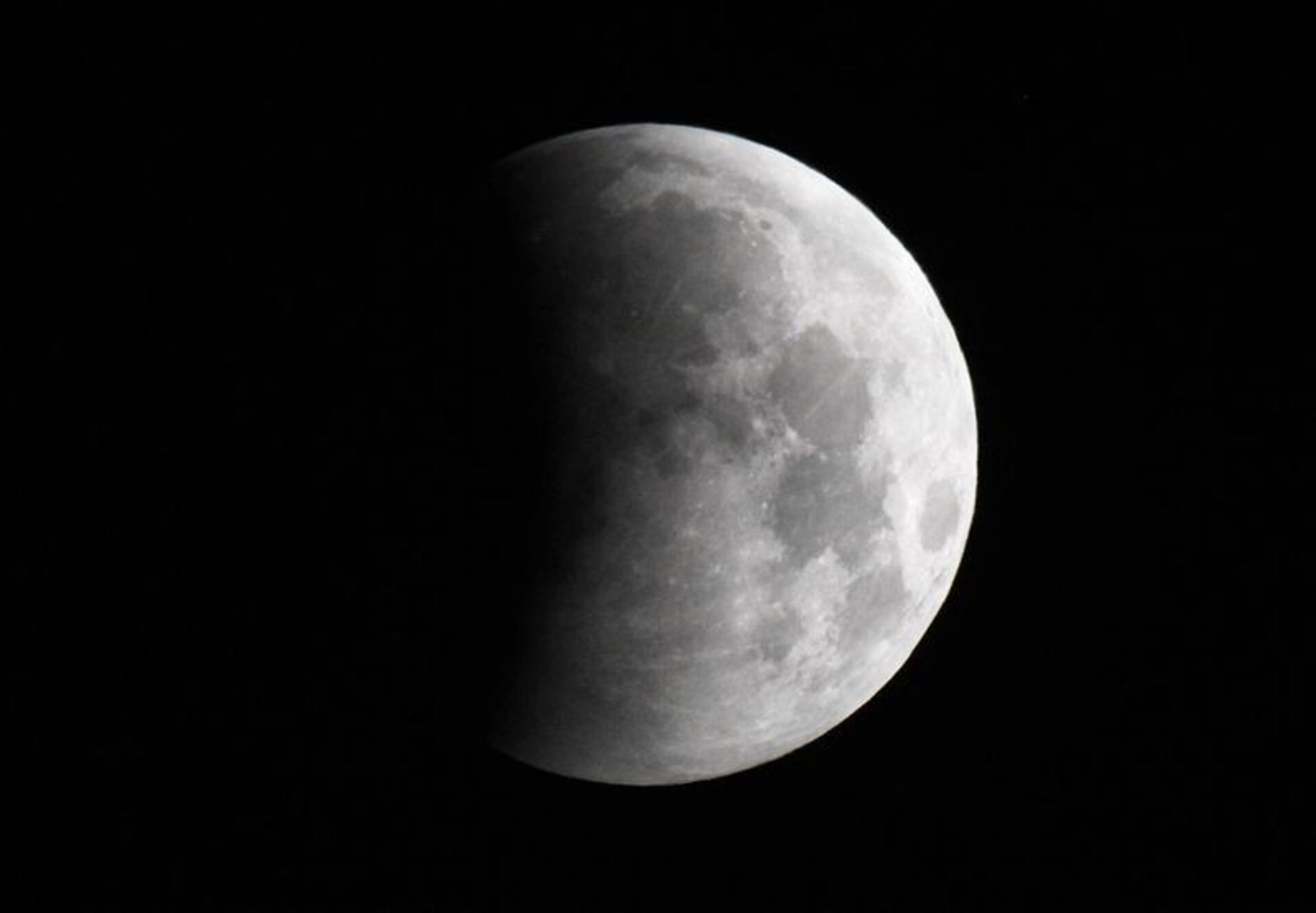
The Moon is not suddenly leaving Earth. The average Earth–Moon distance is about 384,400 km, so a few centimetres per year is extremely slow on human timescales. It is a long-term celestial change.
- 7/7
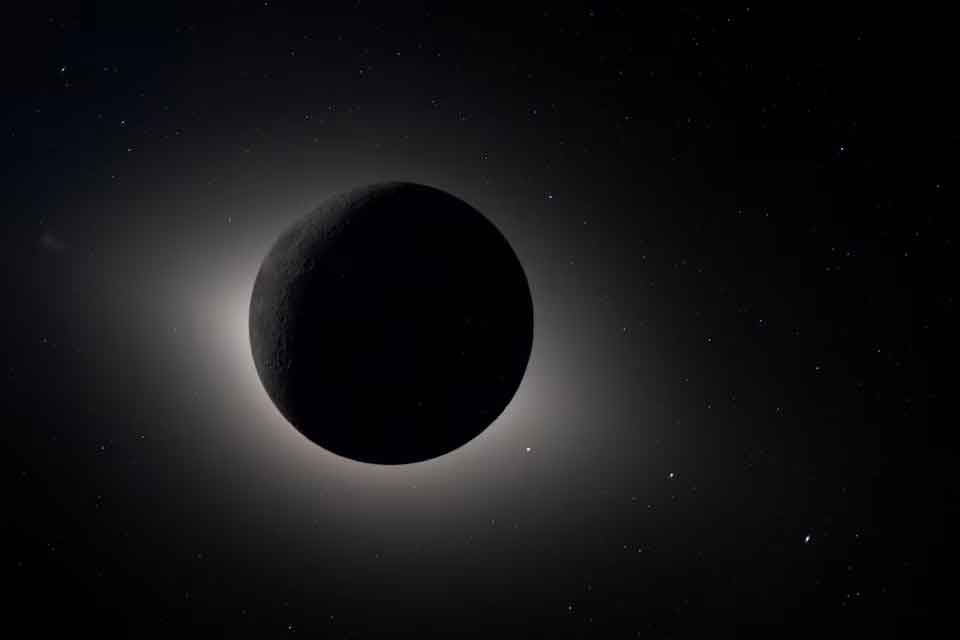
Over a very long future, the Moon’s increasing distance will affect total solar eclipses. As it appears smaller in the sky, total eclipses will eventually become impossible—but not for millions of years.