
The new space duel — Bezos and Musk battle for reusable rocket supremacy
Jeff Bezos’s Blue Origin lands its New Glenn rocket for the first time, marking a milestone in reusable rocket technology and igniting a new space race with Elon Musk’s SpaceX.
- Nov 14, 2025,
- Updated Nov 14, 2025 12:02 PM IST
- 1/9
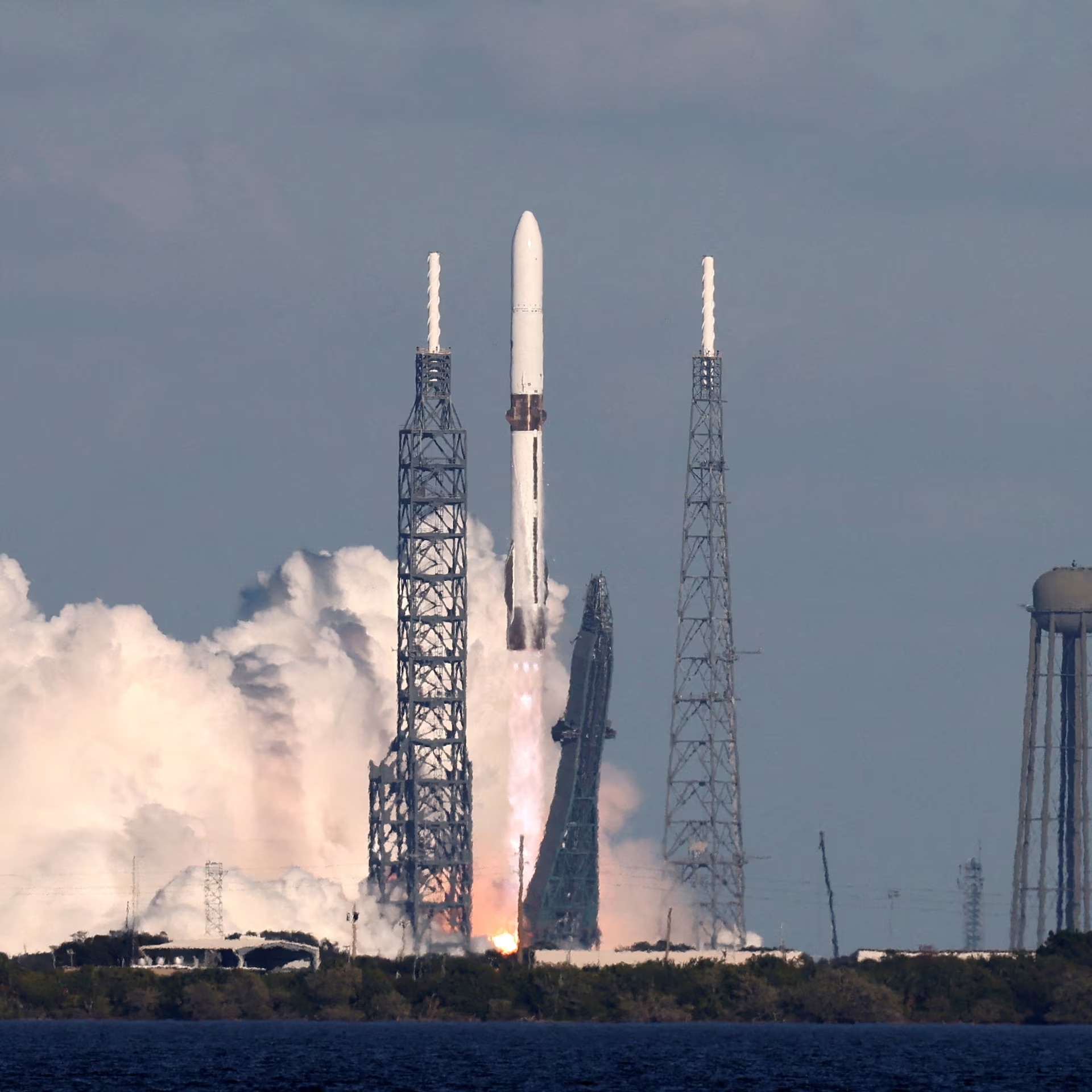
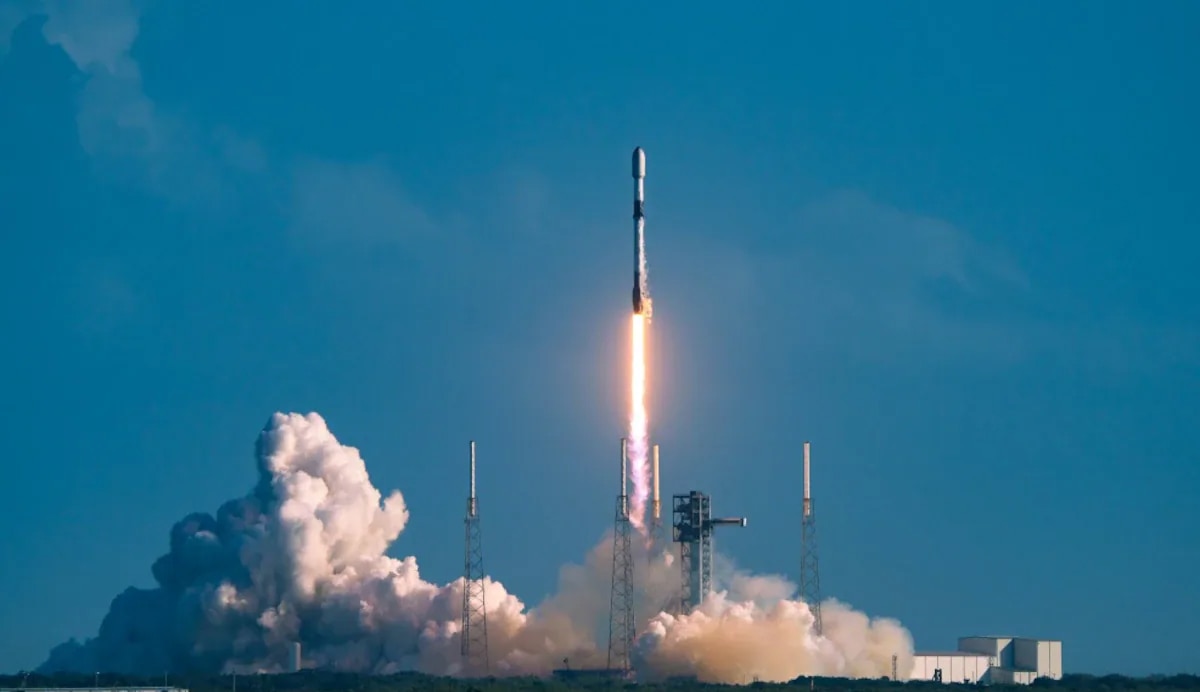
Blue Origin’s New Glenn rocket nailed its first booster landing, marking a turning point in Jeff Bezos’s space race with Elon Musk. The 321-foot giant now joins SpaceX in the reusable rocket club.
- 2/9
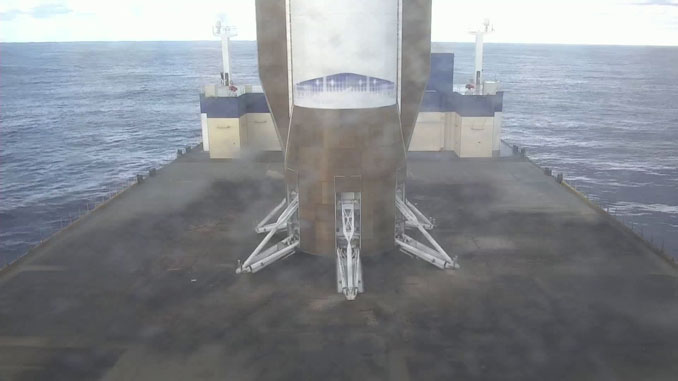
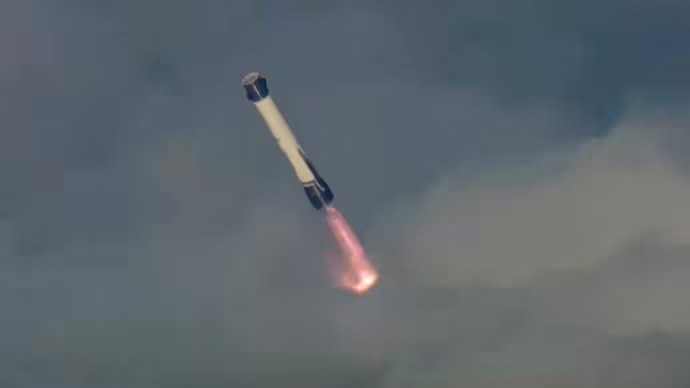
After roaring skyward, the massive rocket stage gently landed on the droneship Jacklyn in the Atlantic, just nine minutes post-launch—a precision ballet of fire, math, and machine control.
- 3/9
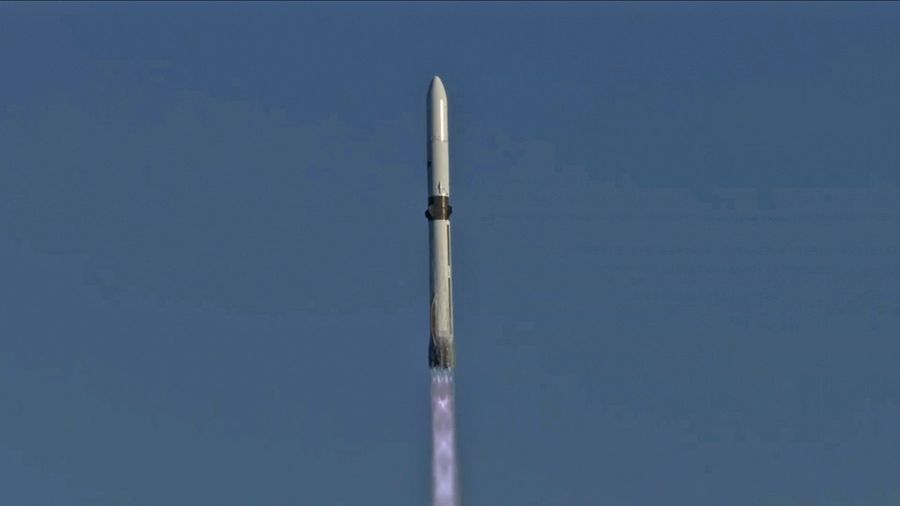
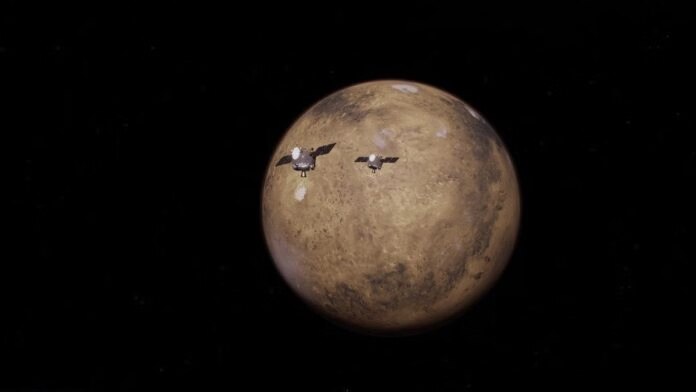
The payload? NASA’s ESCAPADE Mars mission—two twin spacecraft bound to study how solar winds strip away the Red Planet’s atmosphere, paving the way for future human missions.
- 4/9
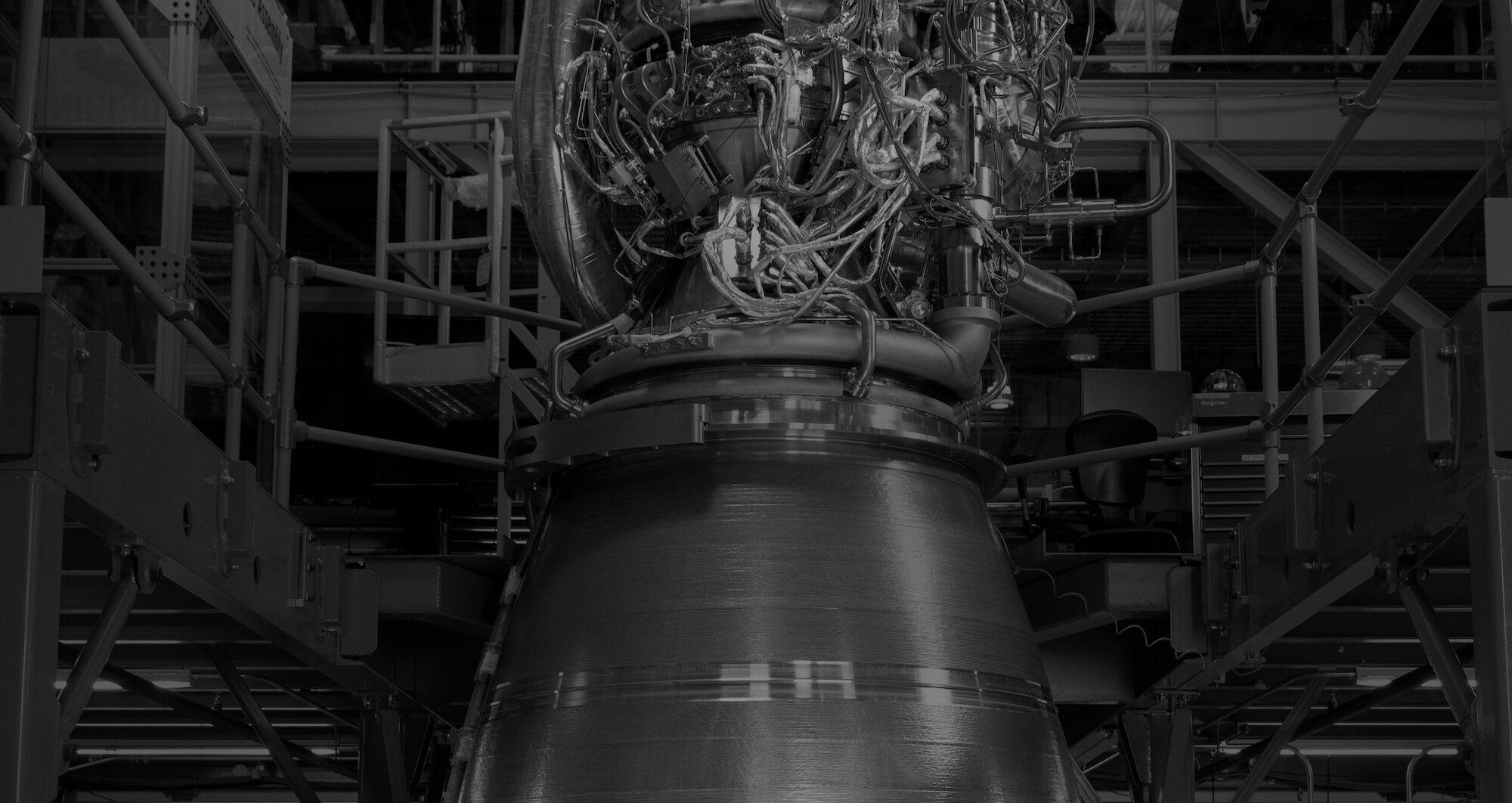
For years, SpaceX ruled reusability. Now, Bezos’s engineers have matched the feat—reigniting seven BE-4 methane engines mid-descent, performing a flawless, autonomous landing sequence.
- 5/9
With Musk’s Falcon 9 long dominating orbital returns, Blue Origin’s success signals the fiercest duel yet in the billionaires’ battle for the skies—each launch redefining who leads the future of space.

- 6/9
The booster’s reusability could slash launch costs by 50%, experts say. Designed for 25 flights, New Glenn may soon rival SpaceX’s workhorse—bringing orbital access into an era of sustainability.
- 7/9
The landing wasn’t easy. Geomagnetic storms, high winds, and volatile plasma conditions made success unlikely—yet New Glenn’s AI-driven precision brought it home. A triumph against the odds.
- 8/9
ESCAPADE’s twin satellites were released 30 minutes post-launch, cruising to a Lagrange Point orbit before their 22-month voyage to Mars—an elegant prelude to interplanetary exploration.
- 9/9
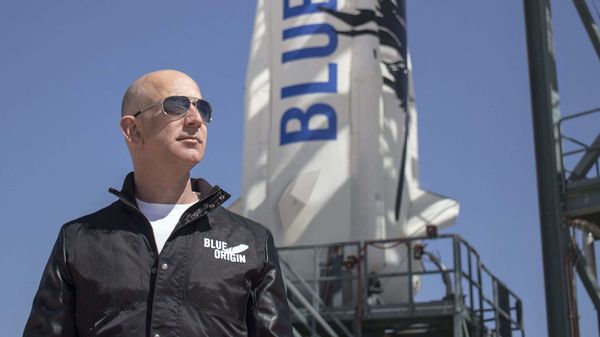
For Jeff Bezos, this isn’t just a landing—it’s validation. Years of quiet iteration and billion-dollar ambition have finally delivered what many doubted: a building-sized rocket that comes back home.