
The silent anti-ageing formula hiding in your everyday routine
Simple daily habits like better sleep, balanced nutrition, stress control, and movement can slow ageing naturally. Experts reveal the lifestyle secrets behind lasting youth and energy.
- Oct 31, 2025,
- Updated Oct 31, 2025 9:55 AM IST

- 1/9
Researchers call deep sleep “the body’s nightly repair shop.” Those who clock 7–8 hours of restful sleep show slower biological ageing markers and better collagen regeneration than sleep-deprived peers.
- 2/9
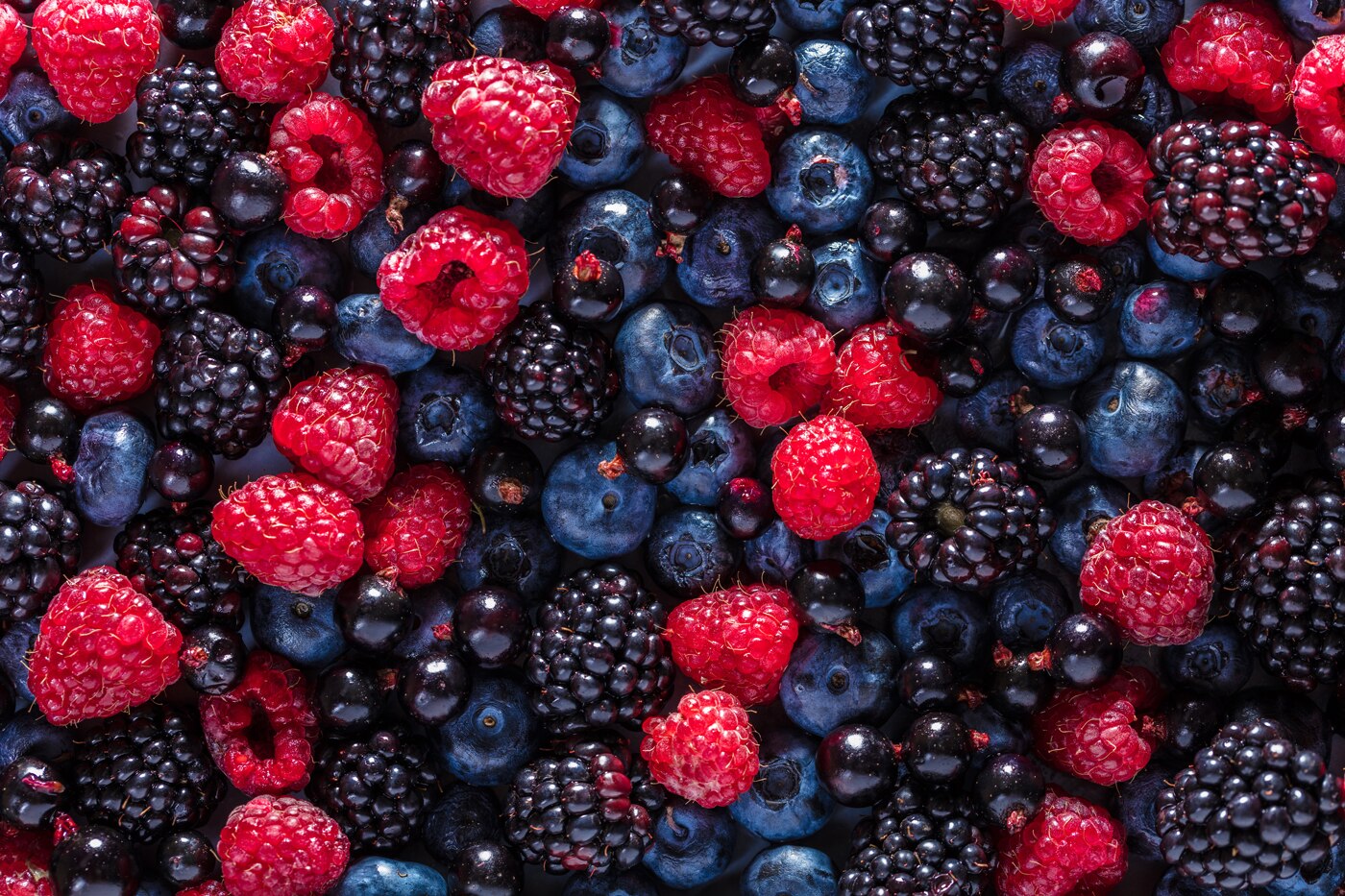
Bright berries, leafy greens, and olive oil do more than fill your plate—they form a natural defence shield. Nutritionists say antioxidants neutralize free radicals that accelerate wrinkles and cellular damage.

- 3/9
Exercise doesn’t just sculpt the body—it rejuvenates it. Harvard studies reveal that regular brisk walking or yoga reduces inflammation, boosts mitochondria, and adds up to 9 years of “youthful” health span.

- 4/9
Chronic stress floods your body with cortisol, a hormone that fast-tracks skin thinning and fatigue. Daily meditation or journaling can lower stress hormones by up to 30%, slowing visible ageing signs.

- 5/9
Dermatologists warn that 80% of visible facial ageing is UV-related. Skipping sunscreen accelerates wrinkles, pigmentation, and loss of firmness — proof that “ageing gracefully” begins with SPF.
- 6/9
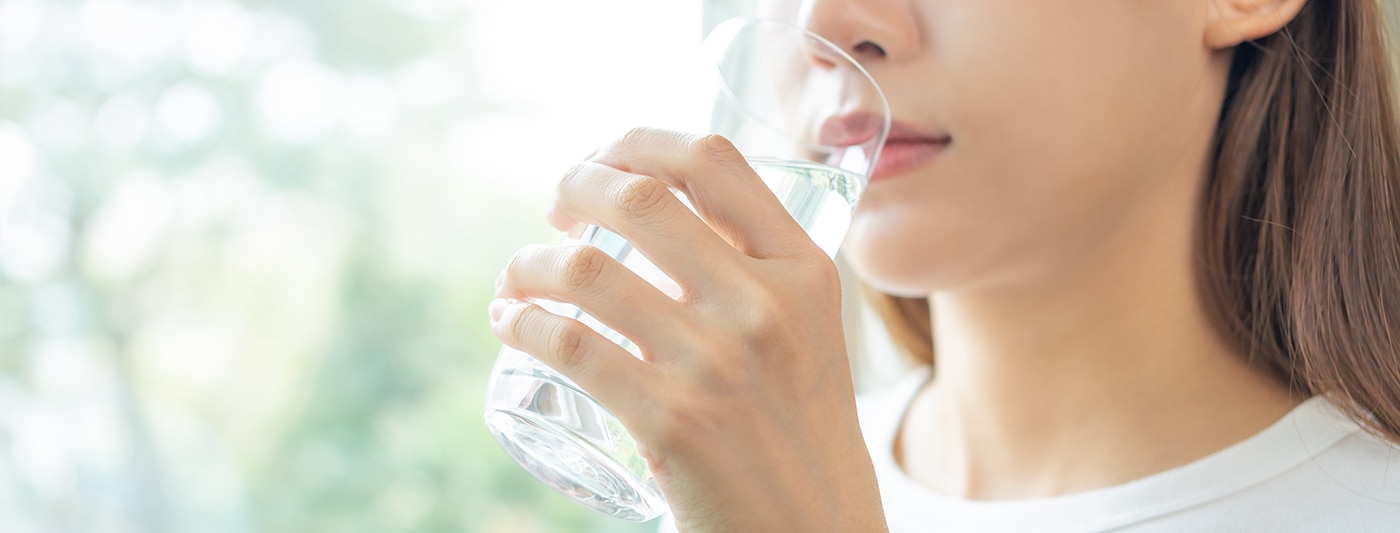
Your skin is 64% water, yet most adults live in a mild dehydration loop. Drinking enough water and eating water-rich foods like cucumber or watermelon keeps skin supple and radiant from within.
- 7/9
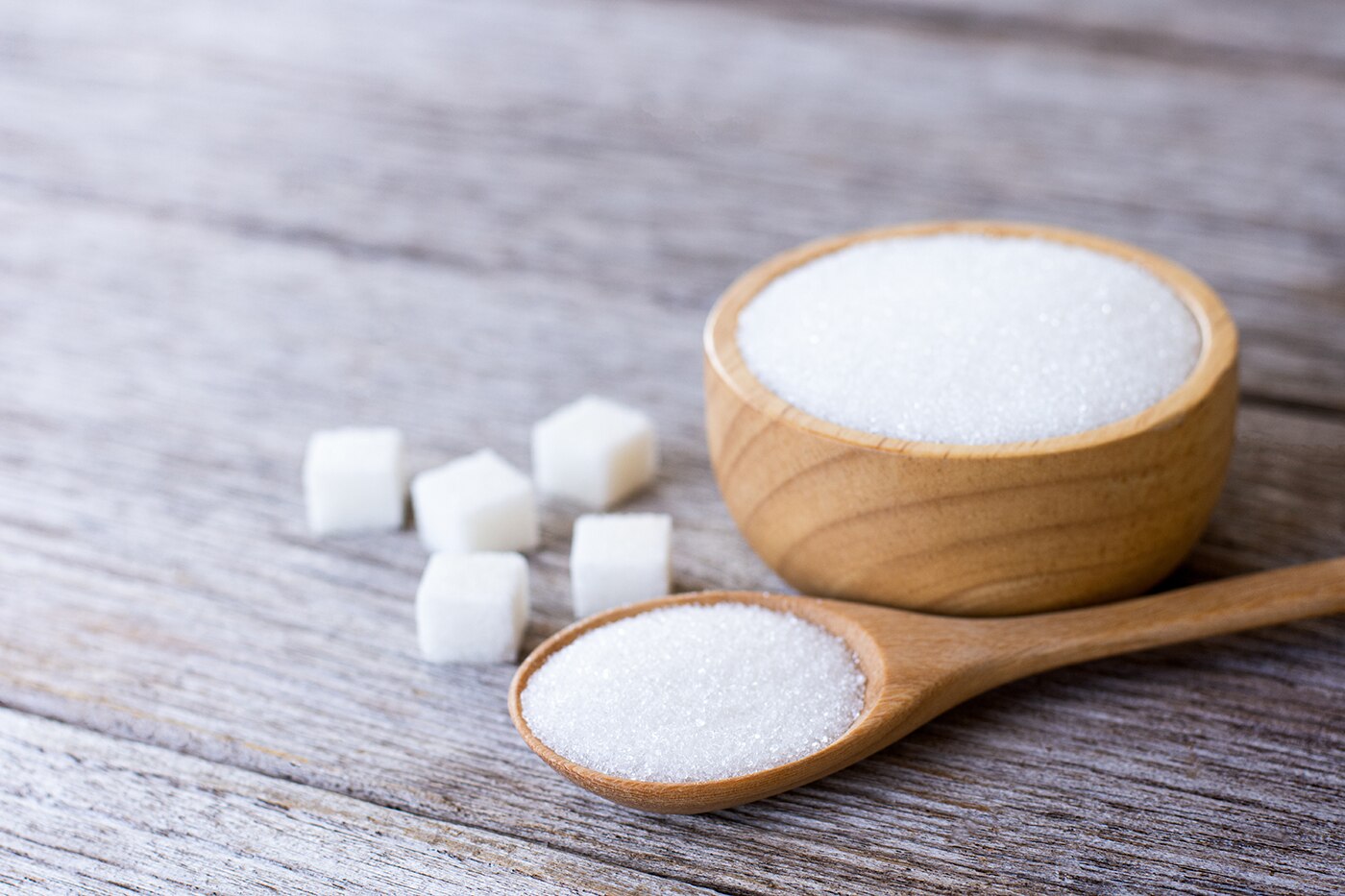
Experts say excess sugar bonds to collagen, creating “AGEs”—advanced glycation end products—that stiffen skin. Cutting down on sweets isn’t just about calories; it literally slows time on your face.

- 8/9
Learning new skills or solving puzzles keeps your brain’s grey matter active. Neurologists claim it strengthens neural plasticity—the secret to staying sharp and emotionally balanced through the decades.

- 9/9
People with strong life purpose age slower at the cellular level. Studies from the Journal of Psychosomatic Research show purpose-driven individuals have longer telomeres—the DNA caps tied to longevity.