
The Small Lifestyle Choices Making Japan and Italy Outlive the Rest of Us
Discover how simple daily habits—from Japan’s mindful eating to Italy’s fresh-food culture and Europe’s built-in movement—are quietly shaping the world’s longest-living societies.
- Dec 9, 2025,
- Updated Dec 9, 2025 3:24 PM IST
- 1/9
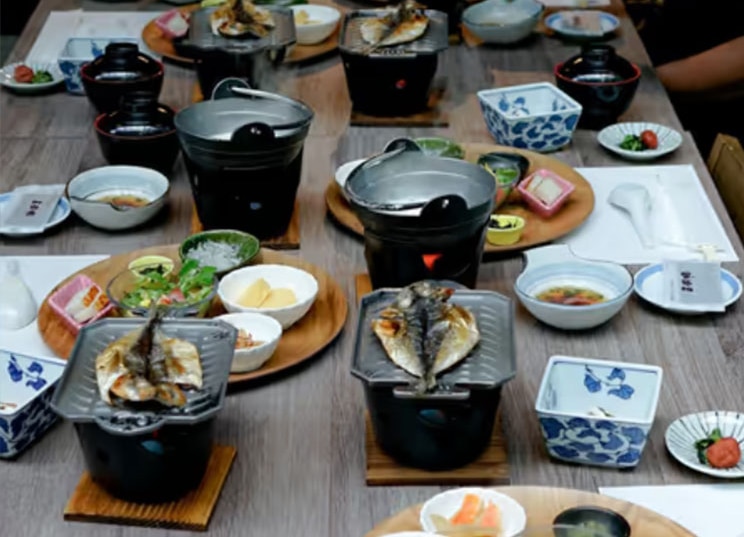
Japan’s quiet secret isn’t exotic superfoods but the disciplined ritual of hara hachi bu—stopping at 80% full. Public-health researchers routinely cite this “intentional restraint” as a measurable contributor to the country’s famously low obesity and heart-disease rates, hinting at a cultural wisdom modern diets keep overlooking.

- 2/9
Italy and Spain’s kitchens read like a manifesto: fresh vegetables, legumes, fish, and olive oil in unapologetic abundance. Epidemiologists studying Mediterranean eating patterns consistently find lower cardiovascular risk and longer lifespans—yet the real intrigue lies in how these nations turn simple ingredients into a life-extending cultural rhythm.

- 3/9
From Japan’s miso to Korea’s kimchi, fermented foods quietly power gut health and immunity. Nutrition scientists have tracked stronger microbiome diversity in populations that consume them daily, suggesting that the world’s healthiest countries may owe part of their longevity to a flavor-packed microbial advantage.
- 4/9
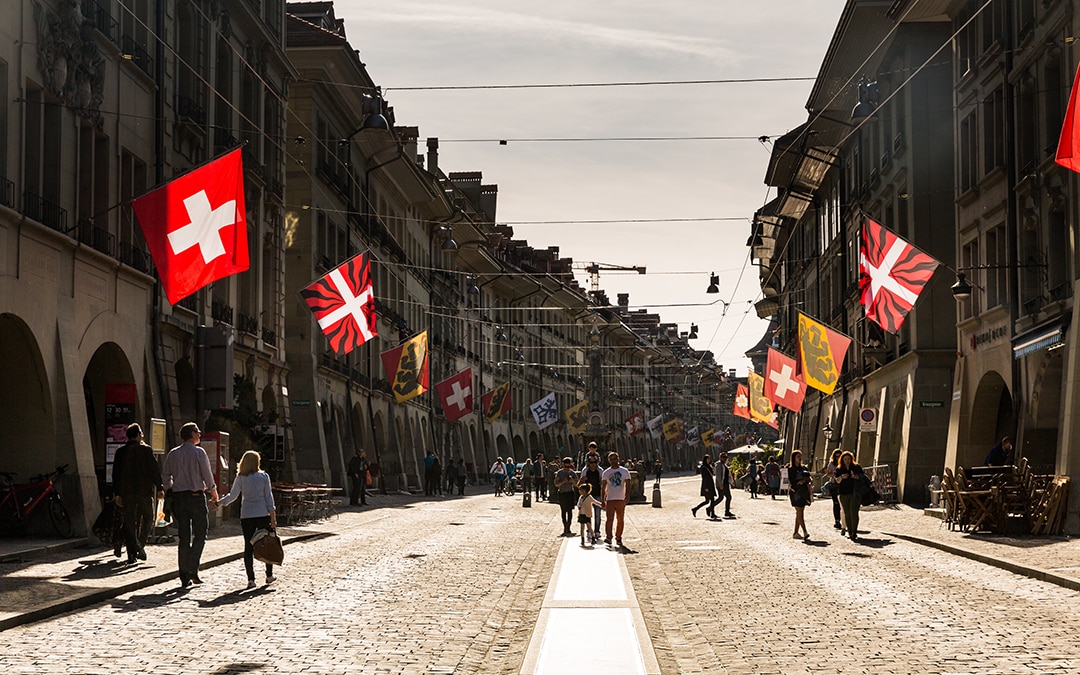
In Switzerland and the Nordics, movement isn’t scheduled—it’s embedded. Walking to trains, cycling to schools, tackling errands by foot. Studies from European transport agencies show these micro-bursts of activity significantly reduce chronic-disease risk, turning daily life into an unsung fitness program that outperforms many gym memberships.

- 5/9
Sweden’s Allemansrätten—the “Everyman’s Right”—isn’t just a legal quirk; it’s a cultural invitation to live outside. Mental-health researchers credit frequent nature exposure with improved mood and reduced anxiety, revealing why some of the world’s fittest populations are also among its most emotionally resilient.

- 6/9
In Iceland, social ties function almost like national infrastructure. Close-knit relationships, communal gatherings, and intergenerational support serve as protective health buffers. Large cohort studies consistently show that strong social networks reduce depression and even lower cardiovascular risk, suggesting that community may be as vital as medicine.

- 7/9
Singapore’s preventive-care campaigns—mandatory screenings, widespread immunizations, early interventions—have become a global case study in proactive health policy. Public-health experts point to these systems as proof that catching illness early isn’t just cost-effective; it transforms life expectancy on a national scale.

- 8/9
Even without government-led programs, individuals who pursue regular screenings show significantly lower rates of late-stage disease, according to longitudinal studies across Europe and Asia. The quiet story here: prevention isn’t glamorous, but it’s one of the strongest life-extending behaviors science can measure.

- 9/9
Centenarian research from Okinawa to Sardinia keeps revealing the same theme: longevity isn’t built in sprints but in slow, steady rituals—walks, rituals, meals, rest, connection. The real twist? These habits often feel effortless to them, suggesting that the healthiest lifestyles aren’t extreme but deeply woven into identity.