
The sour fruit quietly transforming heart, hair, and immunity
Amla, rich in vitamin C, lowers cholesterol, supports liver, boosts hair growth, and strengthens immunity—an ancient Ayurvedic fruit now a modern superfood.
- Sep 19, 2025,
- Updated Sep 19, 2025 9:51 AM IST
- 1/9
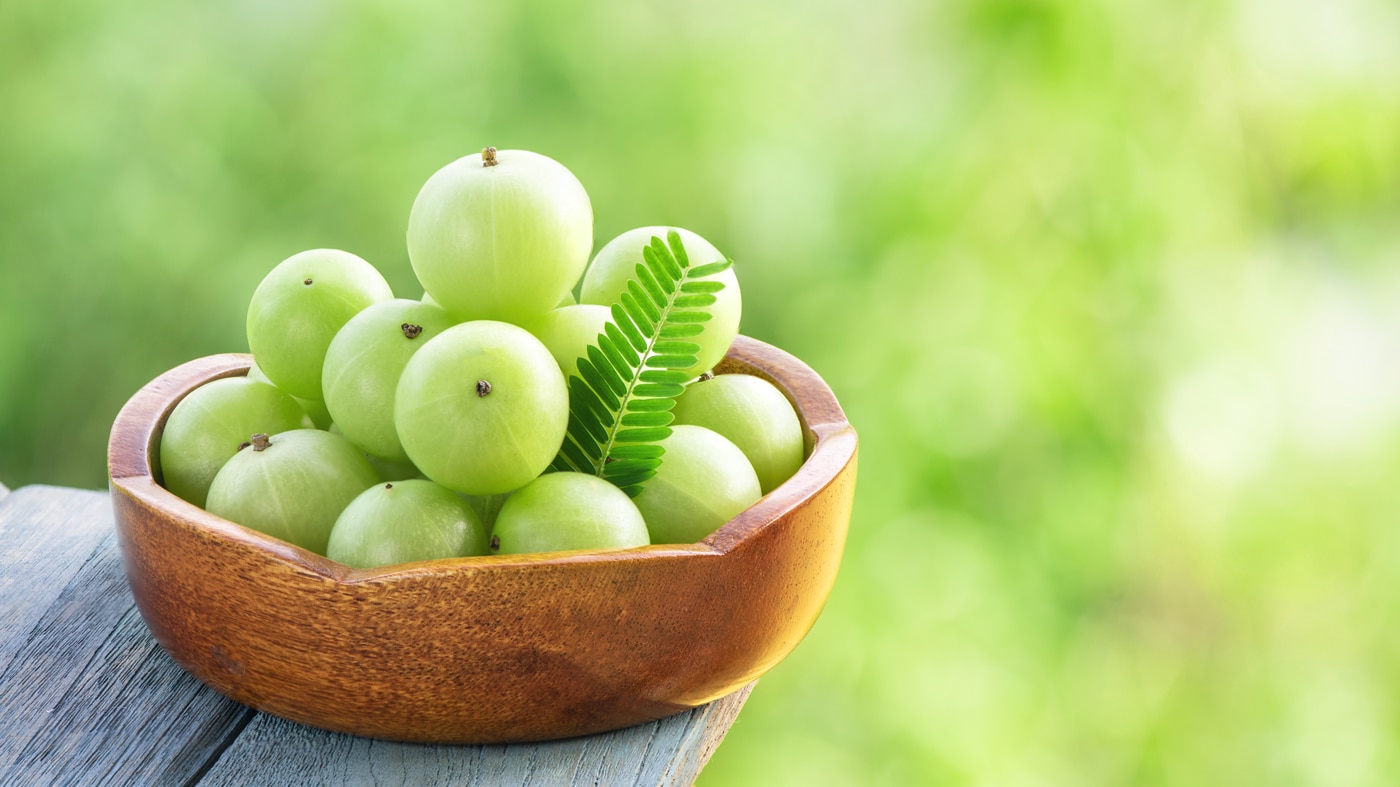
One amla fruit packs up to 700 mg of vitamin C—nearly 10x an orange. That antioxidant surge doesn’t just fight colds; it trains immune cells to react faster and heal quicker.

- 2/9
In lab tests, rats fed amla extract showed signs of reversing fatty liver disease. Its antioxidants may help detox the liver, making amla juice a gentle daily cleanse from the inside out.

- 3/9
A clinical trial found people with chronic heartburn felt relief after just 4 weeks of amla extract. From GERD to ulcers, this sour fruit seems to soothe the stomach in surprising ways.
- 4/9
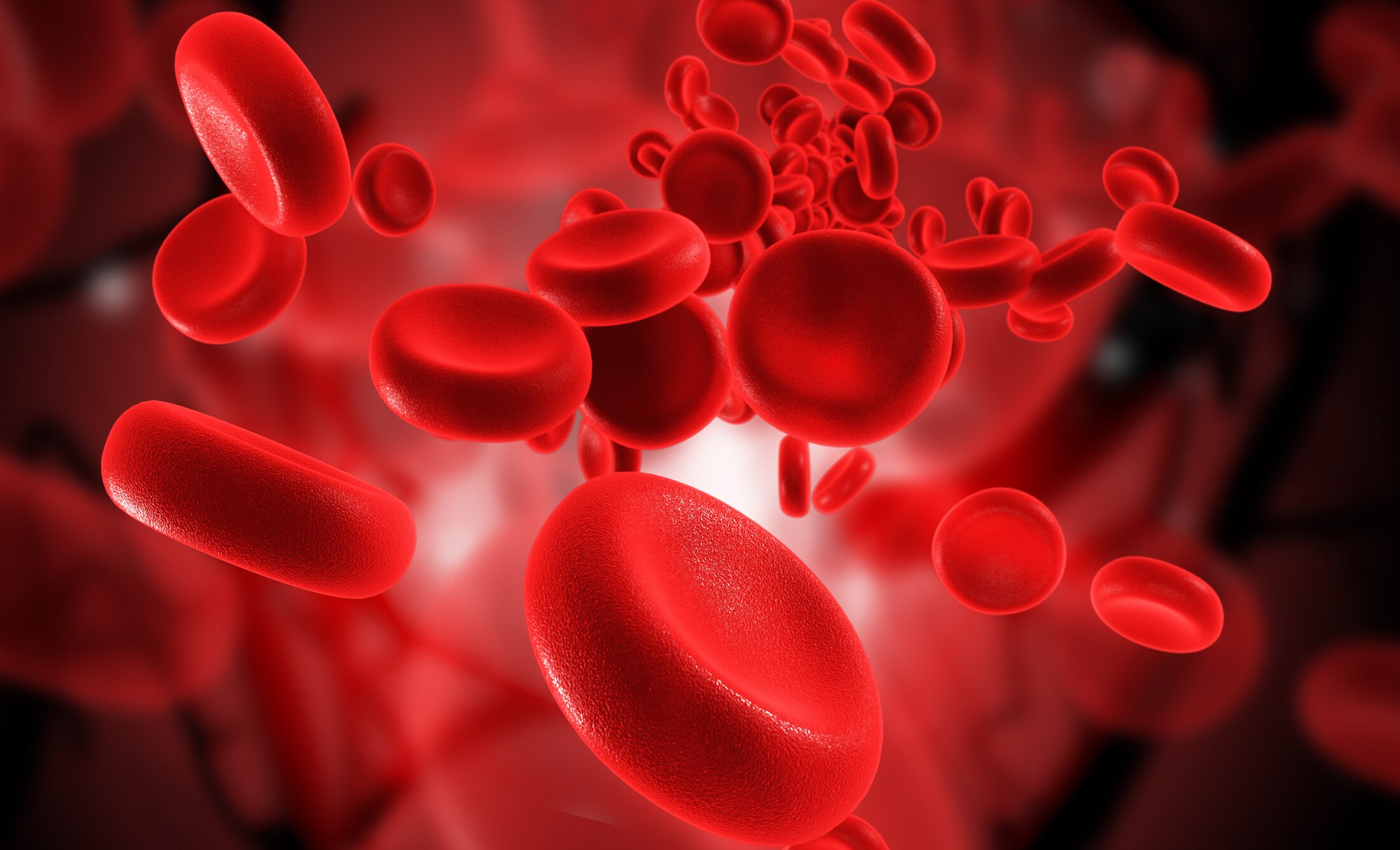
In human studies, amla lowered LDL (bad cholesterol) and triglycerides while raising protective markers. Doctors call this a triple win: fewer clogs in arteries, better blood flow, healthier hearts.

- 5/9
Preliminary research links amla to lower blood pressure. That makes each glass of juice not just refreshing but potentially life-saving for those at risk of hypertension and stroke.

- 6/9
Ancient beauty rituals used amla oil, and now science is catching up. Clinical tests show it stimulates hair follicle cells, slowing hair loss and boosting growth—vitamin C for the scalp.

- 7/9
Animal studies show amla protects kidneys from oxidative stress and toxin damage. If confirmed in humans, it could one day be part of treatments for age-related kidney decline.
- 8/9
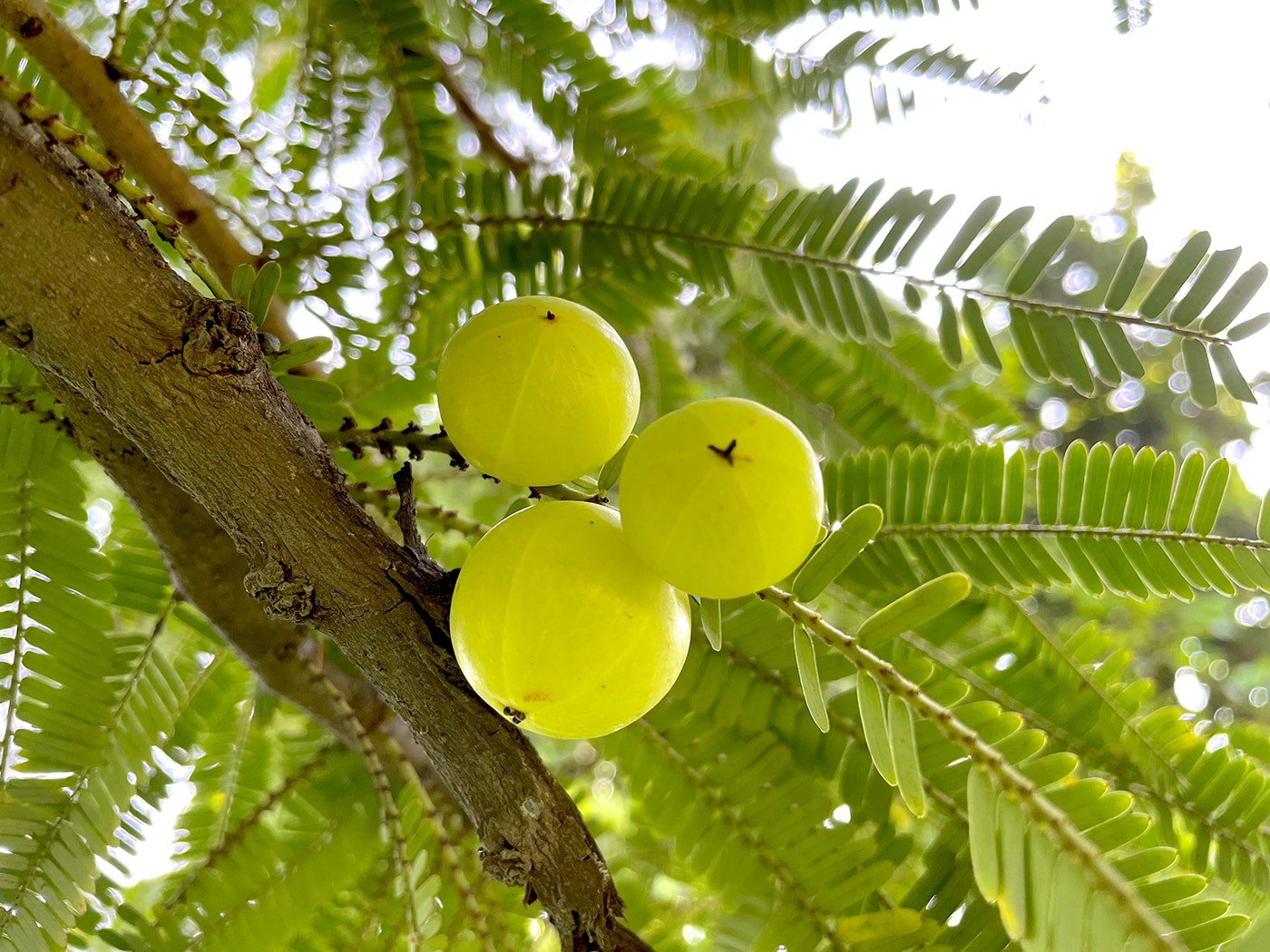
Skip the bottles with added sugar: chop a few gooseberries, blend with water, strain, and sip. Add ginger or honey for taste. Homemade juice keeps the nutrients intact and the flavor sharp.
- 9/9
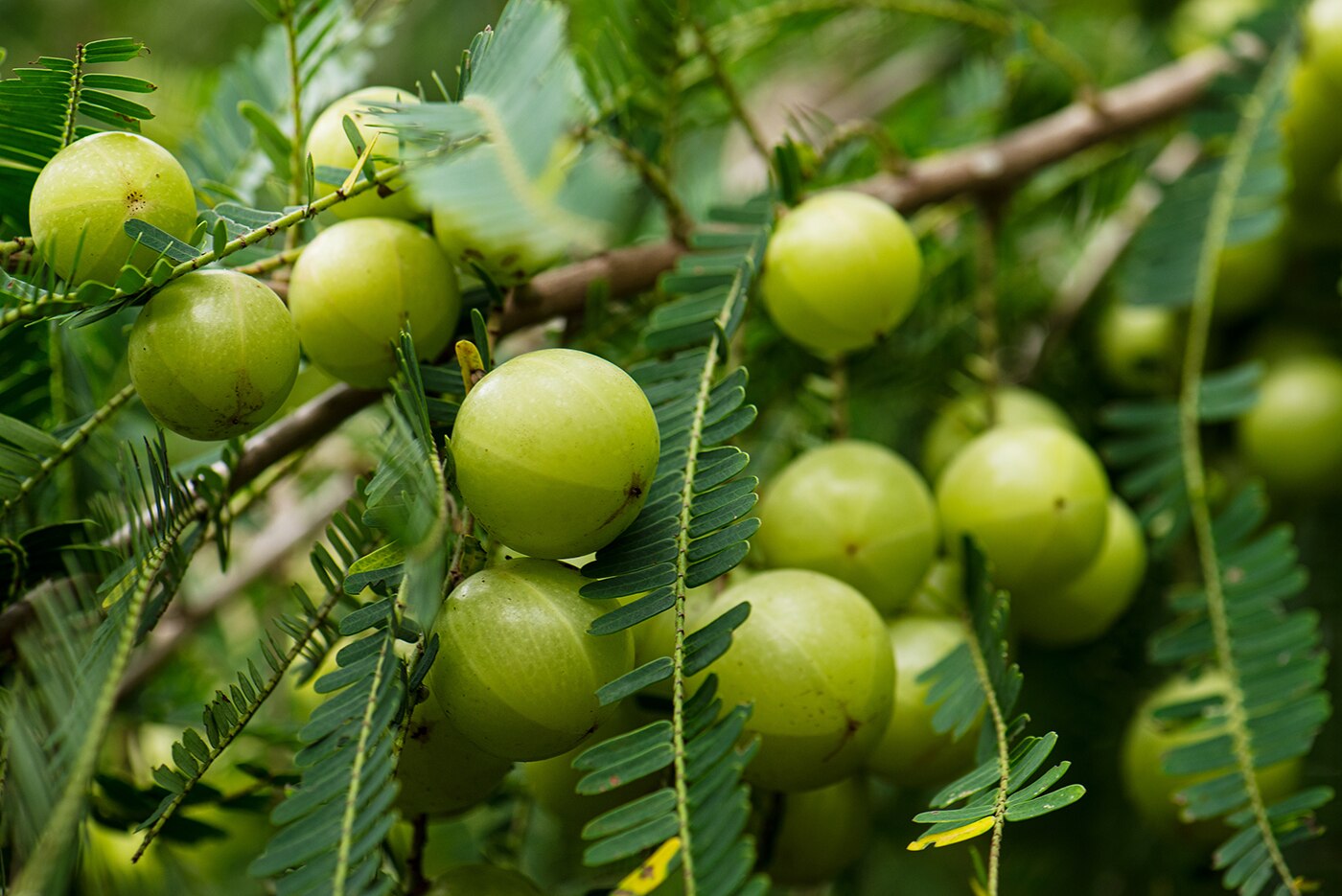
From India’s Ayurvedic tradition to modern labs, amla has traveled centuries. Once a folk remedy, now a lab-tested powerhouse, it’s poised to become the next global wellness staple.