
The Surprising Destinations Driving the World’s Travel Revival
Global tourism is surging back as unexpected destinations outperform pre-pandemic levels. From Japan to Morocco, rising arrivals and renewed mobility are rewriting the world’s travel map.
- Dec 9, 2025,
- Updated Dec 9, 2025 1:06 PM IST

- 1/9
Early 2025’s travel boom isn’t just a rebound—it’s a reset. UN Tourism data shows 690 million global arrivals in six months, a surge that researchers say finally rivals 2019’s “last normal year,” hinting that wanderlust may now outrun economics.

- 2/9
Japan’s 21% arrival spike has analysts calling it one of the world’s “fastest normalized” markets. With tourism receipts climbing 18%, economists note a spending pattern that mirrors pre-pandemic enthusiasm but with sharper intent and shorter itineraries.

- 3/9
Vietnam’s matching 21% jump suggests a structural shift, not a seasonal blip. Regional experts cite improved connectivity across Asia-Pacific (+11%) and a widening mid-budget segment hungry for “value density” rather than luxury benchmarks.

- 4/9
South Korea’s 15% rise comes with a twist: outbound spending among Koreans is up 8%, a metric economists treat as a proxy for restored mobility confidence—hinting the country is both sending and receiving more travellers than expected.

- 5/9
Morocco’s 19% upswing leads Africa’s strongest regional performance (+12%). Analysts point to resilient urban hubs and expanding desert tourism, calling the trend a “case study in post-crisis destination reinvention.”

- 6/9
Posting 7% growth despite a flat North American landscape, Mexico continues to defy regional gravity. Travel economists say its “experience-per-dollar advantage” is cushioning it against the US and Canada’s cooling inbound numbers.

- 7/9
The Netherlands’ 7% growth feeds Europe’s record-setting 340 million arrivals—7% above 2019’s benchmark. Tourism researchers note how mid-sized European hubs are quietly outperforming traditional giants through diversified visitor flows.
- 8/9
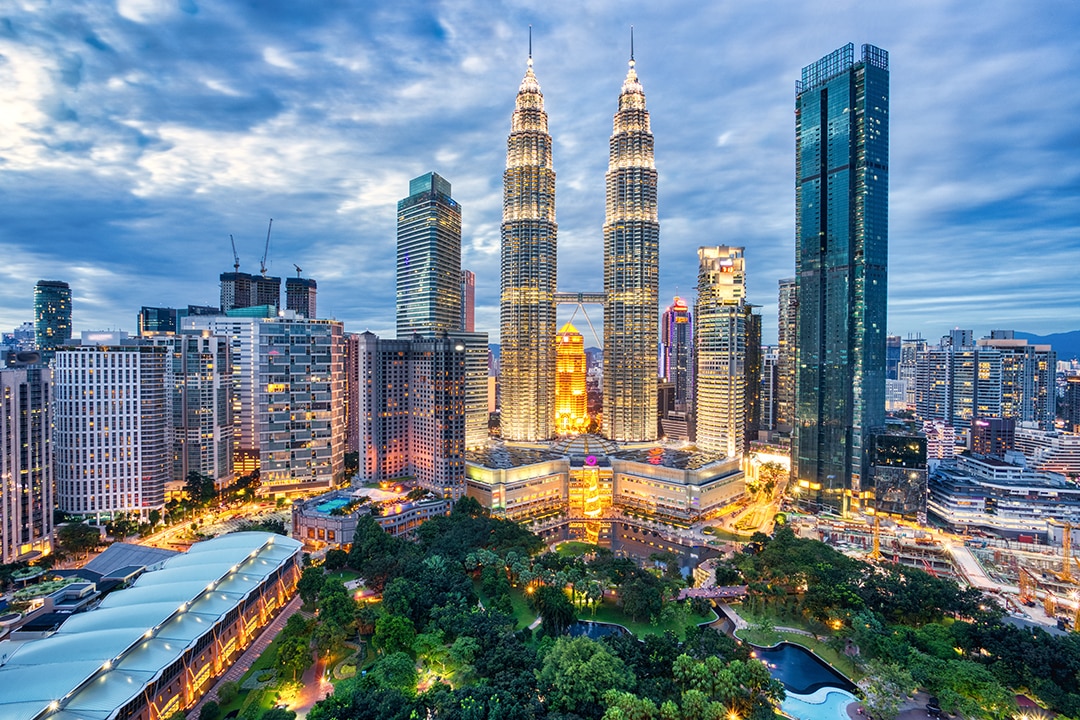
Malaysia’s 9% rebound places it among Southeast Asia’s fastest risers, even as the region sits 8% below 2019 levels. Analysts credit targeted marketing and reopened air corridors that have recalibrated regional visitor behavior.

- 9/9
Indonesia’s parallel 9% climb showcases a broader Asia-Pacific mobility spike. Industry observers highlight upgrades in air connectivity and the rise of multi-stop regional itineraries where Indonesia features as a “value anchor.”