
Timeless Grandeur : How India’s Royal Water Palaces Define Architectural Luxury
India’s royal water palaces like Taj Lake Palace, Jal Mahal, Neer Mahal, and Jai Vilas Palace showcase centuries of architectural luxury, blending heritage, opulence, and scenic grandeur.
- Jul 10, 2026,
- Updated Jul 10, 2026 9:30 AM IST
- 1/6
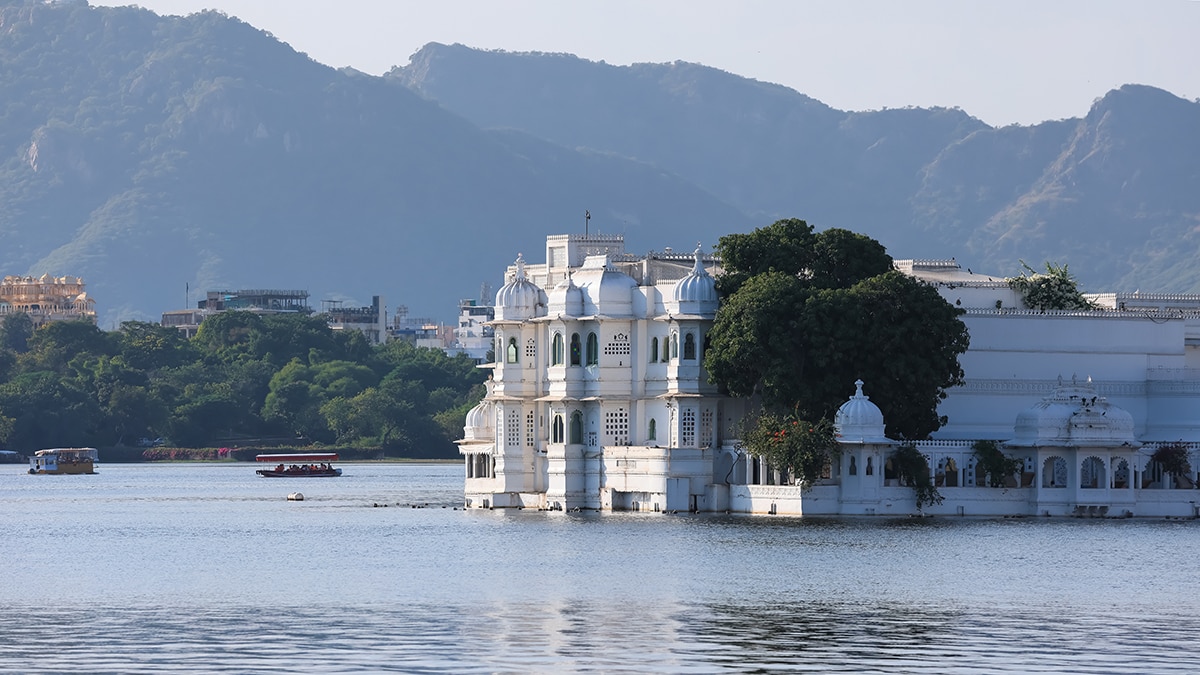
Floating Splendor
India’s lake palaces, like Udaipur’s Taj Lake Palace, rise majestically from water, blending white marble with reflections of the sky, creating a surreal, almost magical visual experience that has fascinated travelers for centuries.
- 2/6
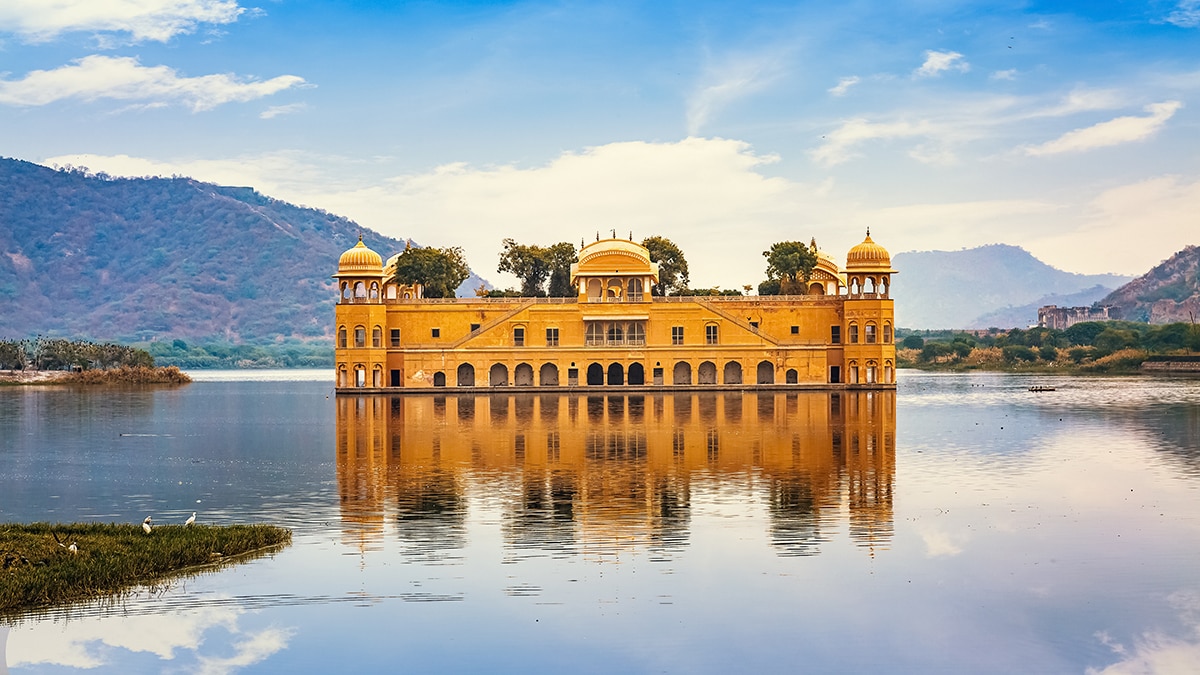
Submerged Majesty
Jaipur’s Jal Mahal seems to float, with four of its five stories disappearing beneath Man Sagar Lake during monsoons, forming an illusion that mystifies visitors and highlights the ingenious engineering of 18th-century architects.
- 3/6
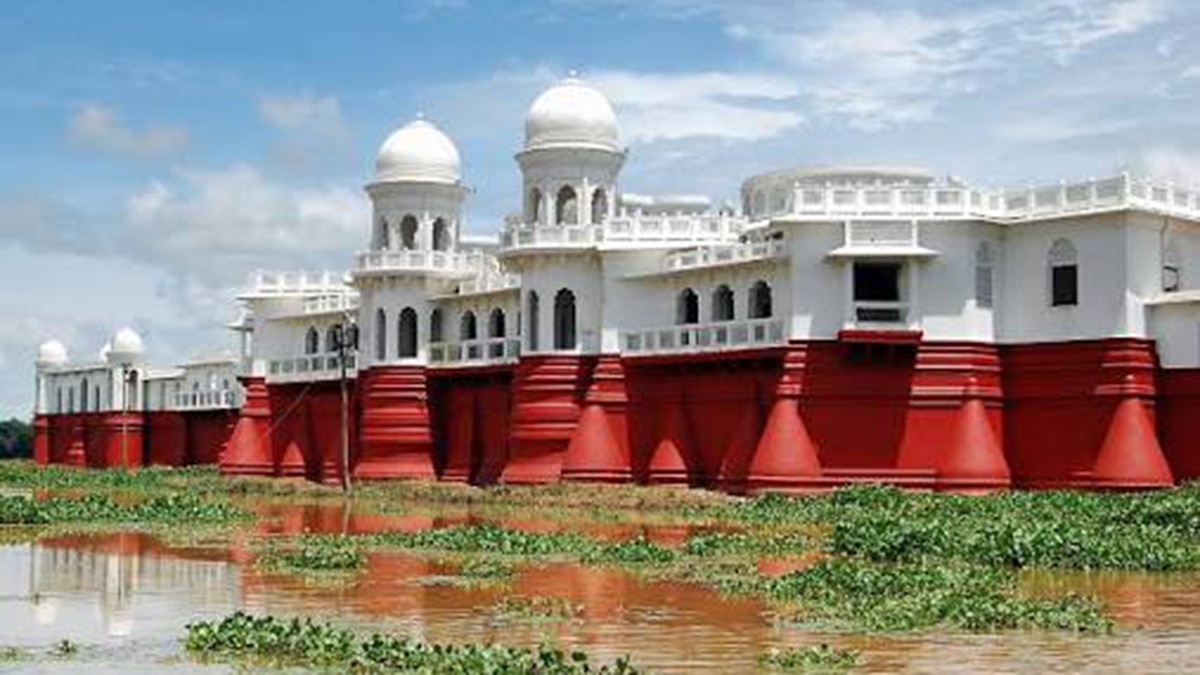
Architectural Fusion
Tripura’s Neer Mahal fuses Hindu and Mughal styles atop Rudrasagar Lake, accessible only by boat, where annual water festivals celebrate its cultural and historic significance, attracting tourists and heritage enthusiasts alike.
- 4/6
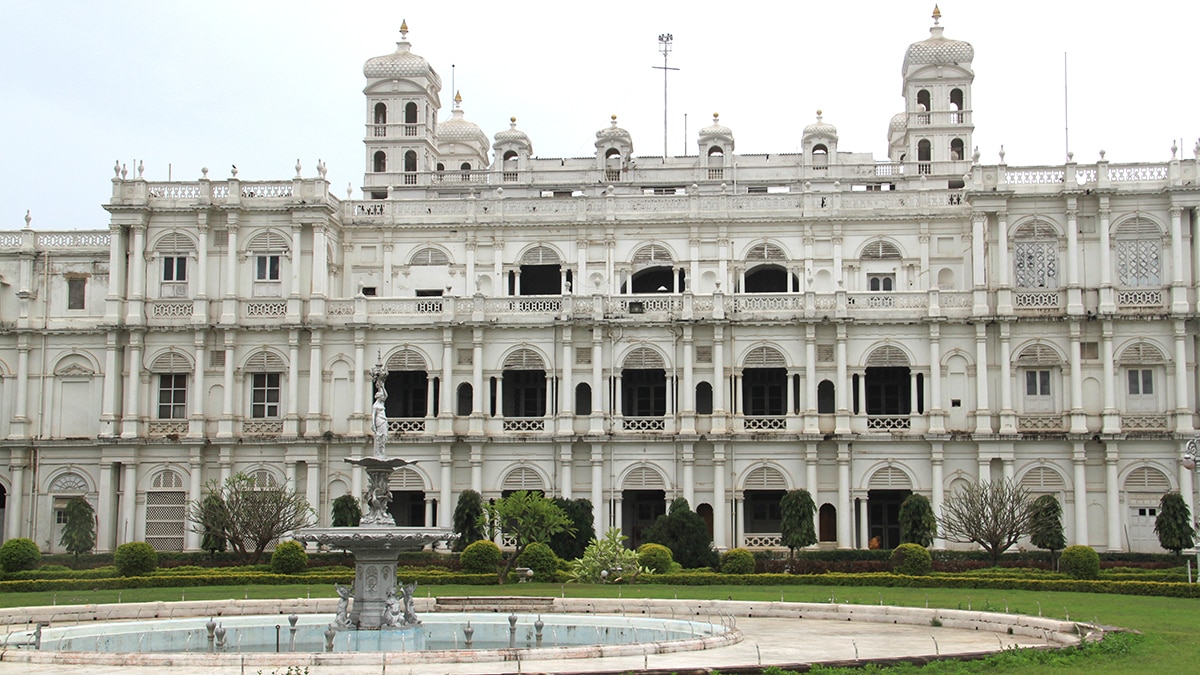
Chandeliers Galore
Gwalior’s Jai Vilas Palace dazzles with Tuscan, Italian, and Corinthian styles, hosting one of the world’s largest chandeliers in its Durbar Hall, a breathtaking symbol of 19th-century royal opulence and design mastery.
- 5/6
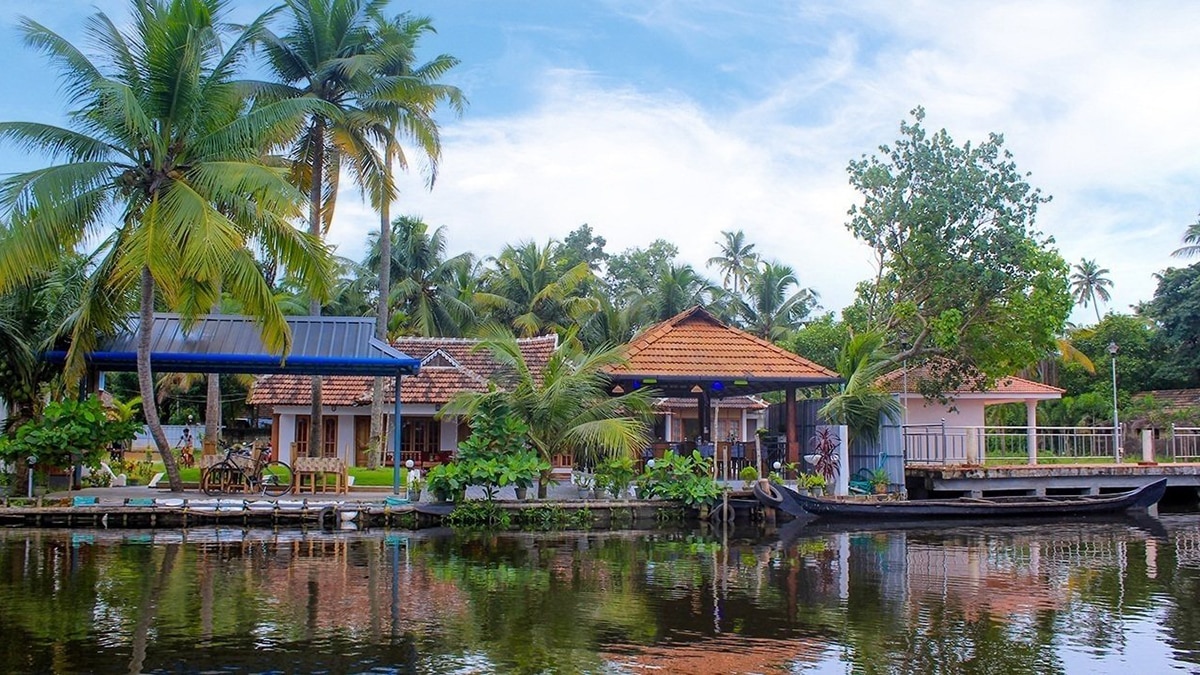
Coastal Grandeur
Kerala’s backwater mansions feature sloped roofs, intricate woodwork, and waterfront vistas. These heritage estates combine functionality with beauty, designed to complement the humid climate and interconnected waterways of the region.
- 6/6
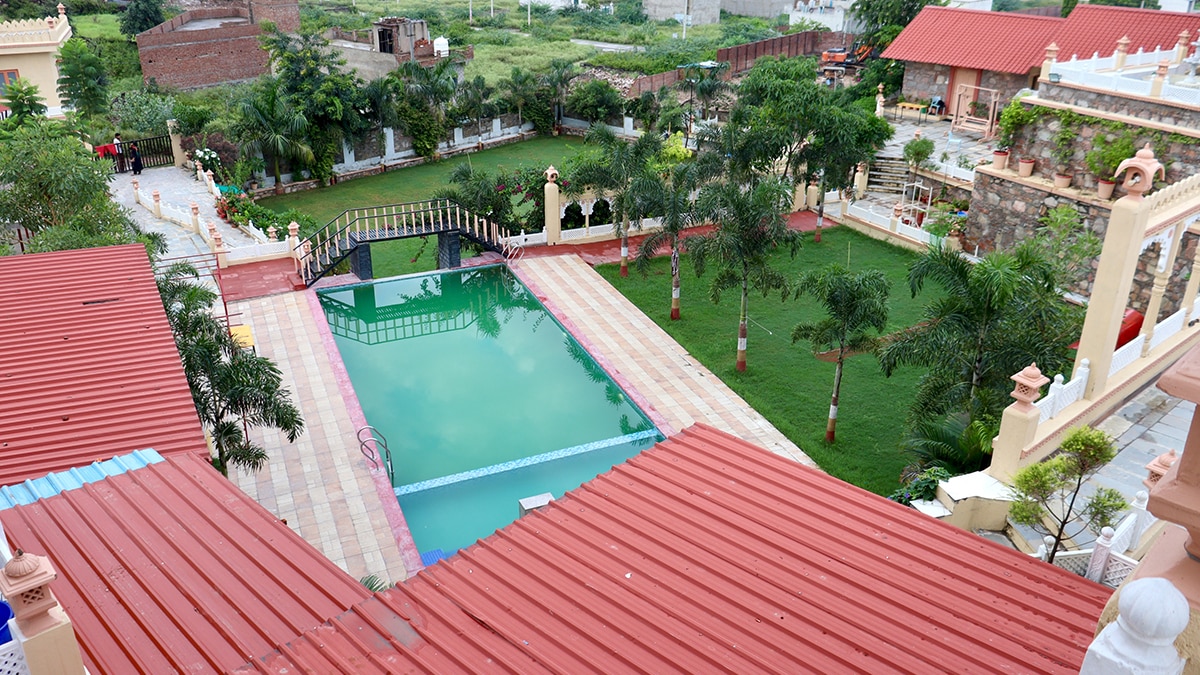
Regal Retreats
These palaces were not mere residences—they served as strategic summer retreats, hideouts, and leisure havens for royalty, showcasing a level of luxury and foresight far beyond what modern villas can offer today.