
Turning gray? Science says your body might be protecting you
A new University of Tokyo study suggests graying hair could be a self-protective mechanism — a natural defense that shuts down damaged pigment cells to prevent cancerous mutations.
- Nov 3, 2025,
- Updated Nov 3, 2025 2:15 PM IST

- 1/9
Turns out, your grays might be working for you. Scientists from the University of Tokyo found that losing hair pigment could be your body’s clever defense mechanism against cancerous cells.

- 2/9
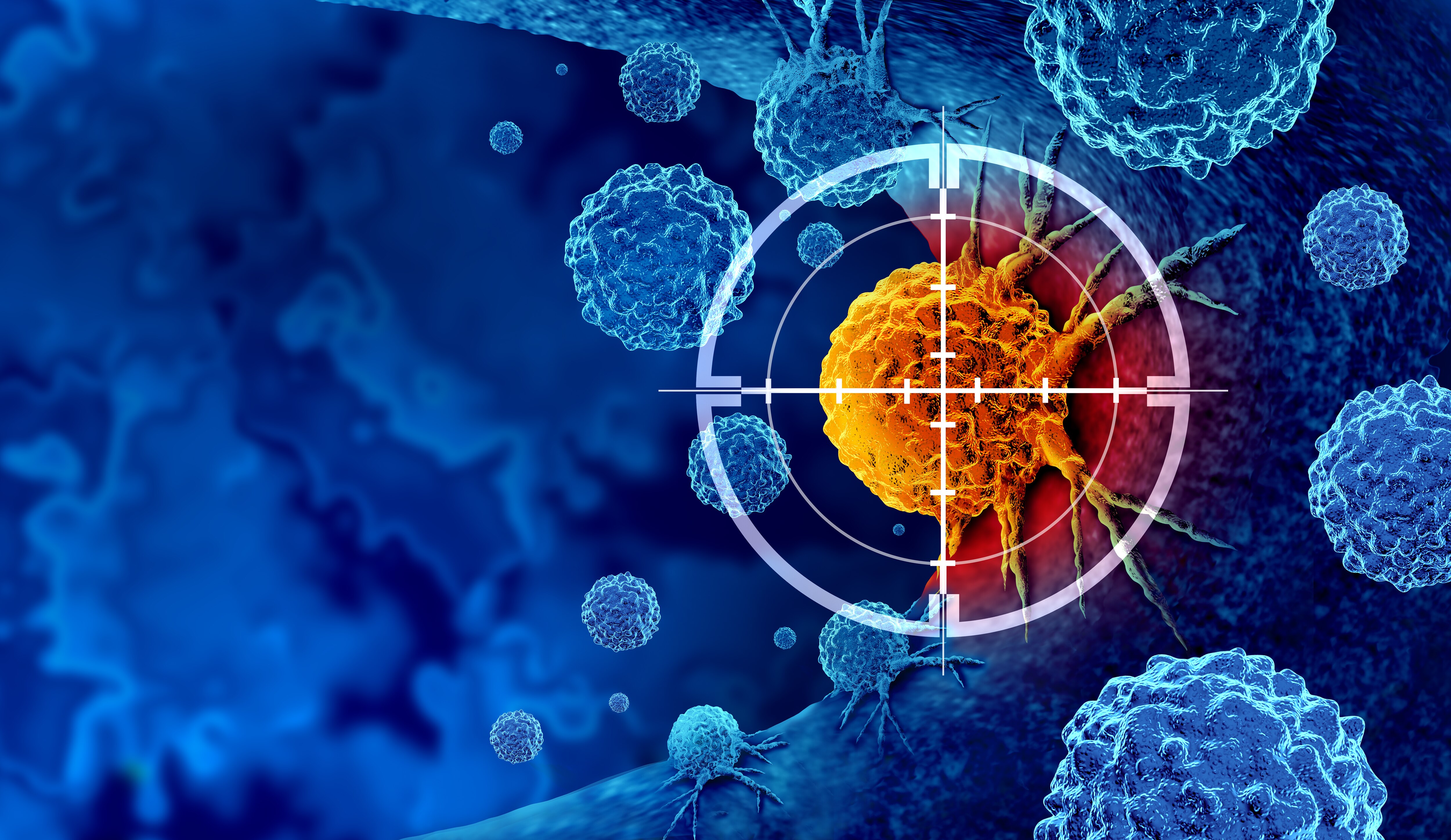
Researchers zeroed in on melanocyte stem cells — the pigment factories of your hair. When these cells detect severe DNA damage, they “retire” early, preventing dangerous mutations from spreading.
- 3/9
The new study reframes gray hair as a biological trade-off — your body might be trading vanity for safety, silencing damaged pigment cells rather than risk turning them cancerous.

- 4/9
Published in Nature Cell Biology, the study introduces the term “seno-differentiation” — a self-protective shutdown mode in stem cells that could explain both hair graying and melanoma prevention.
- 5/9
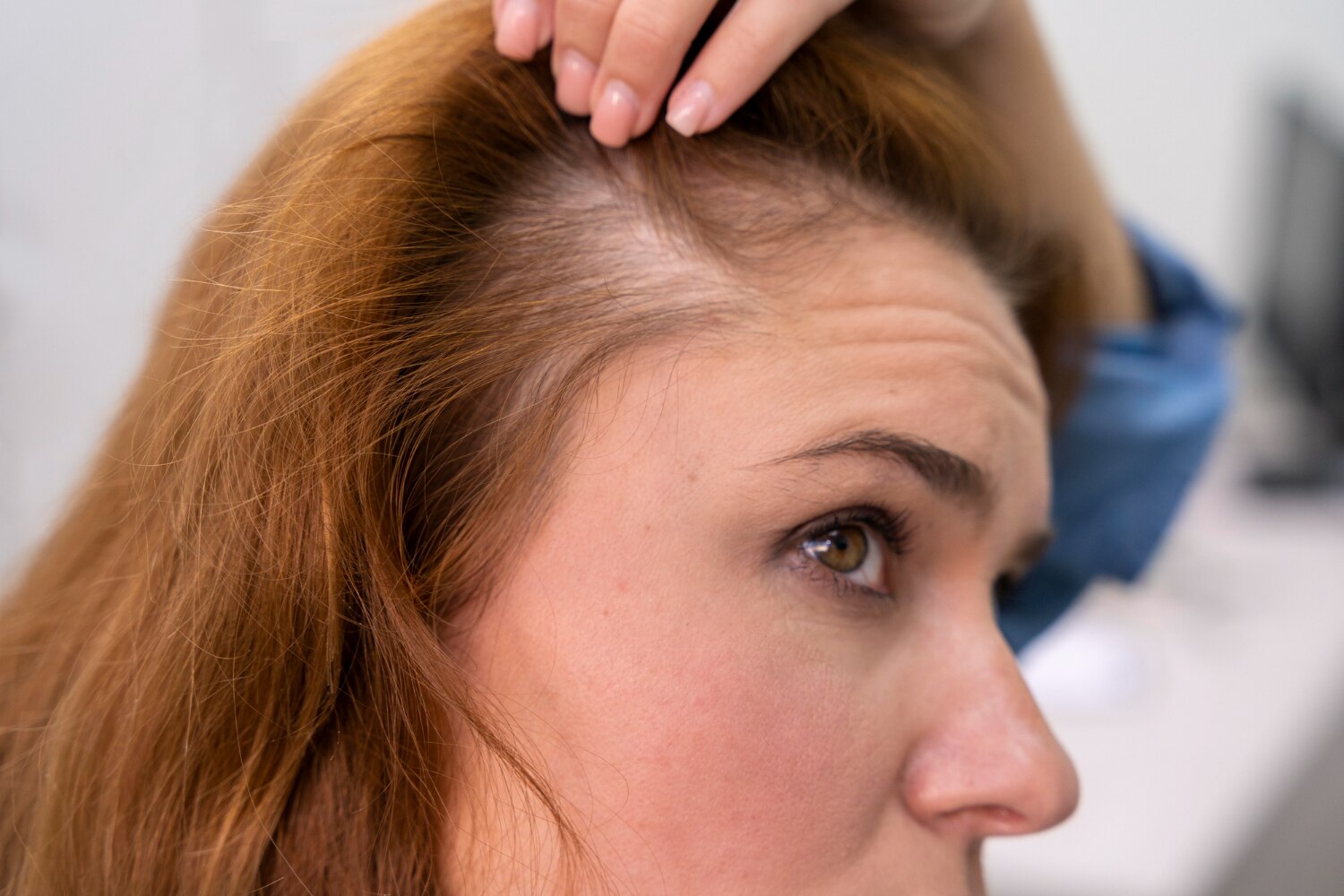
So those streaks of gray you dread? They could actually be proof your body’s internal systems are alert, responsive, and resilient — a natural badge of cellular intelligence, not just aging.

- 6/9
The Tokyo team tested this phenomenon in mice, revealing that gray hair forms when pigment cells stop renewing under DNA stress — a process that might one day guide cancer prevention research.

- 7/9
Beyond genetics, stress, smoking, and nutrient deficiencies — especially of B12, D, and iron — can speed up graying. Managing these factors keeps your pigment cells younger for longer.
- 8/9
Antioxidant-rich foods like leafy greens, berries, and nuts protect hair pigment by combating oxidative stress — the same cellular damage that can also trigger premature graying.

- 9/9
This research challenges beauty myths — your gray strands aren’t flaws, but adaptive responses. They tell a deeper story of evolution, survival, and your body’s instinct to heal itself.