
Wars that changed the world: From World War I to the Iran–Israel conflict
From World War I to the Ukraine conflict and the Iran-Israel crisis, history shows how regional wars reshape global politics, economies and alliances across decades.
- Mar 5, 2026,
- Updated Mar 5, 2026 4:17 PM IST
- 1/9
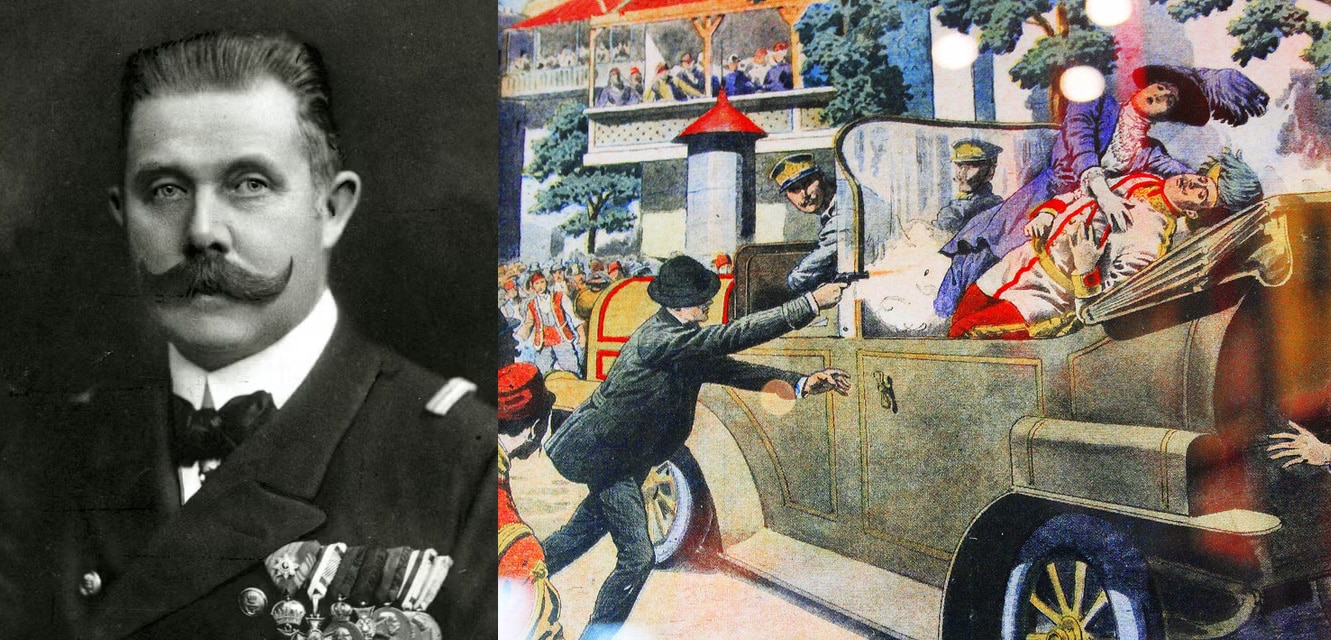
A single gunshot in Sarajevo on June 28, 1914 changed history forever. When Archduke Franz Ferdinand was assassinated, a chain reaction of alliances dragged Europe into World War I. Historians often describe it as the moment when diplomacy collapsed and modern global warfare began.
- 2/9
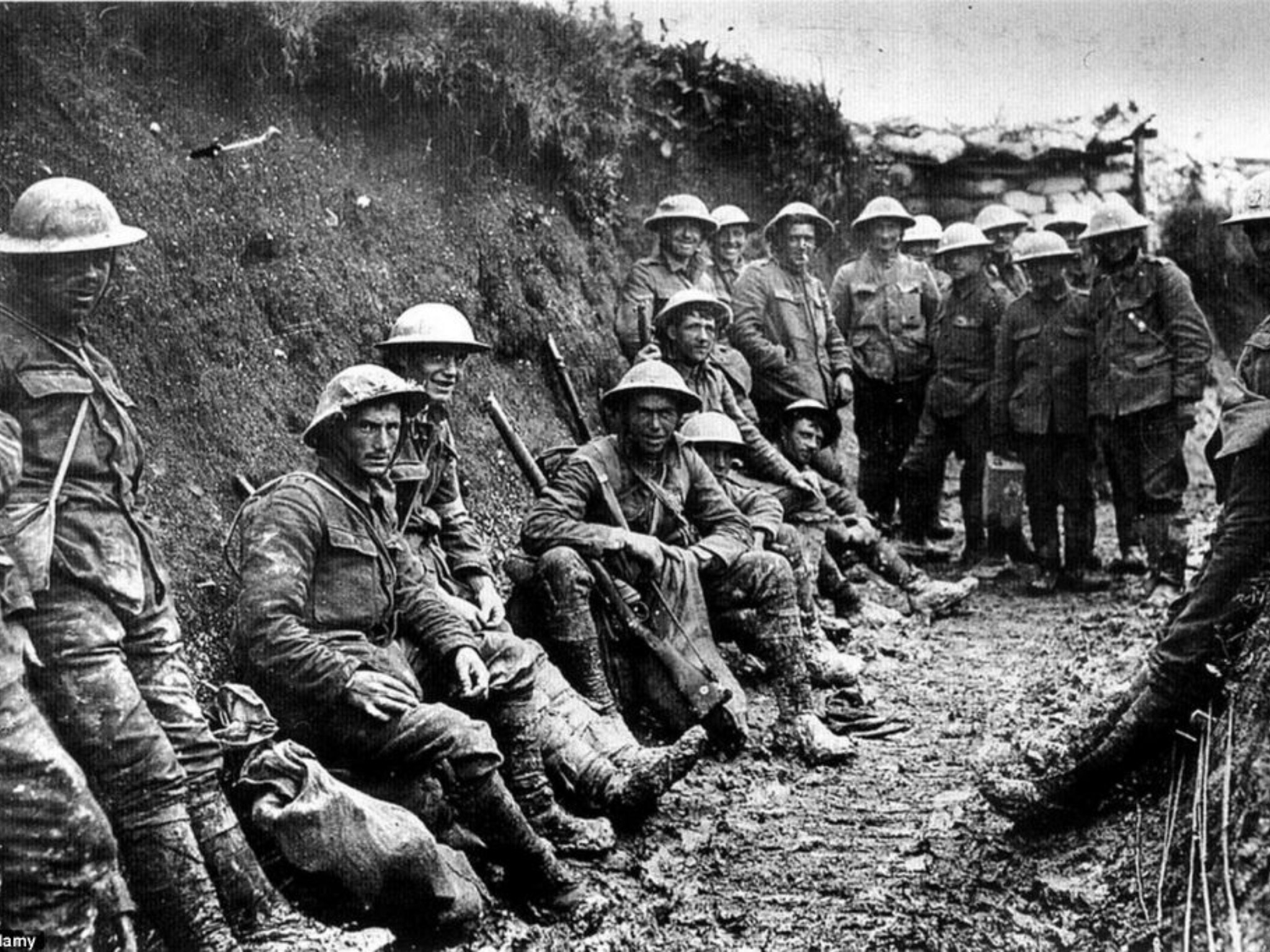
World War I quickly became a domino war. What began as a regional crisis between Austria-Hungary and Serbia escalated into a global conflict involving Britain, France, Russia, Germany and later the United States. By 1918, the war had reshaped borders and geopolitics.
- 3/9
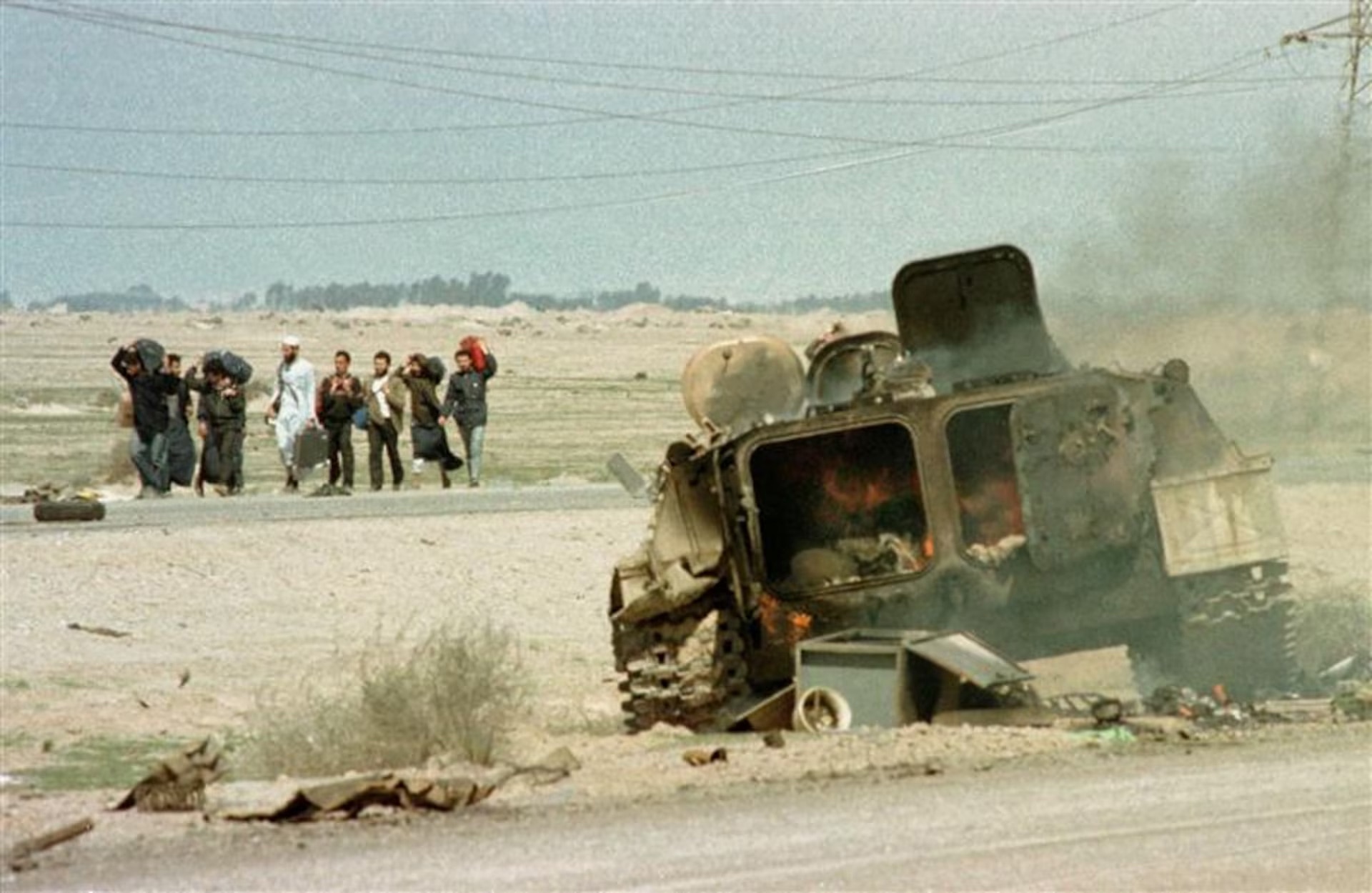
The 1991 Gulf War demonstrated the power of modern coalition warfare. After Iraq invaded Kuwait, a US-led alliance launched Operation Desert Storm. Satellite-guided weapons and precision bombing introduced a new era of high-tech warfare watched live on television worldwide.
- 4/9
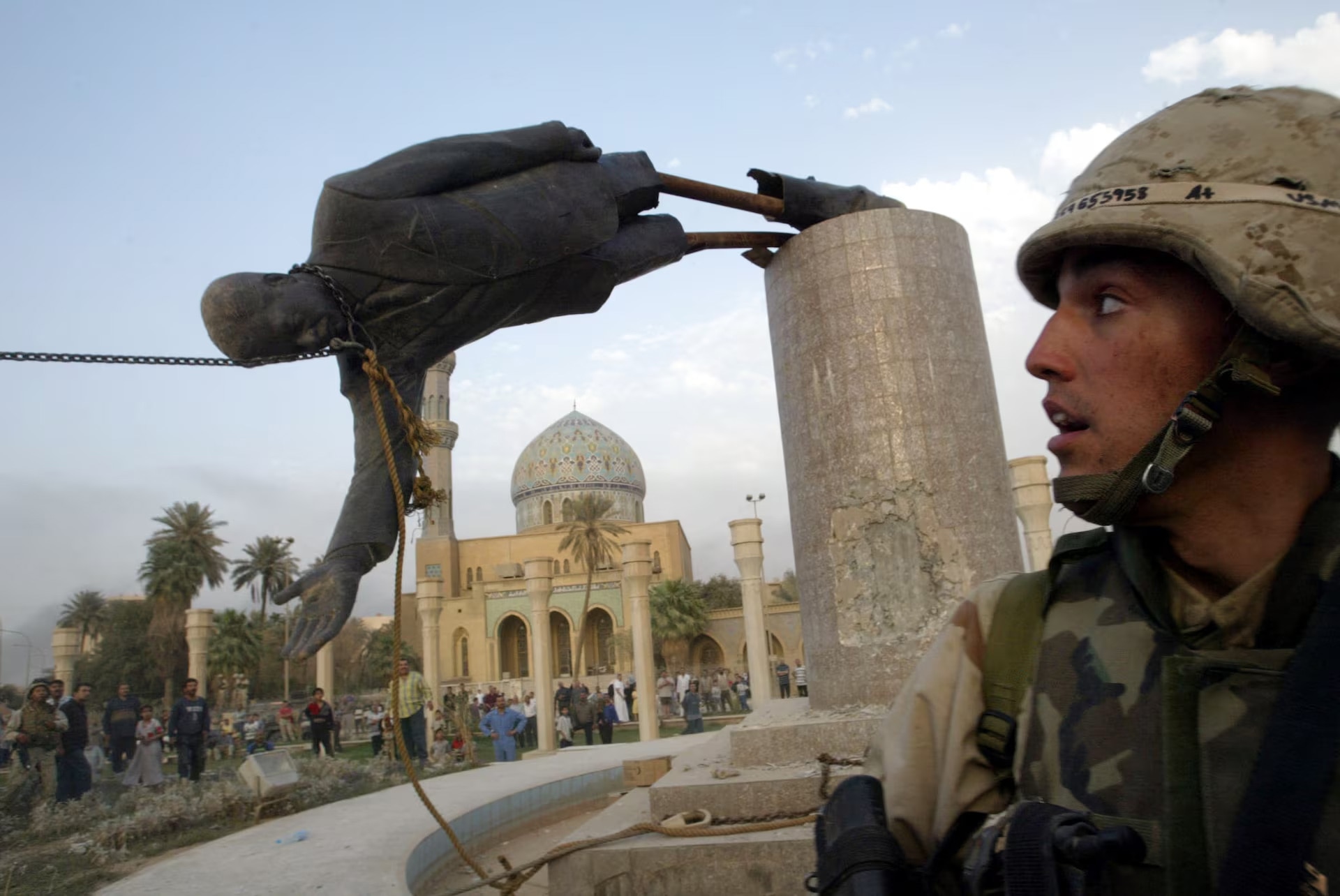
In 2003, the US invasion of Iraq toppled Saddam Hussein’s government within weeks. Yet the fall of Baghdad opened the door to years of insurgency, instability and geopolitical shifts across the Middle East, transforming regional politics and global security debates.
- 5/9
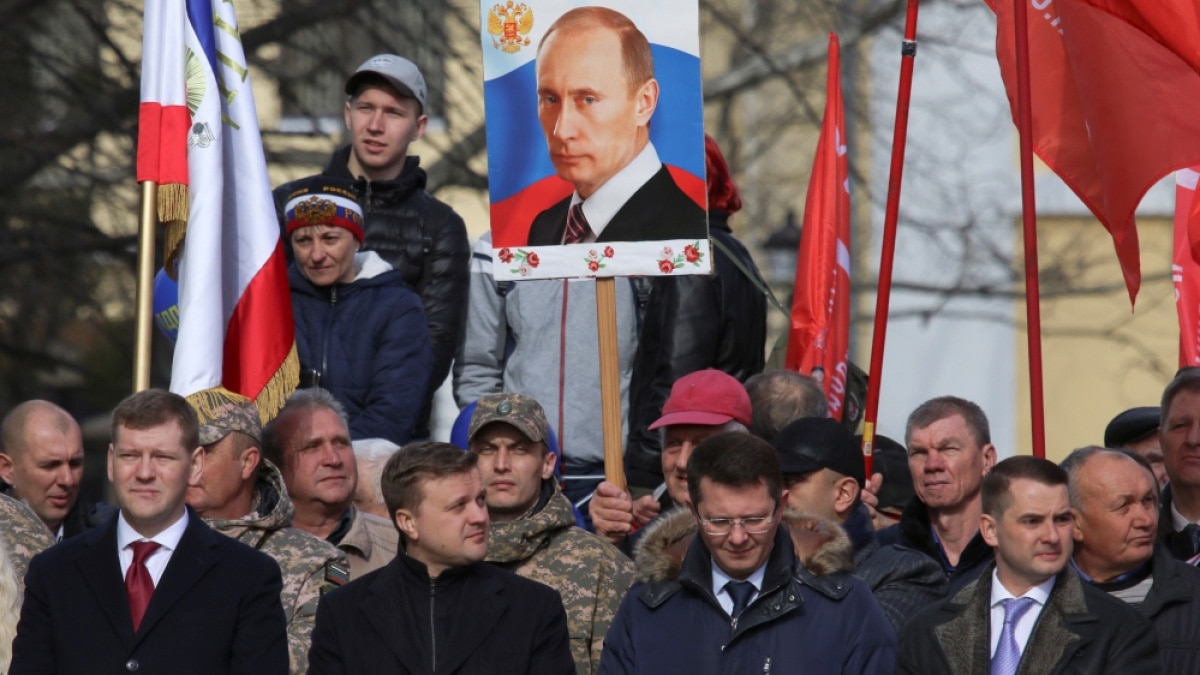
Russia’s annexation of Crimea in 2014 ignited tensions that later erupted into the full-scale Ukraine war in 2022. The conflict revived Cold War-style rivalries, triggered sweeping sanctions and forced NATO and European nations to rethink defense strategies.
- 6/9
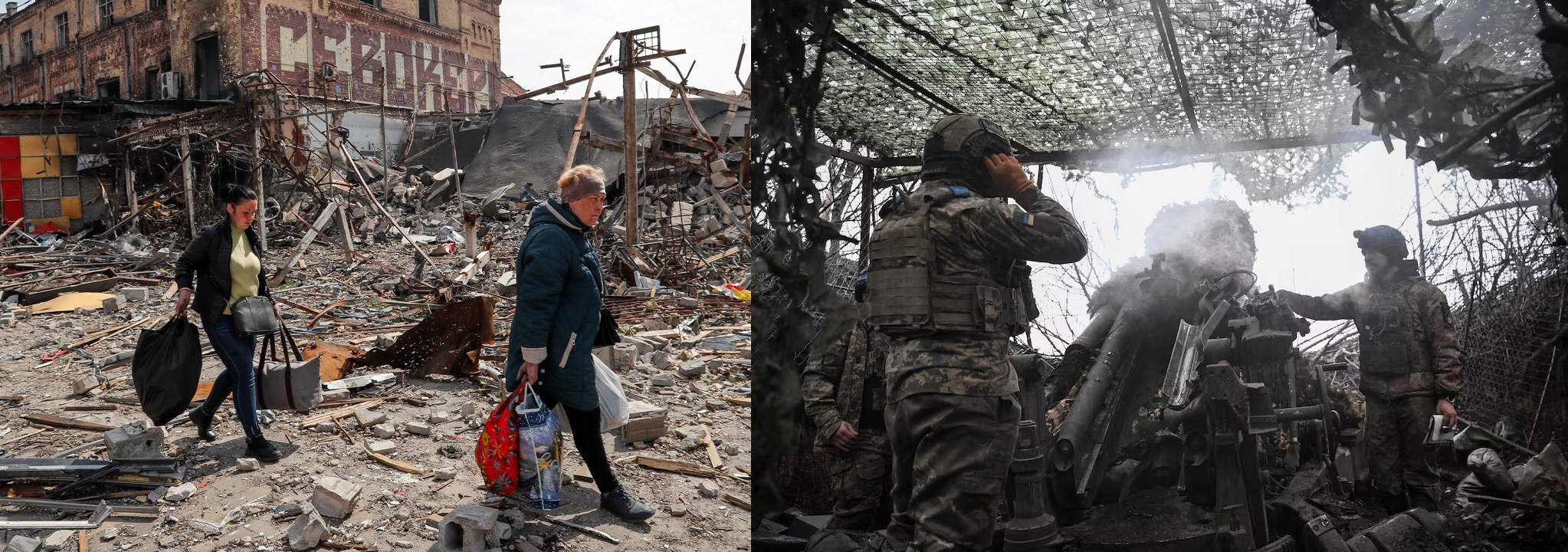
The Ukraine war also introduced a new kind of warfare. Drones, cyber operations and satellite intelligence became everyday tools on the battlefield. Military analysts say it may define how future wars are fought across both physical and digital fronts.
- 7/9
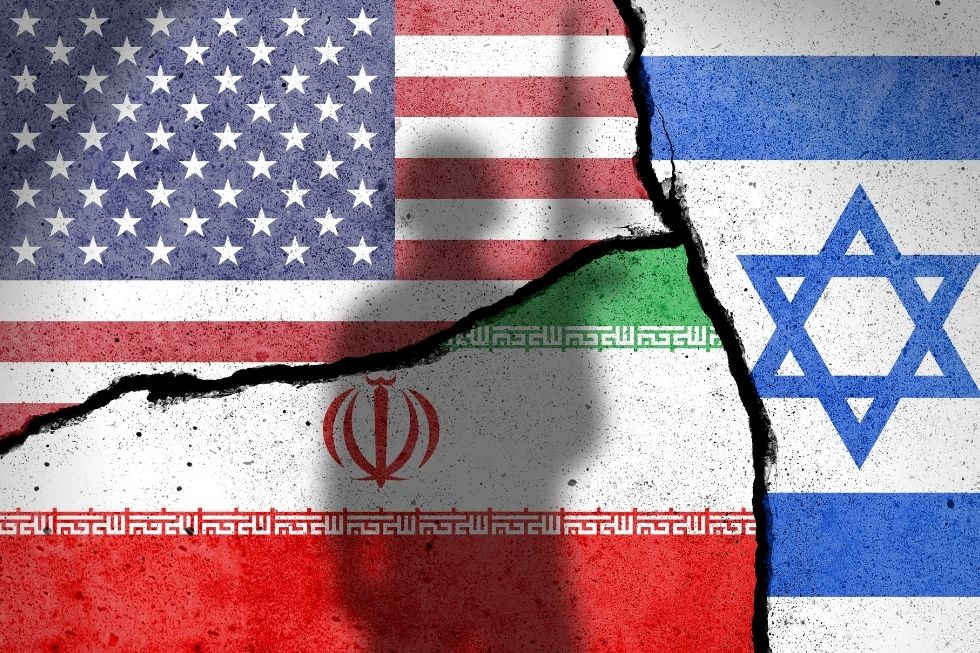
Today’s Iran-Israel confrontation risks turning the Middle East into another flashpoint with global consequences. Analysts warn that regional conflicts rarely stay contained here, especially when energy routes, strategic alliances and nuclear tensions are involved.

- 8/9
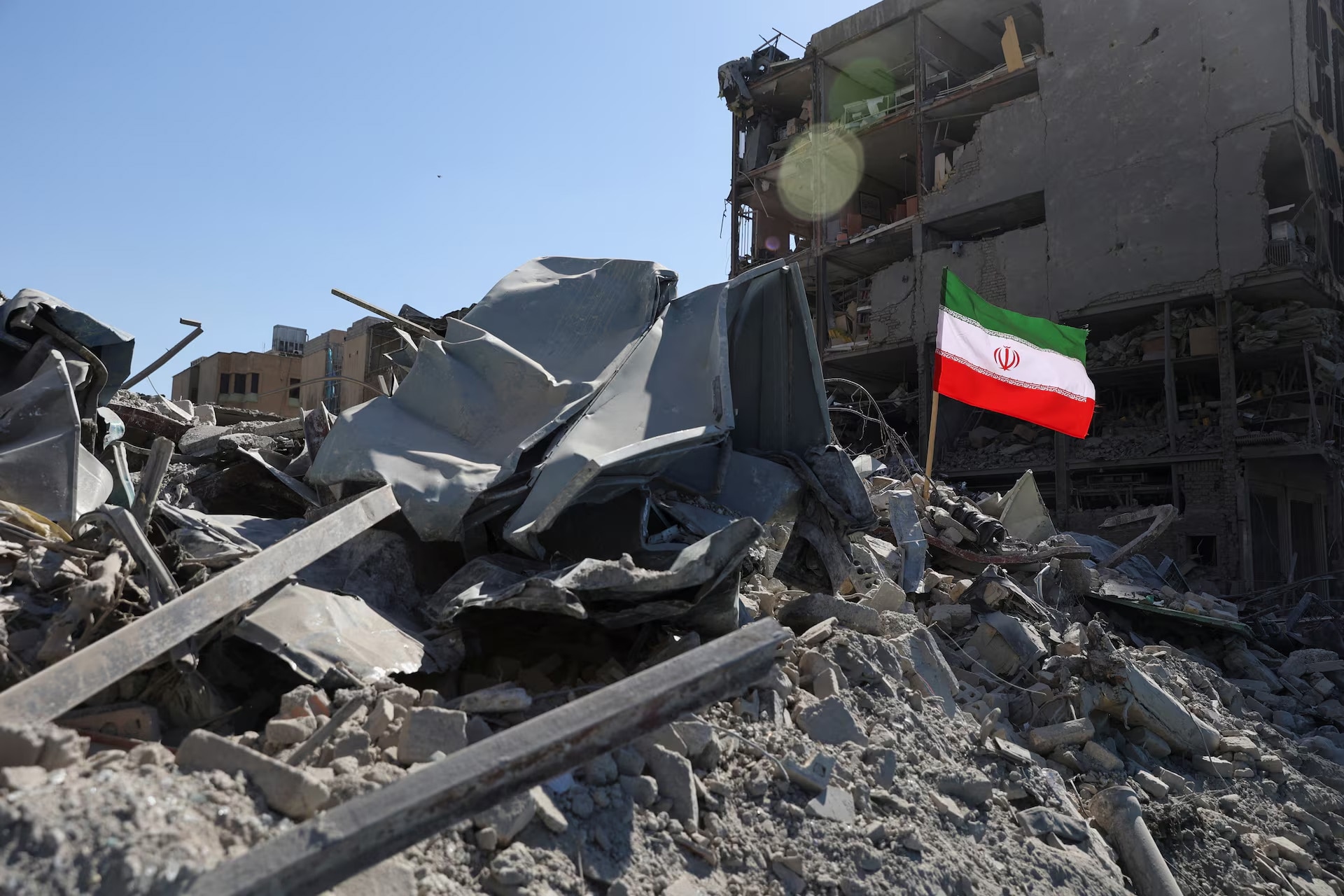
History shows that wars rarely stay confined to battlefields. Conflicts in the Middle East have repeatedly shaken global energy markets. When oil supply routes face disruption, fuel prices surge and ripple through economies from Asia to Europe.
- 9/9
From Sarajevo to Baghdad to Kyiv and Tehran, history reveals a pattern: conflicts that begin locally often spiral into global crises. Political scientists warn that in a tightly connected world, even small sparks can ignite geopolitical fires.