
What Really Happens If You’re Lost in Space
Being lost in space exposes the human body to vacuum, hypoxia, radiation, micrometeoroids, and extreme cold, making survival impossible and creating eerie, preserved remains.
- Jul 14, 2026,
- Updated Jul 14, 2026 3:53 PM IST
- 1/7
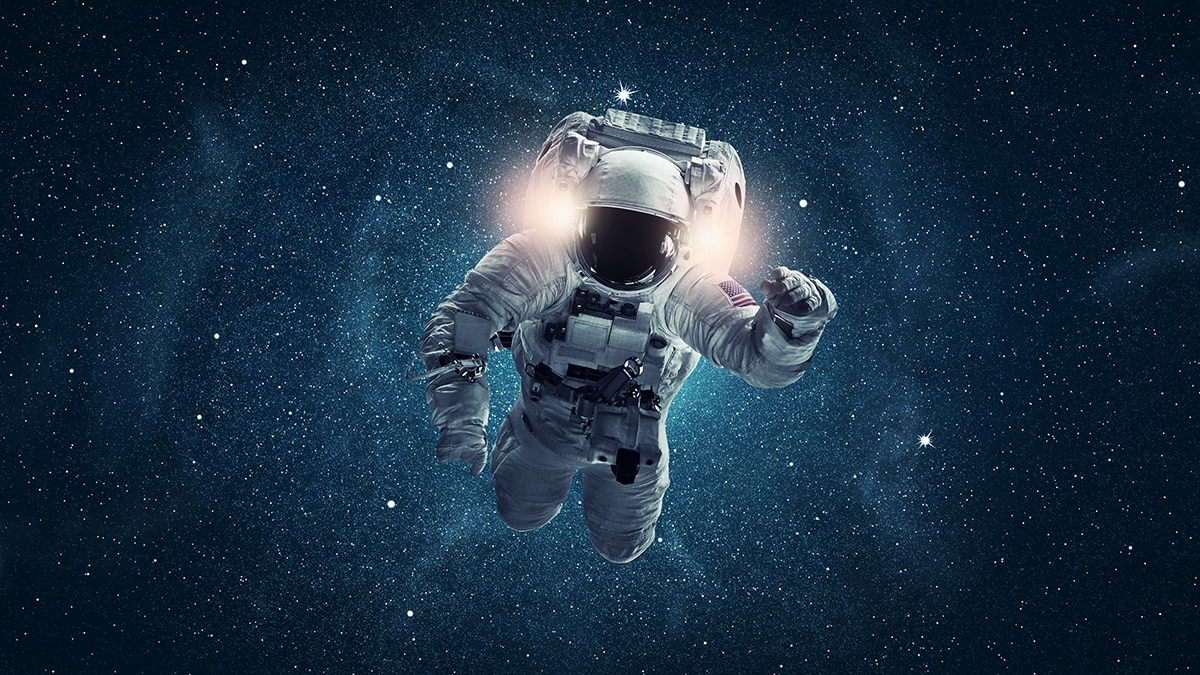
Void Exposure
Drifting untethered in the endless vacuum of space exposes the body to zero pressure. Blood boils, lungs rupture, and consciousness fades within seconds, turning sci-fi horror into biological reality.
- 2/7
Oxygen Countdown
Even in a spacesuit, oxygen is finite. Hypoxia strikes after 6–8 hours without replenishment, leaving astronauts unable to sustain life, underscoring the life-or-death precision of space survival.
- 3/7
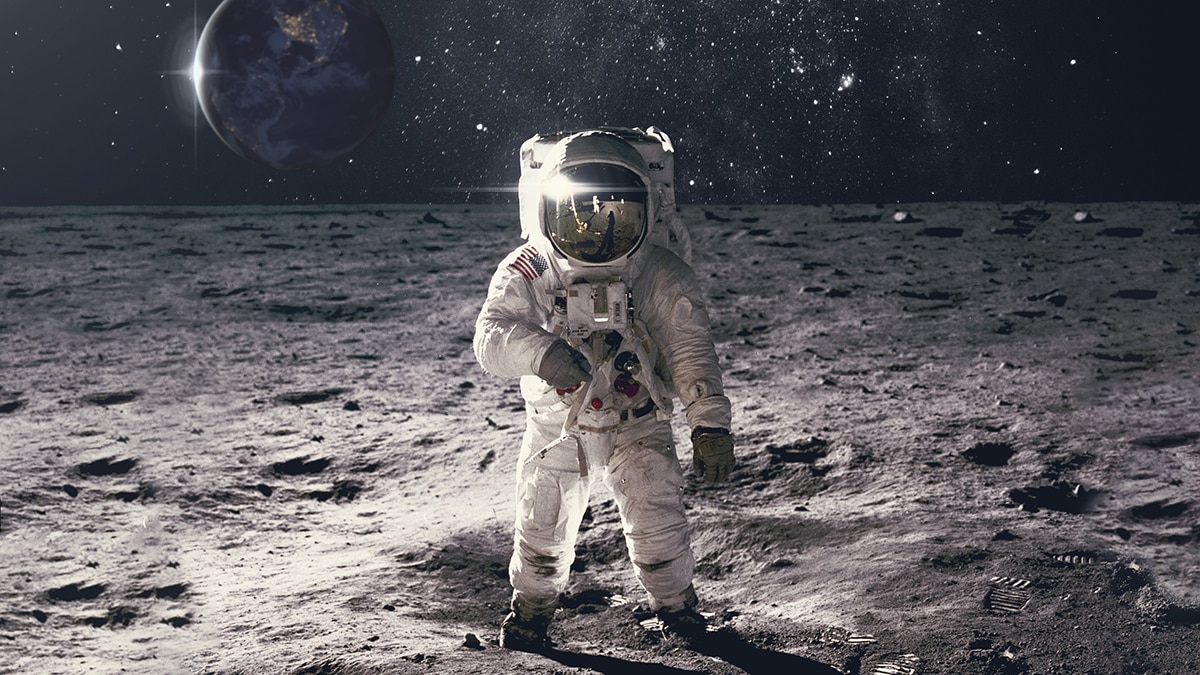
Cosmic Freeze
Without atmospheric protection, bodies encounter extreme cold and radiation. Soft tissue can freeze or dry into a jerky-like state, creating an eerie, preserved presence for centuries in orbit.
- 4/7
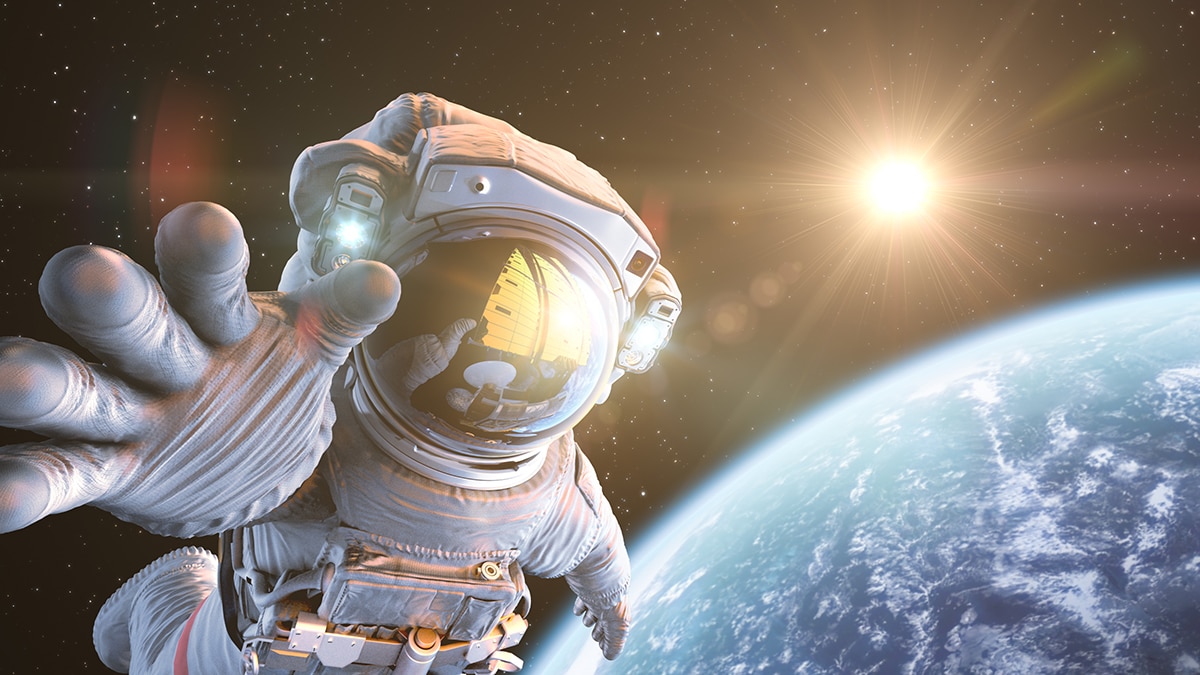
Micrometeoroid Hazard
Tiny, high-velocity particles hurtling through space pose lethal risk. Even the smallest meteoroid can puncture protective suits, illustrating how space debris transforms a lonely drift into an instant disaster zone.
- 5/7
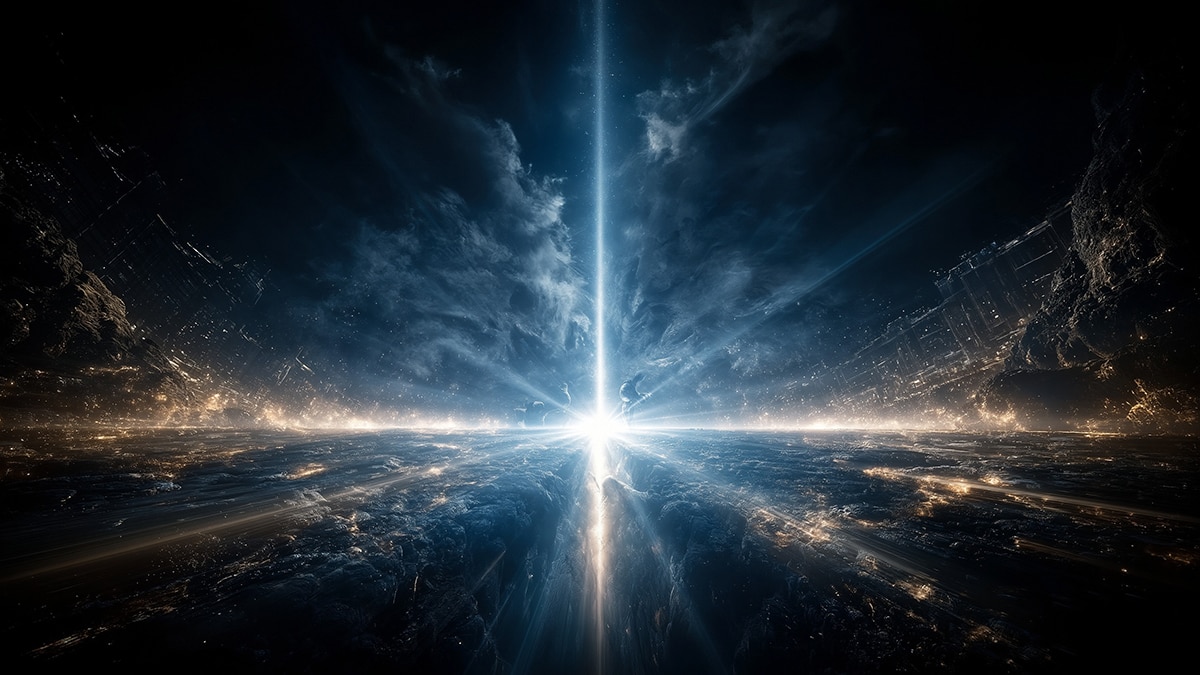
Solar Siege
Astronauts are bombarded by cosmic rays and solar winds. Without a shielded suit, these charged particles would damage DNA and vital organs, making survival impossible and scientific study the only remnant.
- 6/7
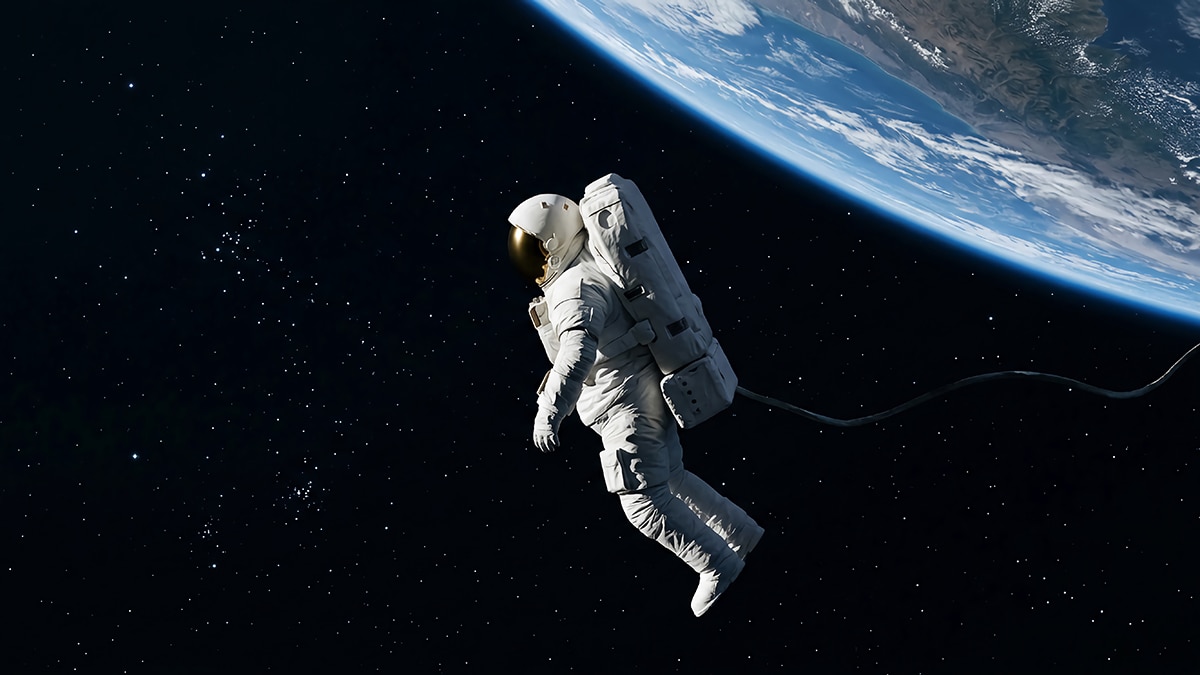
Orbit Eternity
A body lost in orbit can circle the Earth for decades, gradually breaking apart or drifting into deep space. Death here doesn’t mean stillness; it means endless travel through the cosmic void.
- 7/7
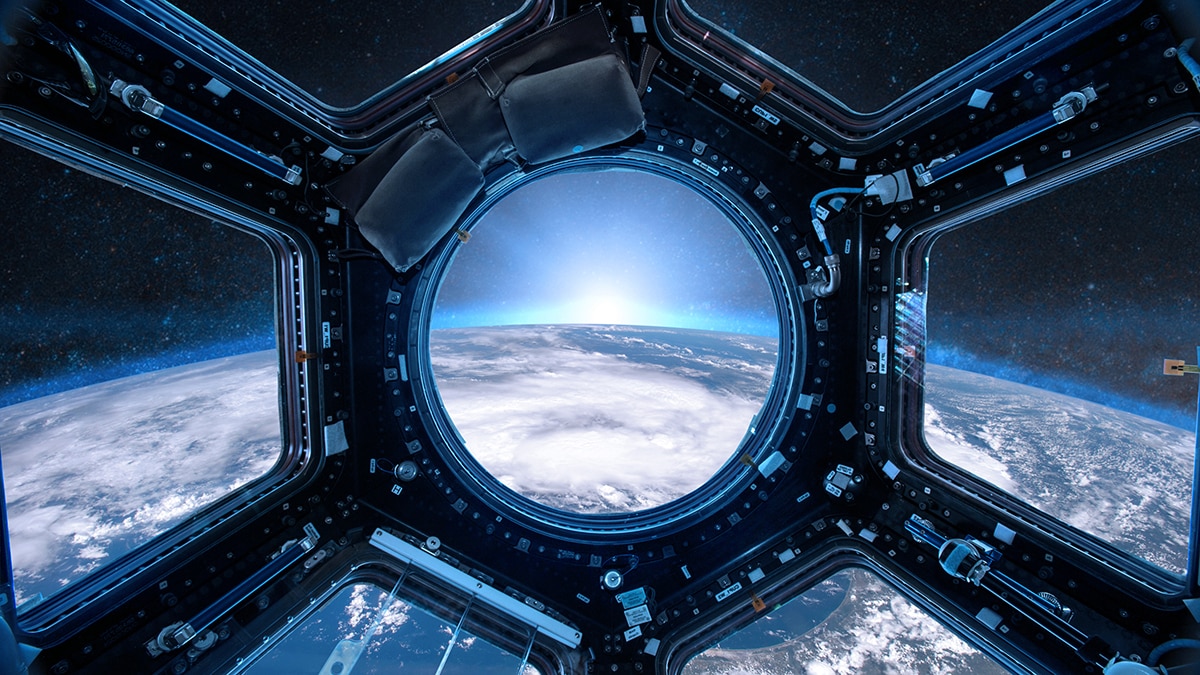
ISS Protocols
Even aboard the International Space Station, sudden death has no simple solution. Bodies must be stored or jettisoned carefully, revealing the logistical, ethical, and technological challenges of human mortality in space.