
Who was Ali Yusuf Harshi? Hezbollah chief's nephew killed in Beirut strike
Israel kills Ali Yusuf Harshi, personal secretary and nephew of Hezbollah chief Naim Qassem, in a Beirut airstrike amid escalating strikes across Lebanon.
- Apr 9, 2026,
- Updated Apr 9, 2026 3:32 PM IST
- 1/9
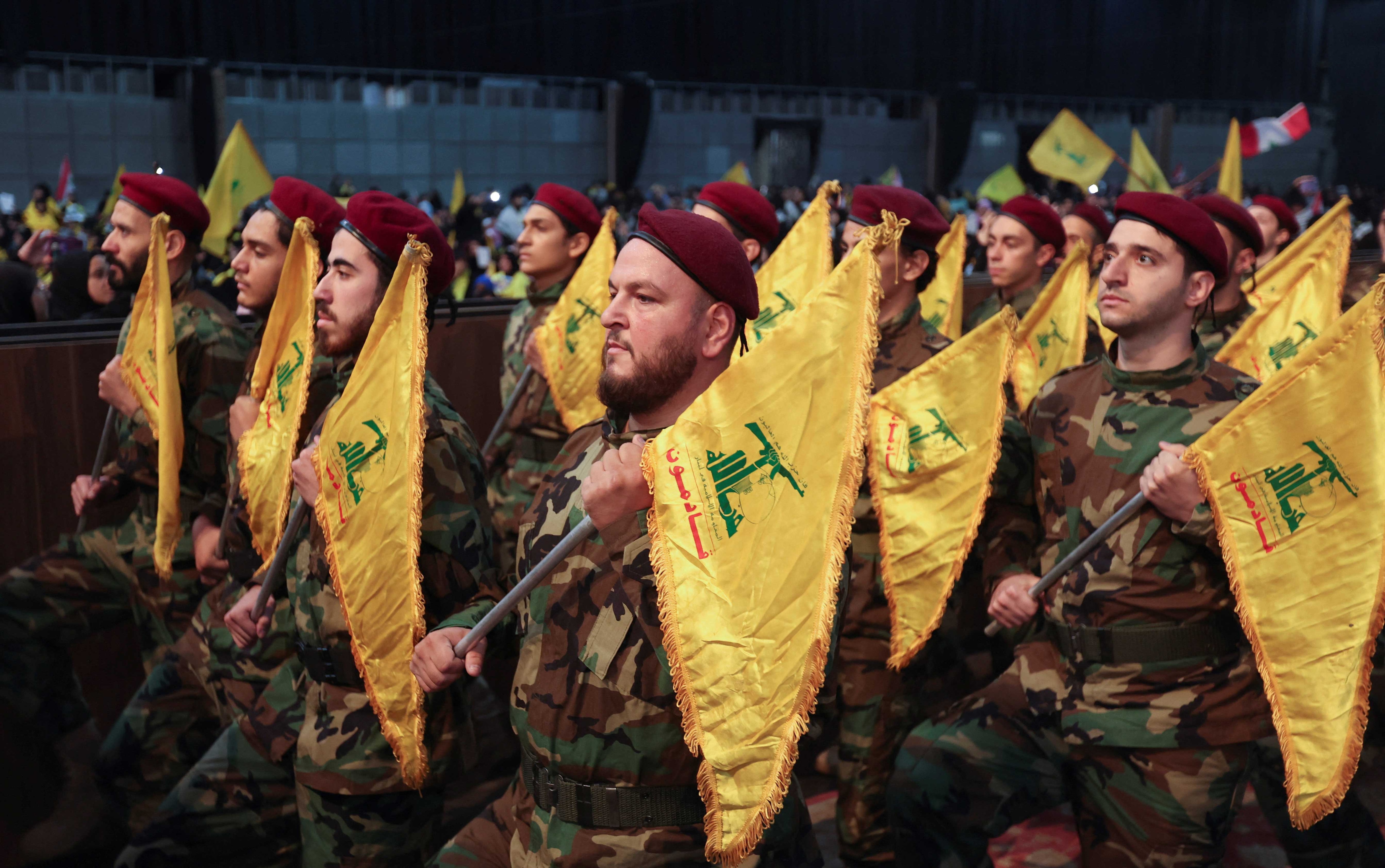
Ali Yusuf Harshi wasn't a name that made headlines — until now. He was the nephew and close adviser of Hezbollah chief Naim Qassem, serving as his personal secretary and playing a central role in managing and securing Qassem's office. A figure who operated in the shadows — until an Israeli strike brought him into the spotlight.
- 2/9
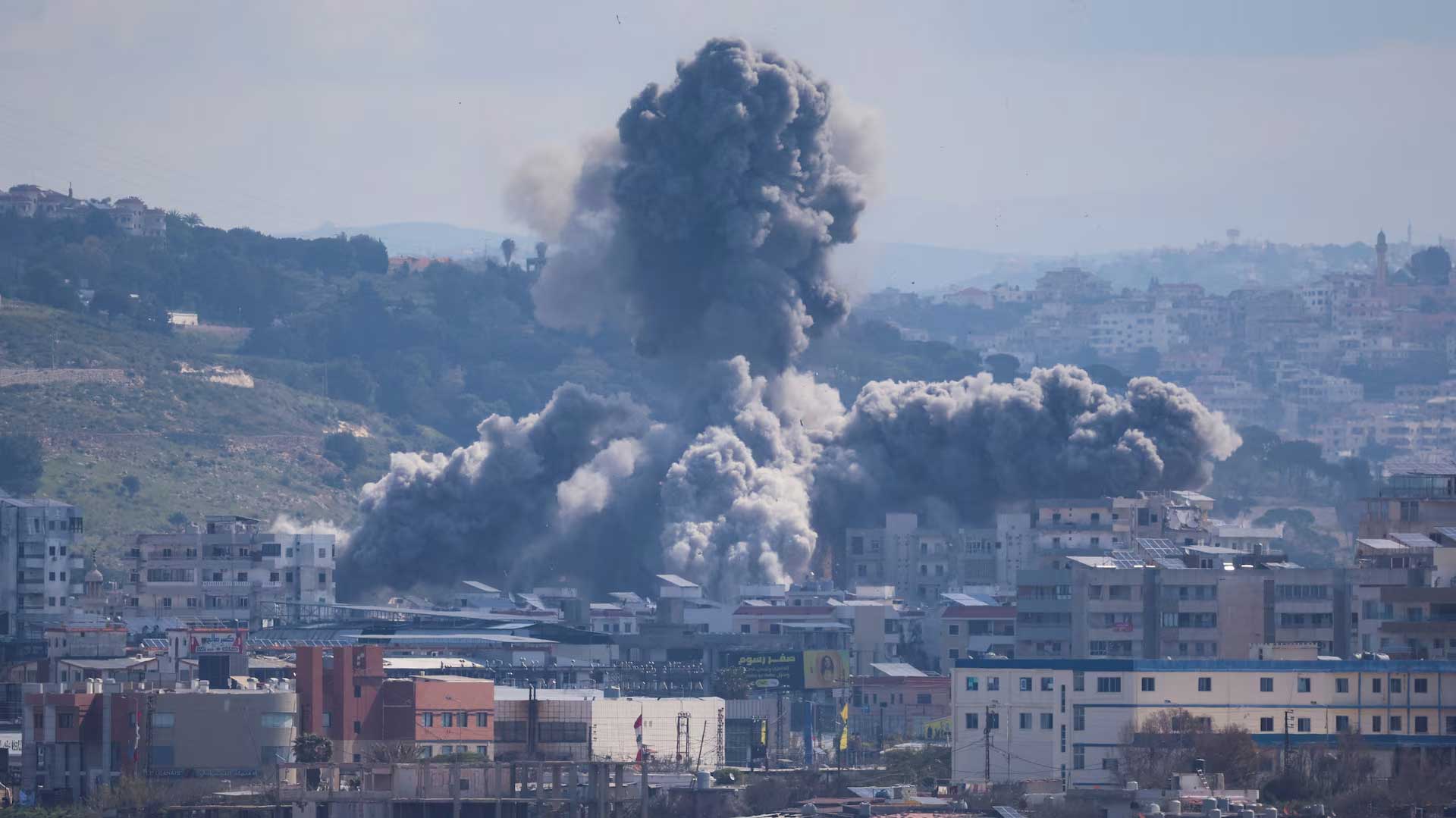
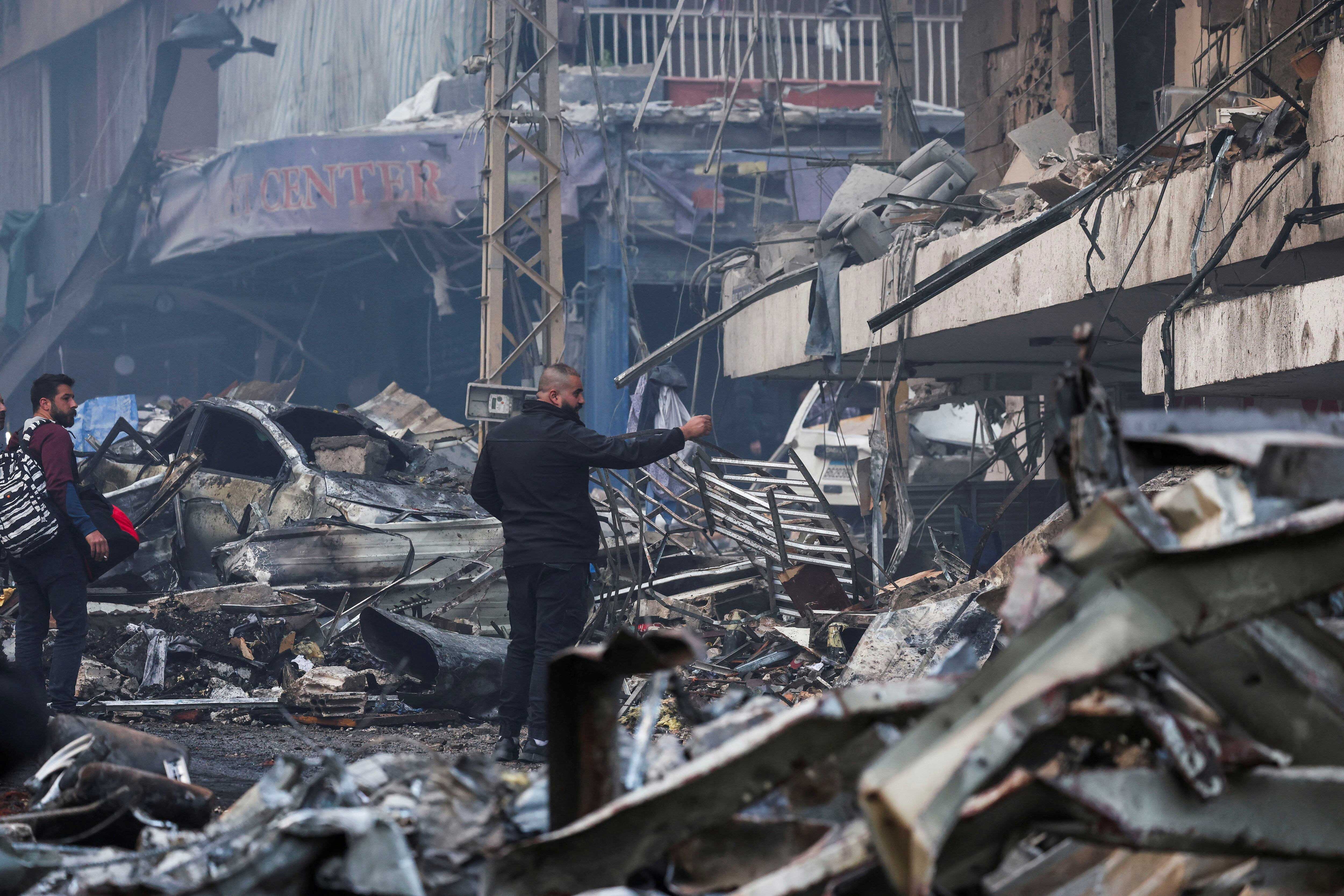
Overnight attacks on Lebanon's capital Beirut killed Harshi, the IDF announced on Thursday morning. He was targeted in a strike in Beirut's Tallet Khayat neighbourhood — notably outside of Hezbollah's traditional Dahiyeh stronghold.
- 3/9
The IDF made no attempt to downplay the significance of the killing. It described Harshi as a close associate and personal advisor who played a key role in managing and securing Hezbollah Secretary-General Naim Qassem's office.
- 4/9
According to the Israeli army, Harshi was not only Qassem's personal secretary — he was also his brother's son, making this both an operational and deeply personal blow to the Hezbollah leadership. Family and power, intertwined.
- 5/9
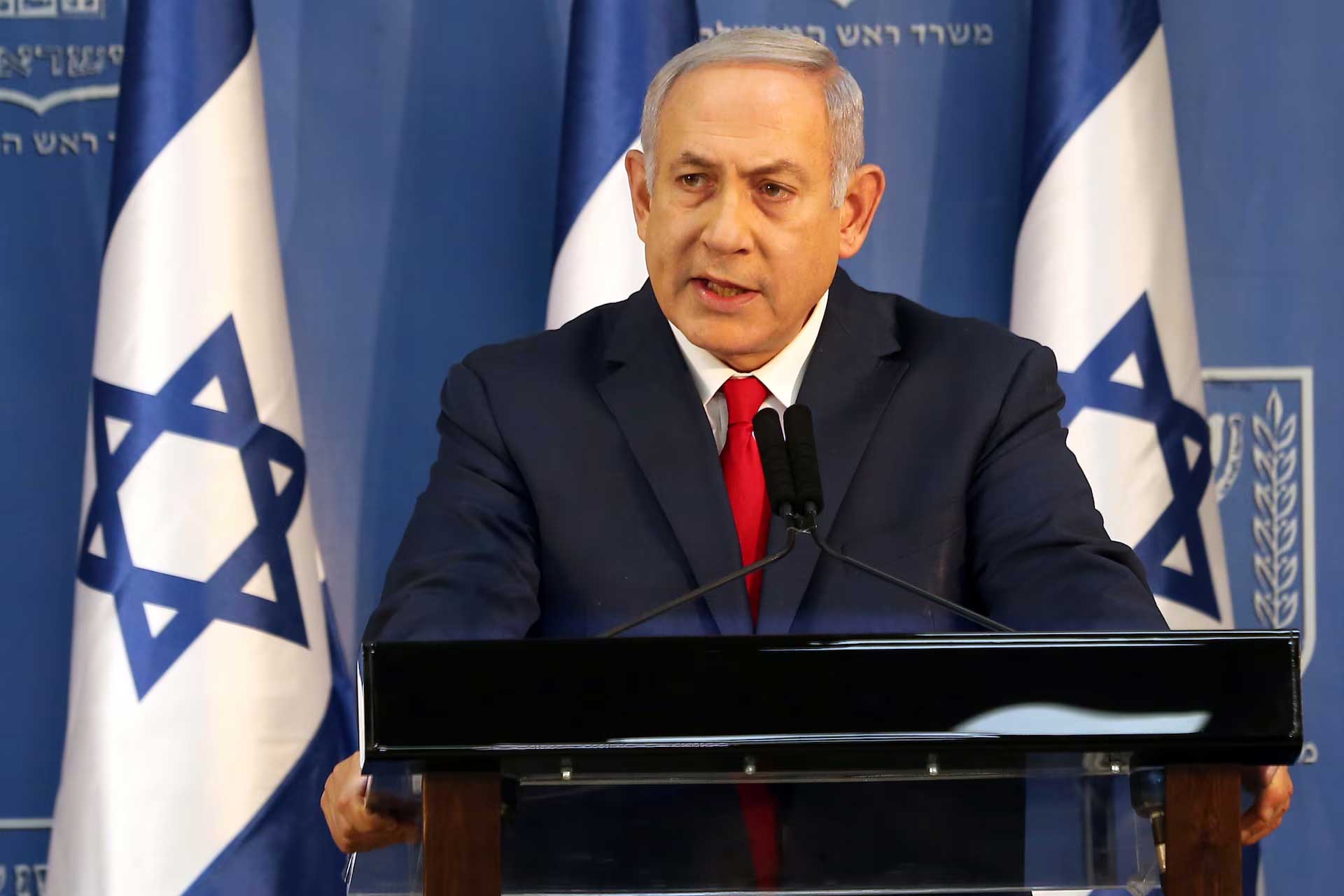
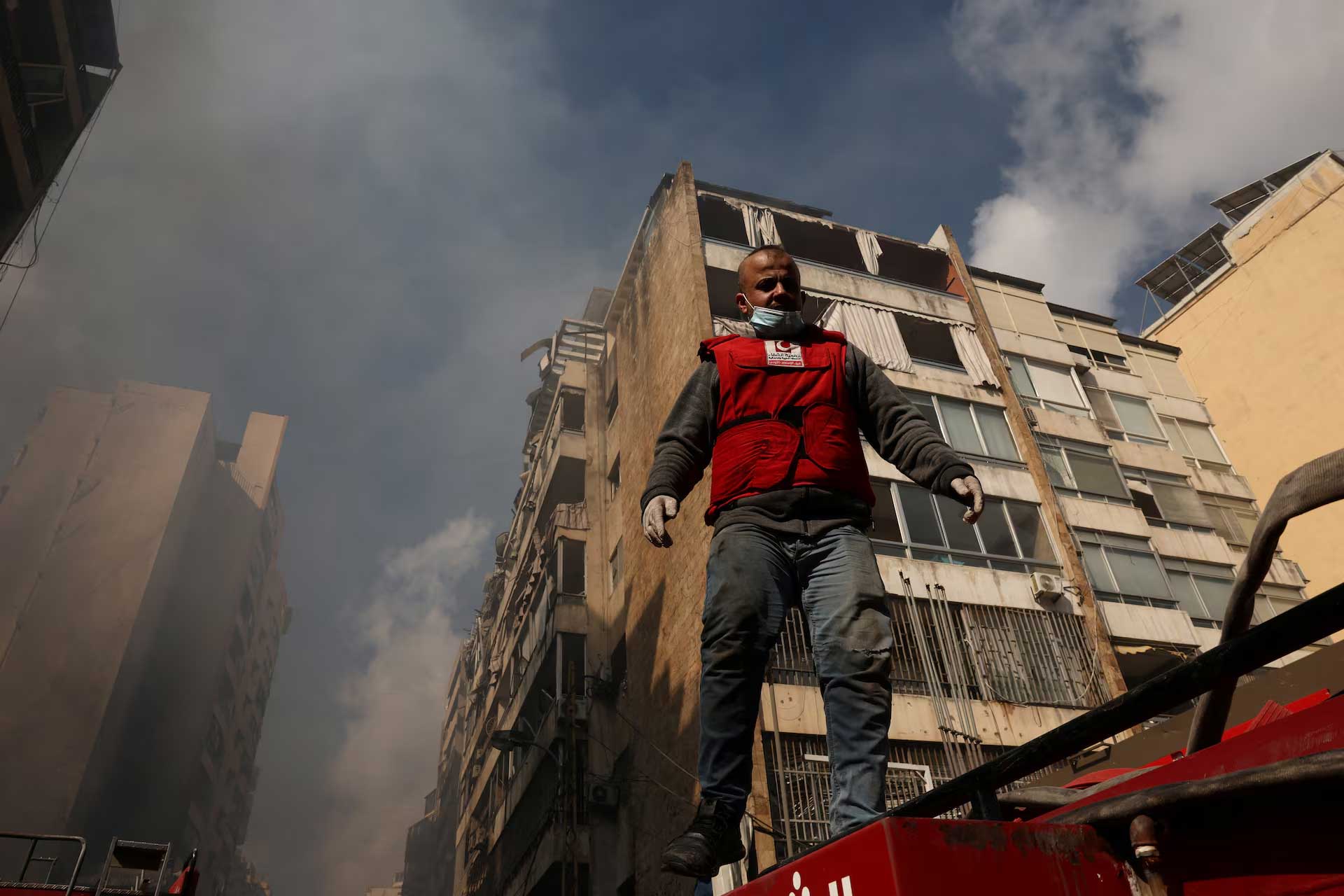
Harshi's killing was not an isolated event. Israeli attacks battered Lebanon on Wednesday, with the IDF stating its fight with the Iran-backed Hezbollah militant group falls outside the scope of the two-week US-Iran ceasefire deal. Beirut bore the brunt of a major escalation.
- 6/9
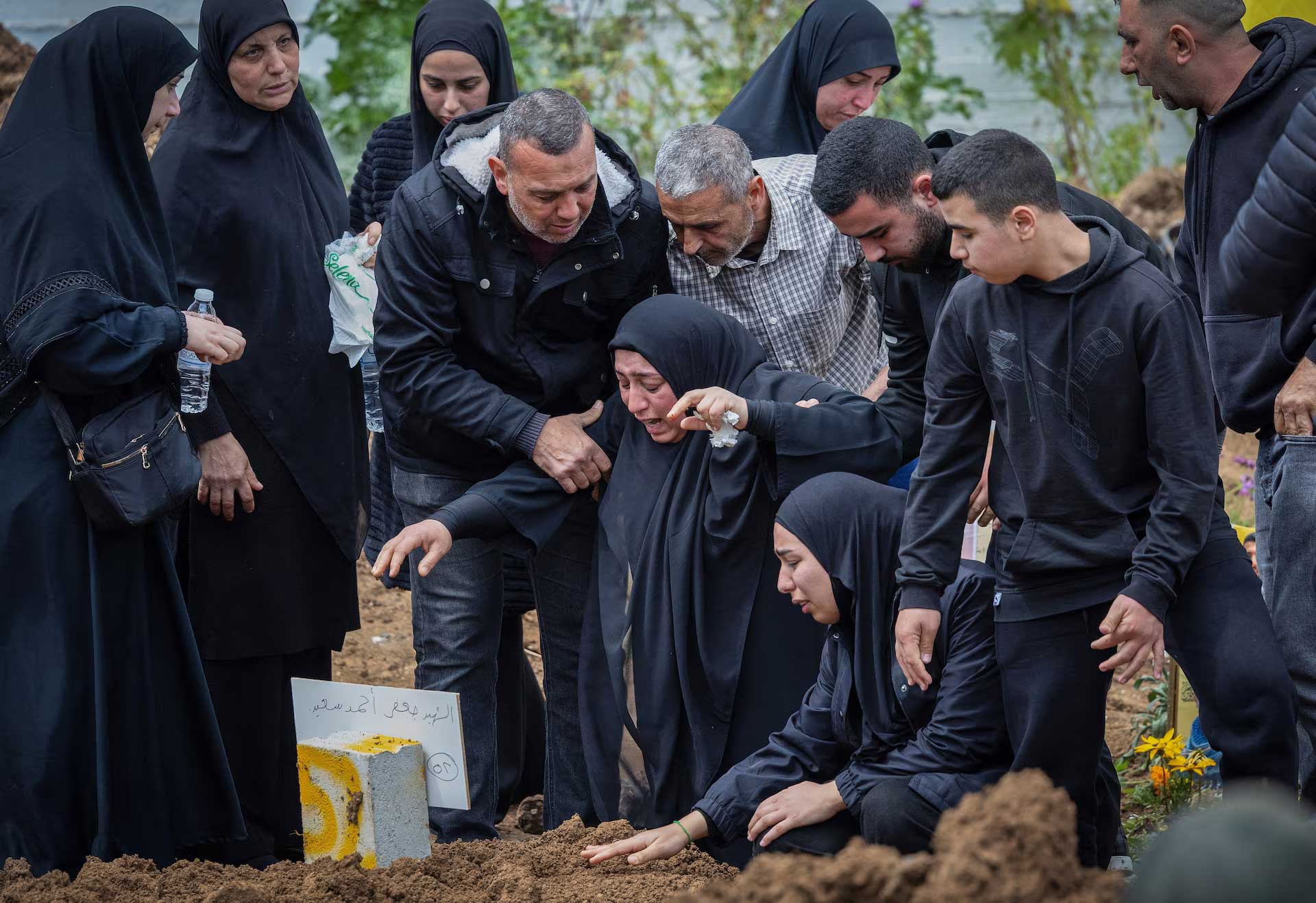
The widespread Israeli strikes on Wednesday killed at least 182 people and wounded 890 others, according to Lebanon's Health Ministry. Civil Defense workers found a wounded woman alive under rubble overnight in Beirut's Ain Mreisseh neighbourhood, as well as a man pulled from collapsed buildings in the capital's southern suburbs.
- 7/9
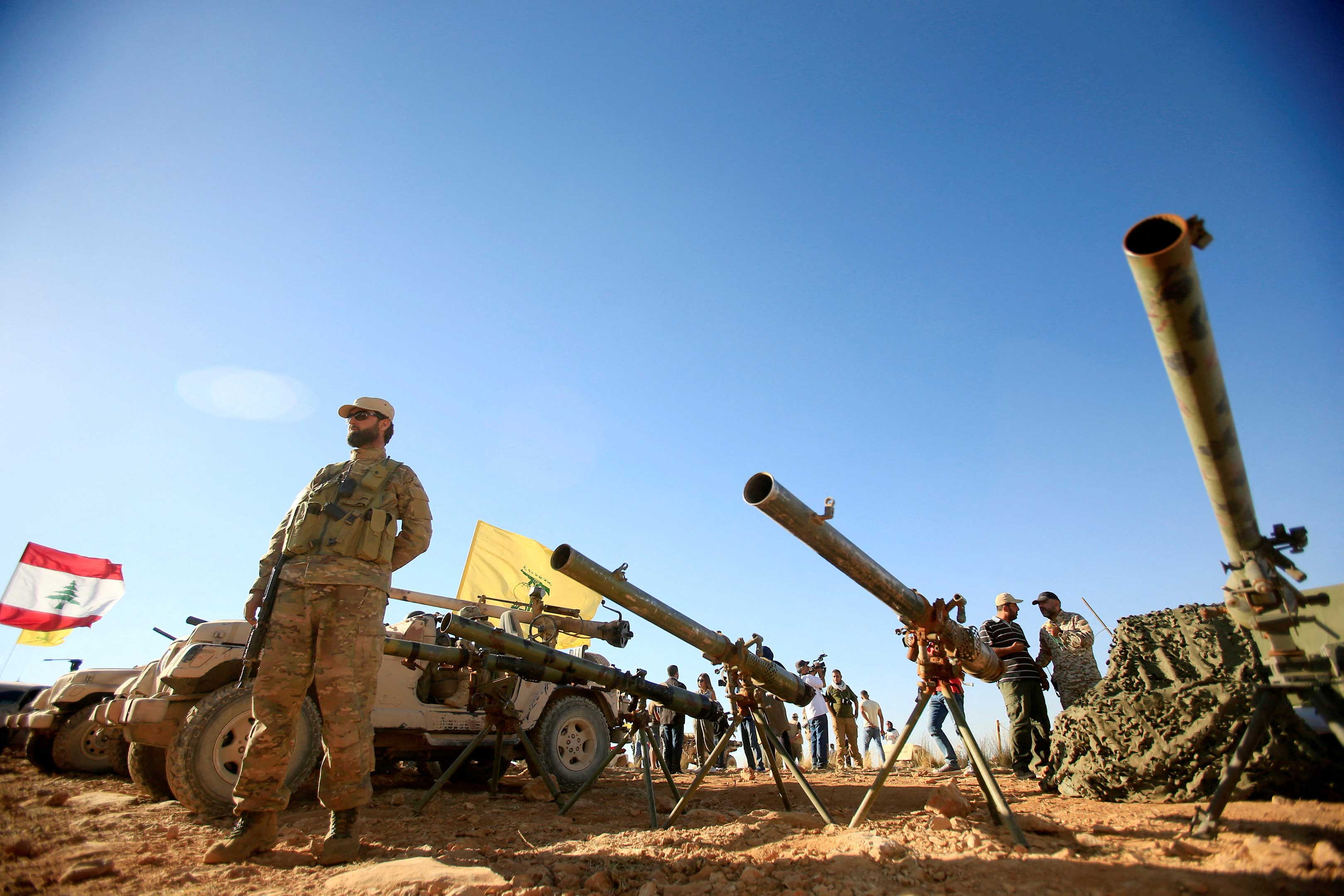
Hezbollah claimed it launched a rocket barrage at the Israeli kibbutz of Manara near the Lebanese border, citing Israel's violation of the ceasefire agreement, and asserted its right to respond to Israeli strikes across Beirut. The cycle of retaliation showed no signs of stopping.
- 8/9
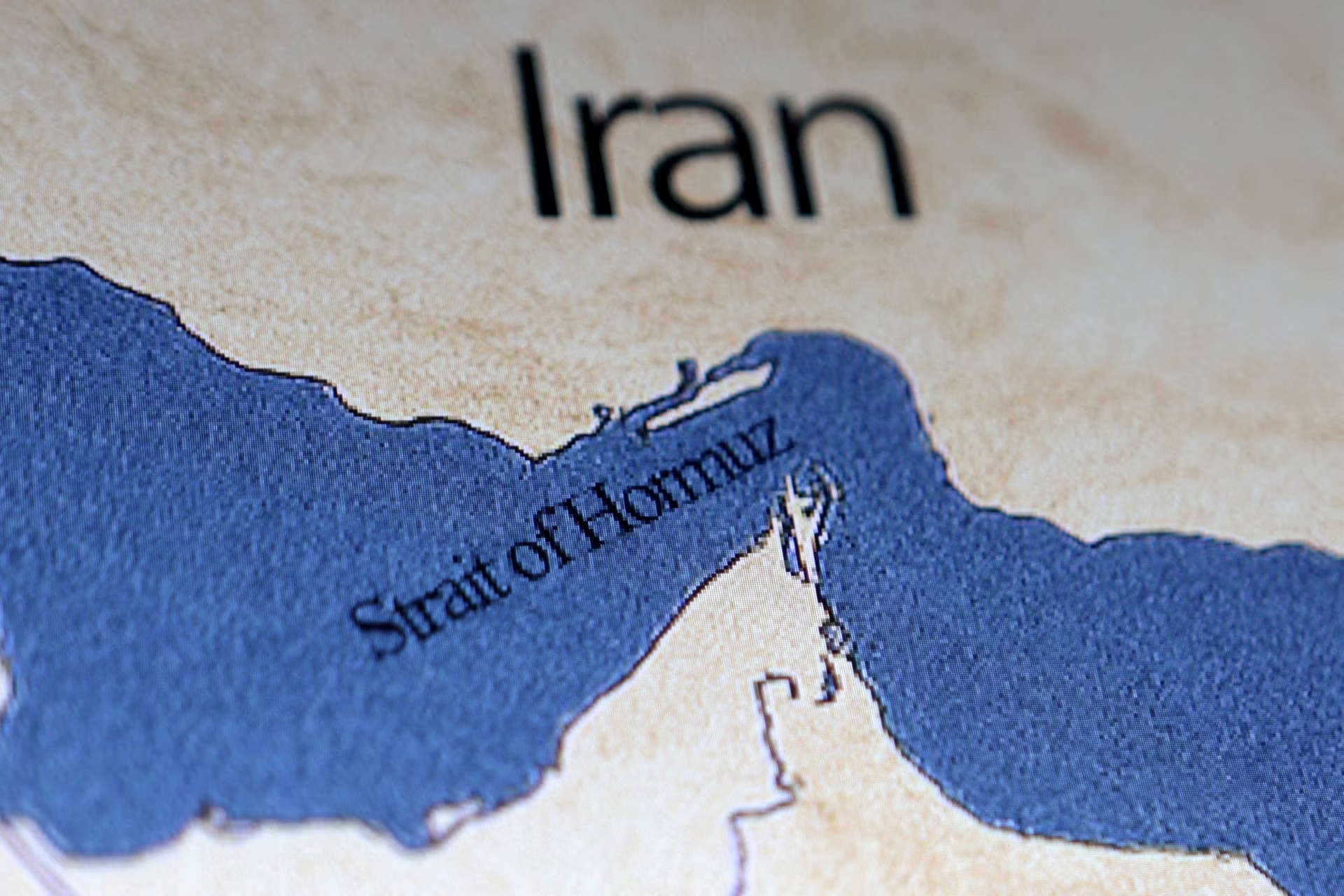
The conflict's ripples reached global shipping lanes. Iran's deputy foreign minister said his country would allow ships to pass through the Strait of Hormuz in line with international norms — but only once the US ends its regional involvement and Israel halts attacks on Lebanon. Iran's semiofficial news agencies published a chart suggesting the Revolutionary Guard had placed sea mines in the strait.
- 9/9
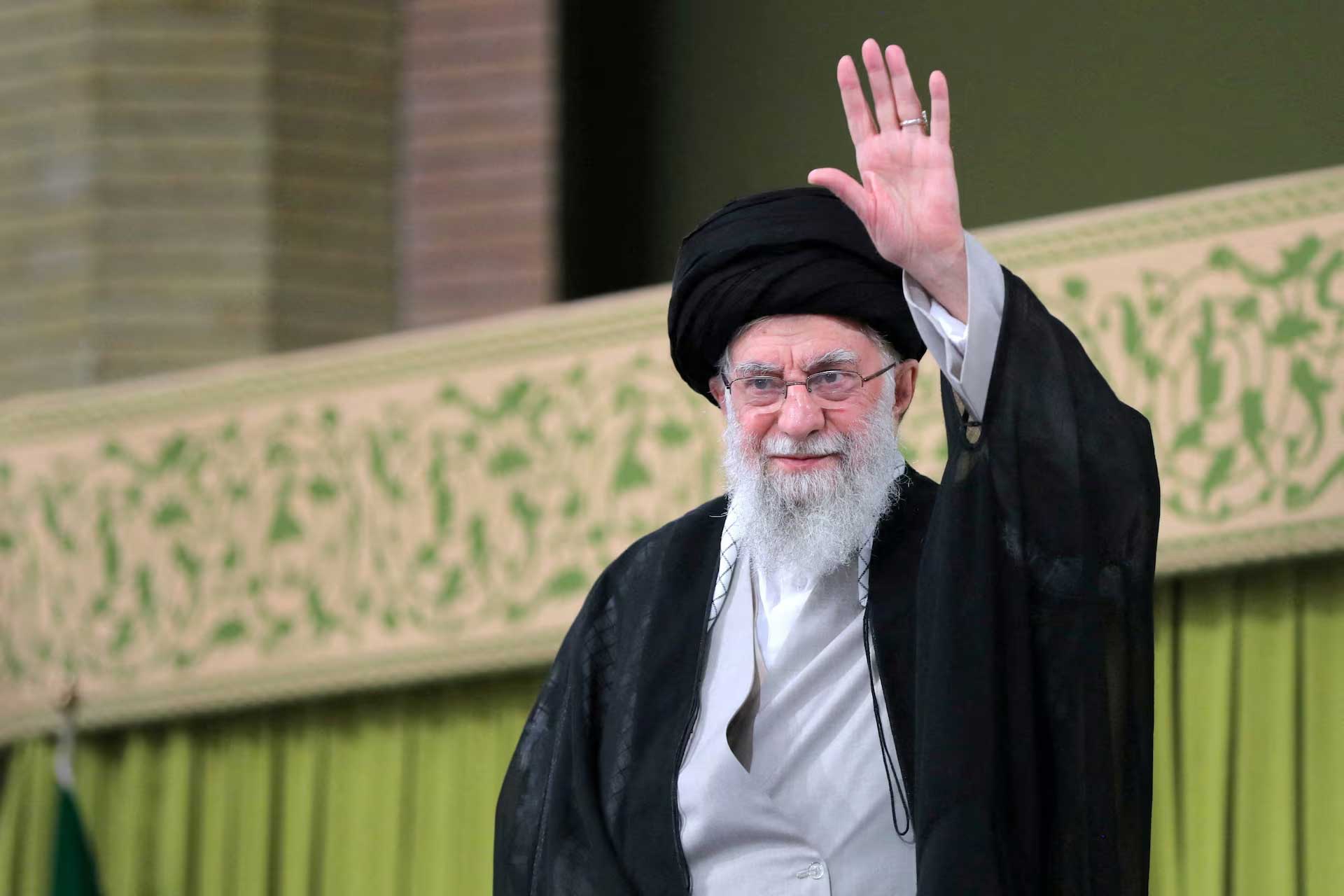
Mourners across Iran began ceremonies marking the 40th day since the death of Supreme Leader Ayatollah Ali Khamenei, who was killed at the start of the Iran war. His son, Ayatollah Mojtaba Khamenei, now serves as Iran's supreme leader. With a new supreme leader, a battered Hezbollah, and a ceasefire under strain — the Middle East stands at a deeply uncertain crossroads.