
Why are airplane windows round? The deadly lesson behind their shape
Airplane windows are usually oval or rounded for a structural reason, not simply looks. Openings in a pressurised fuselage must manage stress, and abrupt corners create higher local stress concentrations than curved edges.
- Jul 10, 2026,
- Updated Jul 10, 2026 4:42 PM IST

- 1/7
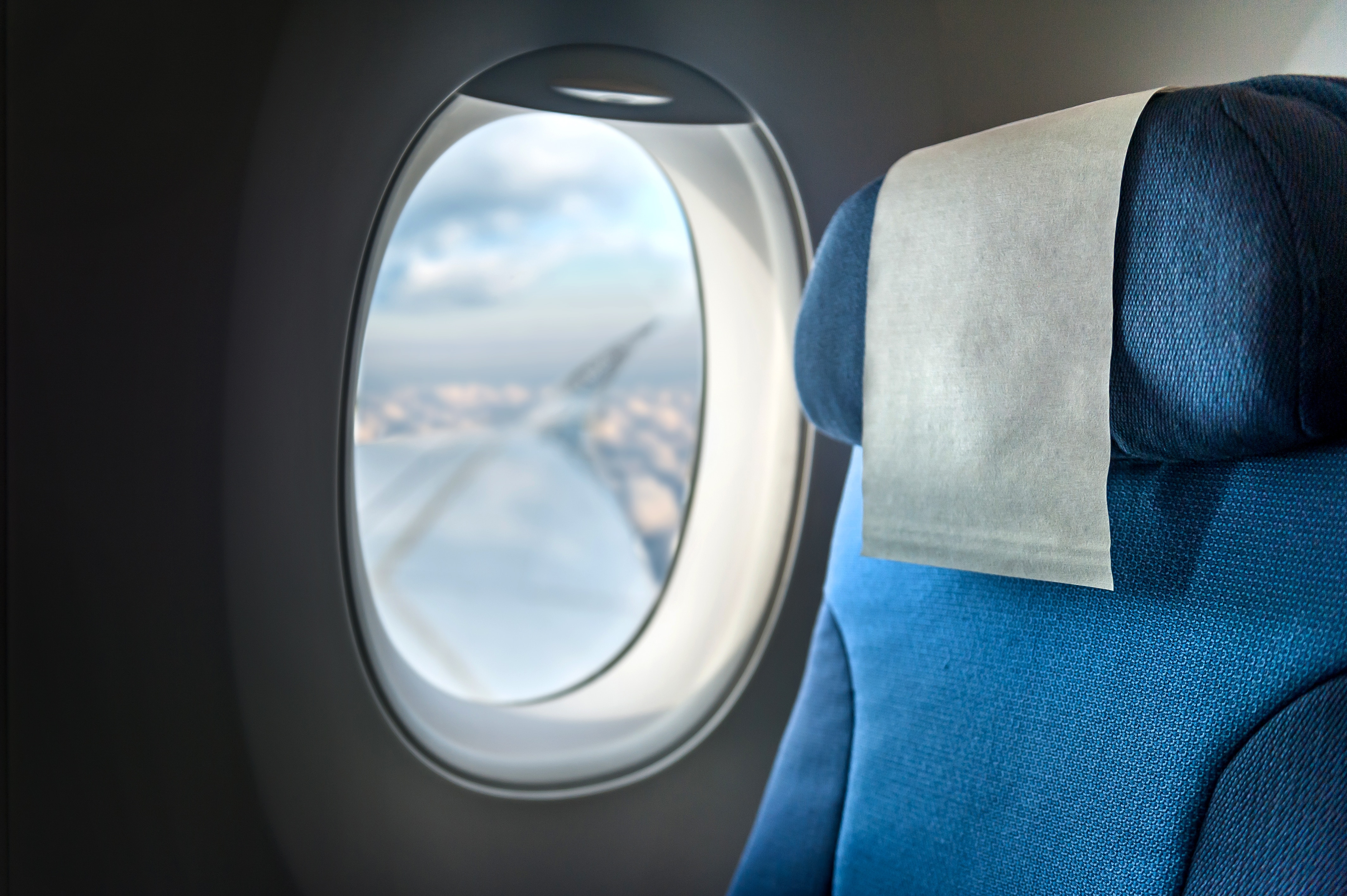
Modern round or oval window edges let stress flow more freely around the opening with minimal local build-up, the FAA explains. That is the core engineering reason passenger windows avoid abrupt, sharp corners.
- 2/7
FAA records say investigative testing and wreckage examination found unexpectedly high stress concentrations around the Comet's relatively squarish windows. Fatigue near window corners could progress to catastrophic fuselage rupture.

- 3/7
The FAA describes a stress concentration as a local area of much higher stress than surrounding material. It says the Comet's squarish window corners interrupted smooth stress flow and created especially high concentrations.
- 4/7
A pressurised fuselage experiences repeated pressure cycles through service. FAA material on the de Havilland Comet shows why fatigue testing matters: repeated loading can progressively exhaust highly stressed structural areas.

- 5/7
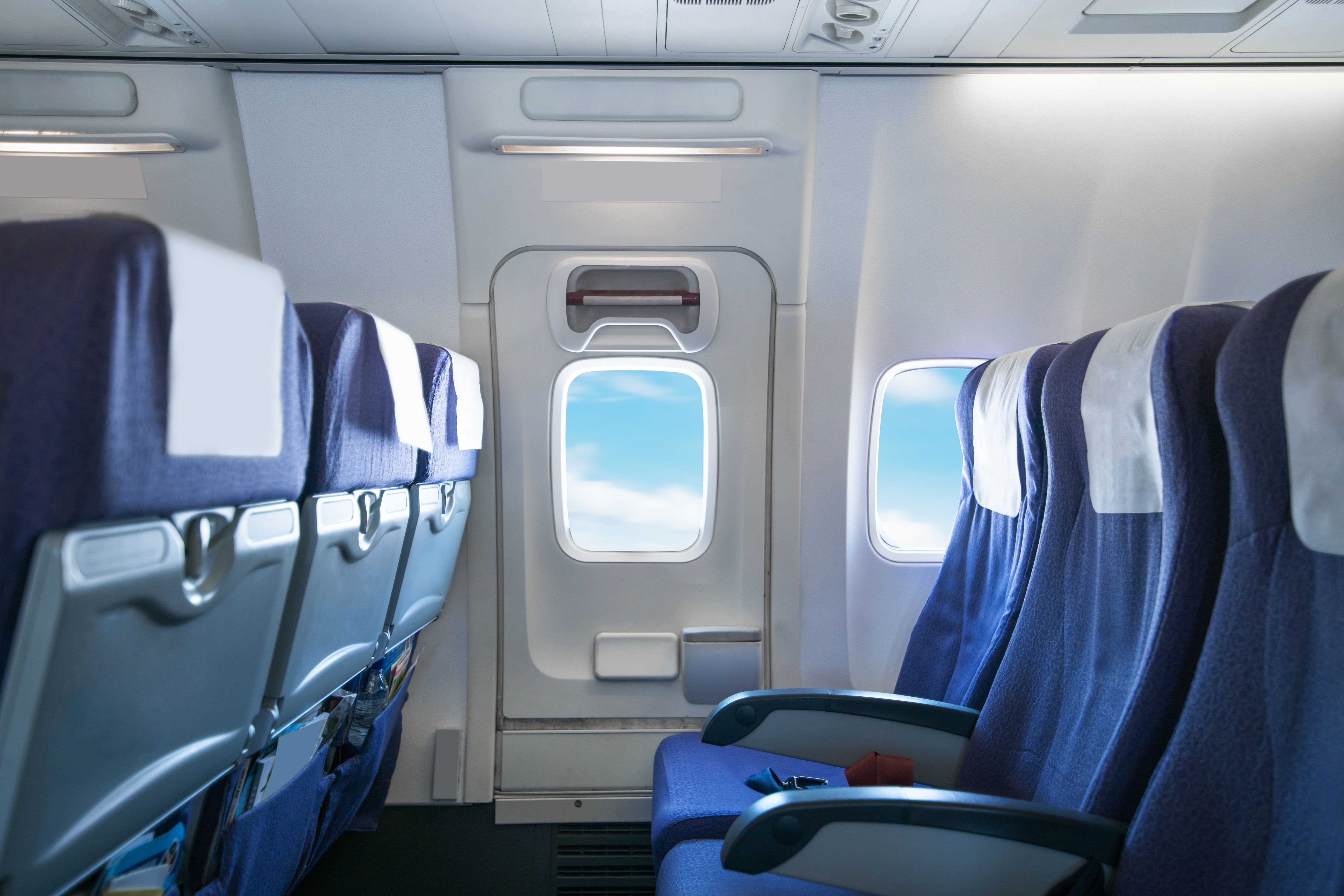
Passenger windows are often oval rather than perfect circles. The important feature is the curved edge: FAA material contrasts modern round or oval windows with squarish openings whose abrupt corners allow stress to build.

- 6/7
Airplane windows are usually oval or rounded for a structural reason, not simply looks. Openings in a pressurised fuselage must manage stress, and abrupt corners create higher local stress concentrations than curved edges.
- 7/7
The lesson goes beyond one window. The Comet investigation showed why pressure and fatigue testing must reflect real structural behaviour. Rounded windows are one visible design response to managing stress around fuselage openings.