
Why your daily walk isn’t burning as much fat as you think
Walking helps weight loss — but only if you do it right. From pace to posture, here are seven common mistakes that keep your calorie burn low and your fitness goals out of reach.
- Dec 3, 2025,
- Updated Dec 3, 2025 3:04 PM IST
- 1/9
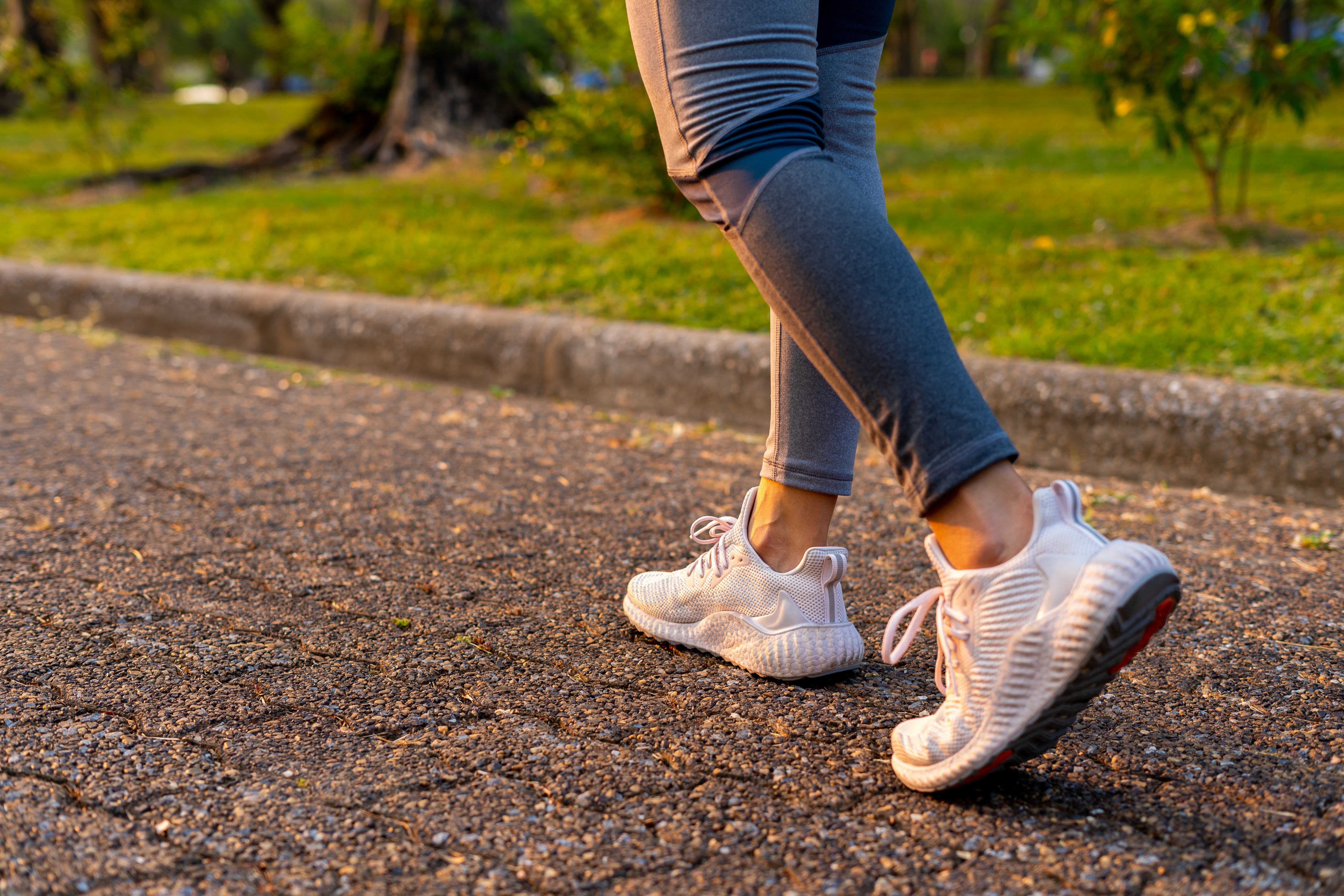
Walking leisurely may soothe your mind, but it won’t shrink your waistline. Experts say brisk walking — 100 to 120 steps per minute — ignites fat burn by lifting your heart rate into the aerobic zone.

- 2/9
A slouched spine or eyes glued to your phone robs your walk of power. Good posture — head up, core tight, shoulders relaxed — boosts oxygen flow, tones muscles, and prevents back strain.
- 3/9
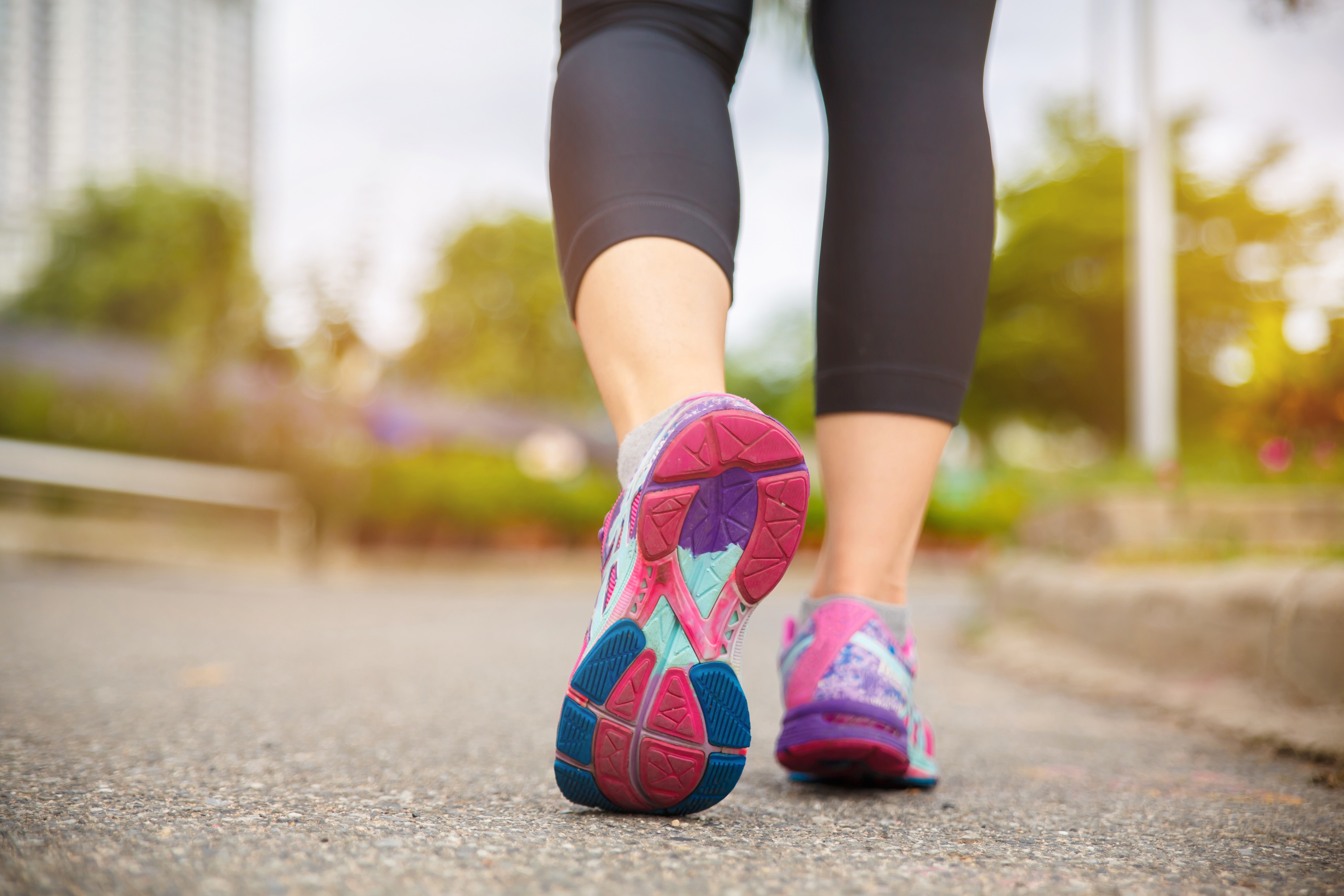
Your footwear can make or break your progress. Worn-out sneakers or flat soles strain joints, shorten walks, and cause pain. Invest in cushioned, supportive shoes that move with your stride.

- 4/9
Repeating the same route daily? Your body adapts fast. Mixing up terrain, pace, and distance reignites fat loss and prevents boredom. Progress loves variety — and data tracking keeps you honest.

- 5/9
Skipping water before or after your walk silently slows metabolism. Even mild dehydration reduces endurance and triggers hunger signals that mask as cravings. Sip smart, burn better.

- 6/9
A 30-minute walk burns roughly 150 calories — not a pizza slice. Overeating post-walk undoes your effort. Swap calorie-loaded “rewards” for protein-rich snacks that refuel without regret.
- 7/9
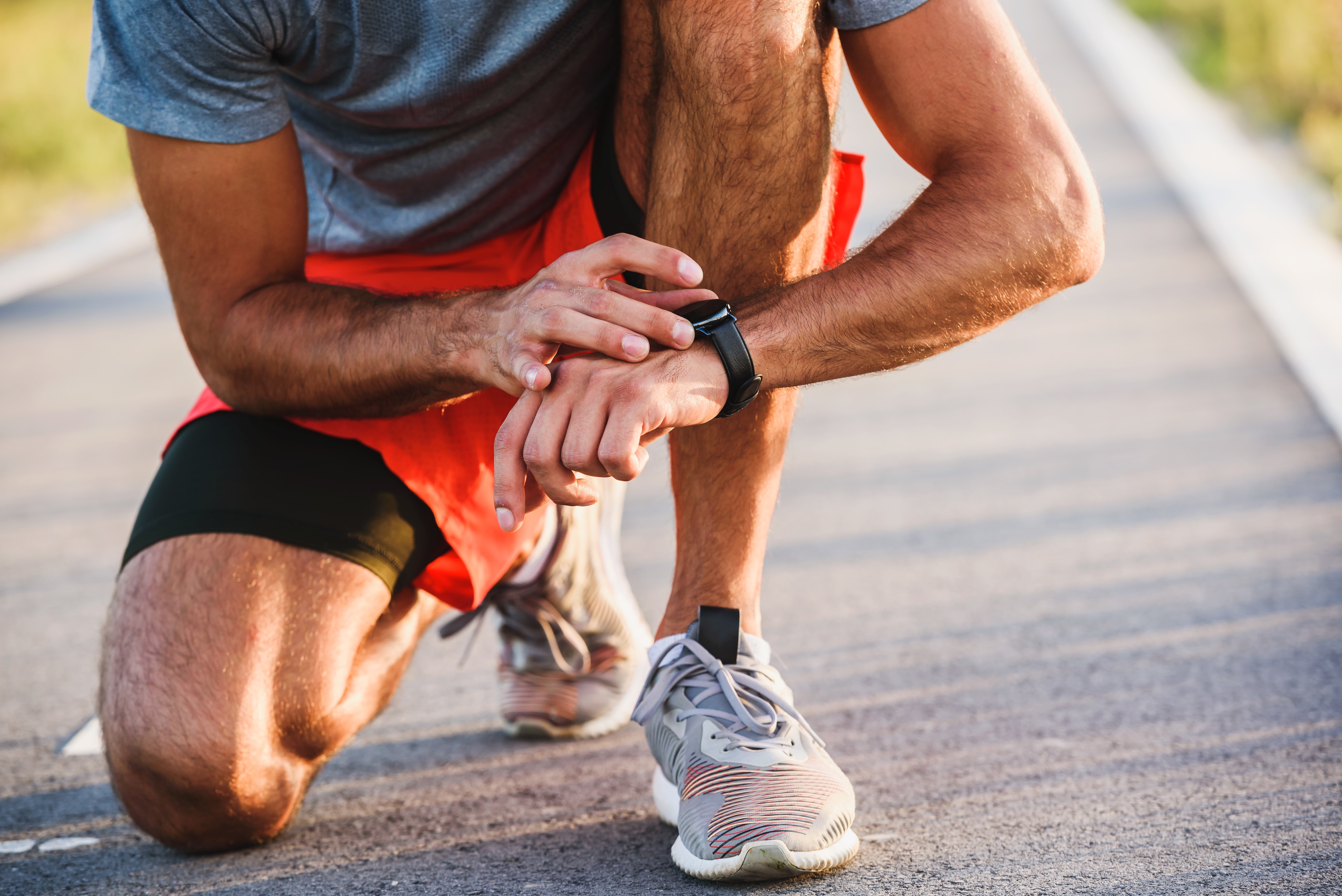
Without tracking pace, steps, or time, progress hides in plain sight. Fitness apps or smartwatches turn data into motivation, helping you see the small wins that keep long-term goals alive.
- 8/9
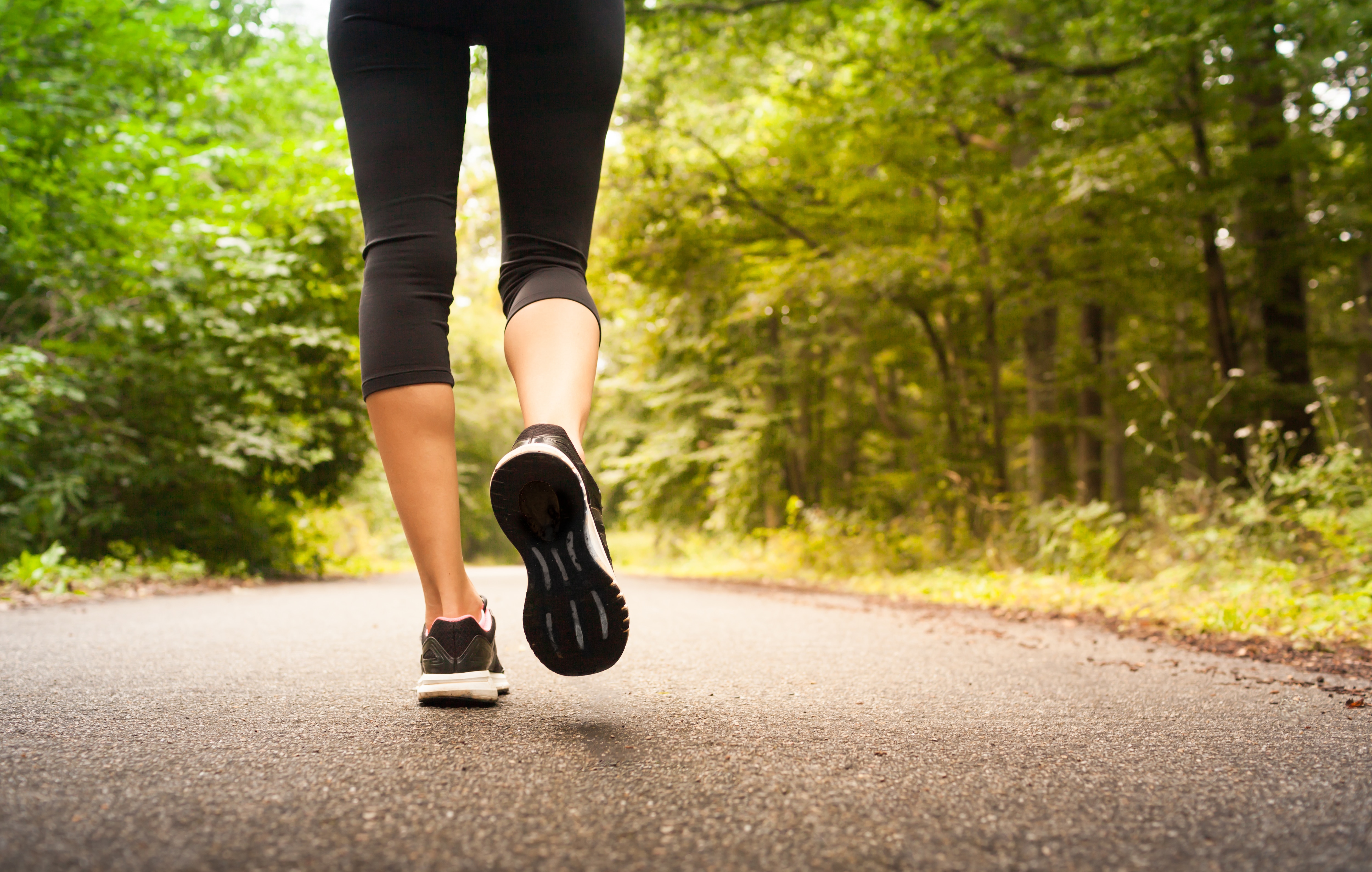
Sticking to a flat, slow route feels safe — but fat loss demands challenge. Try interval walking: alternate brisk bursts and recovery strolls. Science calls it the simplest form of cardio upgrade.

- 9/9
You can’t outwalk bad sleep. Studies in Sleep Medicine Reviews show poor rest disrupts hunger hormones, leading to weight gain. Recovery fuels results — even in your walking routine.