
Young, urban, at risk: The alarming shift in India’s stroke burden
ICMR registry data reveals 1 in 7 stroke patients in India is under 45. Rising hypertension, lifestyle stress and delayed treatment are fueling a silent public health crisis.
- Feb 25, 2026,
- Updated Feb 25, 2026 1:07 PM IST
- 1/9
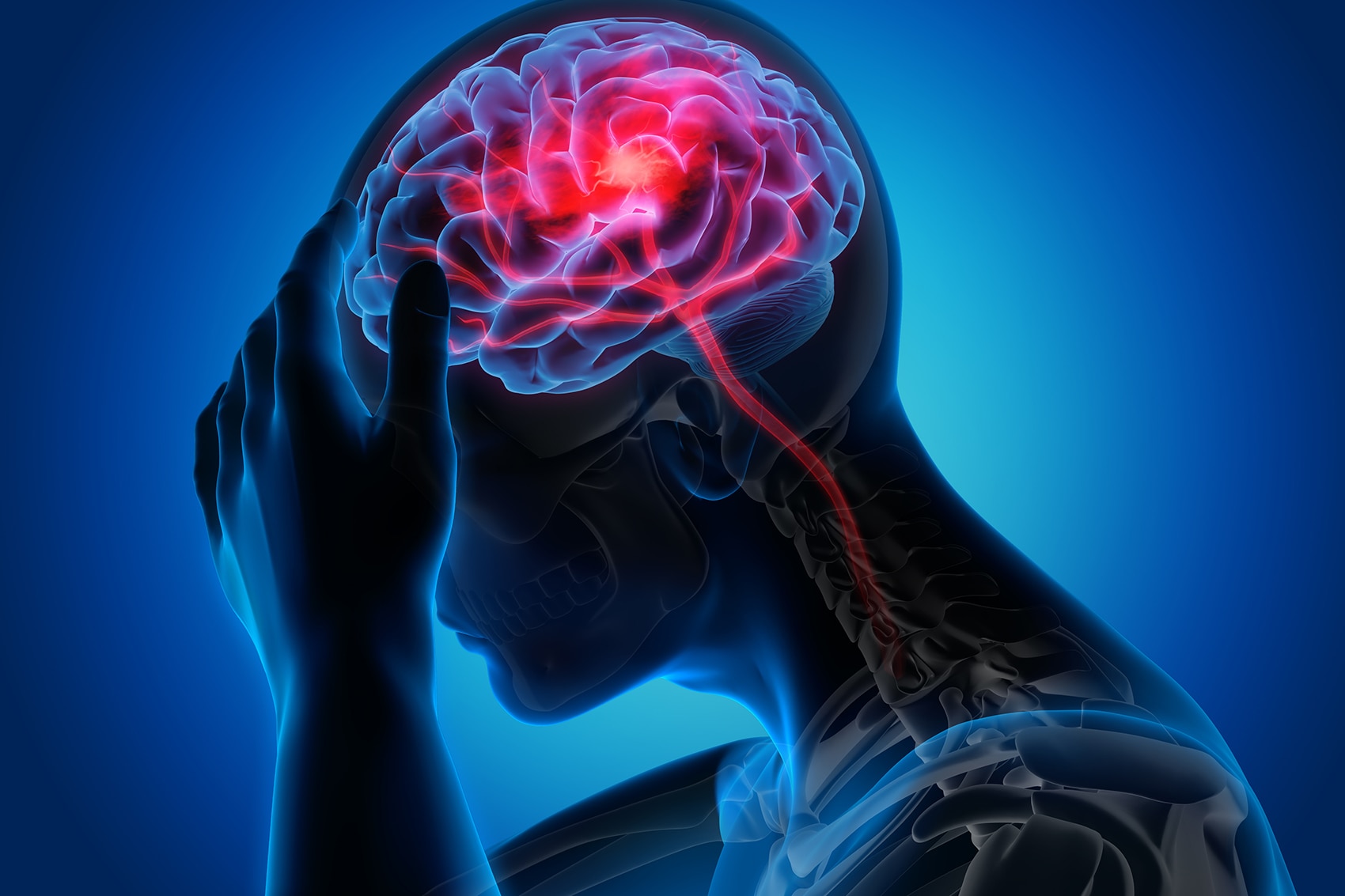
One in seven stroke patients in India is under 45. That’s not a typo — it’s national registry data from ICMR analysing nearly 35,000 cases. A disease once seen as “old age territory” is quietly targeting India’s working-age population.
- 2/9
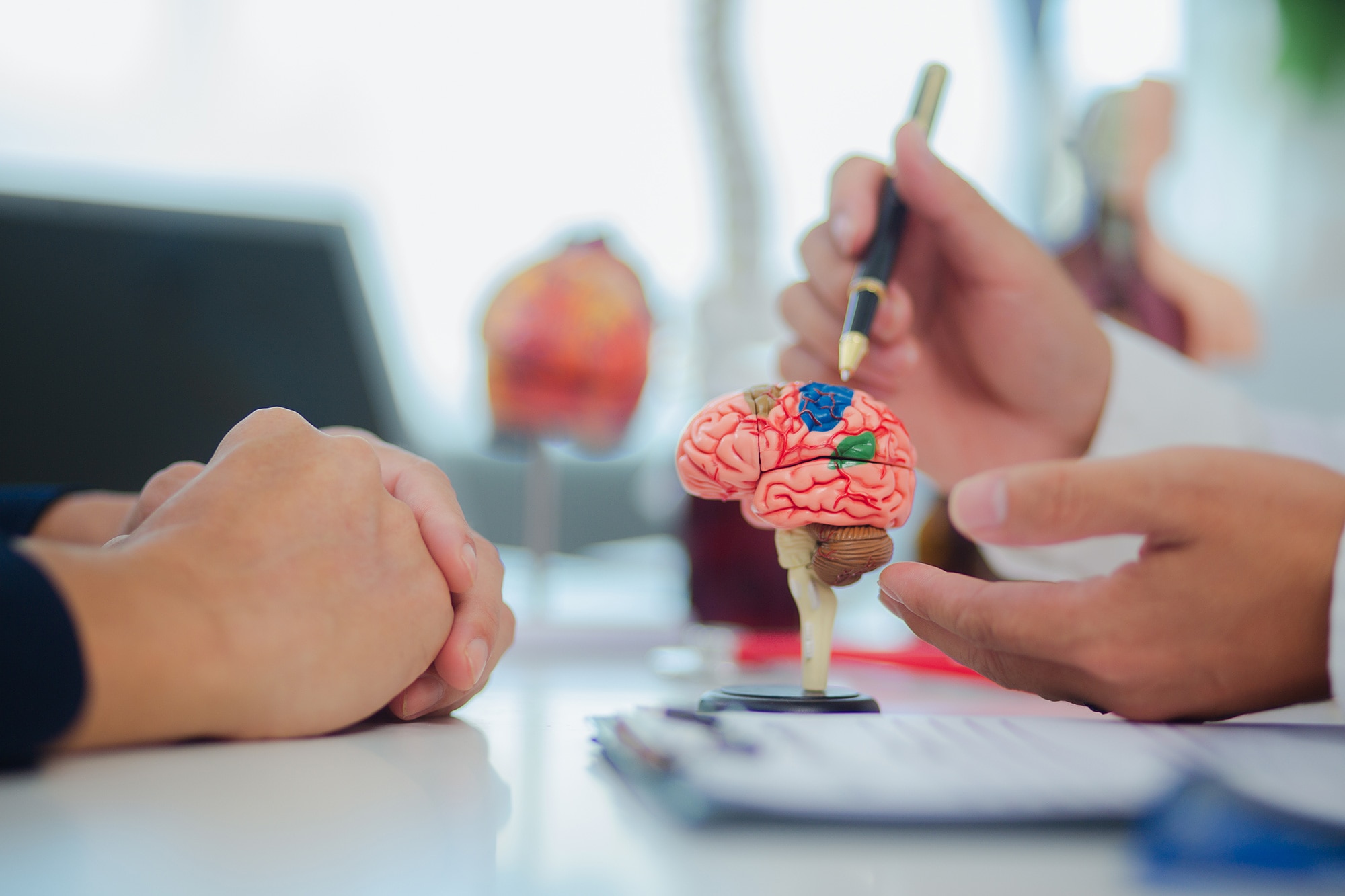
Hypertension tops the risk chart, affecting nearly three-quarters of stroke patients across age groups. Doctors warn that unchecked blood pressure, especially in people in their 30s and 40s, is rewriting India’s stroke story.

- 3/9
Sedentary jobs, long screen hours, irregular sleep, and relentless stress are now common denominators. Neurologists say modern urban lifestyles are accelerating vascular ageing — sometimes decades ahead of schedule.
- 4/9
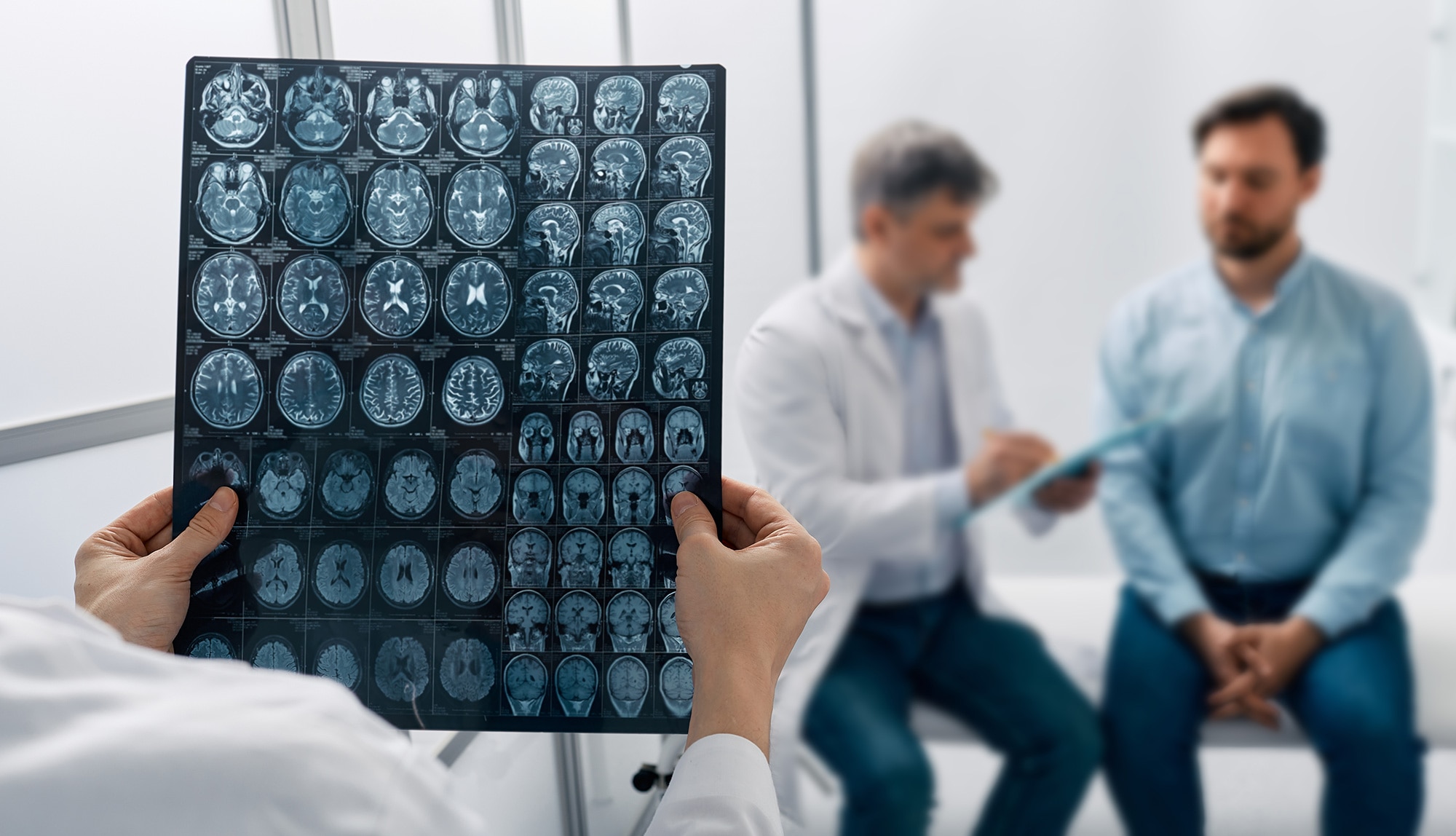
Only 20% of patients reached hospitals within the 4.5-hour golden window. Nearly 40% arrived after 24 hours — when critical treatments like thrombolysis are no longer viable. In stroke care, minutes mean neurons.
- 5/9
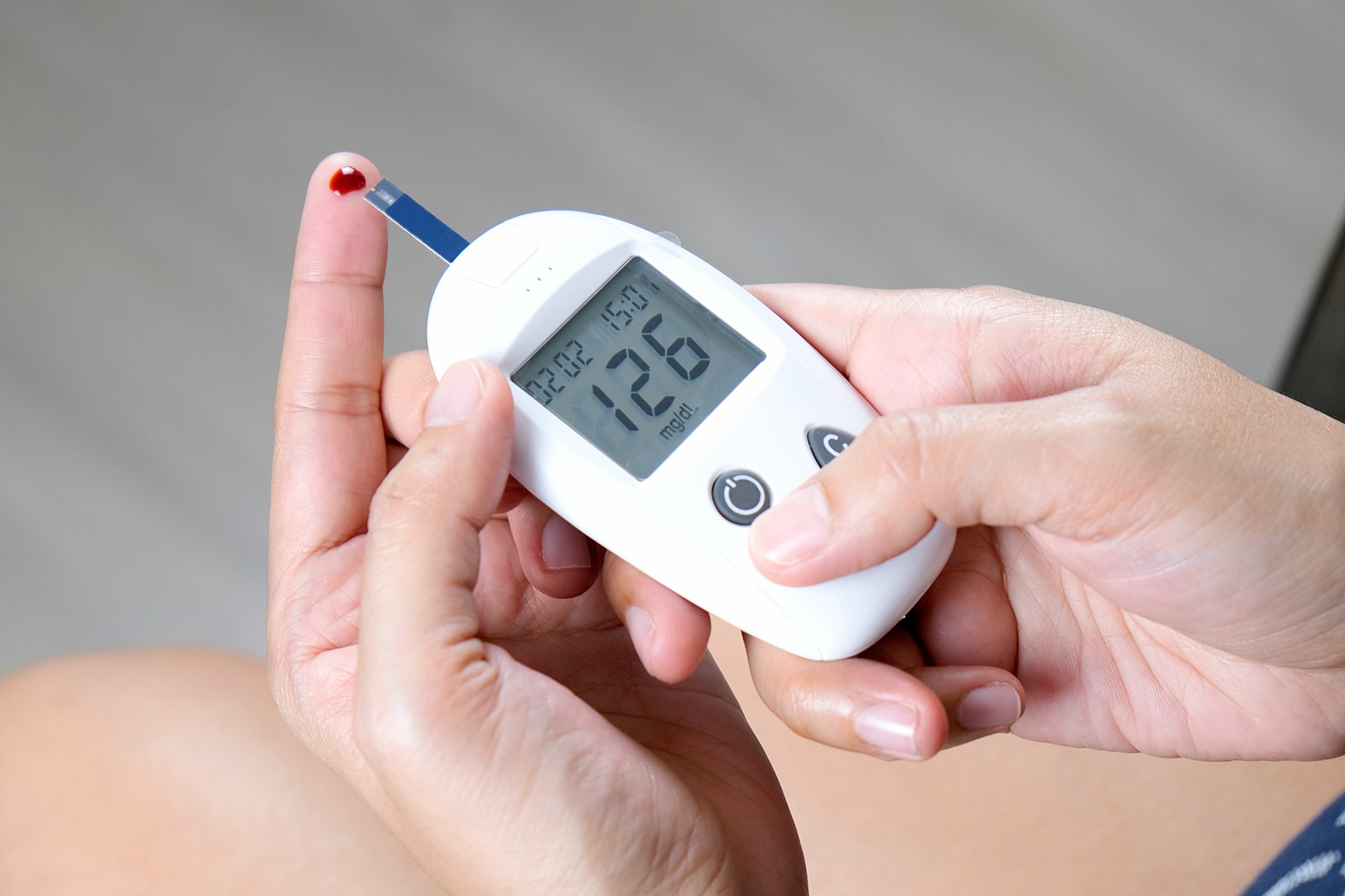
Diabetes, tobacco use, alcohol and dyslipidemia are surging among young adults. Registry data mirrors global cardiovascular studies showing India’s youth carrying “middle-age” risk profiles far too early.

- 6/9
Beyond lifestyle, emerging causes like sleep apnoea, cardioembolic conditions, and rare vascular disorders are gaining attention. Specialists say these underdiagnosed risks could explain unexpected strokes in seemingly healthy young adults.

- 7/9
More than half of stroke patients face death or significant disability within three months. For younger individuals, this means decades of lost productivity — and a growing socioeconomic burden.

- 8/9
Face drooping. Arm weakness. Speech difficulty. Time to act. Despite global awareness campaigns, delayed recognition remains widespread in India — costing thousands their best chance at recovery.

- 9/9
CDC and WHO guidelines emphasise blood pressure control as the single most powerful preventive tool. Experts say India’s rising young-stroke burden is not inevitable — but it demands urgent screening, awareness, and policy reform.