
14 years after pilot project, RBI again reconsiders introducing polymer currency notes in India
RBI Governor Sanjay Malhotra clarified that no final decision has been taken and that the matter is still at a preliminary stage
- Jun 8, 2026,
- Updated Jun 8, 2026 3:54 PM IST
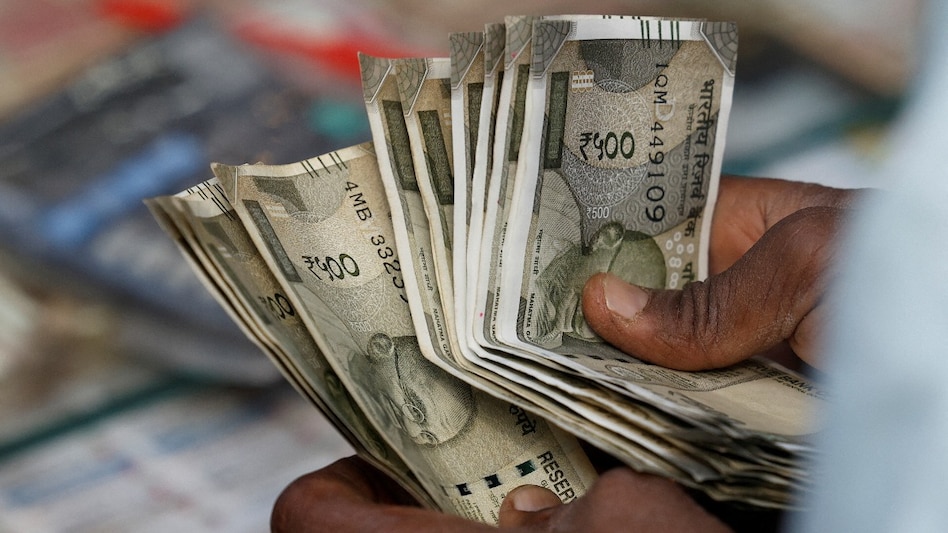
RBI Governor Sanjay Malhotra recently confirmed that a proposal to introduce polymer banknotes is under consideration. He clarified that no final decision has been taken and that the matter is still at a preliminary stage. According to the governor, the central bank is examining both the benefits and challenges associated with polymer notes before deciding whether their introduction would be practical and economically viable.
Why is RBI considering plastic notes again?
The renewed interest comes at a time when cash demand remains robust despite India’s rapid digital payment growth. While UPI and other digital payment platforms have transformed the country’s payment ecosystem, cash continues to be widely used, particularly in small-value transactions and rural areas. As a result, the RBI spends substantial amounts every year on printing and replacing worn-out currency notes.
Polymer notes offer a possible solution. Unlike traditional notes, which are printed on cotton-based paper, polymer notes are made from a durable plastic substrate. They are resistant to moisture, dirt, and tearing, allowing them to remain in circulation for much longer periods. This durability can reduce the frequency of note replacement and potentially lower long-term currency management costs.
Another major advantage of polymer notes is security
The notes can include sophisticated anti-counterfeiting features such as transparent windows, holographic elements, and specialised security inks that are difficult to replicate. These features have helped several countries strengthen the integrity of their currency systems.
How the world switched to polymer notes
India is not alone in exploring polymer currency. Australia pioneered polymer banknotes in 1988 and remains one of the strongest examples of their successful adoption.
Since then, countries including Canada, the United Kingdom, New Zealand, Singapore, and Romania have embraced polymer notes either fully or partially. Central banks in these countries have highlighted longer note life, reduced replacement costs, and better counterfeit protection as key benefits.
RBI Governor Sanjay Malhotra recently confirmed that a proposal to introduce polymer banknotes is under consideration. He clarified that no final decision has been taken and that the matter is still at a preliminary stage. According to the governor, the central bank is examining both the benefits and challenges associated with polymer notes before deciding whether their introduction would be practical and economically viable.
Why is RBI considering plastic notes again?
The renewed interest comes at a time when cash demand remains robust despite India’s rapid digital payment growth. While UPI and other digital payment platforms have transformed the country’s payment ecosystem, cash continues to be widely used, particularly in small-value transactions and rural areas. As a result, the RBI spends substantial amounts every year on printing and replacing worn-out currency notes.
Polymer notes offer a possible solution. Unlike traditional notes, which are printed on cotton-based paper, polymer notes are made from a durable plastic substrate. They are resistant to moisture, dirt, and tearing, allowing them to remain in circulation for much longer periods. This durability can reduce the frequency of note replacement and potentially lower long-term currency management costs.
Another major advantage of polymer notes is security
The notes can include sophisticated anti-counterfeiting features such as transparent windows, holographic elements, and specialised security inks that are difficult to replicate. These features have helped several countries strengthen the integrity of their currency systems.
How the world switched to polymer notes
India is not alone in exploring polymer currency. Australia pioneered polymer banknotes in 1988 and remains one of the strongest examples of their successful adoption.
Since then, countries including Canada, the United Kingdom, New Zealand, Singapore, and Romania have embraced polymer notes either fully or partially. Central banks in these countries have highlighted longer note life, reduced replacement costs, and better counterfeit protection as key benefits.