
‘An Indian passport no longer adds value’: Techie's harsh post sparks debate on global mobility
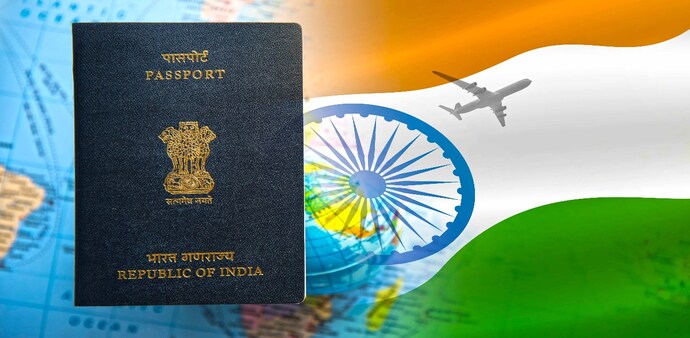
In a post on X, the techie said an Indian passport had stopped adding value to his life, framing the issue not as anger or political grievance but as accumulated exhaustion from repeated barriers.
- Dec 25, 2025,
- Updated Dec 25, 2025 11:28 AM IST
A candid post by an Indian-origin tech professional based in the UK has reignited debate over passport power, global mobility and the everyday frictions faced by Indians working across borders.
In a post on X, Kunal Kushwaha wrote, “An Indian passport no longer adds value to my life,” before laying out a series of personal experiences that, he said, have steadily worn him down rather than angered him.
Kushwaha recounted how what should have been a simple trip to surprise a close friend in Ireland turned into a bureaucratic exercise. Instead of booking a ticket, he said he found himself navigating visa portals. Having already travelled to Berlin days earlier, he explained that he could not join friends in Dublin for Christmas, not due to cost or time constraints, but because he did not have enough days left to apply for another visa.
He also described routine airport experiences where others moved quickly through immigration while he stood in queues with folders of documents he had already submitted multiple times. Schengen visa applications, he said, often feel like a full-time job, involving bank statements, cover letters, bookings and repeated explanations for ordinary travel.
Beyond mobility, Kushwaha linked his frustration to broader structural issues. He said investments made in India once appeared attractive on paper, but currency depreciation steadily eroded real returns, making “good returns” feel far less rewarding. He also pointed to environmental concerns, noting that poor air quality is felt physically, reflected in global rankings, and yet seems resistant to meaningful change.
On everyday governance, he noted that banking and KYC processes in India still feel stuck in another decade, marked by paperwork, delays, repeated visits, and resubmissions.
Kushwaha stressed that his post was not driven by resentment. “I’m not angry. I’m tired,” he wrote, adding that the issue was friction, the cumulative mental and logistical cost of working globally while carrying a passport that limits time and bandwidth. He concluded that national pride, in his view, cannot substitute for global mobility.
The post struck a chord, drawing a flood of responses that echoed, challenged, and expanded on his argument. One user wrote, “I feel the same way. The fact I can’t travel not because I don’t have money, but because I have a dogshit passport which requires a visa for every place feels so frustrating. Now i have to build an immigration history before applying for any major visa or it will get rejected. And we all know what happens when visas get rejected.”
Another commenter took a longer historical view, saying, “50 years from now, mobility being tied to place of birth (passport) will be considered a surprising and quirky thing of the past, like smoking in restaurants.” A third response focused on opportunity costs, noting, “Visa restrictions like these limit mobility and networking, impacting both personal and professional opportunities.”
Not all reactions agreed with the implicit conclusion that exit is the answer. One user pushed back, writing, “I get the frustration many feel it. But systems don’t change when people leave, they change when people stay, question, and push for reform. Global mobility matters, but so does building better institutions at home. Leaving helps individuals, lasting change needs collective effort.”
A candid post by an Indian-origin tech professional based in the UK has reignited debate over passport power, global mobility and the everyday frictions faced by Indians working across borders.
In a post on X, Kunal Kushwaha wrote, “An Indian passport no longer adds value to my life,” before laying out a series of personal experiences that, he said, have steadily worn him down rather than angered him.
Kushwaha recounted how what should have been a simple trip to surprise a close friend in Ireland turned into a bureaucratic exercise. Instead of booking a ticket, he said he found himself navigating visa portals. Having already travelled to Berlin days earlier, he explained that he could not join friends in Dublin for Christmas, not due to cost or time constraints, but because he did not have enough days left to apply for another visa.
He also described routine airport experiences where others moved quickly through immigration while he stood in queues with folders of documents he had already submitted multiple times. Schengen visa applications, he said, often feel like a full-time job, involving bank statements, cover letters, bookings and repeated explanations for ordinary travel.
Beyond mobility, Kushwaha linked his frustration to broader structural issues. He said investments made in India once appeared attractive on paper, but currency depreciation steadily eroded real returns, making “good returns” feel far less rewarding. He also pointed to environmental concerns, noting that poor air quality is felt physically, reflected in global rankings, and yet seems resistant to meaningful change.
On everyday governance, he noted that banking and KYC processes in India still feel stuck in another decade, marked by paperwork, delays, repeated visits, and resubmissions.
Kushwaha stressed that his post was not driven by resentment. “I’m not angry. I’m tired,” he wrote, adding that the issue was friction, the cumulative mental and logistical cost of working globally while carrying a passport that limits time and bandwidth. He concluded that national pride, in his view, cannot substitute for global mobility.
The post struck a chord, drawing a flood of responses that echoed, challenged, and expanded on his argument. One user wrote, “I feel the same way. The fact I can’t travel not because I don’t have money, but because I have a dogshit passport which requires a visa for every place feels so frustrating. Now i have to build an immigration history before applying for any major visa or it will get rejected. And we all know what happens when visas get rejected.”
Another commenter took a longer historical view, saying, “50 years from now, mobility being tied to place of birth (passport) will be considered a surprising and quirky thing of the past, like smoking in restaurants.” A third response focused on opportunity costs, noting, “Visa restrictions like these limit mobility and networking, impacting both personal and professional opportunities.”
Not all reactions agreed with the implicit conclusion that exit is the answer. One user pushed back, writing, “I get the frustration many feel it. But systems don’t change when people leave, they change when people stay, question, and push for reform. Global mobility matters, but so does building better institutions at home. Leaving helps individuals, lasting change needs collective effort.”