
By Europeans, for Europeans? After Delhi's Gymkhana, focus turns to Mumbai’s Breach Candy Club
According to reports, securing membership at the South Mumbai institution requires an upfront admission fee exceeding ₹1.12 crore, with some estimates placing the figure above ₹1.2 crore before taxes and other charges. Corporate membership packages are reported to cost up to ₹30 lakh.
- Jun 1, 2026,
- Updated Jun 1, 2026 2:31 PM IST
The government’s action against Delhi's Gymkhana Club has reignited a broader conversation about elite institutions in India that continue to carry the legacy of the colonial era. As questions are raised about privilege, access, governance and public accountability, attention is increasingly turning to Mumbai’s Breach Candy Club — one of the country’s most exclusive social institutions and one that critics say continues to preserve practices rooted in its European origins.
What was once a debate about land and governance at Delhi Gymkhana is now evolving into a wider examination of whether some of India’s most prestigious clubs have truly shed their colonial character. Among them, Breach Candy Club stands out because of one issue in particular: the perception that it remains, in some respects, a club designed for Europeans and administered by Europeans even in 2026.
Born in colonial India
Breach Candy Club was established in 1878 by British residents of Bombay. The institution was originally conceived as a recreational facility for Europeans at a time when social clubs across India were often segregated along racial lines.
MUST READ | ‘Racist provisions unacceptable…’: Shashi Tharoor calls out Breach Candy Club amid Gymkhana row
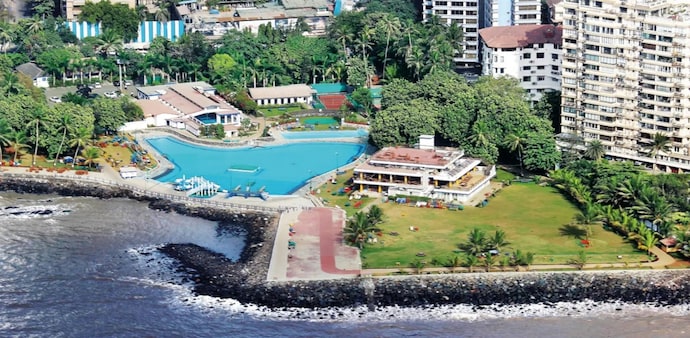
Located in South Mumbai’s affluent Breach Candy neighbourhood, the club today occupies prime real estate overlooking the Arabian Sea and offers facilities including a large saltwater swimming pool, tennis courts, squash courts, a gymnasium, restaurants and social spaces.
Despite India's independence in 1947, critics argue that some aspects of the club’s structure and membership philosophy continue to reflect its colonial roots.
‘For Europeans, By Europeans’ debate
The latest controversy centres on membership categories that reportedly continue to differentiate between Indian and European passport holders.
While permanent membership remains available through the club’s traditional processes, short-term memberships of one to four years are reportedly restricted to European passport holders and not available to Indians. The provision has triggered criticism on social media and among commentators who question why nationality-based distinctions continue to exist in an Indian institution nearly eight decades after independence.
Critics argue that the issue goes beyond club membership. They see it as a symbol of a lingering colonial mindset in which Europeans continue to enjoy privileges unavailable to Indians.
DON'T MISS | Delhi Gymkhana Club: Inside the 113-year-old exclusive social address in Lutyens Delhi
The perception is strengthened by the fact that Europeans continue to hold significant influence in the club's administration and governance structure, leading some observers to describe the institution as one that remains "for Europeans, by Europeans."
Membership costs: A crore-rupee entry ticket
The exclusivity of Breach Candy Club is reflected not just in its waiting list but also in its eye-watering membership costs.
According to reports, securing membership at the South Mumbai institution requires an upfront admission fee exceeding ₹1.12 crore, with some estimates placing the figure above ₹1.2 crore before taxes and other charges. Corporate membership packages are reported to cost up to ₹30 lakh.
Beyond the initial entry fee, members are also required to pay annual maintenance and subscription charges. These yearly fees are estimated to range between ₹15,000 and ₹17,000, although the club periodically revises its fee structure.
DO CHECKOUT | From Delhi Gymkhana to Royal Bombay Yacht Club: Where power & legacy rules entry corridors
Prospective members generally need endorsements from existing members and must navigate a stringent approval process. Industry estimates suggest waiting periods can stretch from 10 to 20 years depending on the membership category and the availability of vacancies.
Who are the members?
Over the decades, Breach Candy Club has attracted a mix of Mumbai’s corporate leaders, industrial families, senior professionals, expatriates and prominent social figures.
Membership has traditionally been associated with the city’s affluent neighbourhoods, including Malabar Hill, Cuffe Parade, Altamount Road and Breach Candy itself. Generational memberships have also helped create a sense of continuity, with families remaining associated with the club for decades.
The government’s action against Delhi's Gymkhana Club has reignited a broader conversation about elite institutions in India that continue to carry the legacy of the colonial era. As questions are raised about privilege, access, governance and public accountability, attention is increasingly turning to Mumbai’s Breach Candy Club — one of the country’s most exclusive social institutions and one that critics say continues to preserve practices rooted in its European origins.
What was once a debate about land and governance at Delhi Gymkhana is now evolving into a wider examination of whether some of India’s most prestigious clubs have truly shed their colonial character. Among them, Breach Candy Club stands out because of one issue in particular: the perception that it remains, in some respects, a club designed for Europeans and administered by Europeans even in 2026.
Born in colonial India
Breach Candy Club was established in 1878 by British residents of Bombay. The institution was originally conceived as a recreational facility for Europeans at a time when social clubs across India were often segregated along racial lines.
MUST READ | ‘Racist provisions unacceptable…’: Shashi Tharoor calls out Breach Candy Club amid Gymkhana row
Located in South Mumbai’s affluent Breach Candy neighbourhood, the club today occupies prime real estate overlooking the Arabian Sea and offers facilities including a large saltwater swimming pool, tennis courts, squash courts, a gymnasium, restaurants and social spaces.
Despite India's independence in 1947, critics argue that some aspects of the club’s structure and membership philosophy continue to reflect its colonial roots.
‘For Europeans, By Europeans’ debate
The latest controversy centres on membership categories that reportedly continue to differentiate between Indian and European passport holders.
While permanent membership remains available through the club’s traditional processes, short-term memberships of one to four years are reportedly restricted to European passport holders and not available to Indians. The provision has triggered criticism on social media and among commentators who question why nationality-based distinctions continue to exist in an Indian institution nearly eight decades after independence.
Critics argue that the issue goes beyond club membership. They see it as a symbol of a lingering colonial mindset in which Europeans continue to enjoy privileges unavailable to Indians.
DON'T MISS | Delhi Gymkhana Club: Inside the 113-year-old exclusive social address in Lutyens Delhi
The perception is strengthened by the fact that Europeans continue to hold significant influence in the club's administration and governance structure, leading some observers to describe the institution as one that remains "for Europeans, by Europeans."
Membership costs: A crore-rupee entry ticket
The exclusivity of Breach Candy Club is reflected not just in its waiting list but also in its eye-watering membership costs.
According to reports, securing membership at the South Mumbai institution requires an upfront admission fee exceeding ₹1.12 crore, with some estimates placing the figure above ₹1.2 crore before taxes and other charges. Corporate membership packages are reported to cost up to ₹30 lakh.
Beyond the initial entry fee, members are also required to pay annual maintenance and subscription charges. These yearly fees are estimated to range between ₹15,000 and ₹17,000, although the club periodically revises its fee structure.
DO CHECKOUT | From Delhi Gymkhana to Royal Bombay Yacht Club: Where power & legacy rules entry corridors
Prospective members generally need endorsements from existing members and must navigate a stringent approval process. Industry estimates suggest waiting periods can stretch from 10 to 20 years depending on the membership category and the availability of vacancies.
Who are the members?
Over the decades, Breach Candy Club has attracted a mix of Mumbai’s corporate leaders, industrial families, senior professionals, expatriates and prominent social figures.
Membership has traditionally been associated with the city’s affluent neighbourhoods, including Malabar Hill, Cuffe Parade, Altamount Road and Breach Candy itself. Generational memberships have also helped create a sense of continuity, with families remaining associated with the club for decades.