
Coldplay over homes? Radhika Gupta’s brutal take on Indian middle class debt culture
She pointed to a surge in credit access across the country, noting visible signs like overpacked credit card lounges at airports and aggressive card promotions. “Everyone has two or three credit cards,” she added.
- Sep 15, 2025,
- Updated Sep 15, 2025 9:13 AM IST
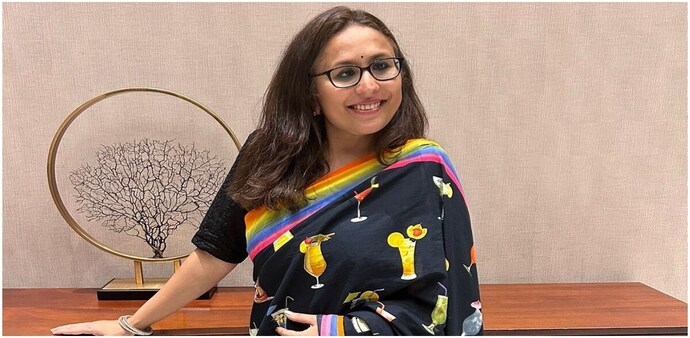
As middle-class Indians drown deeper in debt, Edelweiss AMC MD & CEO Radhika Gupta says the shift from “low leverage” to EMI-heavy lifestyles is a clear warning sign—especially when loans are funding wants, not needs.
Speaking on a podcast with Rahul Jain, Gupta unpacked the sharp rise in household debt burdens.
“India used to be a country where household leverage was very, very low. The worry is—we’ve swung to the other extreme,” Gupta said.
She pointed to a surge in credit access across the country, noting visible signs like overpacked credit card lounges at airports and aggressive card promotions. “Everyone has two or three credit cards,” she added.
Gupta distinguished between “good debt” and “bad debt.” She considers borrowing for education, a home, or work-related tools as productive, asset-building debt. “I studied on an education loan. That’s not bad debt,” she said, adding that current home loan rates in India—between 7% and 12%—make them a relatively effective funding option.
But the red flag, she warned, is debt used to fund lifestyle upgrades. “If you’re using debt to buy diamonds or go to a Coldplay concert, that’s where the trouble starts,” she said, classifying such spending as “revenue expenditure” versus capital investment.
She acknowledged that attitudes toward debt are shifting—particularly among the middle class—and urged consumers to view debt as a financial tool, not a status symbol or shortcut to affording luxuries.
“It’s not about having no debt. It’s about managing debt that doesn’t turn into stress,” she said. “When EMI becomes a strain, you’re no longer building—you’re breaking.”
As middle-class Indians drown deeper in debt, Edelweiss AMC MD & CEO Radhika Gupta says the shift from “low leverage” to EMI-heavy lifestyles is a clear warning sign—especially when loans are funding wants, not needs.
Speaking on a podcast with Rahul Jain, Gupta unpacked the sharp rise in household debt burdens.
“India used to be a country where household leverage was very, very low. The worry is—we’ve swung to the other extreme,” Gupta said.
She pointed to a surge in credit access across the country, noting visible signs like overpacked credit card lounges at airports and aggressive card promotions. “Everyone has two or three credit cards,” she added.
Gupta distinguished between “good debt” and “bad debt.” She considers borrowing for education, a home, or work-related tools as productive, asset-building debt. “I studied on an education loan. That’s not bad debt,” she said, adding that current home loan rates in India—between 7% and 12%—make them a relatively effective funding option.
But the red flag, she warned, is debt used to fund lifestyle upgrades. “If you’re using debt to buy diamonds or go to a Coldplay concert, that’s where the trouble starts,” she said, classifying such spending as “revenue expenditure” versus capital investment.
She acknowledged that attitudes toward debt are shifting—particularly among the middle class—and urged consumers to view debt as a financial tool, not a status symbol or shortcut to affording luxuries.
“It’s not about having no debt. It’s about managing debt that doesn’t turn into stress,” she said. “When EMI becomes a strain, you’re no longer building—you’re breaking.”