
Don’t throw away your boarding pass after landing: Here are six reasons to keep it
Your boarding pass can help you recover missing miles, support insurance claims, or prove you were on a flight when records fail
- Jul 10, 2026,
- Updated Jul 10, 2026 11:25 AM IST
That slip of paper, or screenshot on your phone, is worth more than you think once the flight lands.
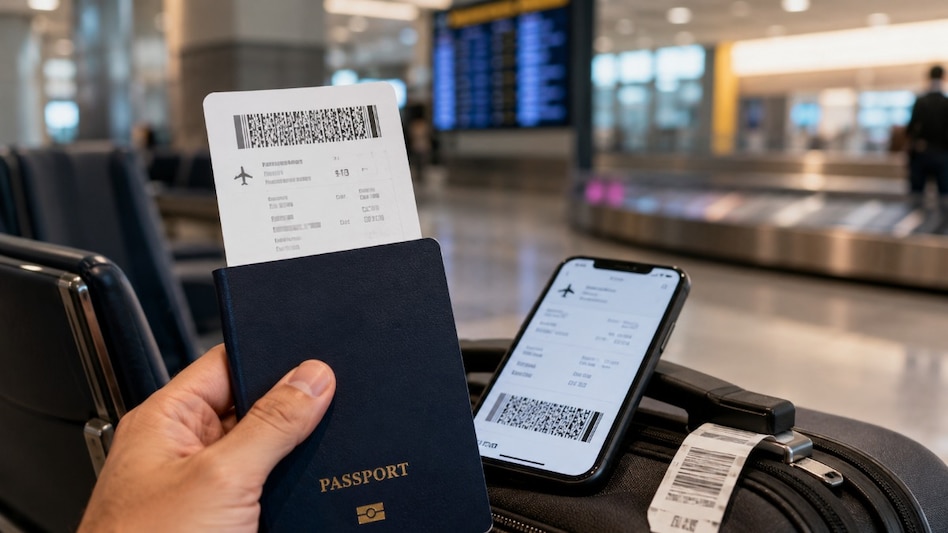
A boarding pass does more than get you through the gate. It carries sensitive personal data, including your frequent flyer number and booking reference, that can be exploited if it ends up in the wrong hands. It can also help you recover missing miles, support insurance claims, or prove you were on a flight when records fail. Here are six reasons to think twice before tossing it.
It proves you were on the flight
Airlines keep digital records, but errors happen, particularly on itineraries involving multiple carriers or connections. A physical or digital boarding pass provides backup proof of travel that can be useful when claiming reimbursements, applying for certain visas, or submitting travel expenses to an employer. Digital passes have their own risk: they can vanish automatically after landing or disappear when you switch devices, making a printed copy worth holding on to.
It helps recover missing frequent flyer miles
Loyalty programmes don't always get it right. Miles can go missing after a trip for a number of reasons, and your boarding pass contains the flight and ticket information needed to get them credited manually. Without it, resolving a mismatch with airline customer service becomes considerably harder.
It supports travel insurance and disruption claims
Flight delays, cancellations and lost luggage are common, and making a claim, whether through travel insurance, a credit card benefit or directly with the airline, usually requires documentation. Your boarding pass carries the essential details: flight number, departure and arrival times, travel dates. Having it on hand can be the difference between a successful claim and a rejected one.
It grants lounge access and confirms upgrades
Airport lounges often ask for your boarding pass at entry and may request it again during your stay. If you're accessing a lounge through a bank card, frequent flyer status or a business class booking, the pass confirms your entitlement. If you received a complimentary upgrade, it also verifies your new seat or cabin class should any question arise.
Its barcode holds more data than you realise
The barcode on a paper boarding pass can contain your full name, frequent flyer number, booking reference and sometimes contact details. Tossing it in a bin, particularly a public one, means someone with a scanner could access that information. When you're done with it, shred or tear it into small pieces rather than discarding it whole.
Store it, then destroy it properly
Keep your boarding pass, physical or digital, for a few weeks after your trip in a travel folder or safe spot. When you're ready to get rid of it, do so securely. The small effort of shredding a piece of paper or properly deleting a digital pass is considerably less trouble than dealing with the problems that can follow if you don't.
That slip of paper, or screenshot on your phone, is worth more than you think once the flight lands.
A boarding pass does more than get you through the gate. It carries sensitive personal data, including your frequent flyer number and booking reference, that can be exploited if it ends up in the wrong hands. It can also help you recover missing miles, support insurance claims, or prove you were on a flight when records fail. Here are six reasons to think twice before tossing it.
It proves you were on the flight
Airlines keep digital records, but errors happen, particularly on itineraries involving multiple carriers or connections. A physical or digital boarding pass provides backup proof of travel that can be useful when claiming reimbursements, applying for certain visas, or submitting travel expenses to an employer. Digital passes have their own risk: they can vanish automatically after landing or disappear when you switch devices, making a printed copy worth holding on to.
It helps recover missing frequent flyer miles
Loyalty programmes don't always get it right. Miles can go missing after a trip for a number of reasons, and your boarding pass contains the flight and ticket information needed to get them credited manually. Without it, resolving a mismatch with airline customer service becomes considerably harder.
It supports travel insurance and disruption claims
Flight delays, cancellations and lost luggage are common, and making a claim, whether through travel insurance, a credit card benefit or directly with the airline, usually requires documentation. Your boarding pass carries the essential details: flight number, departure and arrival times, travel dates. Having it on hand can be the difference between a successful claim and a rejected one.
It grants lounge access and confirms upgrades
Airport lounges often ask for your boarding pass at entry and may request it again during your stay. If you're accessing a lounge through a bank card, frequent flyer status or a business class booking, the pass confirms your entitlement. If you received a complimentary upgrade, it also verifies your new seat or cabin class should any question arise.
Its barcode holds more data than you realise
The barcode on a paper boarding pass can contain your full name, frequent flyer number, booking reference and sometimes contact details. Tossing it in a bin, particularly a public one, means someone with a scanner could access that information. When you're done with it, shred or tear it into small pieces rather than discarding it whole.
Store it, then destroy it properly
Keep your boarding pass, physical or digital, for a few weeks after your trip in a travel folder or safe spot. When you're ready to get rid of it, do so securely. The small effort of shredding a piece of paper or properly deleting a digital pass is considerably less trouble than dealing with the problems that can follow if you don't.